
Orcas sink 1000 boats!
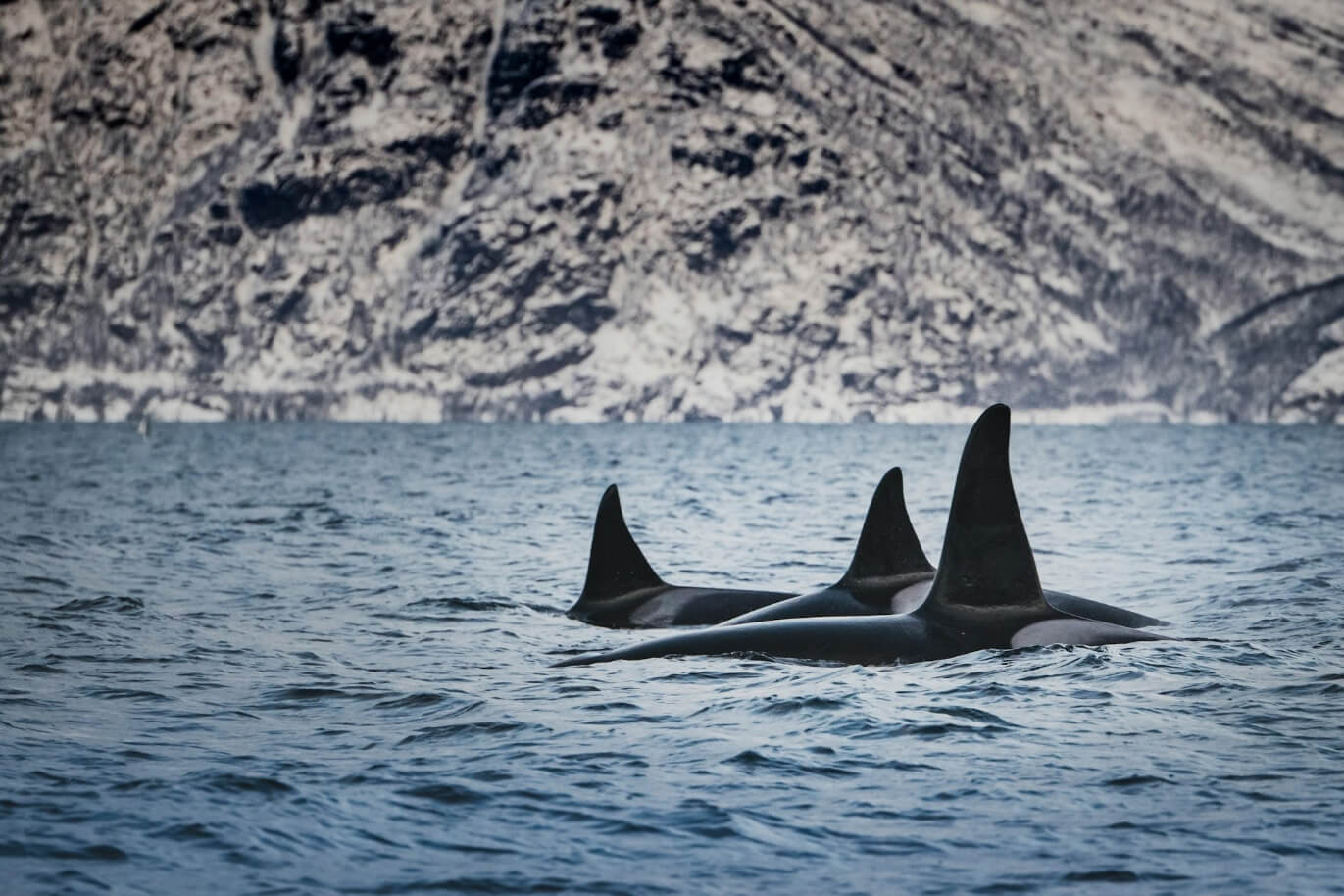
Catchy heading, isn’t it? Nice round number! Is it factual? I my humble opinion, I doubt it. Many (too many) boats have indeed sunk as a result of these highly intelligent animals, in a very specific area (suggesting it’s a learned behaviour rather than instinctual). But the numbers is nowhere near 1000.
Of interest is that, in the wild, there are no confirmed cases of an orca ever deliberately killing or seriously injuring a human. Researchers and marine safety groups agree that wild orcas tend to be curious but not aggressive toward people. So, the aggression is very deliberately against the boat – if it is indeed aggression. It could just be play (with an unfortunate outcome to the boat).
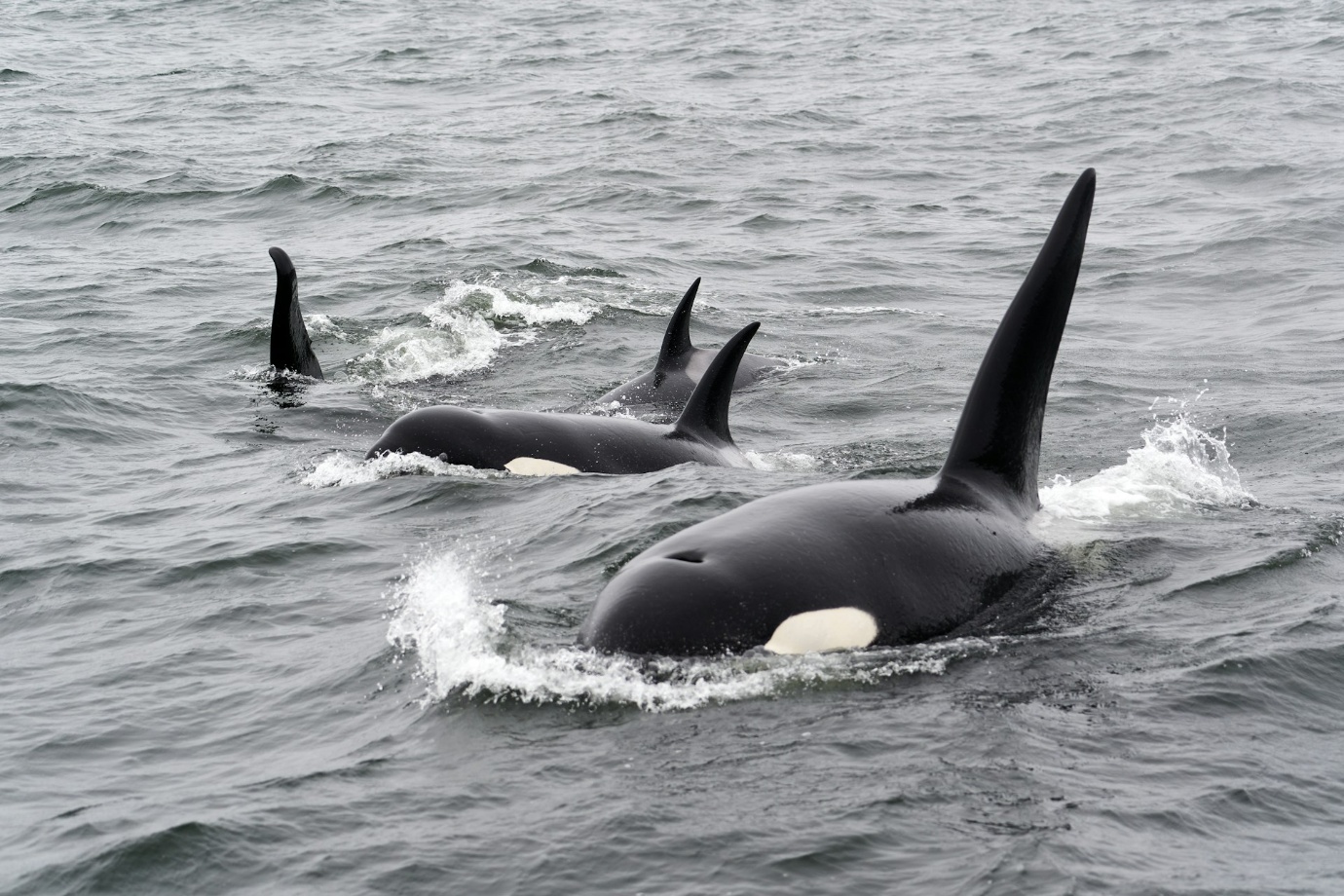
The problem is that the media creates a sensationalist headline (like the one above – which I saw on Facebook) and then adds their own uninformed opinion to the piece – with no knowledge of the facts. The more sensationalist, the better. The inherent problem with this is that media hype provokes responses by the public – and these seldom end well for the animals.
The latest narrative goes as follows: “Until recently, the motive was a mystery, but new research has traced the behaviour back more than a decade to a single traumatic event. Somewhere off the coast of Morocco, a female orca calf was struck and killed by a boat. Researchers believe her family, known to scientists as the “Gladis” group, never forgot. This matriarch-led pod began targeting vessels shortly afterward, and over time the behaviour spread across generations. Young orcas were observed watching, learning, and eventually joining in.
The attacks are anything but random. Scientists say the orcas often work in coordinated teams, with some distracting from the bow while others slip to the stern, where they carefully pull anchor chains and twist metal until an engine seizes. In many cases, they methodically remove propeller blades or tear away steering mechanisms, leaving boats dead in the water before disappearing into the deep. Far from mindless aggression, experts now see it as a rare case of cultural transmission in the wild, a shared, enduring grudge passed from mother to calf, with precision tactics refined over years. With each successful strike, the legend of the Iberian orcas grows.”
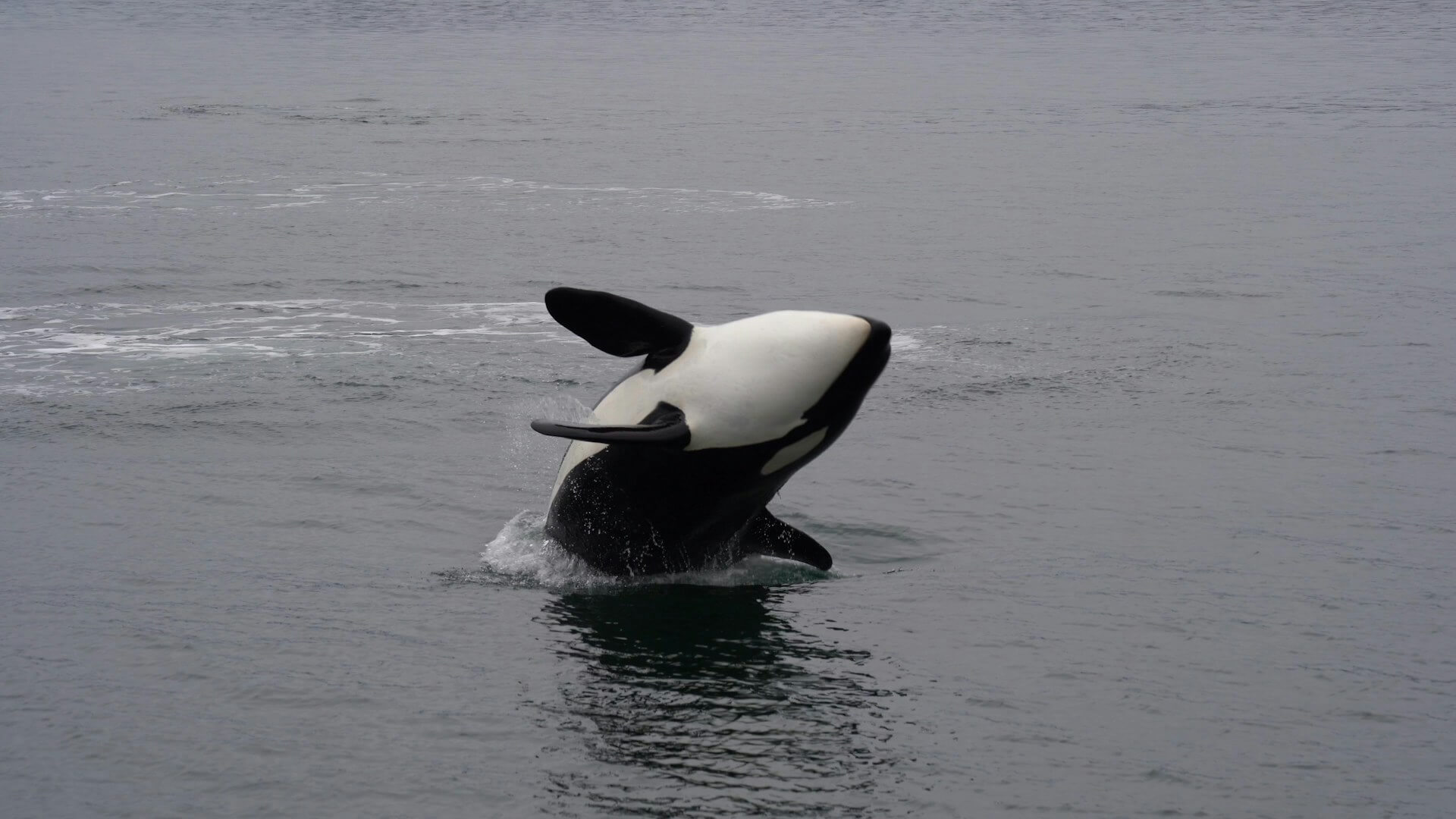
In this case, this media uses the word “grudge” (other versions use “revenge”). Well, the question one should be asking is: are those ‘emotions’ even a valid emotion for these animals? And if you think that they are, what is that assumption based on? And how do you differentiate between play and aggression? When you realise that the world’s largest orca on record weighed 10 000kg (10 tons), I would think it valid to assert that if the reality was that these actions were based on aggression, there would have been many more yachts sunk.
Mark Simmonds, OceanCare’s Director of Science, made the following comment: “We do not believe that the orcas’ behaviour is any form of revenge or a deliberate attack on people, and it is important that it is not characterised in the media as such. These intelligent and highly social animals have learned that small boats can be manipulated and are obviously getting some form of gratification from this. Most probably this is play-behaviour or a way to show off to each other. We know that the authorities in the countries in which this population occurs are working hard to develop benign and appropriate strategies to address this problem.” A far more rational approach.
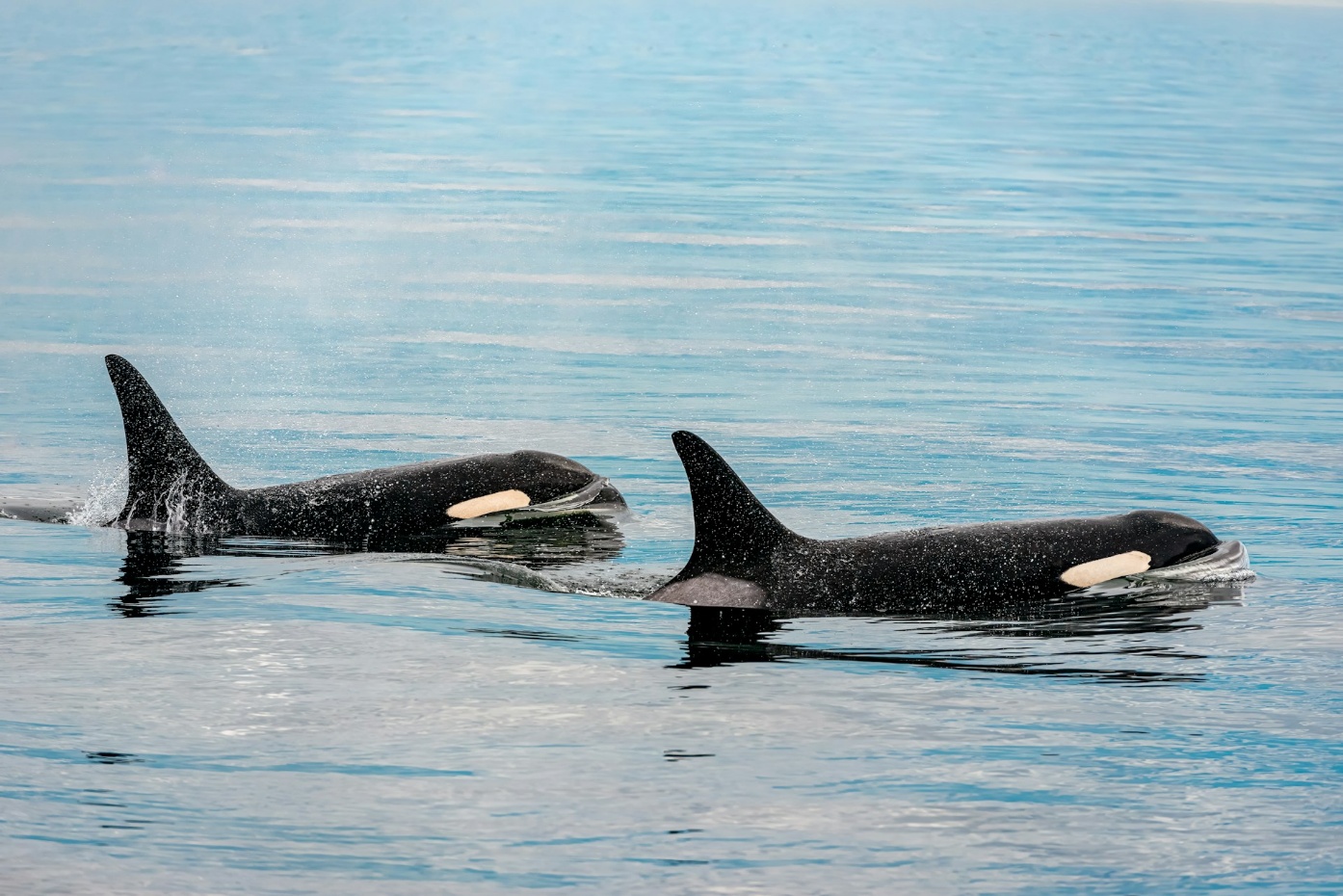
Yet, it is true that off the rugged coasts of Spain, Portugal, and Morocco, near the Strait of Gibraltar, a specific group of orcas has increasingly been ramming and damaging sailboats, often targeting their rudders.
Before 2020, reported orca attacks on boats were rare. In one such documented case, in June 1972, “a family sailing near the Galapagos Islands experienced a harrowing orca attack when their schooner, the Lucette, was struck by a pod of orcas and subsequently sank. The family of six, including the captain Dougal Robertson, his wife, their four children, and a hitchhiker, managed to escape in a life raft and a dinghy. They survived for 38 days as castaways before being rescued by a Japanese fishing trawler. They managed to survive by rationing water, catching fish and turtles, and collecting rainwater.” A true Robinson Crusoe-type story!
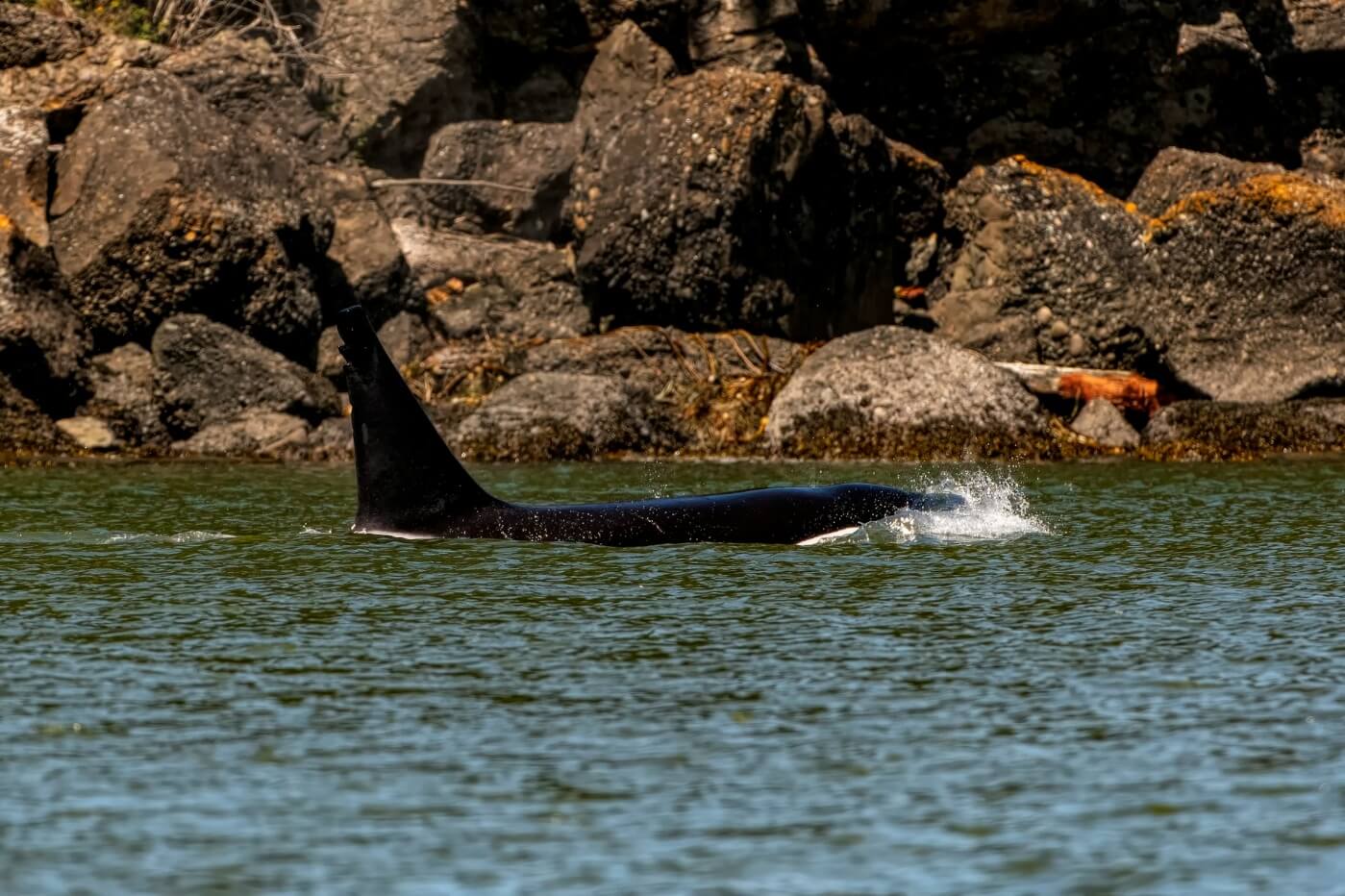
On March 9, 1976, the Italian racing yacht known as Guia III was rammed and sunk by an orca off the coast of Brazil. Only one of the orcas (out of a pod of four to five) hit the vessel, and only once. The crew of six successfully escaped on a life raft. There was no reaction shown by the orcas to the humans who were mere metres away. So, in neither of these cases did the animals attempt to destroy the rudder. Nor were they interested in the humans as prey / food.
The Gibraltar orcas are the first on record to attempt, as a group, to prevent boats from travelling (if that is their intent). These orcas typically approach from behind, striking or biting the rudder and hull with precision – sometimes detaching rudders or causing the boat to spin nearly 360°.

Estimates vary slightly, but most reports cite between 650 to nearly 700 INTERACTIONS (not sinkings!) dating back to 2020. Around seven of these boats have sunk. Recent sinkings include the Grazie Mamma (attacked for 45 mins and sunk near Tanger-Med) on 31st October 2023. The Alboran Champagne was a sailing yacht that was attacked and sunk by orcas in the Strait of Gibraltar in May 2023. The incident involved three orcas – two smaller ones that shook the rudder and a larger one that rammed the vessel. On 12th May 2024 the Alboran Cognac, who was also sailing through the Strait of Gibraltar, was damaged and sank – crew were rescued by tanker and helicopter. In July 2024, the yacht Bonhomme William endured a two-hour assault that disabled its rudder, flooded the vessel, and led to sinking. The crew were safely rescued.
There are many reasons the orcas could be indulging in this behaviour, and the jury is still out. The first, and currently most popular in the media, is that this is trauma-triggered behaviour. A female orca, dubbed “White Gladis,” may have started the behaviour following a traumatic interaction with a boat, and the rest of the pod have begun imitating it through social learning.
The second theory is that this is all simply about curiosity or “fad” behaviour. Remember the previous article we published about these same animals wearing salmon hats? Young orcas may have begun interacting with boats playfully or out of curiosity, and this pattern spread regionally through pod members. It is interesting to note that most of this behaviour is carried out by what orcas considered to be ‘teenagers’, which feeds into this particular narrative.
A final theory suggests that juvenile orcas might be using boats (specifically the rudders) as target practice while they hone hunting skills for prey like Atlantic bluefin tuna, whose migrations align with the areas and seasons of these incidents.
This is going to be an interesting story to follow… Whether we will ever get to the bottom of this behaviour remains to be seen. Maybe it is just a passing fad for these highly intelligent creatures. I, for one, wish they would find something else to amuse themselves – this behaviour is going to eventually end in serious conflict. However, if people adhere to the suggestions (see some of the web sites detailed below) of how to deal with these creatures should you be lucky enough to come across them in the ocean, perhaps we will eliminate the behaviour and simply be able to appreciate the wonder of these incredible creatures…
Jacqui Ikin & The Cross Country Team
INFO BLOCK:
Group of orcas attack and sink vessels off Iberian Peninsula:
https://www.youtube.com/watch?v=_NMoszYIQUs
ORCAS @ PORTUGAL & SPAIN:
https://www.orcas.pt/
Why Are Orcas Attacking Boats? A Marine Biologist Explains:
https://www.youtube.com/watch?v=C0cGdd9lUgY
Great website on the subject:
https://www.orcaiberica.org/en
They Filmed Orcas For 20 Years And This Is What They Found…
https://www.youtube.com/watch?v=bCo3AILIPQg
OPEN LETTER regarding Iberian orcas and their interactions with boats:
https://www.oceancare.org/wp-content/uploads/2023/09/Open_Letter_Iberian_Orcas_September_2023.pdf
Iberian Orcas Interacting with Boats: A statement from OceanCare:
https://www.oceancare.org/en/stories_and_news/iberian-orcas-boats/
Study says coordinated boat attacks were just teen orcas having a little fun:
https://www.youtube.com/watch?v=MRakcpE9kEM
Orca interactions – Danger in the Strait of Gibraltar | DW Documentary:
https://www.youtube.com/watch?v=O7qlWuc9vNE
