
Yesteryear’s habits that do harm…
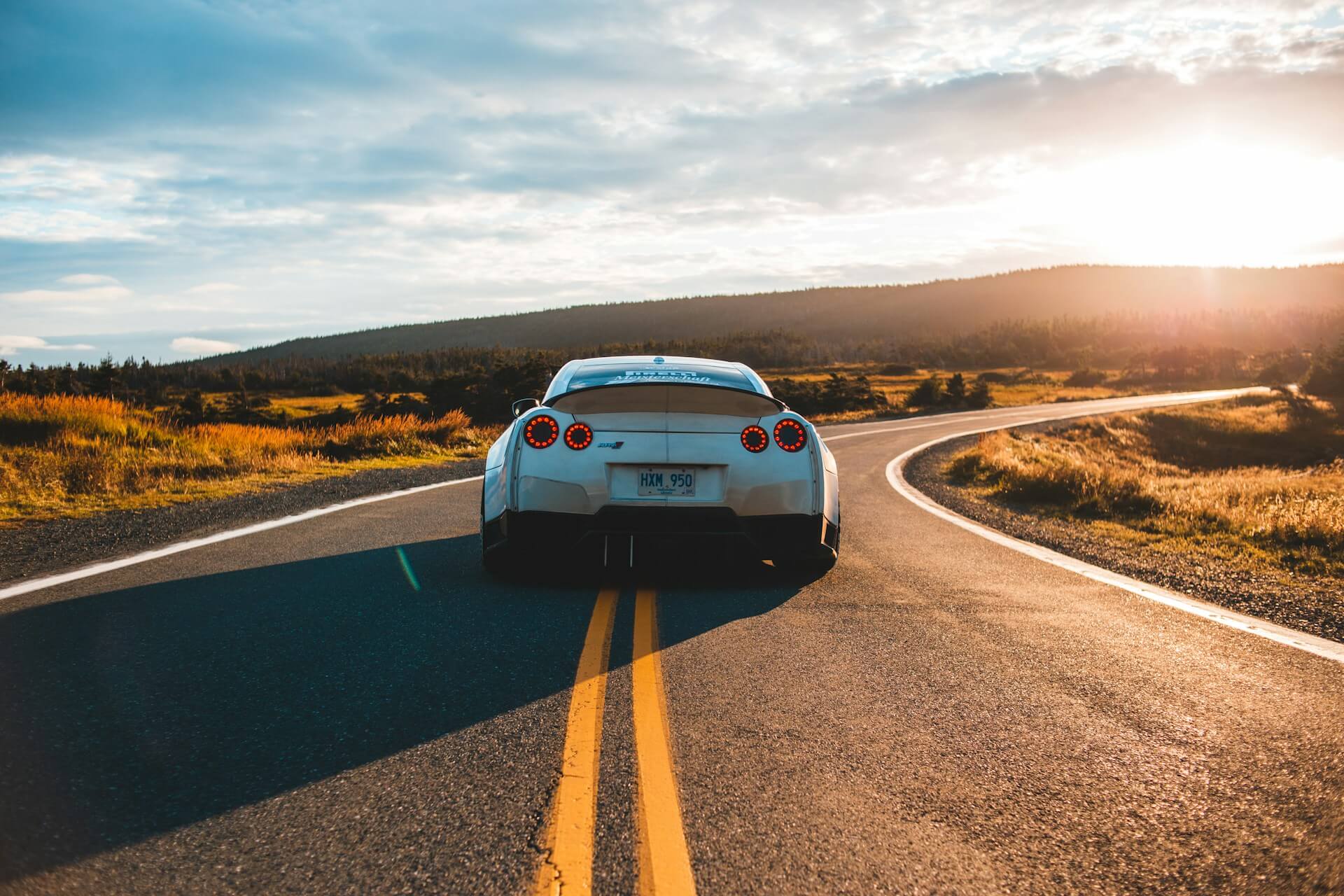
Many of us have been driving for decades. During that time, we learned both good and bad habits. Some we even developed all by ourselves. Here’s the thing though – cars and their engines have changed vastly over the years, and some of what we used to consider “good habits” can now actually cause damage! Some habits are just bad habits – in both old and new vehicles. Let’s explore a few and save our cars…

Freewheeling or Coasting
The first bad habit I am going to explore is “freewheeling down a hill” – usually done to save fuel. AI says that it is “generally a bad idea for cars and motorcycles because it reduces vehicle control by eliminating engine braking, can lead to increased speed and less ability to manoeuvre, and may not save fuel. You are forced to rely solely on your mechanical brakes, which can lead to faster wear and may become less effective if used excessively”.
Mercedes Benz UK wrote a great article (see info box) on this subject, entitled “Are you coasting towards more repairs?”. Apparently, it does ‘lead to the overuse of one clutch component in particular for manual cars: the throw out bearing’. The worst damage / wear and tear will be on your brakes, as you are now without the assistance of engine braking.
Many use this as a fuel-saving device. Which may have been more effective in older models, but with modern technology, it actually means that coasting is likely to increase fuel consumption. Basically, when idling, your car needs a small amount of fuel to keep the engine running. But if you remain in gear, without accelerating, the electric sensors detect that the accelerator isn’t engaged and will automatically cut fuel – thus using less fuel.
However, the main reason you should stay in gear is that, in an emergency situation, the precious seconds it takes to reconnect to power are seconds you don’t always have. This bad habit can put the safety of both yourself and others at risk…
There’s also a great article in Popular Mechanics on the subject (see info box). So, to sum up, it is a dangerous driving habit in modern cars because it reduces the driver’s control over the vehicle, impairs braking effectiveness, and can even lead to increased fuel consumption.
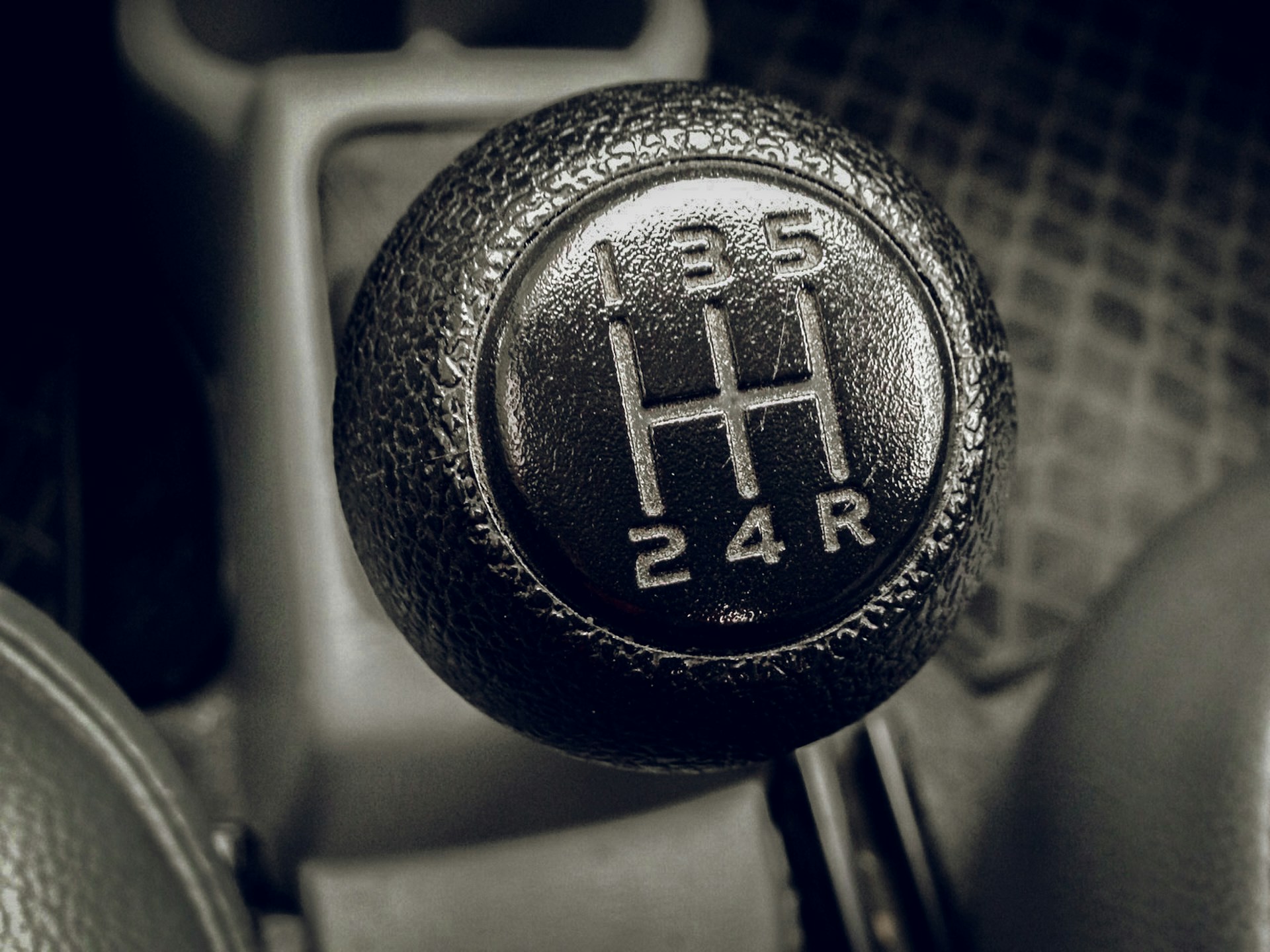
Shifting from drive to reverse while still moving forward (and vice versa)
This can cause significant damage to your transmission, engine, and other drivetrain components, potentially leading to a stalled engine, a locked-up vehicle, or general catastrophic failure. When you think about it, in most cars there is a mechanical component to this – which is why you hear that awful grinding noise. You are asking the vehicle to move in exactly the opposite direction to that which is currently taking place. This is what can cause extreme damage.

Washing your car with dishwashing liquid
The harsh chemicals in this substance can damage your paintwork. Rather use a dedicated cash washing liquid to maintain your car’s sparkle.
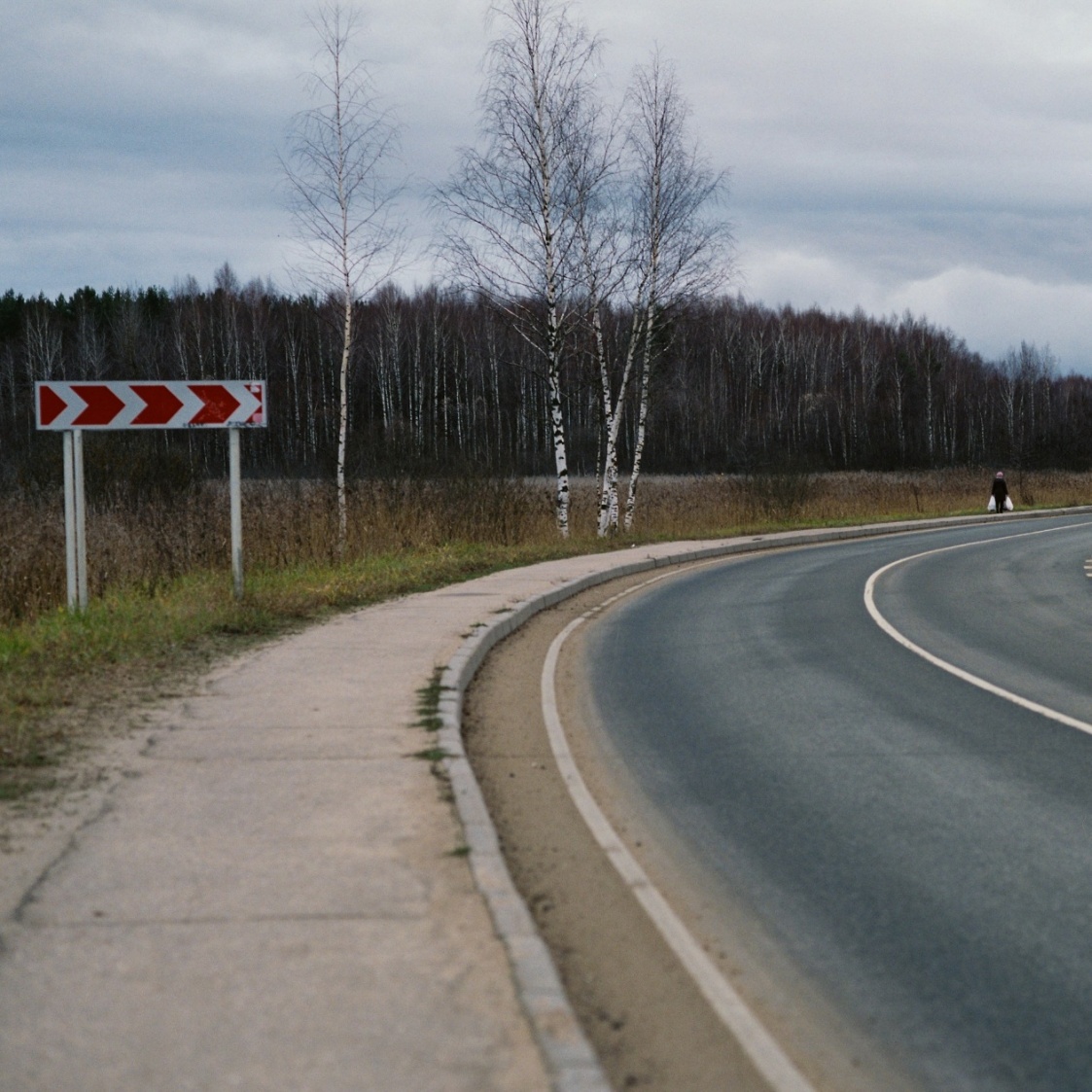
Hitting the kerb
One would imagine that this would not need to be listed, but many do it on a regular basis. Beyond the potential for damaging your tyre, if there is sufficient force you can knock your wheels out of alignment. The underside of your vehicle could even be damaged…
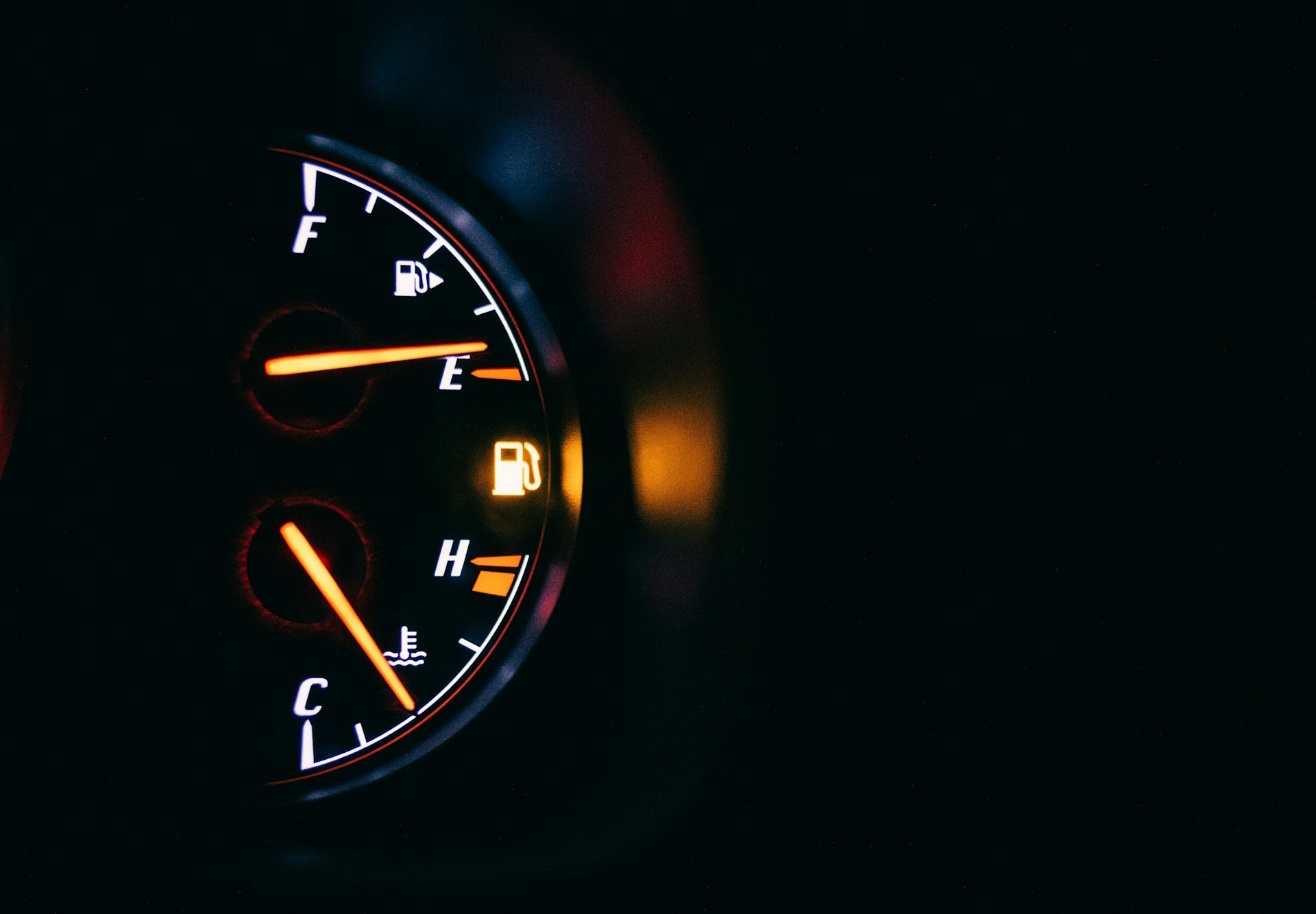
Running your car with a low amount of fuel in the tank
Not a good idea for many reasons. In newer cars, some fuel pumps are inside the fuel tank, and they’re designed to be cooled and lubricated by the fuel in the tank. Low fuel could lead to damage. In older cars (that were fitted with steel fuel tanks), running tanks to empty may increase the possibility of condensation which can cause corrosion.
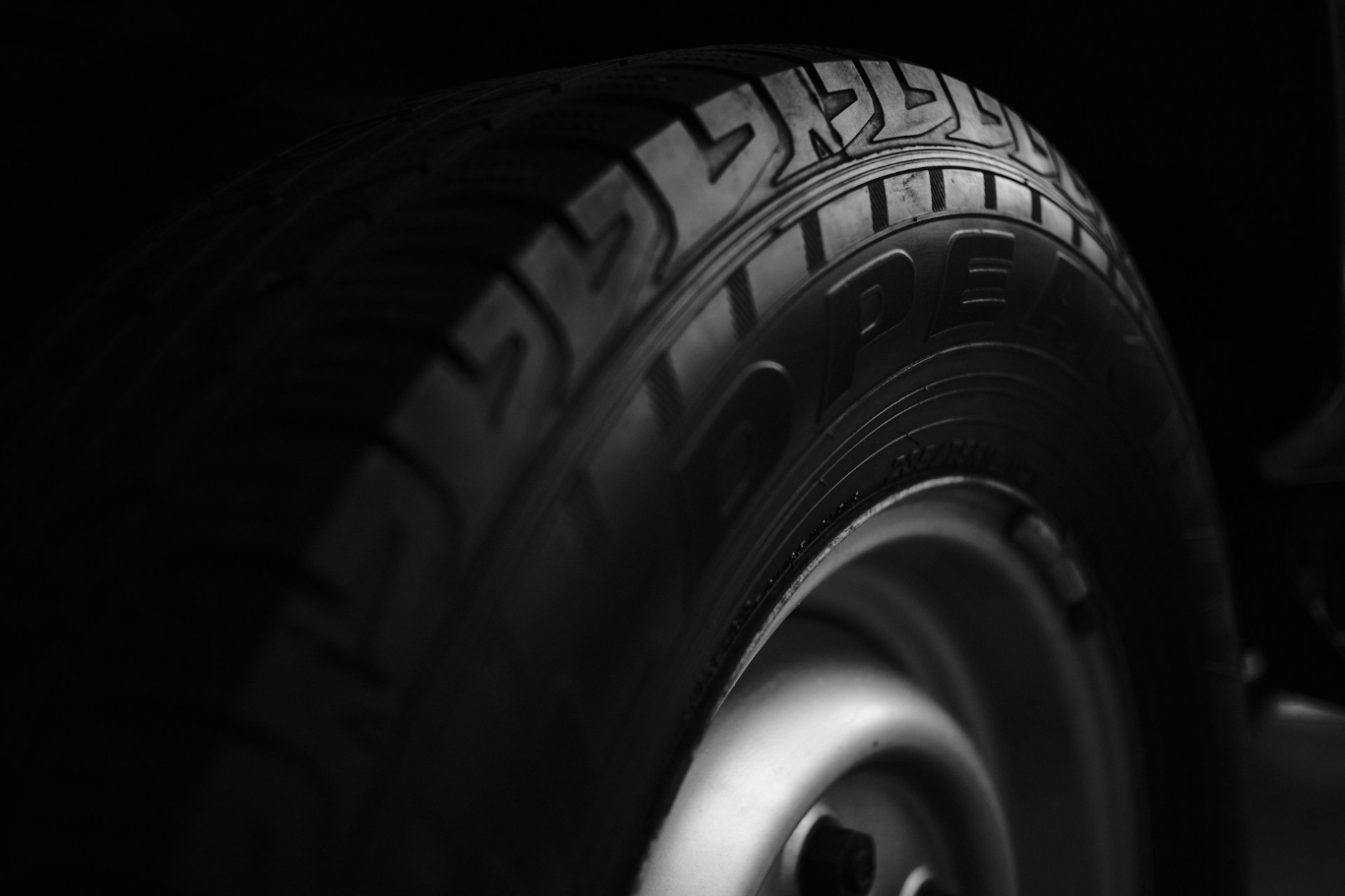
Incorrect tyre pressure
A car’s sole contact with the road is the tyres. Four tiny rectangles of rubber meeting tar/sand. If tyres are under-inflated or over-inflated, they can’t do their job properly. Tyres at the right pressure will help you save fuel, make your car handle better and most importantly, keep you safer.
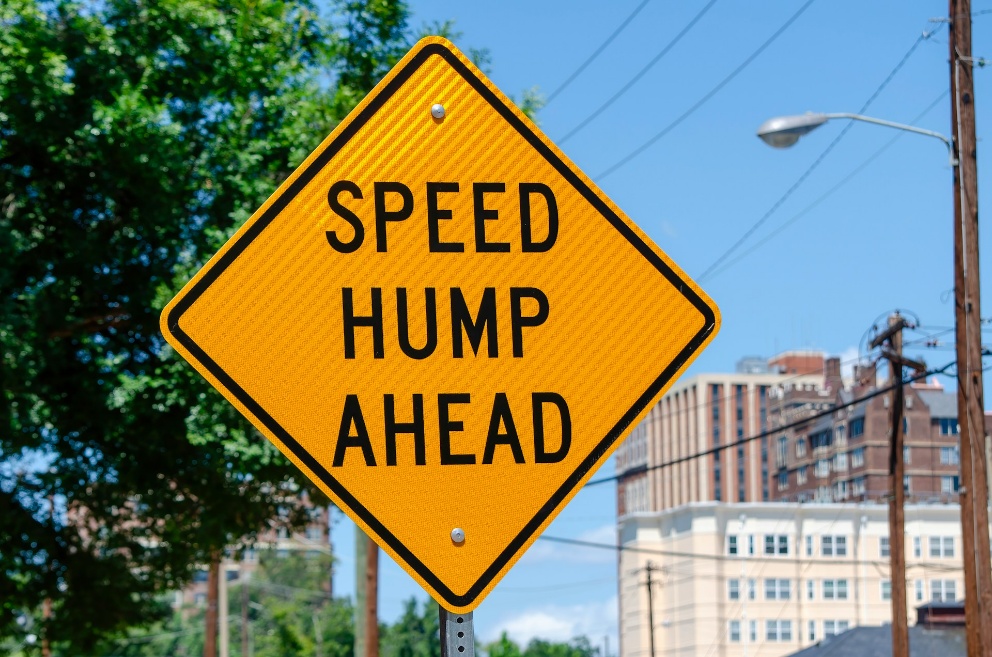
Driving too fast over speed humps
Doing this on a regular basis accelerates wear on the car’s suspension components such as shock absorbers, rubber bushings and ball joints.
The clutch isn’t a footrest
Whilst less and less cars are manual, remember that resting your foot on the clutch is a bad idea. When even light pressure is applied to the pedal, it partially disengages the clutch, causing the throw-out bearing to press against the diaphragm spring and reduce the clutch’s grip, which results in excessive friction and heat. Rather rest your foot on the “dead pedal” or the floor until you are ready to change gears or stop. The same goes for excessively slipping the clutch (as is often done to keep a car stationary on a hill) – which will also reduce the lifespan of the clutch.
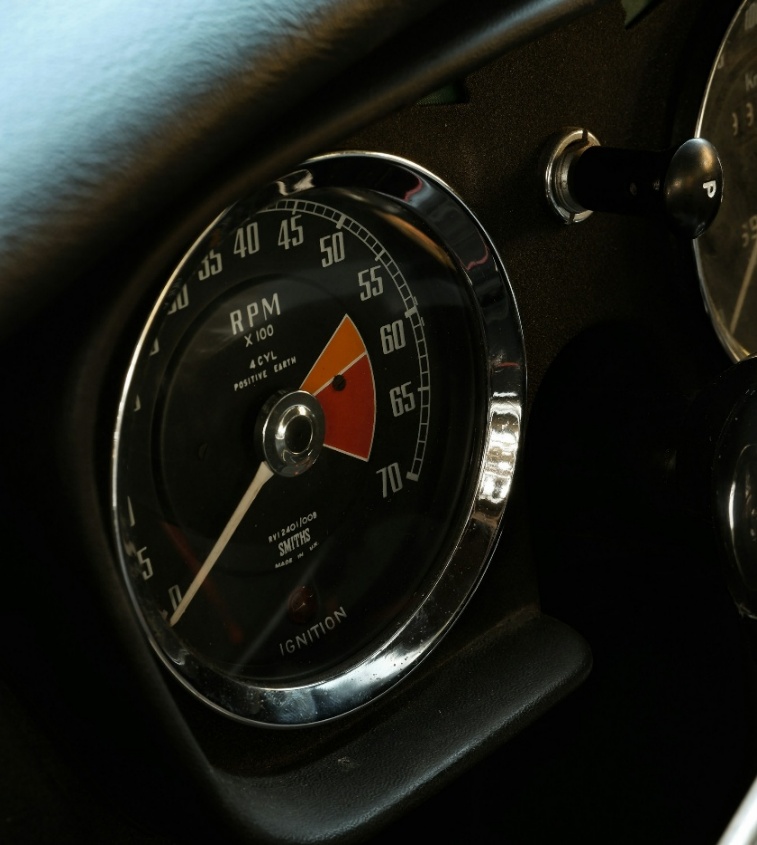
Revving your engine while it’s still cold
Modern engines are built to handle driving shortly after starting, but the oil needs a bit of time to circulate fully and reach optimal operating temperature. Excessive revving when the engine is cold can lead to:
- Increased wear on internal components: Cold oil is thicker and doesn’t lubricate as effectively, which can cause more friction and wear.
- Higher fuel consumption: Engines run richer when cold, so revving wastes extra fuel.
- Possible damage to engine parts: Pistons, bearings, and other components expand as they warm up; revving before proper expansion can stress these parts.
A good practice is to start the car, wait a few seconds for oil to circulate, and then drive gently, avoiding high RPMs until the engine reaches normal operating temperature.
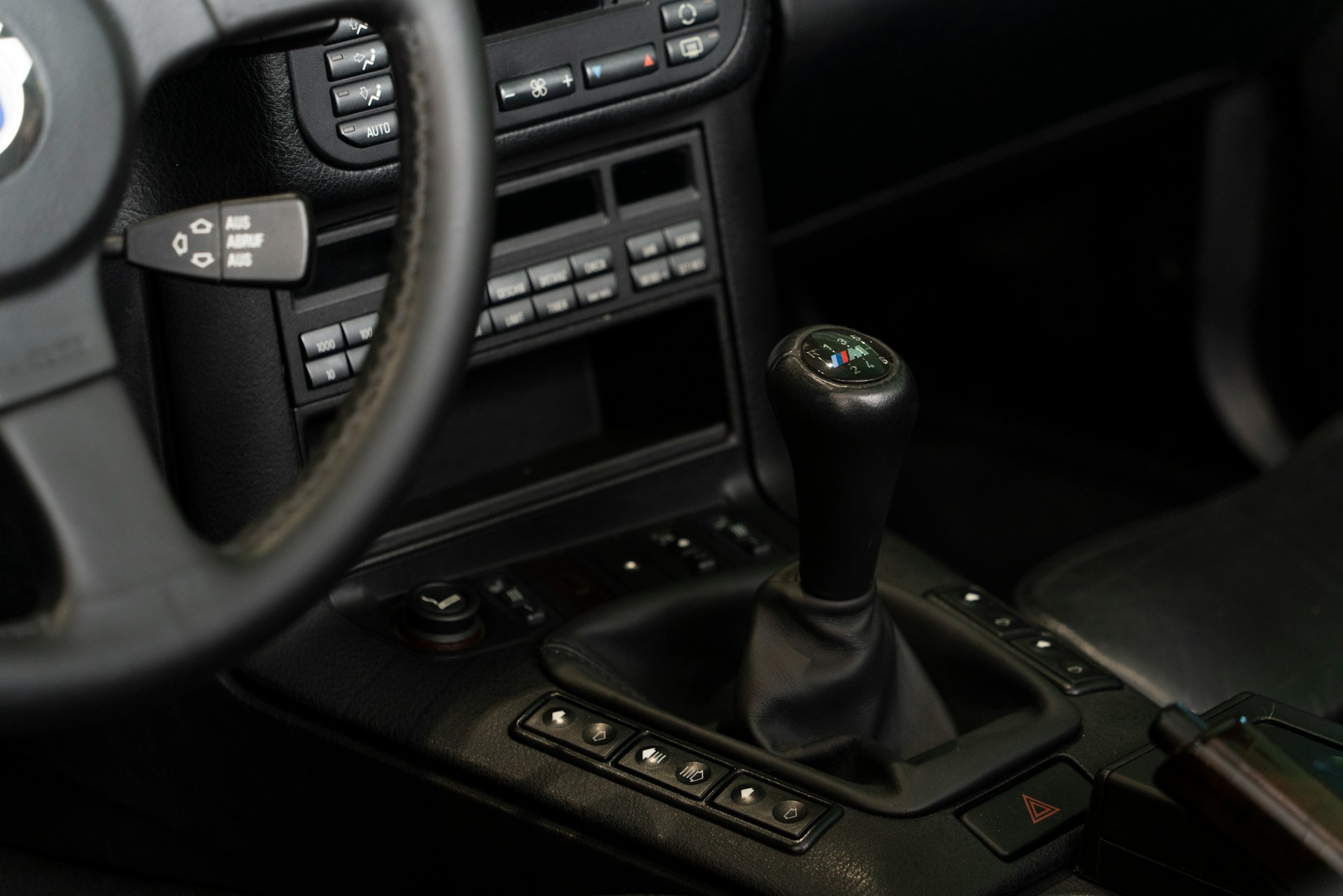
Resting your hand on the gear-stick
Also, not a good idea… The gear stick is connected to a selector fork. This is designed to make contact with a rotating collar for a short amount of time, and so, if you rest your hand on the gear stick, you risk applying pressure to the selector fork, causing premature wear.
These are all relatively small issues and perceived as inconsequential. However, they all add up and can cost you money which would be needlessly spent. So, as the saying goes, ‘When you know better, do better’ – for your vehicle, for your health and for the safety of those around you…
Jacqui Ikin & The Cross Country Team
INFO BLOCK:
https://www.mercedes-benzsouthwest.co.uk/blog/are-you-coasting-towards-more-repairs
https://www.popularmechanics.com/cars/hybrid-electric/a5977/coasting-in-neutral-fuel-economy/
