
A journey through time and chaos…
“Marrakech isn’t just a city – it’s a journey through time, senses, and soul. It’s chaotic, beautiful and completely unforgettable.” Author Unknown
In this, our final column about Marrakesh before we move on to Istanbul, we once again explore glimpses of the Medina which shall forever be indelibly etched in memory…
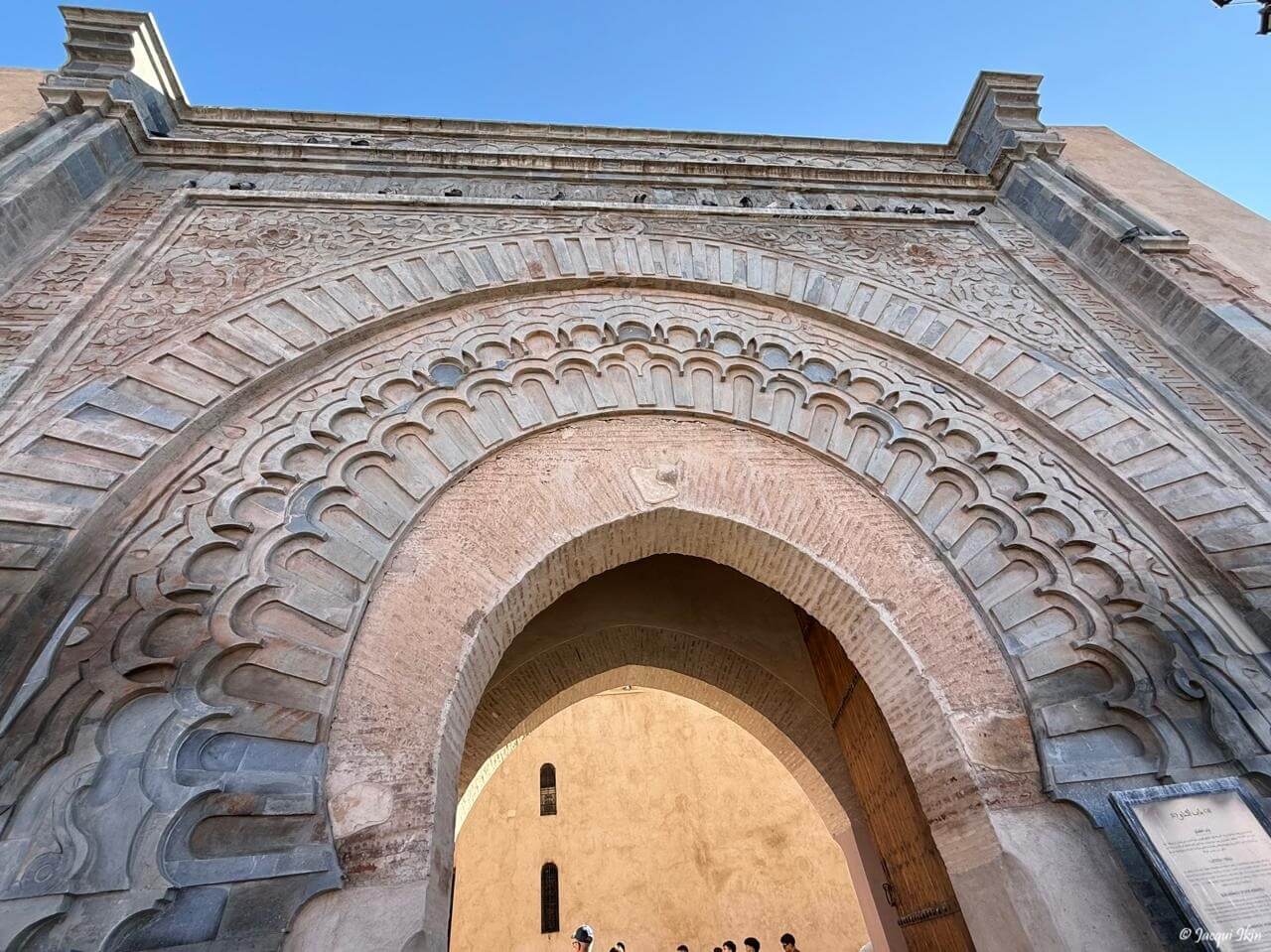
Marrakesh is historically known for having 19 major gates (or babs in Arabic) set into its 19 kilometres of fortified, red-mud ramparts. The Bab Agnaou gate was built in the late 12th century, being completed around 1188 or 1190 – making it over 800 years old! Constructed during the Almohad Dynasty by Caliph Abu Yusuf Ya’qub al-Mansur, this UNESCO-listed site served as the primary public entrance to the royal kasbah.
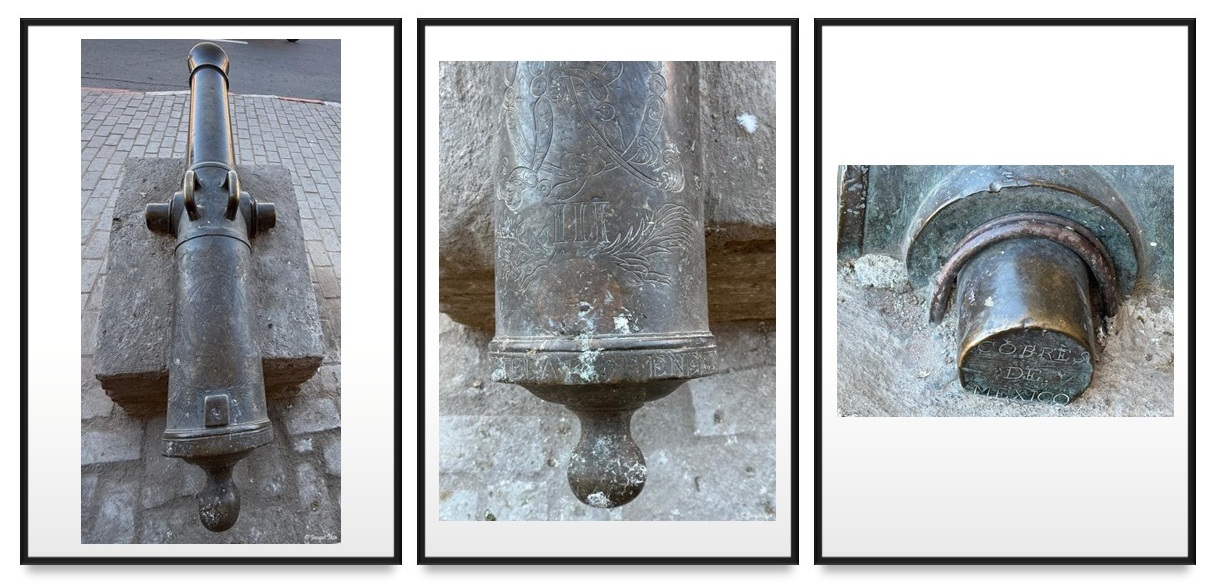
The cannons displayed near Bab Agnaou are much later additions, mostly from the 16th–18th centuries. At first, I couldn’t understand the ‘Mexican connection’. Then I found that “Cobres de Mexico” refers to markings found on historical Spanish bronze cannons produced in the late 19th century. These cannons were produced in Spain, likely during the late 1800s. The inscription suggests a partnership or foundry location involving Spanish copper (“Cobres”) resources connected to Mexico or Rio Tinto (a major Spanish mining company). These ancient cannons flanking the Bab Agnaou gate in Marrakech are historic artifacts, likely placed there during later, post-Almohad periods, to bolster the military appearance of the area.
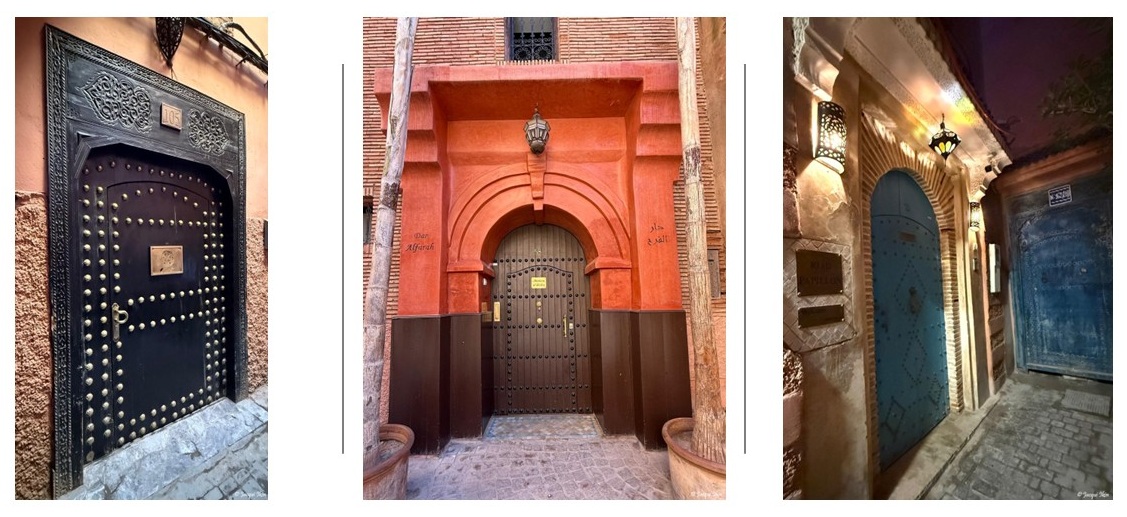
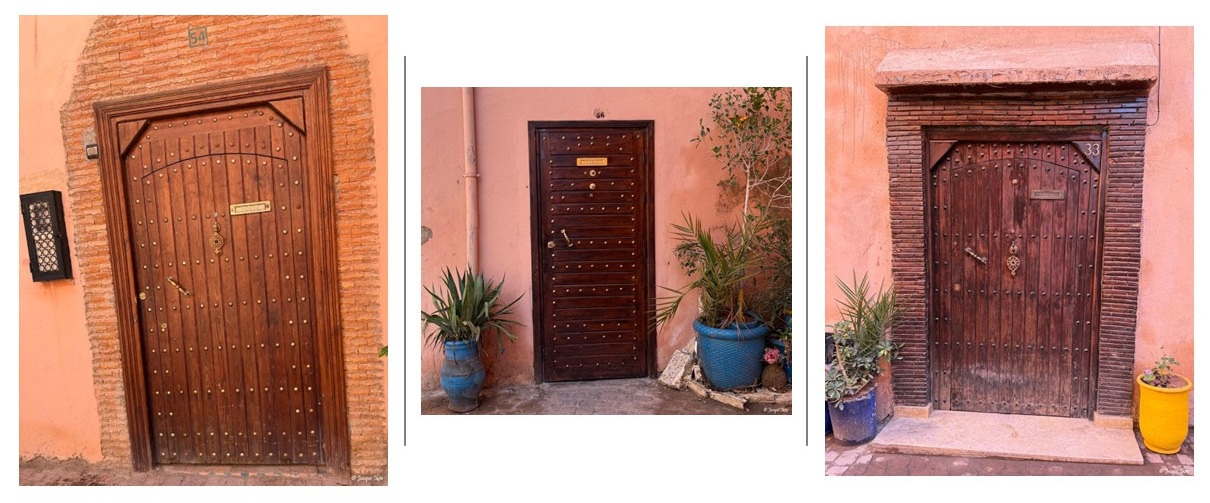
Marrakesh reveals itself slowly, never all at once. Behind unassuming doors and along quiet, winding lanes lie hidden courtyards, fragrant gardens, and tranquil riads – small sanctuaries that seem worlds away from the vibrant bustle just beyond their walls. The remainder of the attractions discussed here exist much the same way: unsuspected pockets of beauty waiting to be discovered by the curious traveller. In Marrakesh, the greatest pleasures often lie not in what is immediately seen, but in what is quietly uncovered – because this is a city built on secrets, and its magic belongs to those willing to look a little closer.
The Ben Youssef Madrasa lies quietly within the labyrinth of Marrakesh’s medina, a place where scholarship, artistry, and faith once converged. Built in 1565 by the Saadian Sultan Abdallah al-Ghalib, it served as a prestigious Quranic school beside the great Ben Youssef Mosque, for centuries one of the city’s most important centres of worship. At its height, this was the largest Islamic college in North Africa, welcoming as many as 800 students who journeyed from across Morocco and the wider Islamic world to study theology, law, and the sacred interpretations of the Quran.
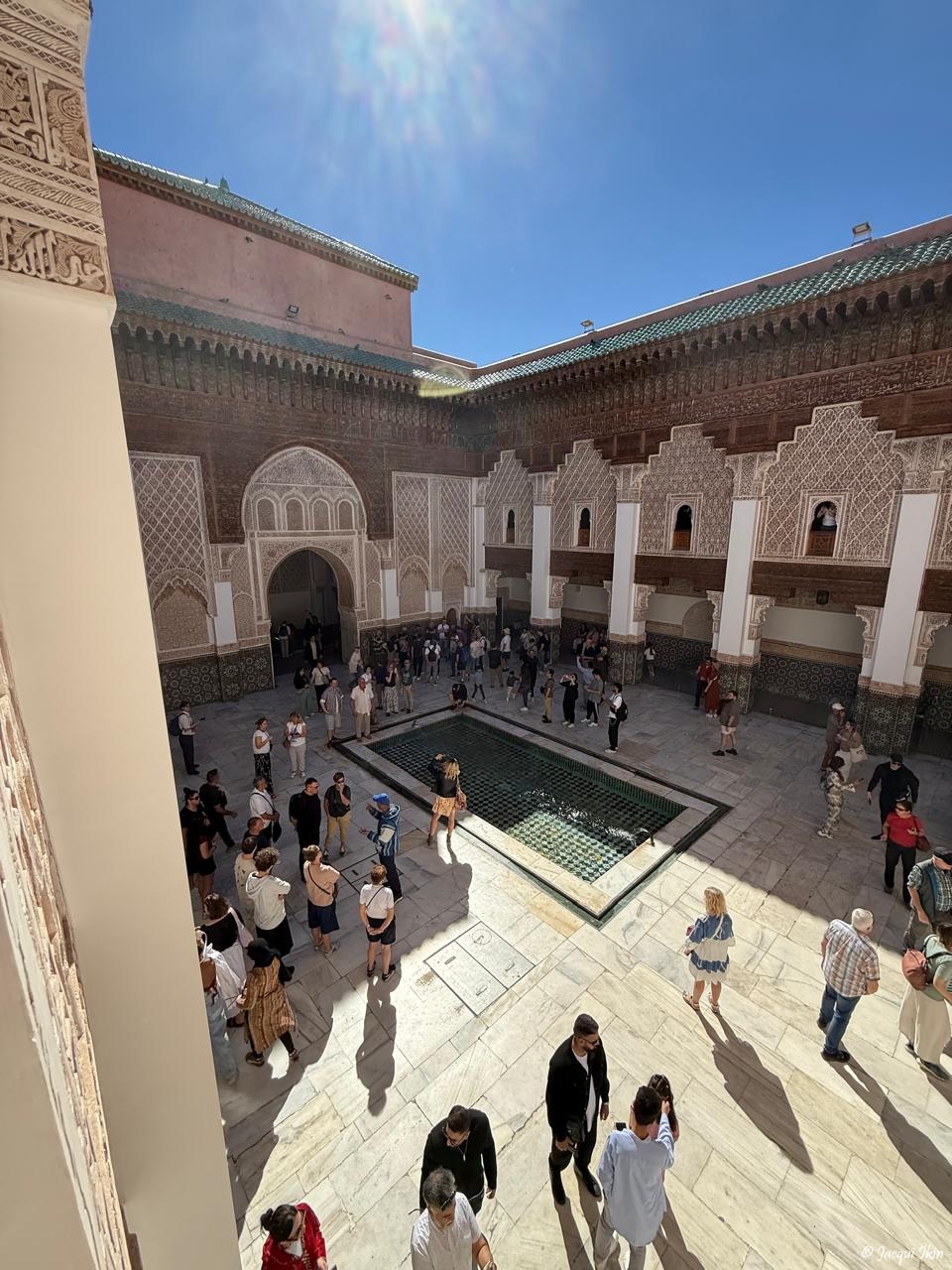
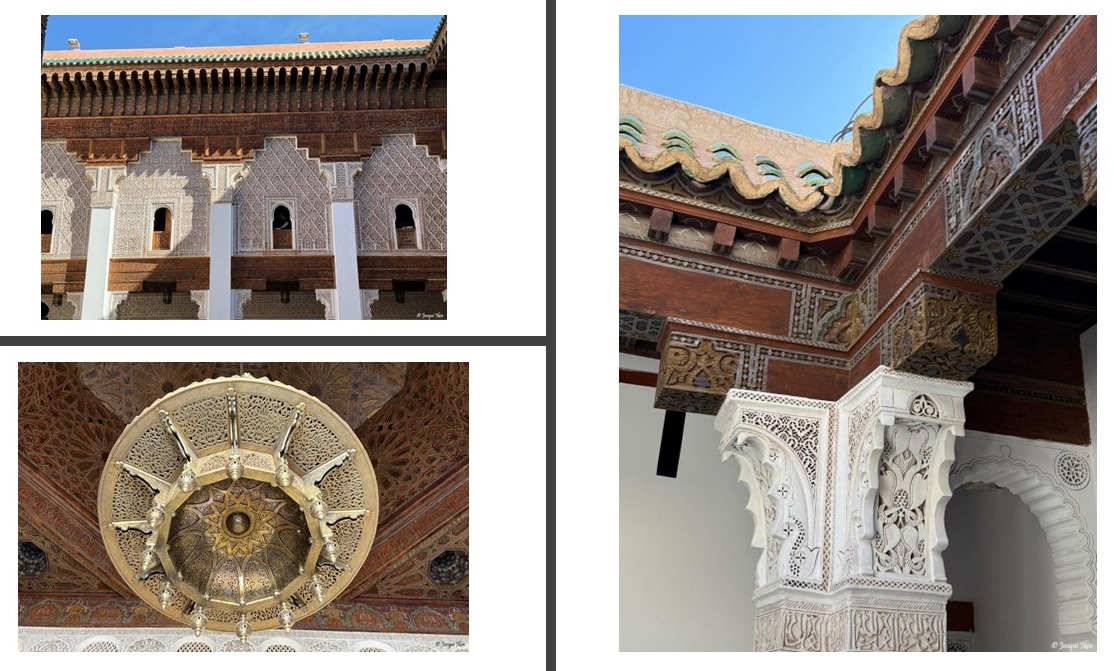
Passing through its modest entrance, visitors emerge into a breathtaking courtyard where silence replaces the bustle of the medina outside. A still reflecting pool mirrors walls adorned with intricate zellij tilework, delicate stucco carvings, and finely sculpted cedar wood, all testament to the extraordinary craftsmanship of Saadian Morocco.
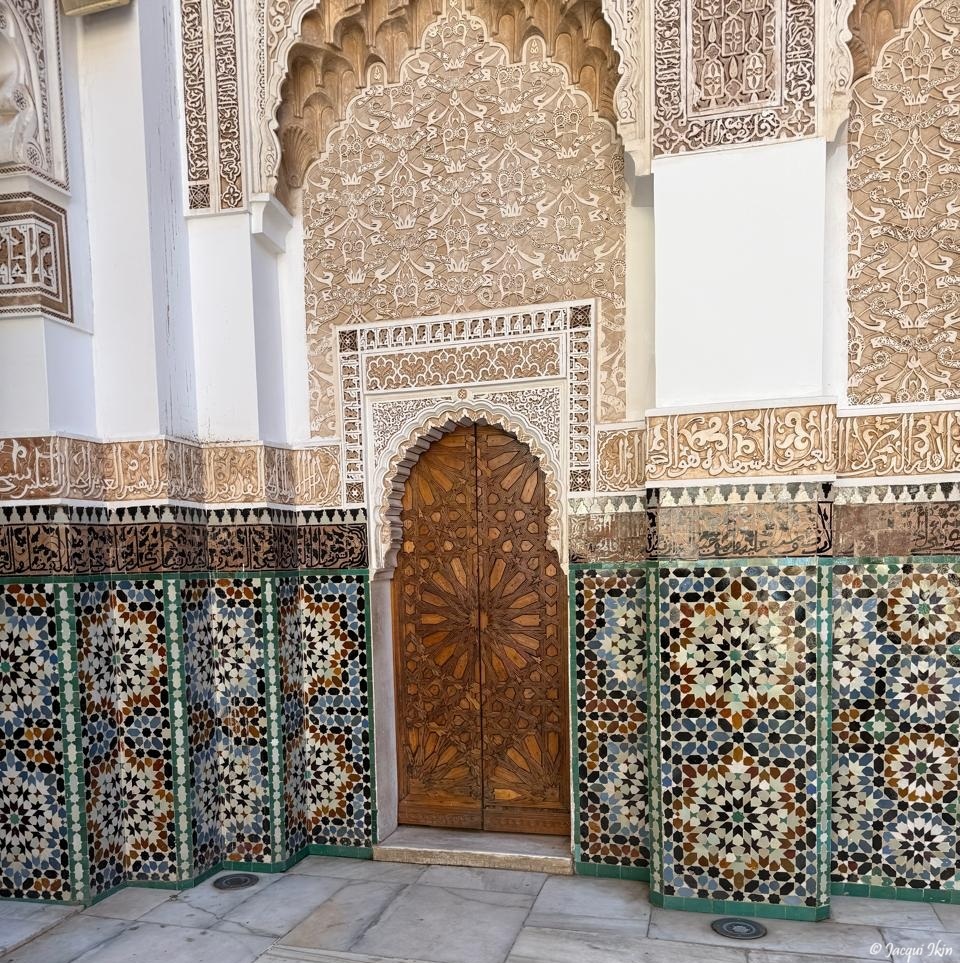
Around the courtyard, narrow stairways lead to rows of small student chambers—simple, almost austere spaces where scholars once lived and studied, their lives devoted to learning and contemplation. For nearly four centuries this building thrived as a centre of intellectual and spiritual life before closing in 1960. Carefully restored, it now stands not only as a masterpiece of Moroccan architecture but also as a poignant reminder of Marrakesh’s rich scholarly heritage.
The 11th-century “marble ablutions basin” from the Ben Youssef Madrasa is a masterpiece of Andalusian art originally created in Córdoba for ‘Abd al-Malik, the son of vizier Al-Mansur. Brought to Marrakech in the 12th century, this imported piece is heavily decorated with floral motifs, including acanthus leaves, palms, and animal representations.
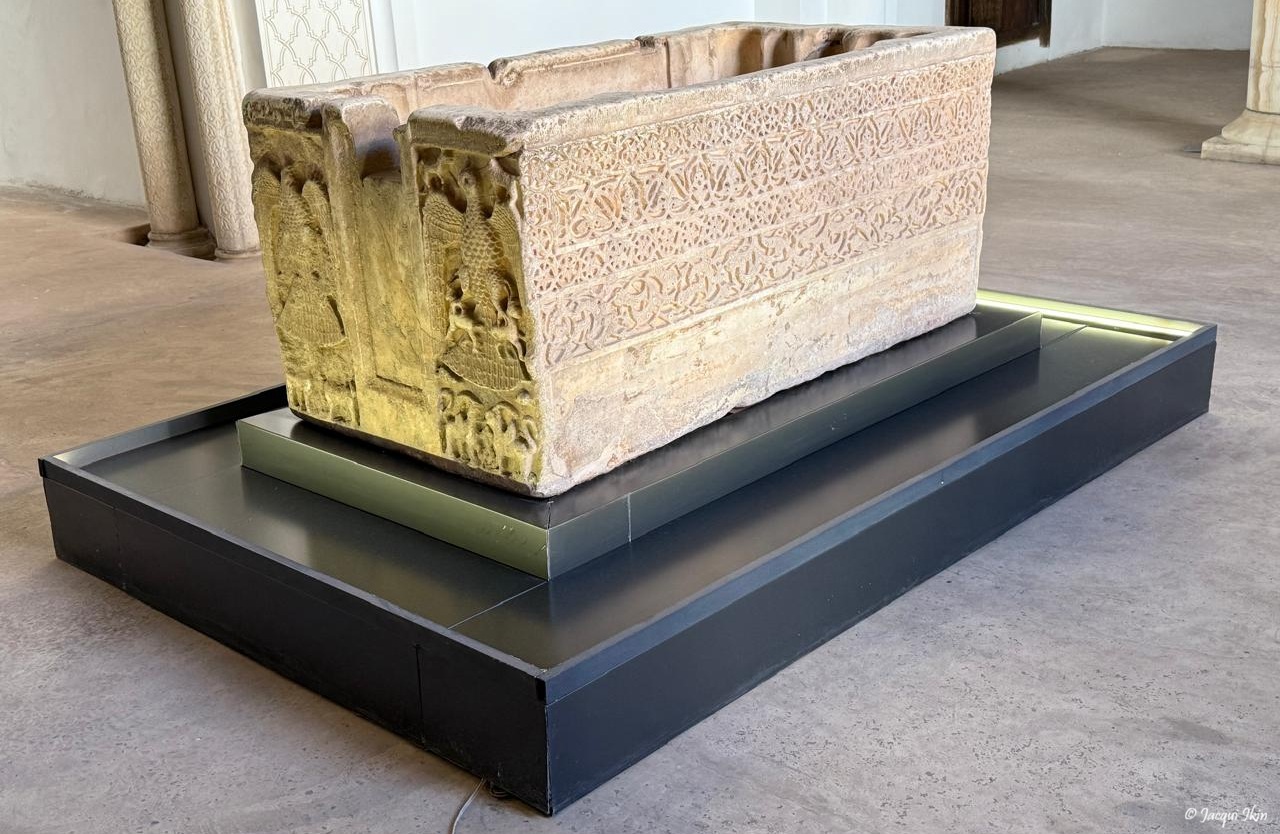
Although it was discovered in the Ibn Yusuf Madrasa in Marrakesh, which belongs to the Sa’did period (10th / 16th century), the name of the patron and the comparative study with the al-Mansur basin in the National Archaeological Museum in Madrid suggest that it was originally from Madinat al-Zahira (English: “The resplendent city”) in Córdoba (Spain).
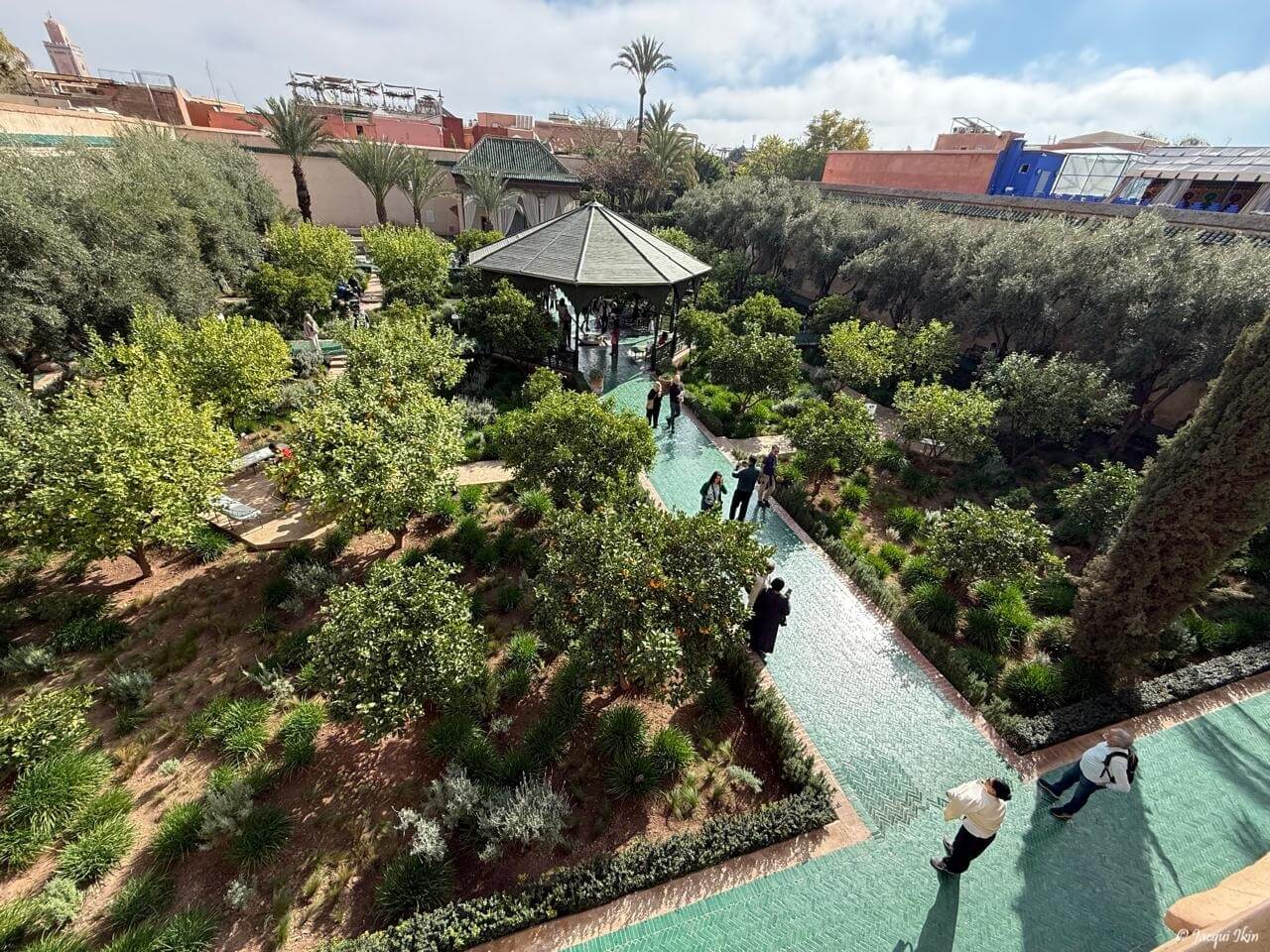
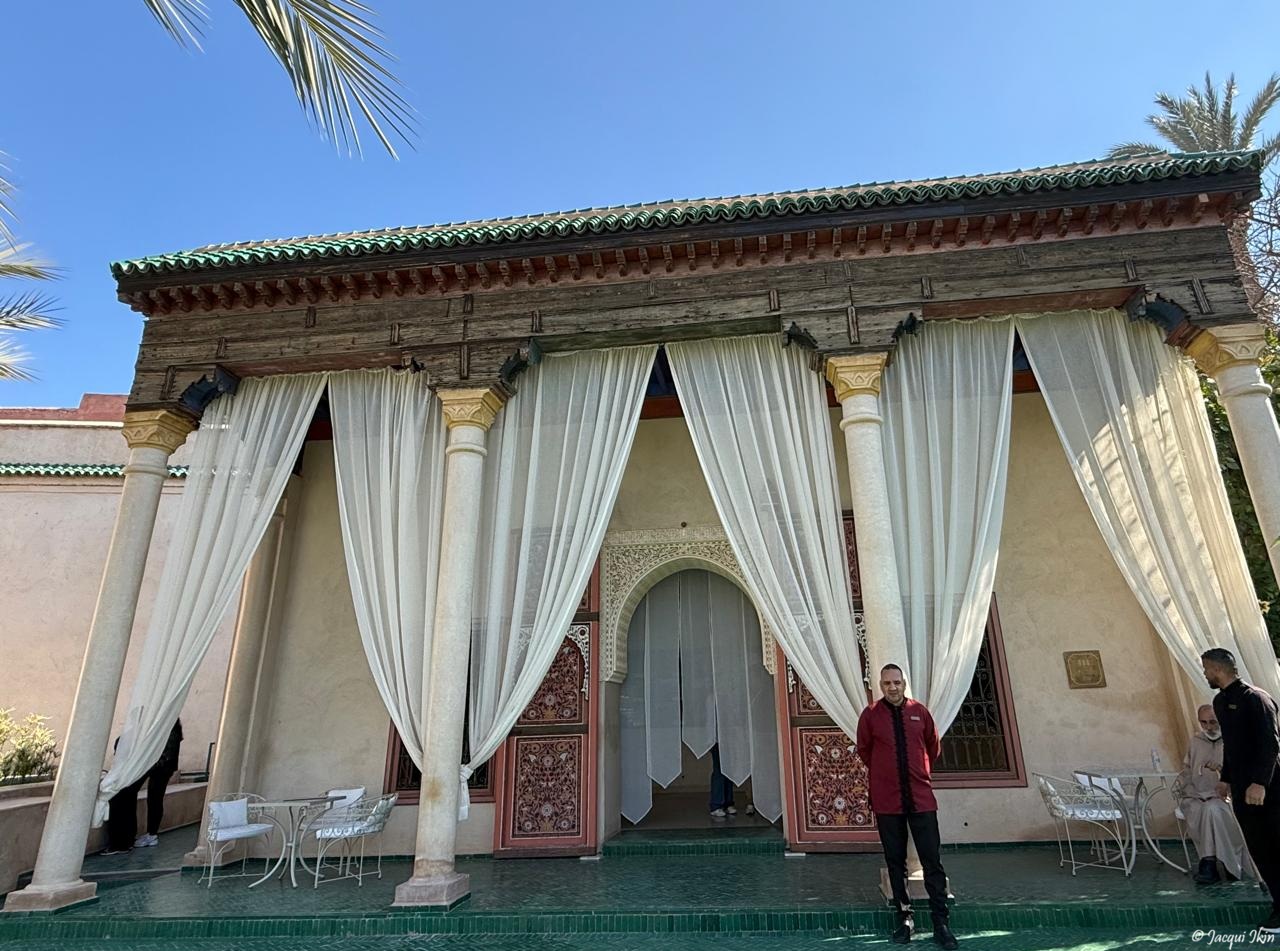
Hidden within the winding lanes of the Mouassine district, Le Jardin Secret is one of Marrakesh’s most tranquil sanctuaries – a restored palace complex where history, architecture, and nature converge. The foundations of this elegant riad date back more than four centuries, and the property once belonged to the powerful local qaid U-Bihi before passing through the hands of Marrakesh’s elite.
Yet it is the gardens, rather than the palace itself, that make this place so remarkable. Divided into two distinct spaces—an exotic garden and a traditional Islamic garden planted with fig, date, pomegranate, and olive trees—the grounds reflect centuries-old principles of Islamic landscape design, where symmetry, shade, and flowing water create an atmosphere of harmony and contemplation.
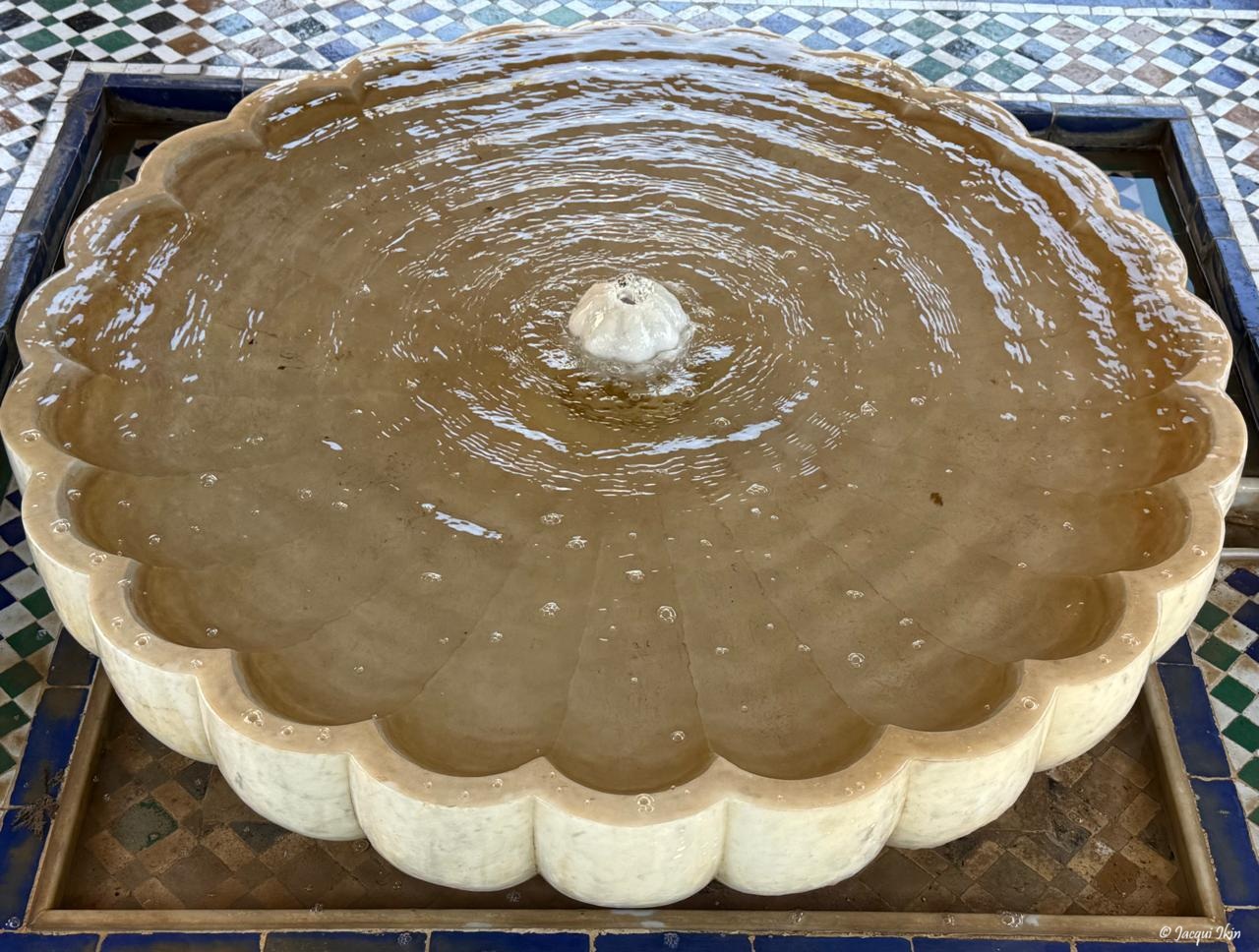
Central to the gardens is an ancient khettara, an underground irrigation system first introduced to Marrakesh by the Almoravids in the 11th century to supply water to the city’s mosques, hammams, and fountains. Rediscovered during the site’s restoration, the system now functions as a living demonstration of the ingenious water engineering that once sustained the desert city.
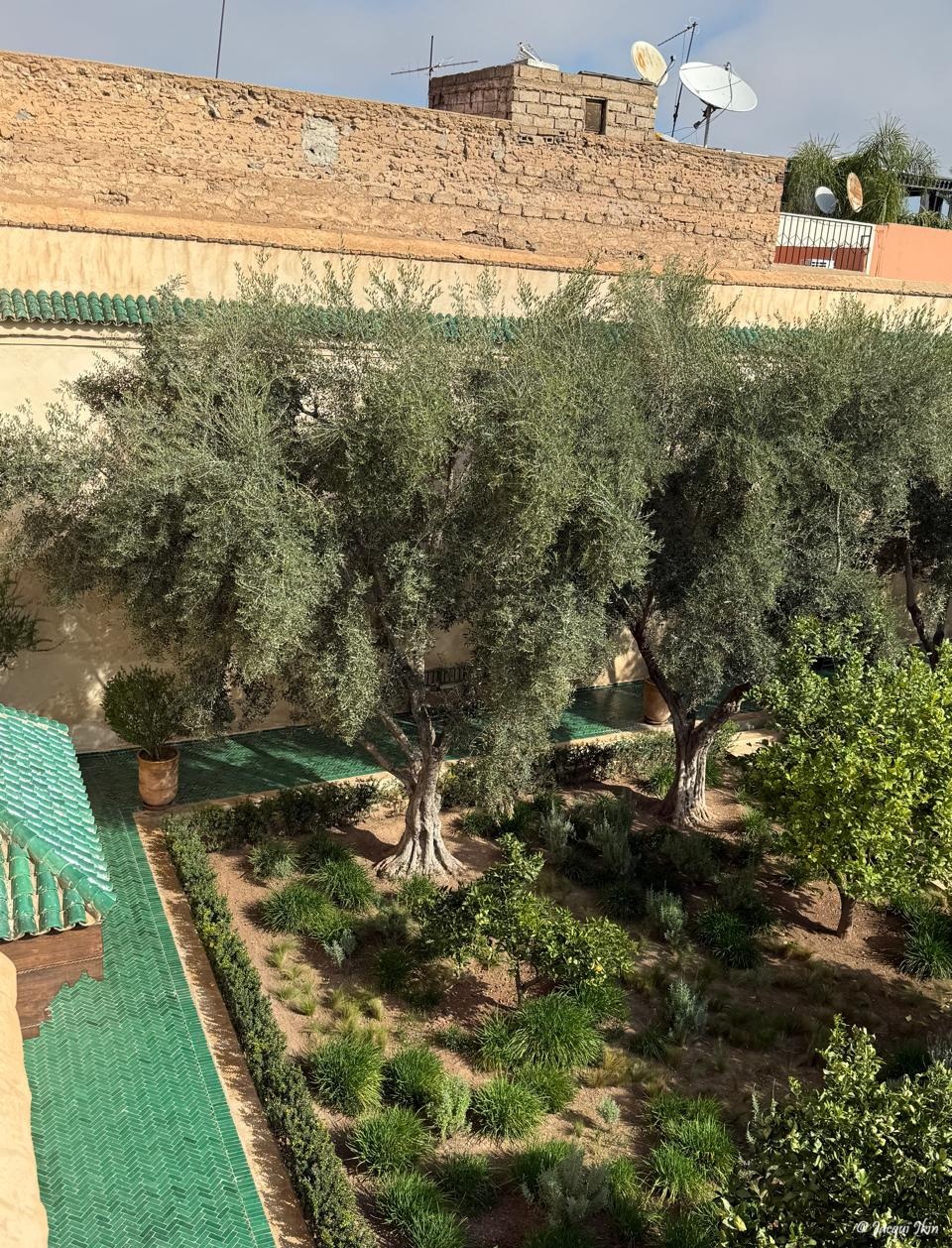
After decades of neglect, Le Jardin Secret underwent an extensive restoration led by international specialists and reopened to the public in 2016. Today it offers visitors a rare glimpse into Marrakesh’s architectural and horticultural heritage – an oasis of cool shade and quiet reflection rising unexpectedly from the vibrant bustle of the medina. A small café on the ramparts provides the perfect place to pause and take in the serenity of this hidden garden.
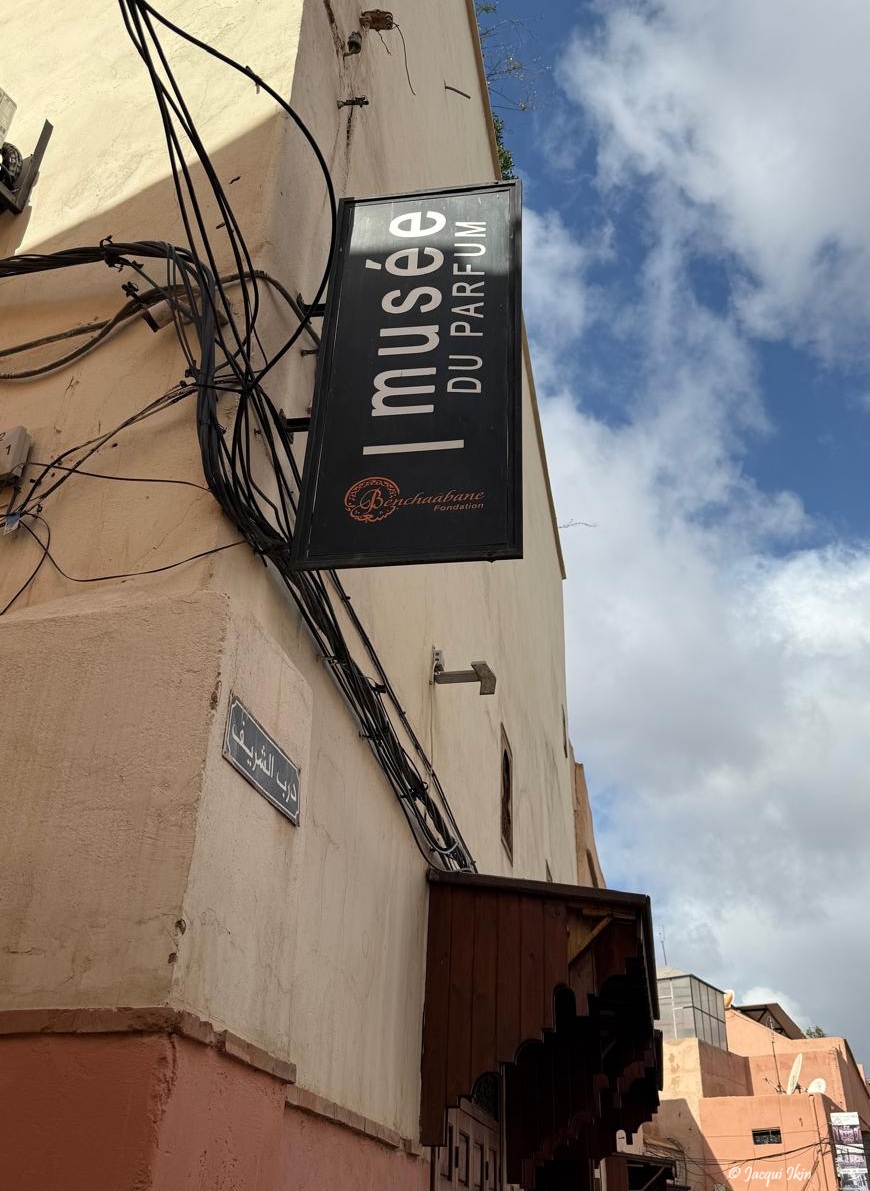
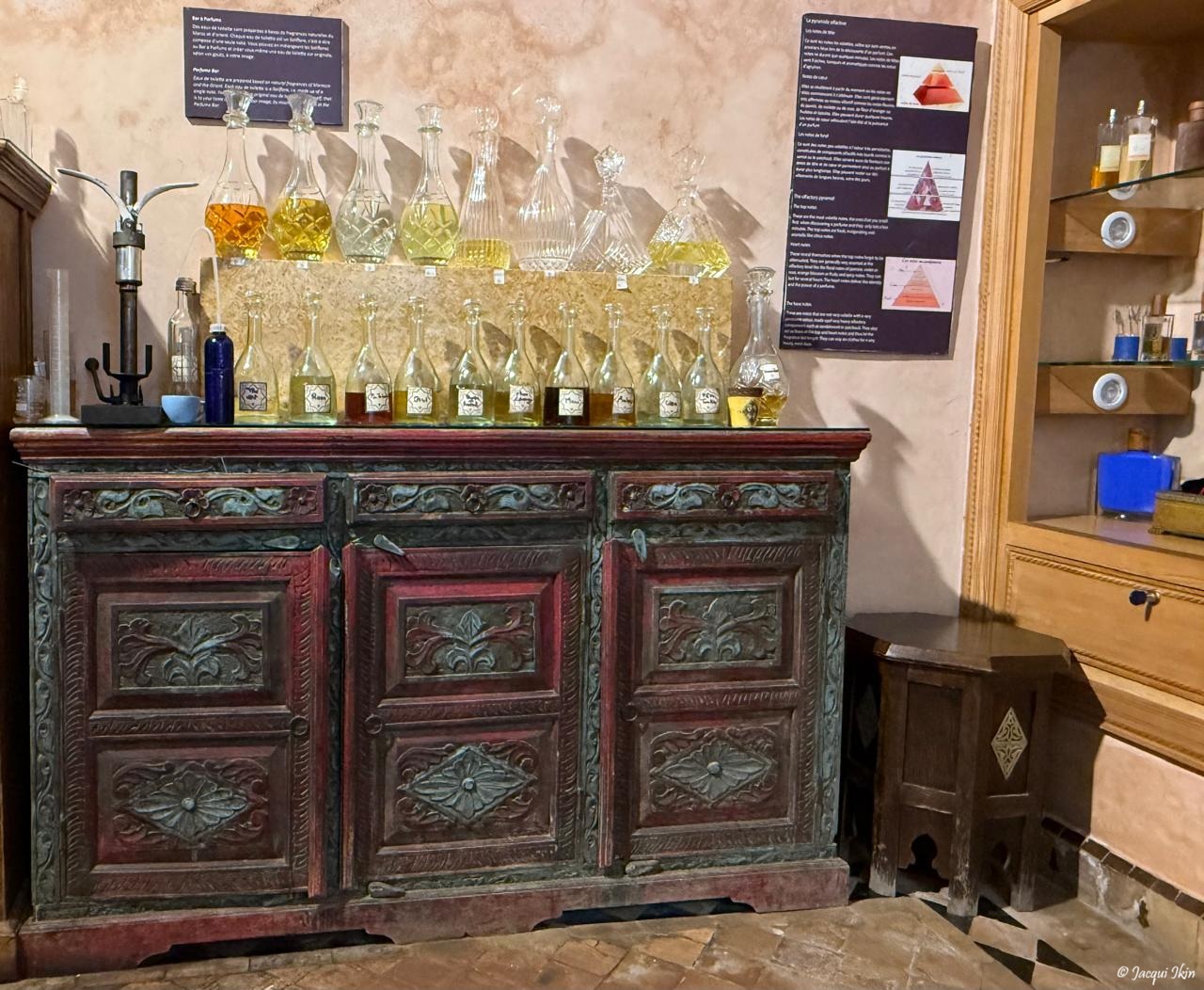
Not far from the medina’s winding streets, the Perfume Museum of Marrakesh, nestled in a nineteenth-century riad, offers a sensory journey.
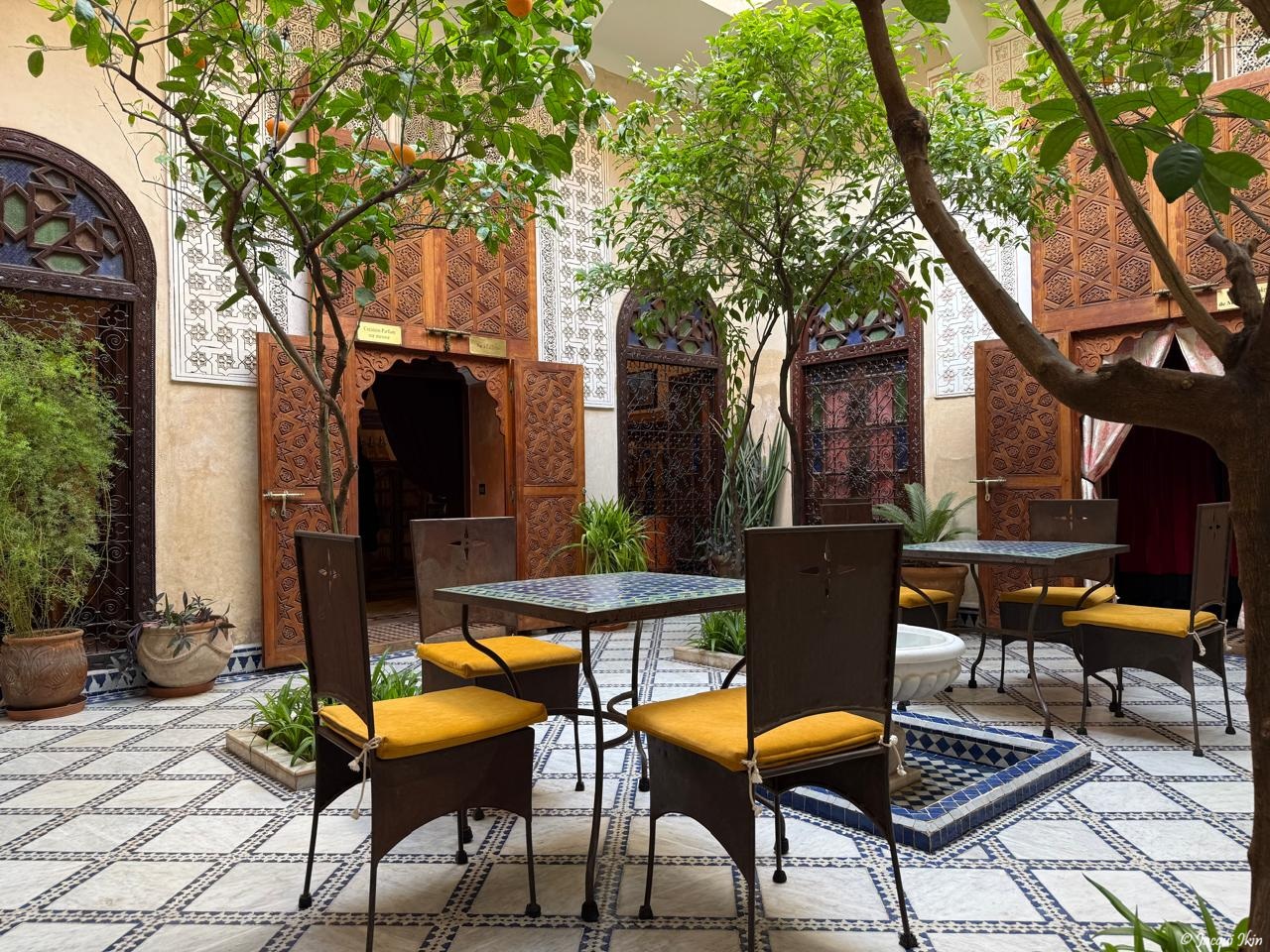
Dedicated to the art and history of fragrance in Morocco, the museum explores the country’s rich tradition of perfumes, essential oils, and aromatherapy.
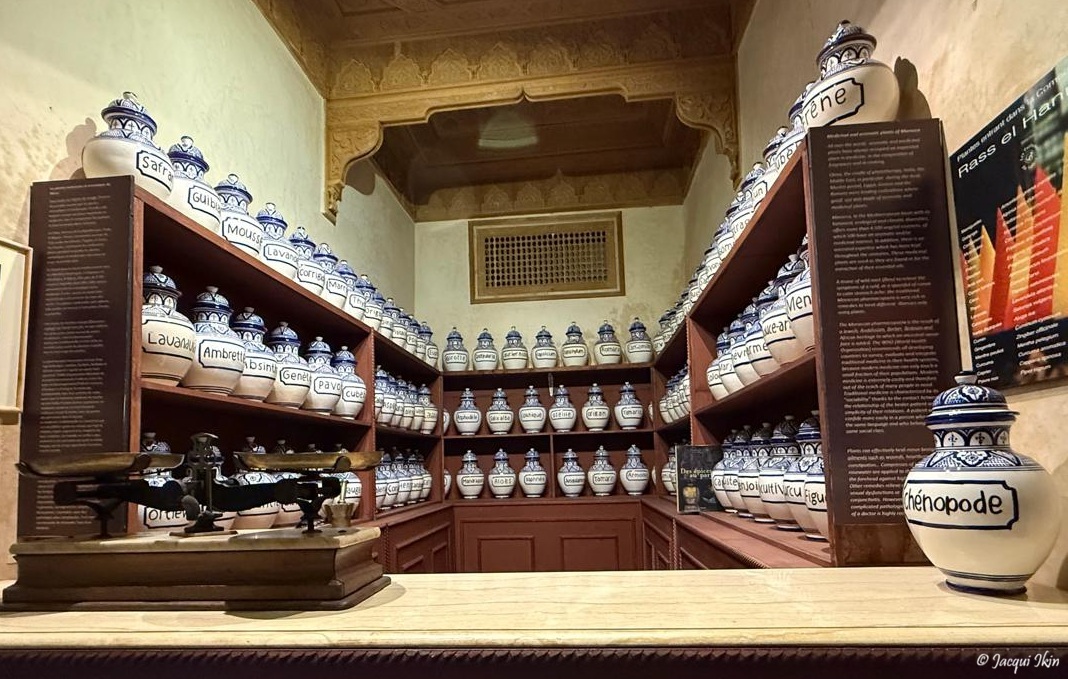
Visitors can follow the fascinating processes of distilling floral waters and extracting essential oils, while discovering collections of rare objects and medicinal plants once used in the ritual of the hammam.
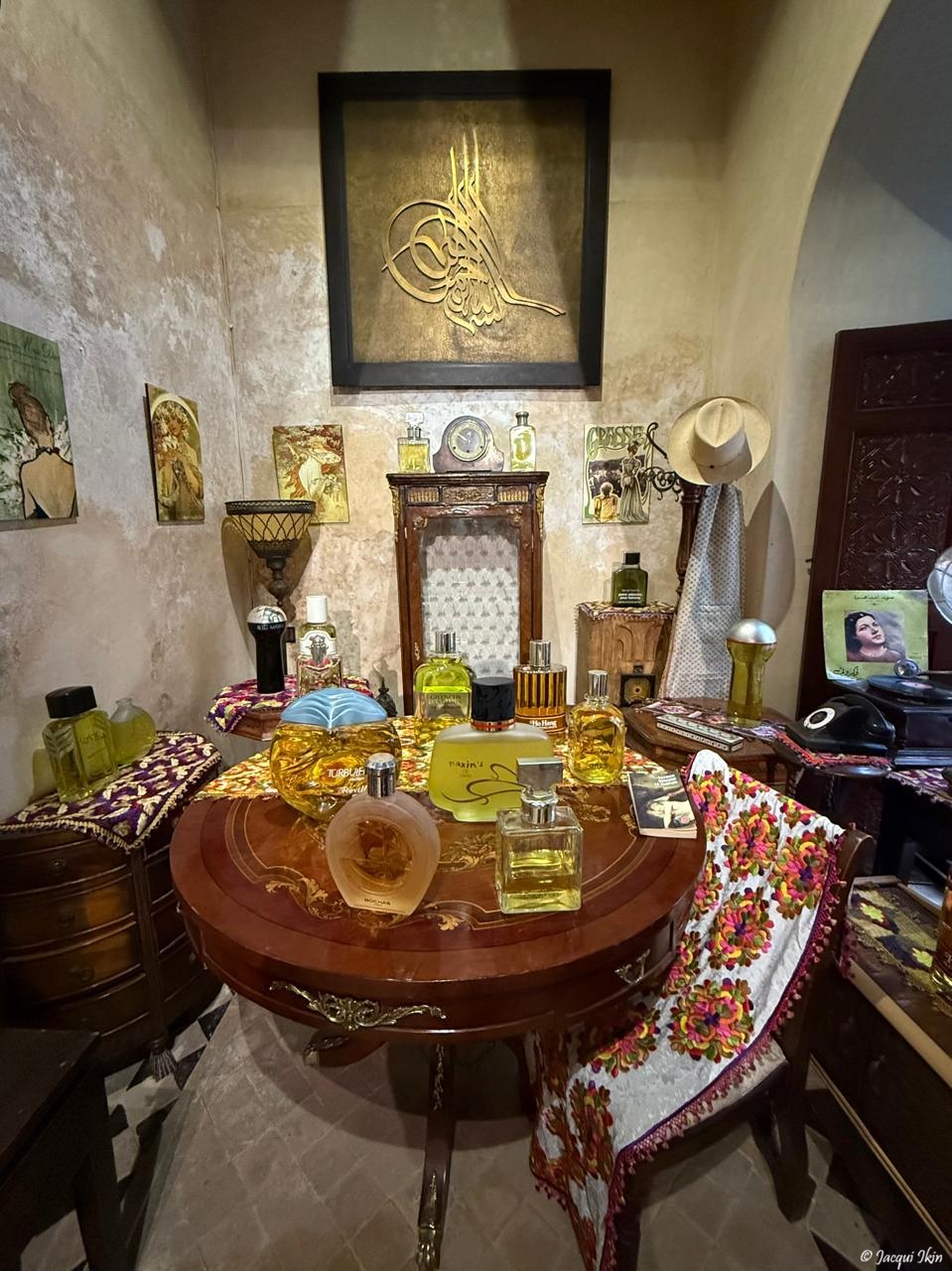
Through exhibitions, workshops, and interactive activities, guests uncover the ancestral know-how behind Moroccan perfumery and its enduring influence on culture, rituals, and well-being – an enchanting space to learn about the “seven scents” of Marrakesh.
And that, dear readers, is a wrap on Marrakesh. Words cannot begin to do it justice. I could write on its attractions for a year and still not cover all the experiences… Marrakesh is a city of contrasts that delights every sense. Its rich history, stunning architecture, and fragrant streets invite exploration, while secret corners reveal the city’s quieter, more intimate charms. Here, every alleyway and every scent tell a story, leaving visitors with memories as vivid and unforgettable as the colours of the marketplace. Marrakesh is not just a destination – it is an experience that lingers long after the journey ends.
May you too, one day, find your way to the enchantment that is Marrakesh.
Jacqui Ikin & The Cross Country Team
