
An end in sight for rhino poaching?
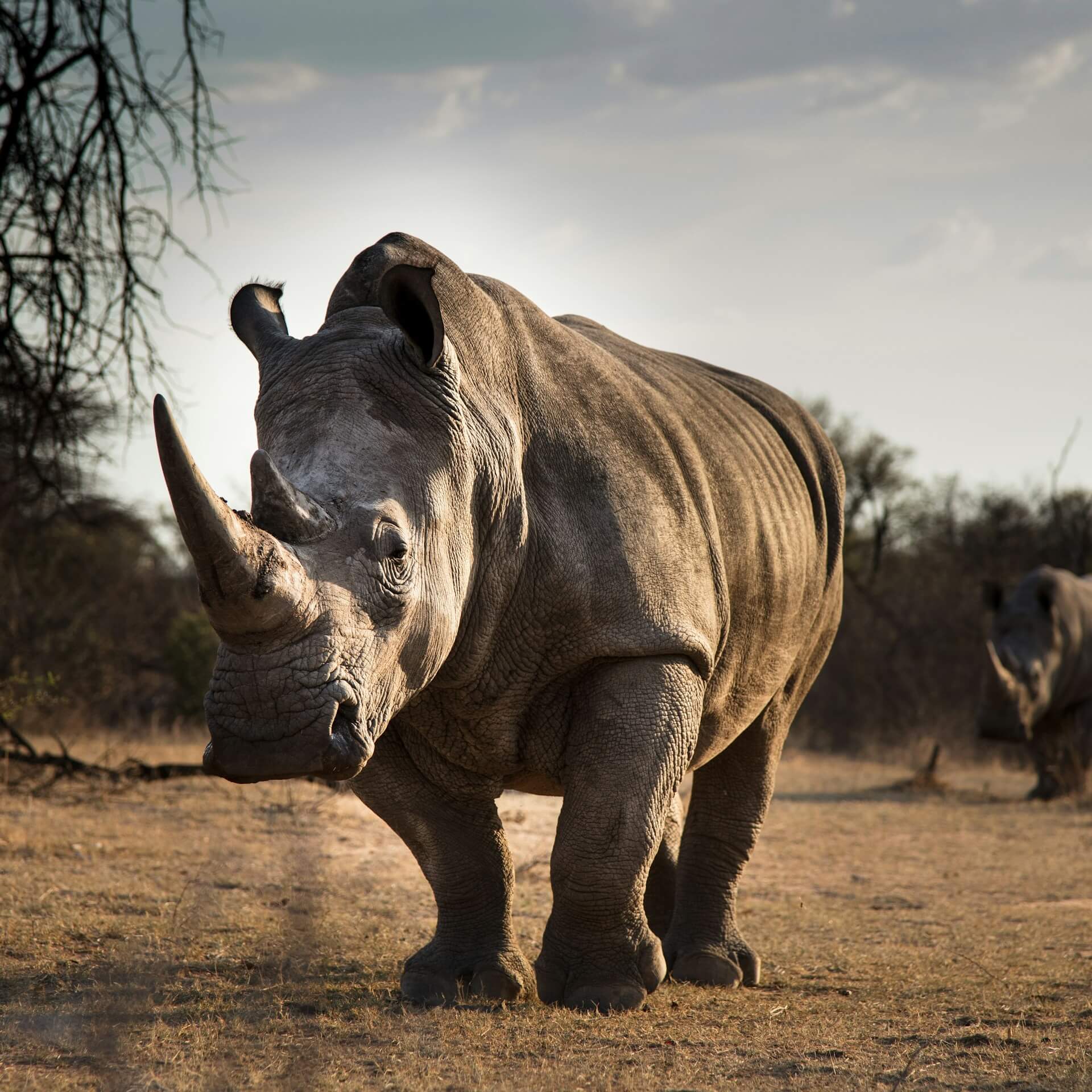
In 2010, a plethora of articles came out about poisoning rhino horns… Whilst initially it appeared to be the ‘silver billet’ we were seeking against the illegal trade, a little investigation proved otherwise.
Ed Hern (owner of the Rhino and Lion Reserve near Johannesburg), claimed that he was going to inject his rhino’s horns with poison strong enough to kill anyone consuming the horns – or at the very least, make them seriously ill. In theory, just the threat should have stopped the trade. However, it was made clear that the poison was (obviously) not affecting the rhinos. The idea was rolled out across the country and known as the Rhino Rescue Project. Horns would be drilled and filled with highly toxic ectoparasiticides, which are also used to control ticks etc. This substance, whilst not lethal to humans in small quantities, is still toxic and can induce nausea, vomiting and convulsions (all dosage dependent). Many reserves erected signage to warn potential poachers that their rhinos’ horns had been treated; others added a bright colour dye as well, focusing on the goal of deterring the poachers prior to them killing the animal.
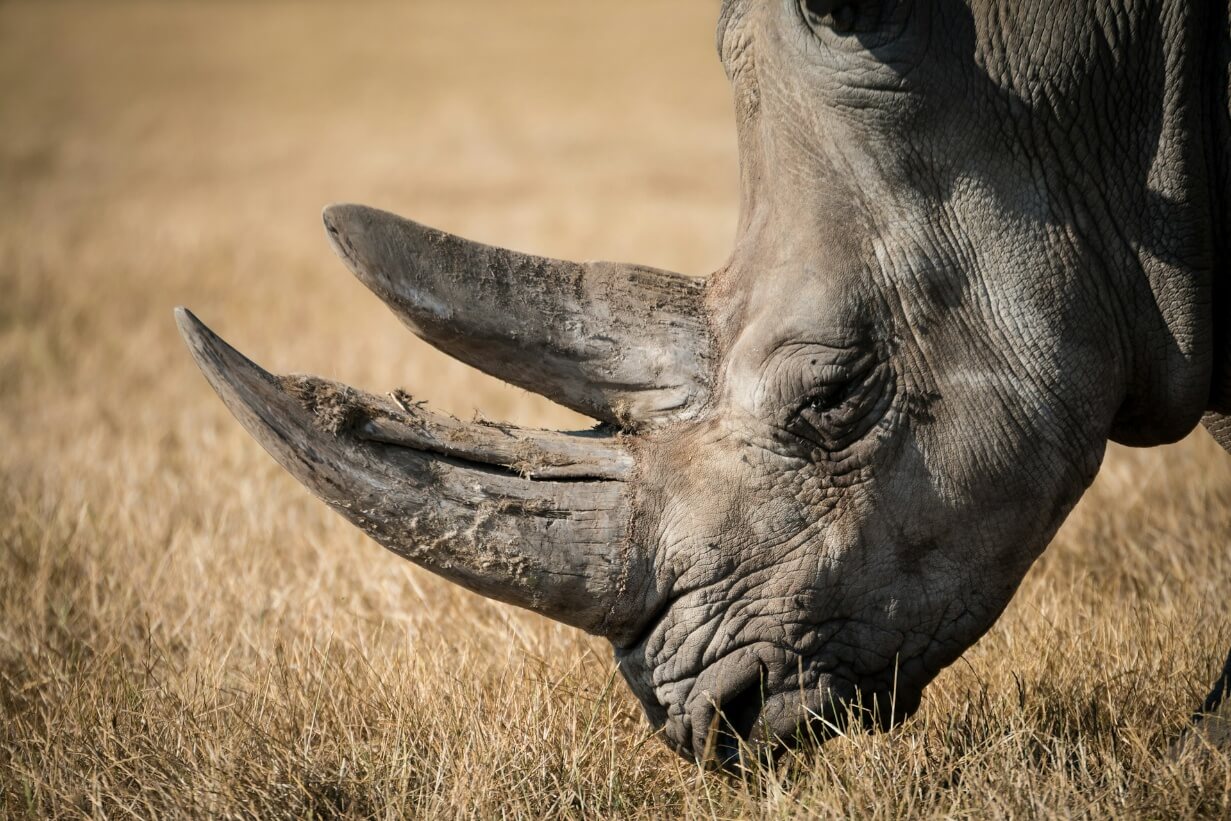
For this method to work, two sets of criteria needed to be met. Initially, the poachers should be deterred from killing rhinos with poisoned horns, and secondly, consumers should be sufficiently afraid to consume the substance. Neither worked. Even if they knew, poachers would still sell the horns to a middleman for a large sum of money. The primary mistake was believing that a level of morality existed in poachers. Even if the dye was initially visible, horns get scuffed and stained by mud etc – rendering the dye invisible. If the dye was still obvious, poachers simply moved their area of operation elsewhere. There was simply neither the funding nor time to infuse all rhino horns. Beyond that, there is risk to the rhino every time it is darted for a procedure of any kind.
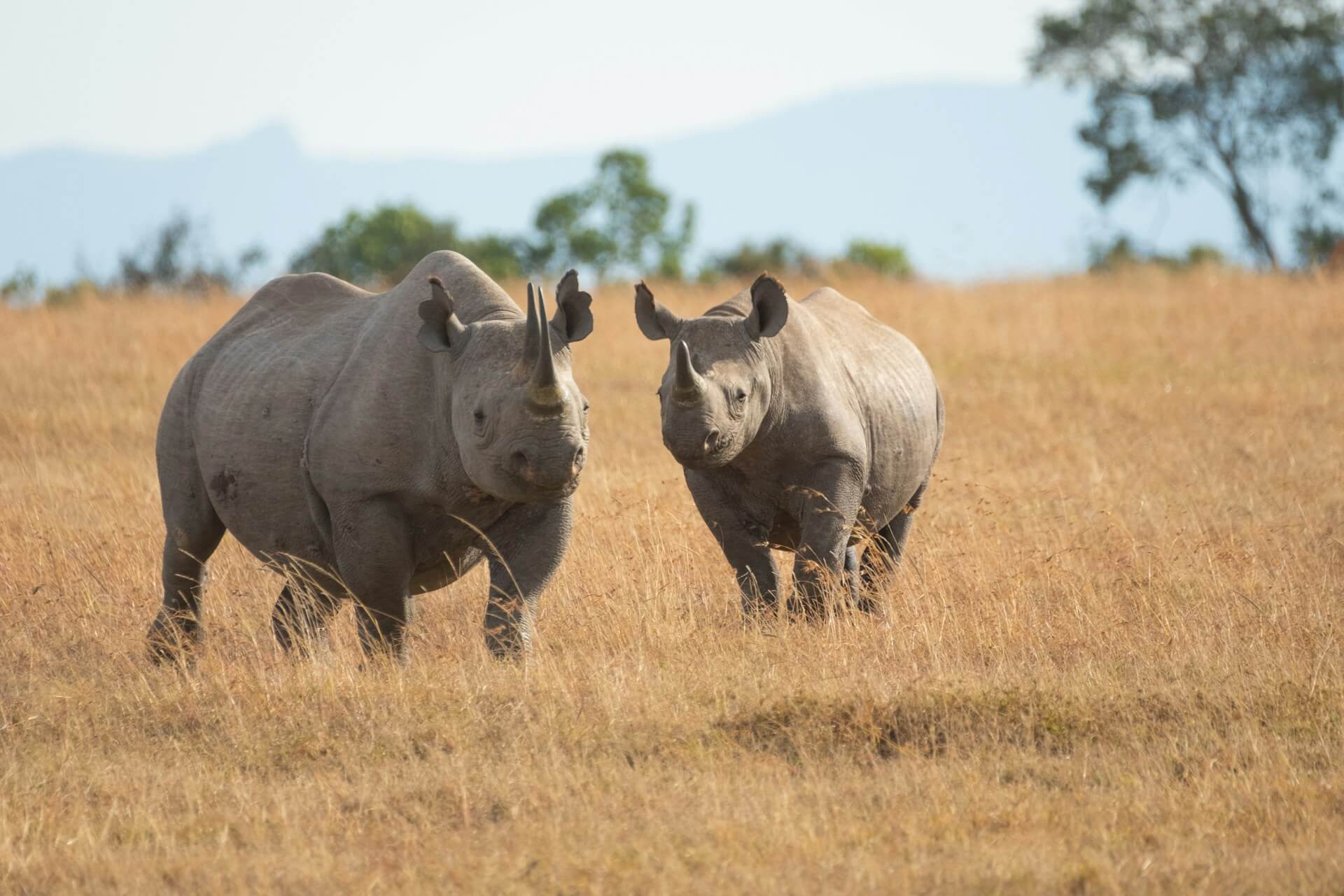
The second assumption that went awry was that the consumers in Asia would care – if they even knew. There was very little publicity of the concept in Vietnam or China, and there doesn’t appear to have been any impact on consumer behaviour in Asia. One article stated that “Even if the consumers did become aware of the risk of poisoning, this could lead to a dangerous mindset of ‘What doesn’t kill you makes you stronger’. The initial concept of deterrence could have the exact opposite effect. If person consumes rhino horn and nothing happens to them, they may believe that they have ‘conquered’ the poison, or that the rhino horn is so ‘magical’ that it is counteracted the poison itself, and they will continue to buy rhino horn believing in its curative properties.” There was also research done on how far the poison penetrated the horn. The answer was that it didn’t. So, consumers cut out the dyed parts and used the rest. There was simply no winning using this approach.
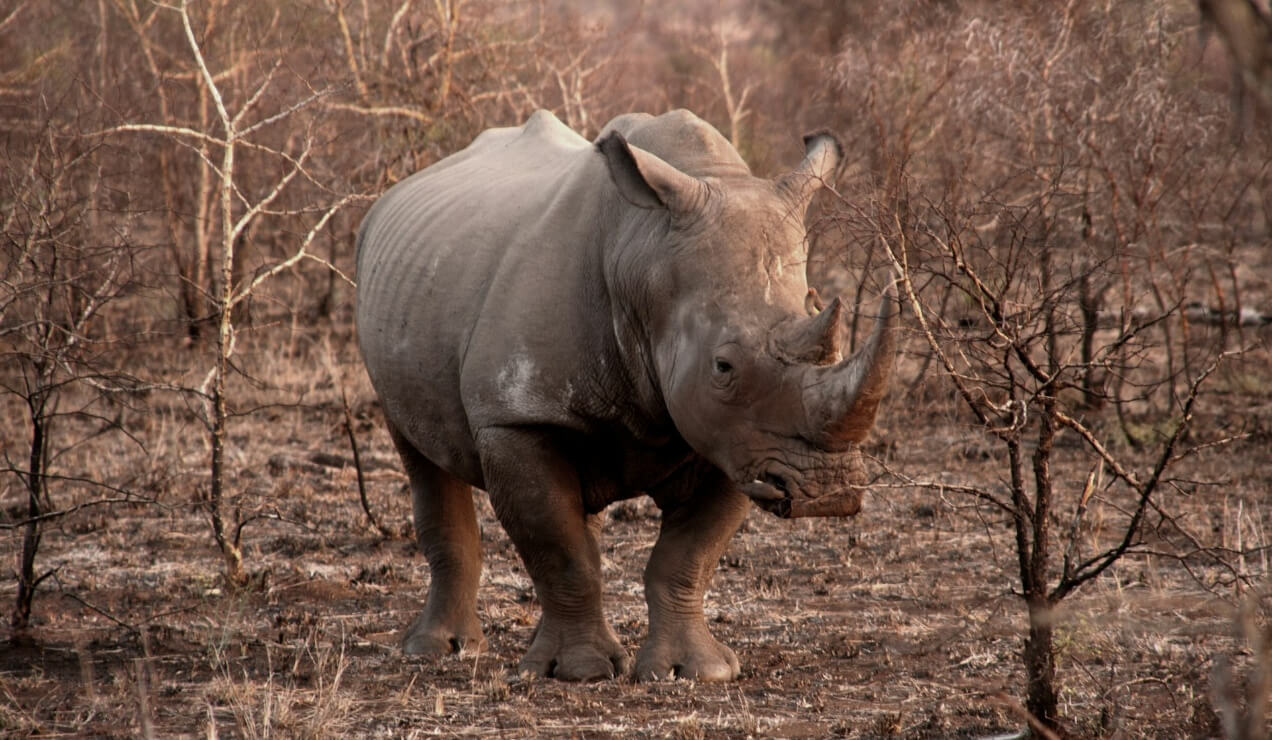
The dehorning of rhino was an even earlier method of theoretically protecting rhino. Initially it gained traction. There was significantly less poaching of the de-horned animals. That said, as the price of rhino horn skyrockets, it is financially viable for the poachers to kill an animal simply for what is left of the animal’s horn. They also kill the dehorned animals so that in the future they are not wasting their time tracking a dehorned animal.
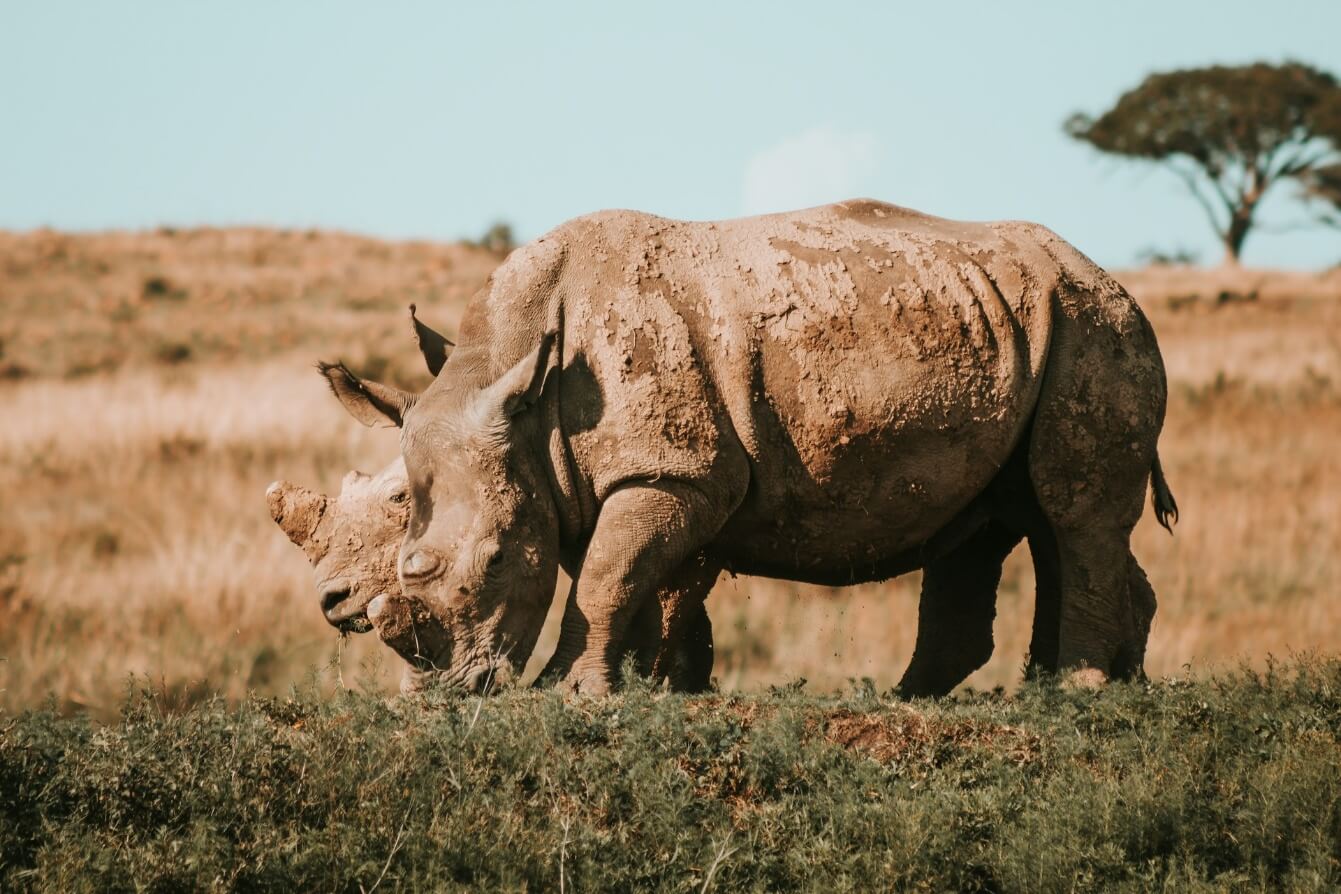
South Africa has the largest rhino population in the world, and in 2024, 420 rhinos were poached here. That’s more than one per day. Which is part of the reason that our country has been at the forefront of the research. To this end, an anti-poaching campaign in which rhinos’ horns will be injected with a radioactive material has just been launched (1 August 2025). Whilst completely harmless to the rhinos (confirmed by a pilot study of 20 rhino), it will allow customs officers to detect smuggled horns across the world. This venture, called the Rhisotope Project, cost around £220,000 ($290,000) and involved six years of research and testing. In a nutshell, low-level radioactive isotopes are embedded in the horns, which are detectable.
“We have demonstrated, beyond scientific doubt, that the process is completely safe for the animal and effective in making the horn detectable through international customs nuclear security systems,” says Wits University Professor James Larkin who is also the Chief Scientific Officer of the Rhisotope Project. On his LinkedIn profile, James Larkin is listed as “Adjunct Professor at University of the Witwatersrand. Past Chairman, International Nuclear Security Education Network (INSEN). Project Leader, The Rhisotope Project.” And he just might be the Knight in Shining Armor that the rhinos have been waiting for.
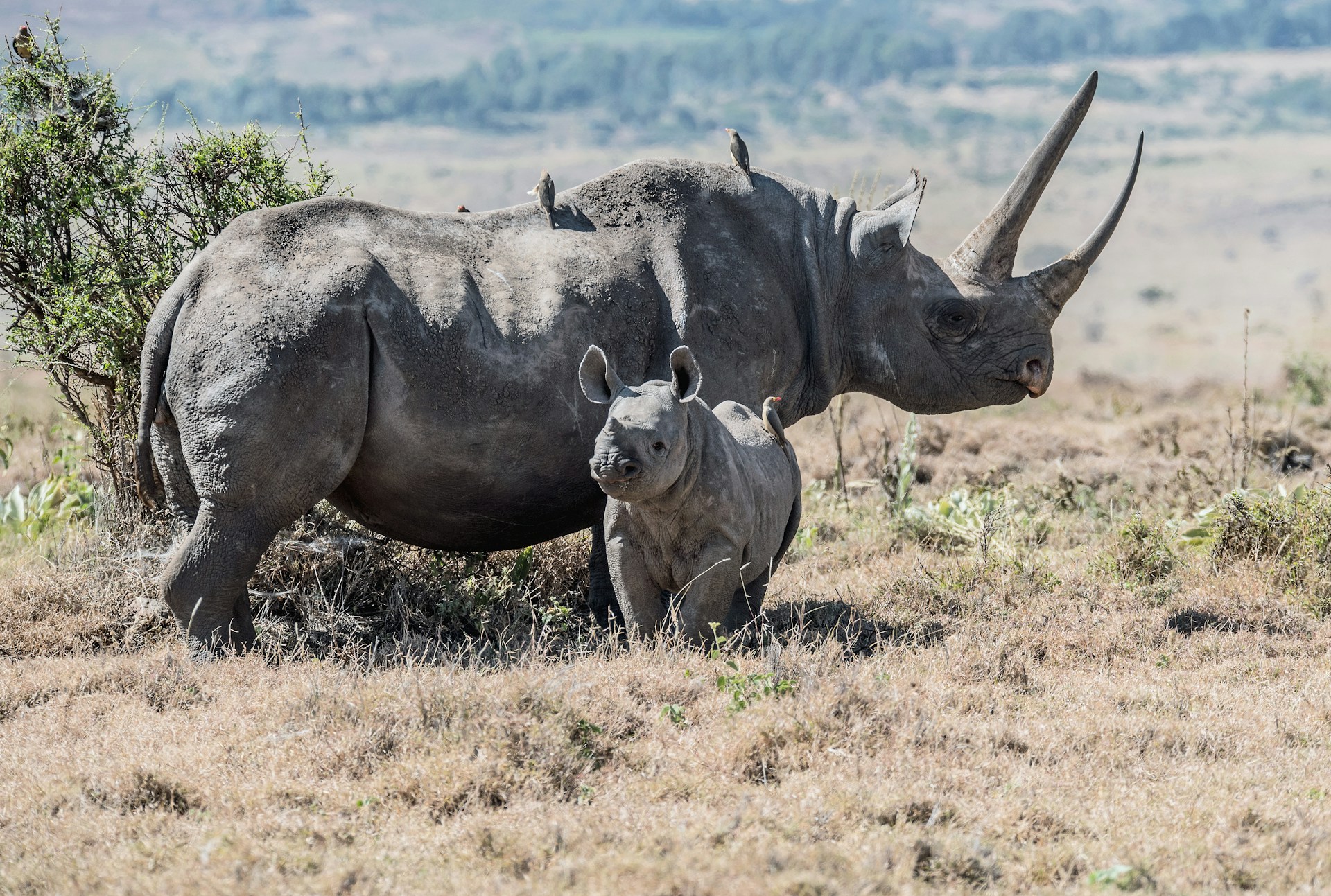
They apparently “simulated transport scenarios with 3D-printed horns on carry-on luggage, air cargo shipments and priority parcel delivery systems and in each case, even a single horn with significantly lower levels of radioactivity than what will be used in practice successfully triggered alarms in radiation detectors.” Tests also confirmed that individual horns could be detected inside full 40-foot shipping containers. (see article in info block). Jessica Babich, head of the Rhisotope Project, said: “Our goal is to deploy the Rhisotope technology at scale to help protect one of Africa’s most iconic and threatened species.”
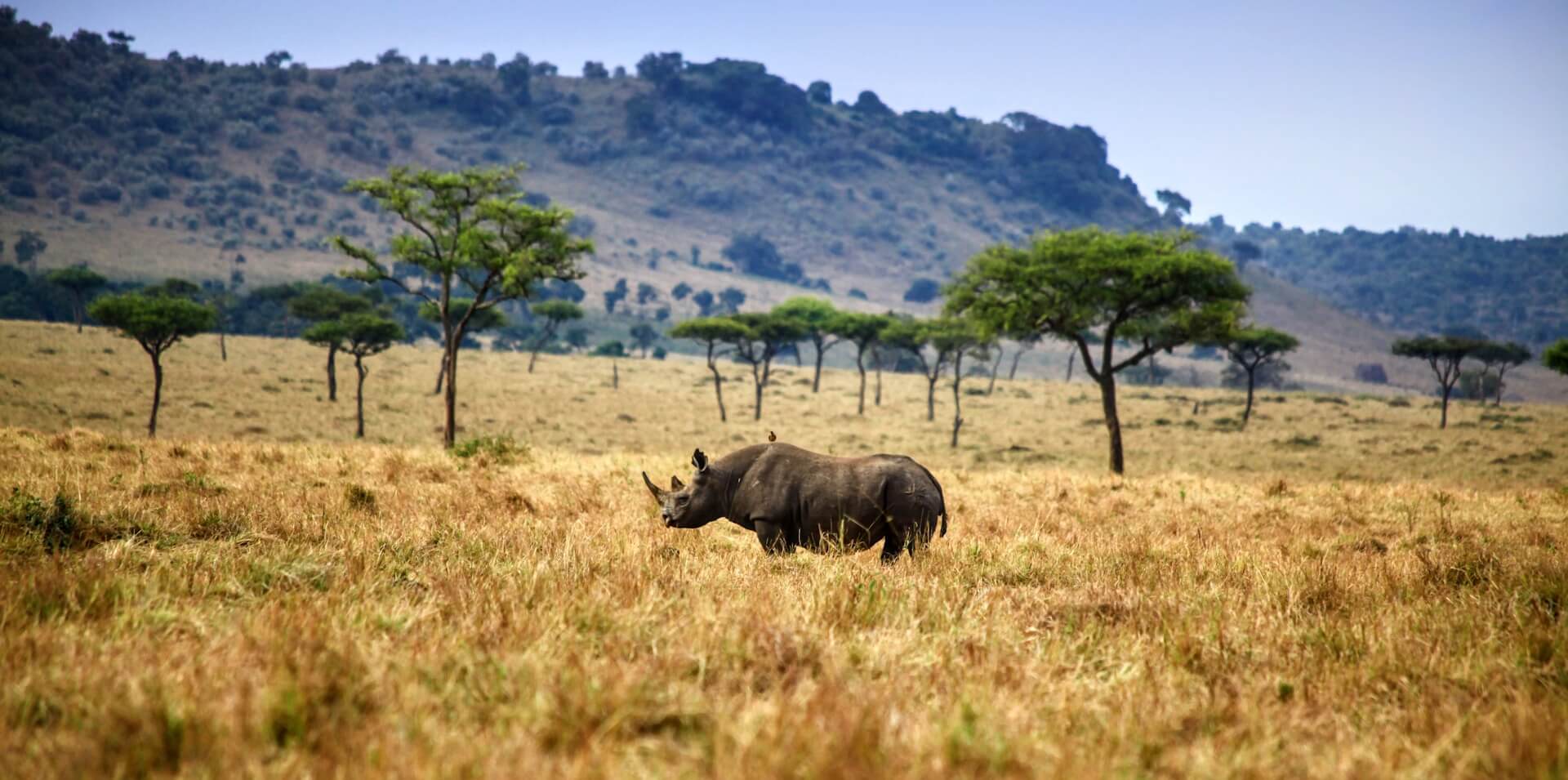
It is sad that, as a species, rhinos need a part of their body to be made radioactive to survive. However, in conservation, one needs to assess the situation for what it is and find solutions within those parameters to resolve the challenges. Let’s hope that this is the solution that finally resolves the unthinkable slaughter of these magnificent animals…
Jacqui Ikin & The Cross Country Team
INFO BOX:
Rhisotope Project goes live
https://www.wits.ac.za/news/latest-news/research-news/2025/2025-07/rhisotope-project-goes-live.html
Scientific innovation offers new weapon against rhino poaching
https://www.youtube.com/watch?v=hy9nHT3p4fg
