
Small creatures, enormous impact!
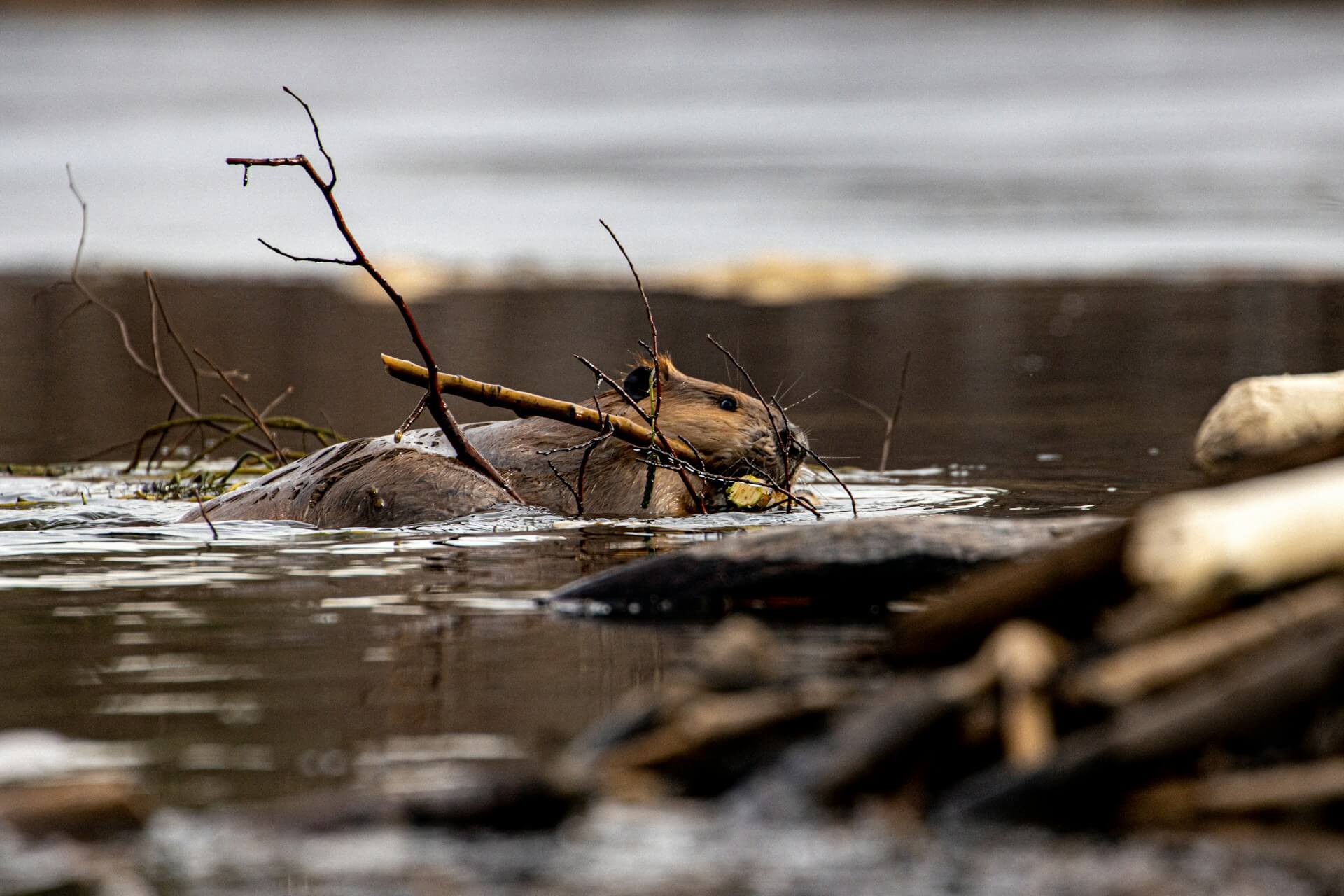
When we talk about ecosystem engineers, we automatically think of huge mammals that change the environment by their sheer bulk. There are, however, many animals that are significantly smaller, that alter the landscape – some are medium-sized animals such as the beaver, and some are tiny insects like termites.
Beavers are considered ecosystem engineers because by raising water levels, slowing water speed and changing water direction, they dramatically alter the landscape and create new habitats, benefiting a wide range of other species. They modify their environment to suit their needs, and in doing so, they create a more diverse and resilient ecosystem.
The beaver lodge is designed as their home, keeping them and their kits (young) safe. But, in the process, they do so much more… They boost biodiversity – the pools and slow-moving channels of water that beavers create around their lodges attract a large variety of insect life, fish, and amphibians. These, in turn, brings in birds, bats, and other small mammals.
The beaver dams, with the web of waterways that spread out around them, and all their sticks and branches, can hold back vast amounts of water – which helps to slow the overall speed of the flow downstream. This enables underground water tables to recharge. This can also mitigate the impact of flooding on farmland and in urban areas. Their dams also act like sponges, slowly releasing water through their permeable structure – this means lots of small pools and braided streams which form in upland areas.
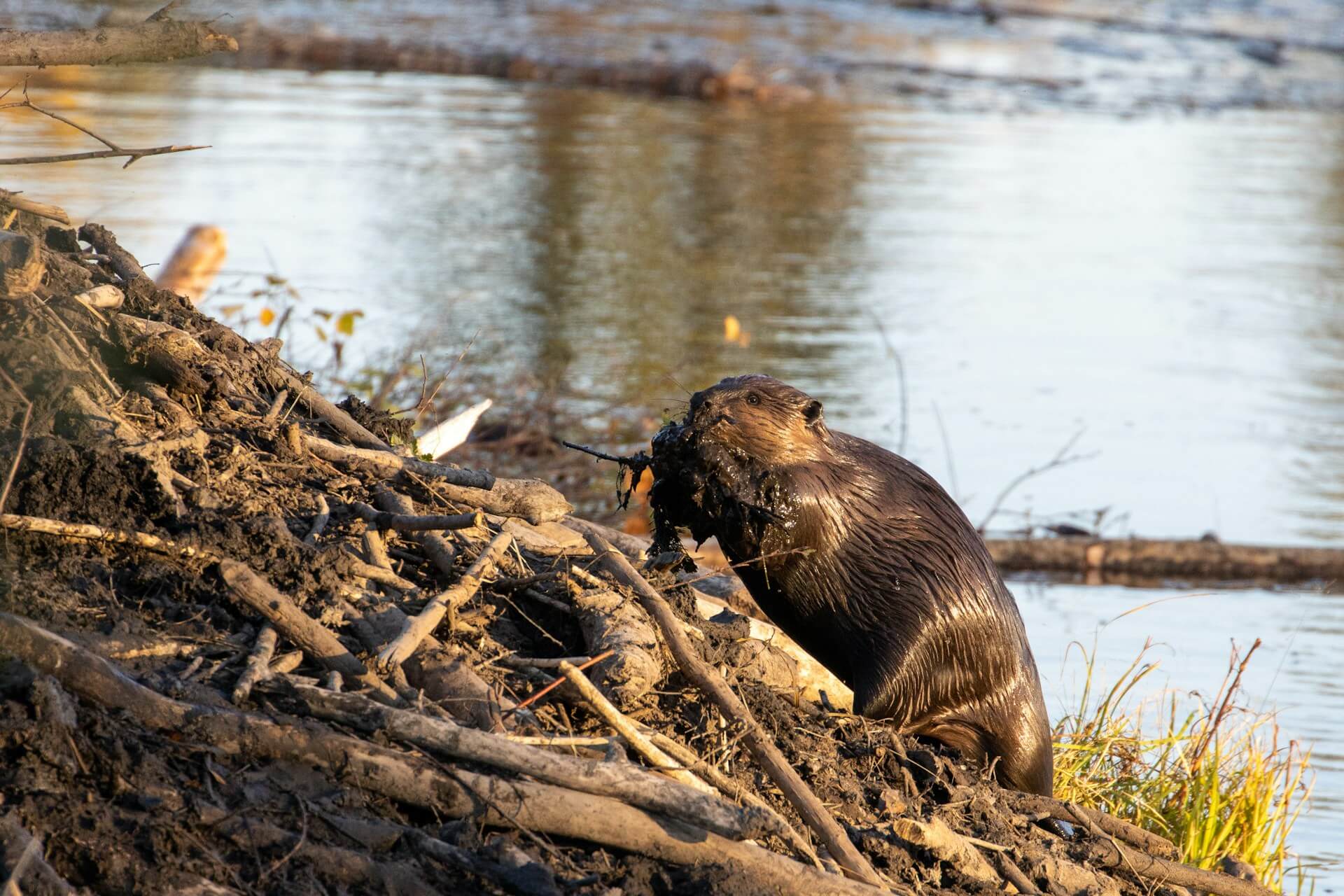
Their masterful engineering skills, when given free rein on a large enough scale, create landscapes that can become a natural barrier that stops fire from spreading further. Just the lush, green vegetation found in and around beaver habitats is enough to dampen the progress of a fire. Beavers are also water purifiers, and their dams act as giant sieves which trap sediment containing nitrates and phosphates from agriculture. During periods of drought, the beaver’s deep ponds and canals mean that, when everything around it is drying up, their countryside doesn’t. Beaver ponds also remain cool in summer, allowing temperature-sensitive fish such as salmon to thrive.
Despite their critical role, they were hunted to near-extinction for food, pelts and medicine in the early 20th century. That is now being reversed, and thanks to government officials, scientists and conservationists, the species is making a comeback, with estimates of 10-15 million beavers in North America alone.
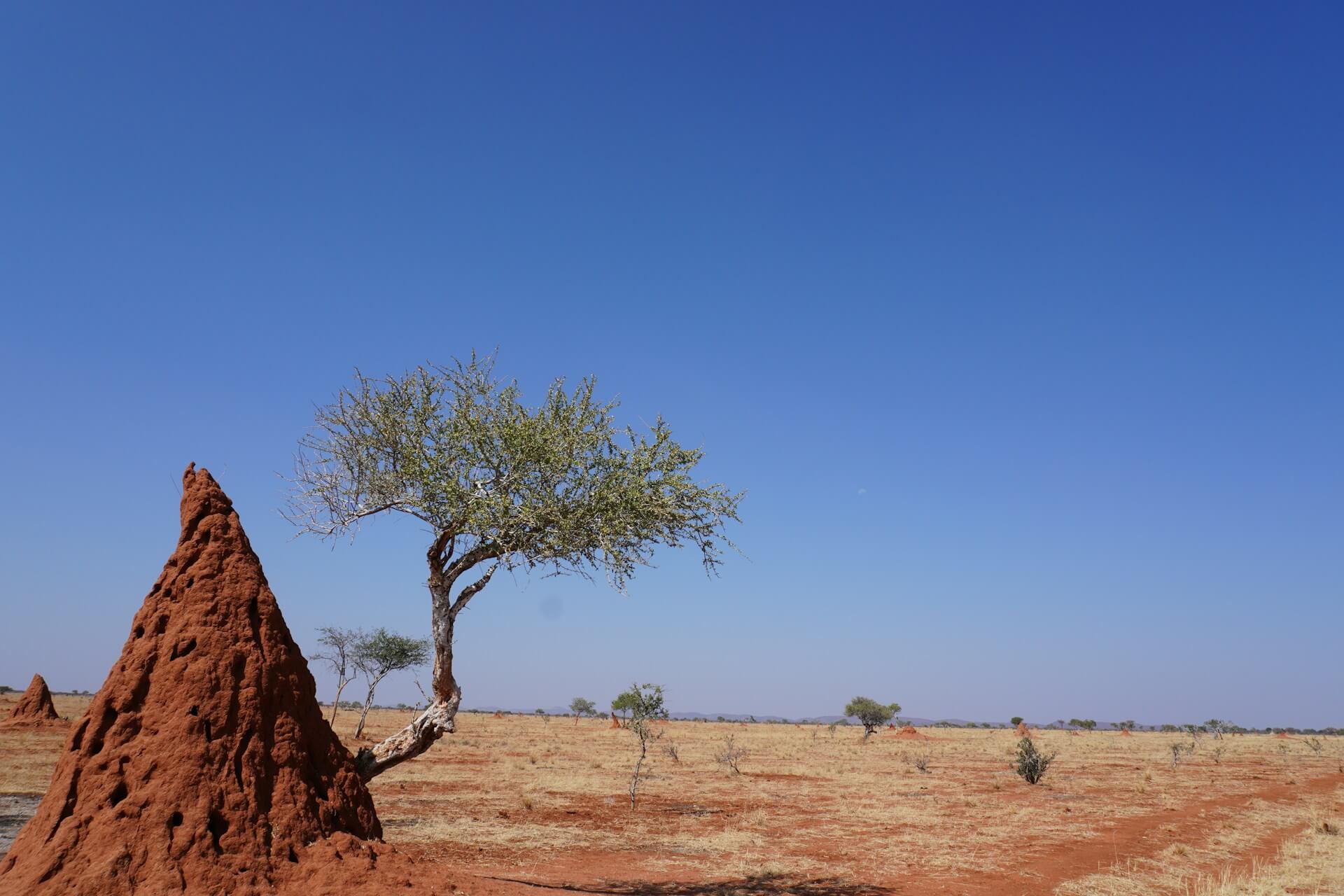
Termites have the proud titles of being both ecosystem engineers and keystone species – but how does this all work? Termites can build mounds so high that they appear to be reaching for the sky. They all have an extraordinarily complex subterranean system of tunnels and chambers, which are able to control temperatures and humidity to within a degree.
How often have you noticed a tree growing from a termite mound? Their constant tunnelling and excavating brings nutrients, air and water into the depths of the soil, which helps trees and other plants to grow better. The mounds become fertile islands of productivity – they even have their own ‘gardens’ where they grow fungus deep underground for food. This helps to distribute nutrients throughout the soil, acting as subterranean fertilizer. When the spores happen to escape their subterranean prison and reach the exterior of the mound, because they are no longer limited, they flourish into huge mushrooms which make a truly delicious breakfast!
The termite activities, like mound building and soil turnover, influence nutrient cycling, water availability, and plant growth. The entire ecosystem’s structure and function is affected. Their mounds also provide shelter and nesting sites for numerous other species. In addition to the termites themselves, these structures can be home to a diverse range of beetles, millipedes, mongooses, barbets, spiders, snakes, lizards, geckos, frogs, toads, wild dogs, hyenas, and even warthogs and aardvarks.
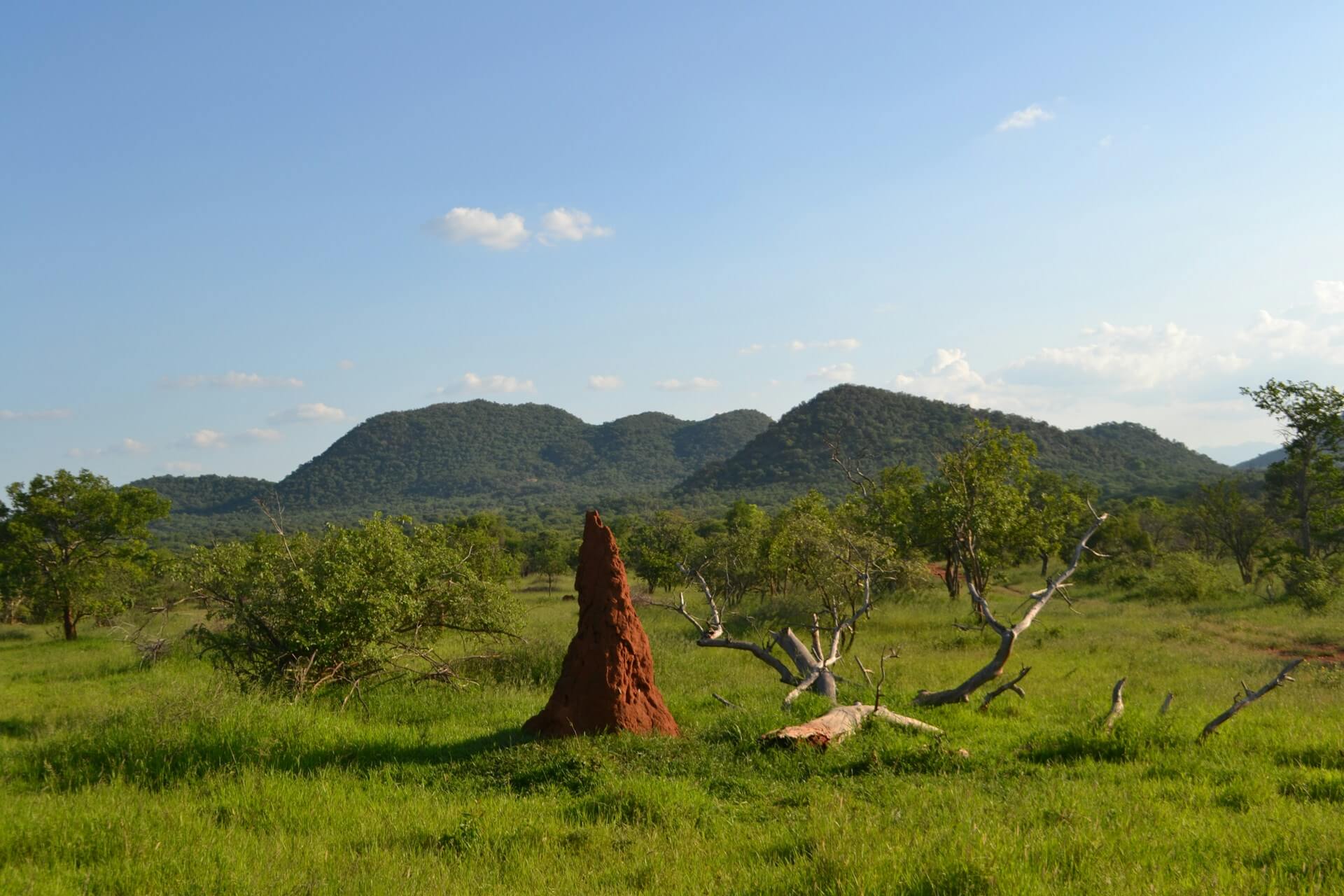
If termites disappeared, the world’s ecosystems would be significantly impacted. Termites play a critical role in breaking down dead wood (cellulose) and recycling nutrients, and their absence would lead to a massive buildup of dead plant matter, affecting soil fertility and potentially impacting other organisms that rely on termites for food or habitat.
In next week’s article, we move to the oceans to explore some unlikely ecosystem engineers found in that habitat.
Jacqui Ikin & The Cross Country Team
INFO BOX:
How Beavers Engineer the Land:
https://www.youtube.com/watch?v=mjnEyfvvO5A&t=14s
Why Do Beavers Build Dams?
https://www.youtube.com/watch?v=aDbIAy9sMHk
Amazing World of a Termite Mound:
https://www.youtube.com/watch?v=PHNrRtlBu6M
Termites: The Tiny Eco-warriors of the Bush:
https://www.youtube.com/watch?v=e0gtH8lZ5gI&t=18s