Endless Oceans and their little architects…
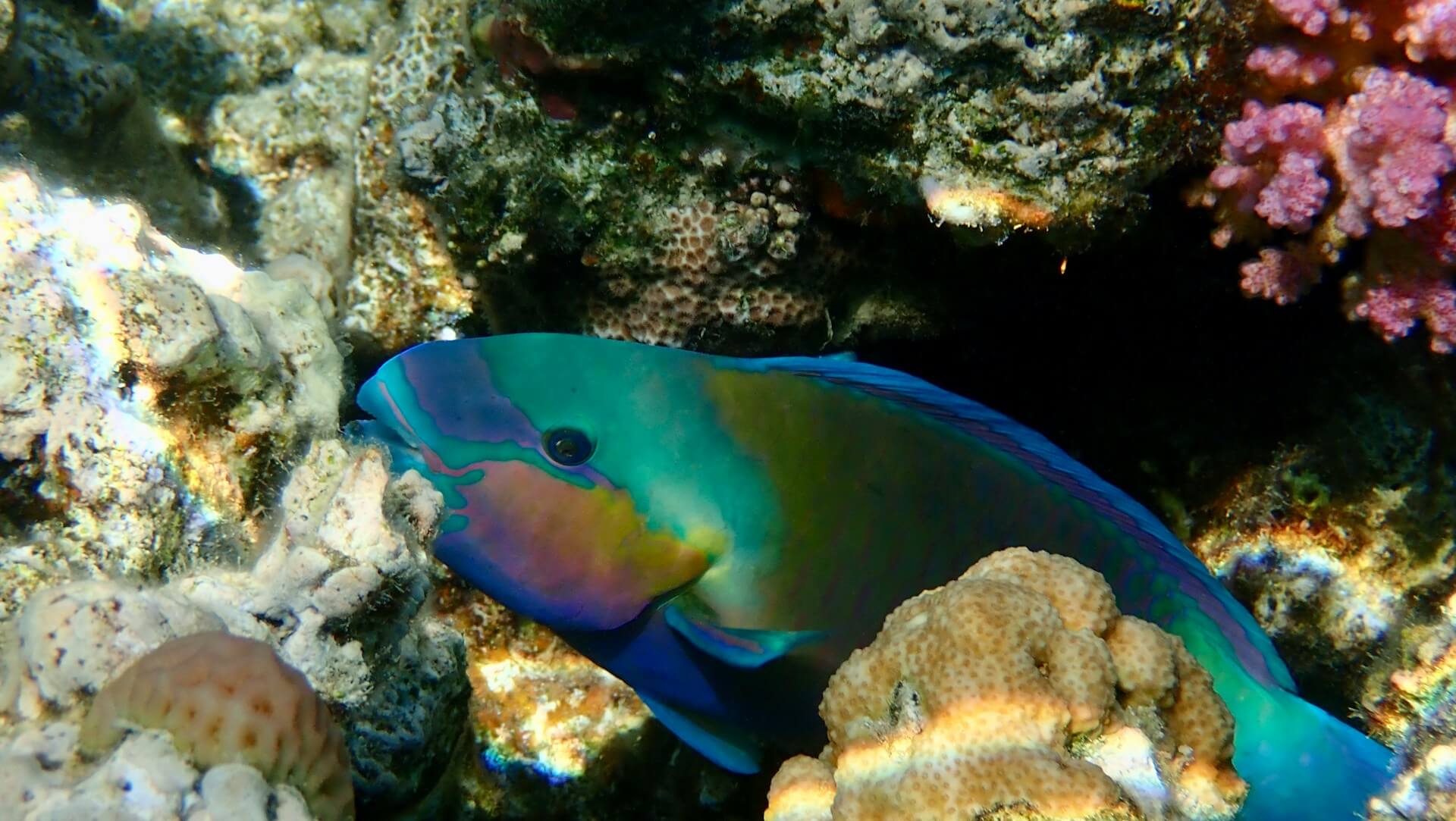
Continuing on our quest for nature’s ecosystem engineers, we now turn to the oceans in general and parrotfish in particular. Always a favourite on dives because they are so beautiful, it is sad to hear that they are being decimated – which impacts hugely on the reefs.
They are considered ecosystem engineers because of their significant impact on coral reef structure through their feeding habits. Creating and modifying habitats, they influence sediment dynamics and play a crucial role in coral reef resilience. They primarily feed on algae which grows on the reefs, and in the process, they ingest pieces of the coral skeleton. The control of algae is essential for maintaining coral health and diversity, as excessive algal growth can smother and kill coral.
This process of breaking the coral down is known as “bioerosion”, a process which reduces the size of the coral structure, whilst at the same time creating sediment. This material is excreted as a fine sand, which contributes to the formation of beaches. By some estimates, a single large parrotfish can produce up to 90 kg of sand per year (some estimates are considerably higher)!
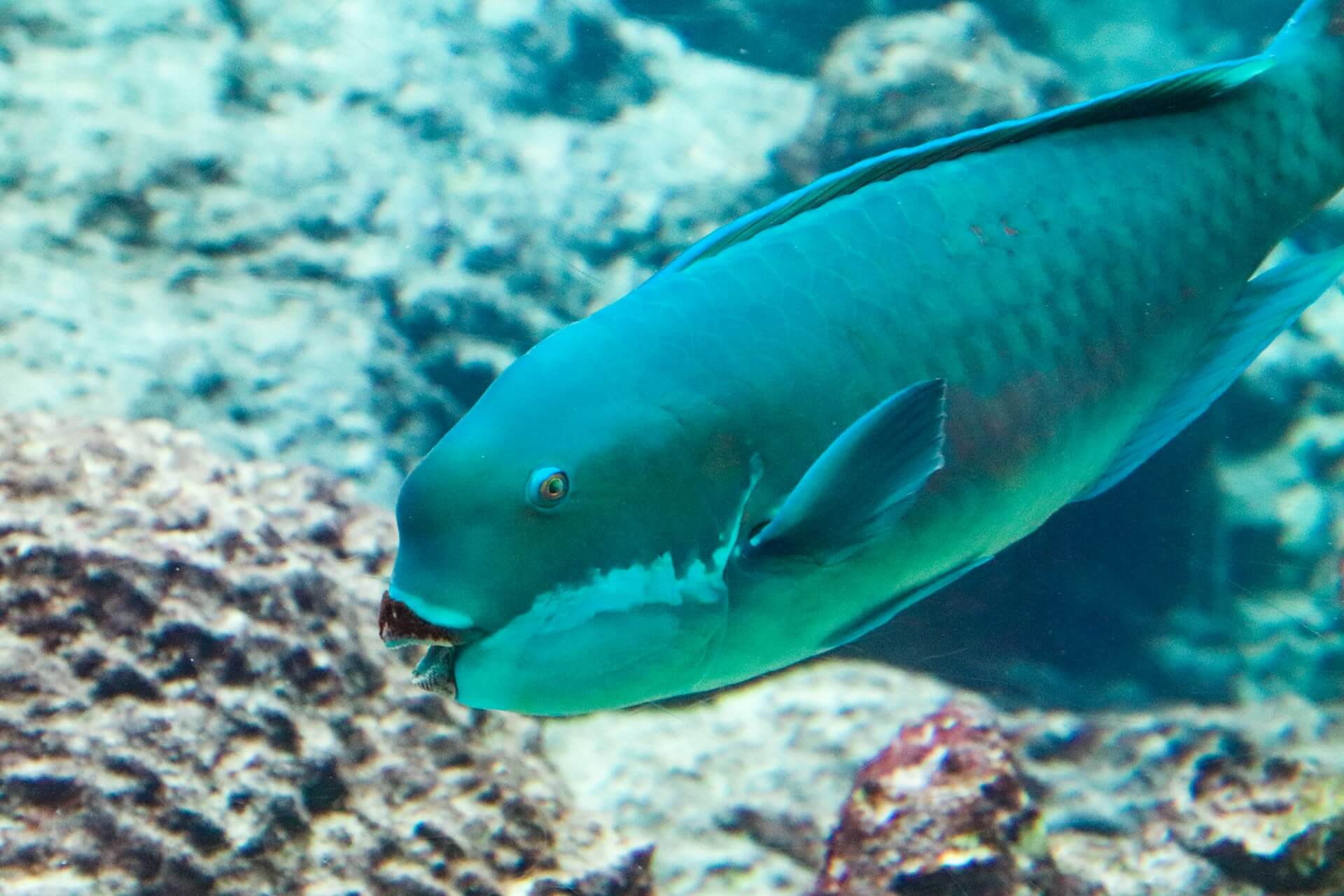
In the process of bioeroding, these fish create space that can be colonized by other organisms (such as corals, algae, and other invertebrates), which assists in maintaining the complexity and diversity of the reef structure. The sediment we discussed above can also act as a substrate for new coral growth and can even influence the physical structure of the reef.
As the parrotfish shape the reef structure, controlling algae, and producing sediment, they contribute to the overall resilience of coral reefs. These healthy reefs are better able to withstand disturbances like storms, pollution, and climate change. Reefs with healthy parrotfish populations are said to even be six times more resilient to bleaching!
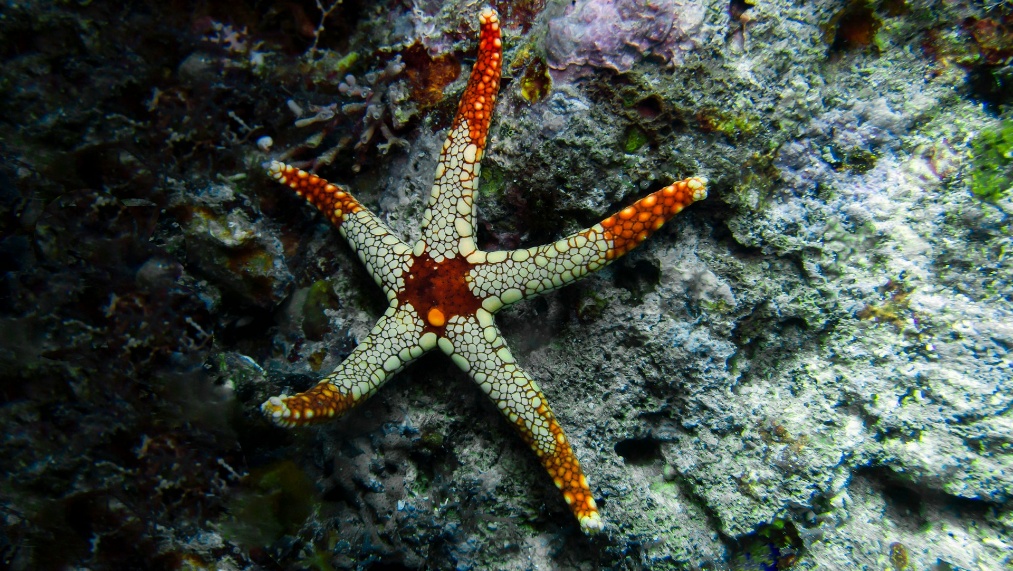
Starfish are often considered keystone species because they play a critical role in maintaining the health and balance of marine ecosystems. Many prey on mussels and sea urchins, which helps control their populations, preventing them from overgrazing and outcompeting other species. This, in turn, preserves biodiversity and the overall health of the ecosystem.
In 1963, ecologist Robert Paine conducted a now-famous experiment, which involved the removal of purple sea stars (top predator) from a rocky intertidal zone, on a stretch of shore in Makah Bay, Washington. At the start, the ecosystem had 16 species. One year later, it was down to eight species. After five years, only one species remained: a mussel that was usually preyed on by the purple sea star. The absence of the sea star had allowed the mussel to take over, collapsing the diversity of the ecosystem to a single species. A perfect illustration in a tiny environment!
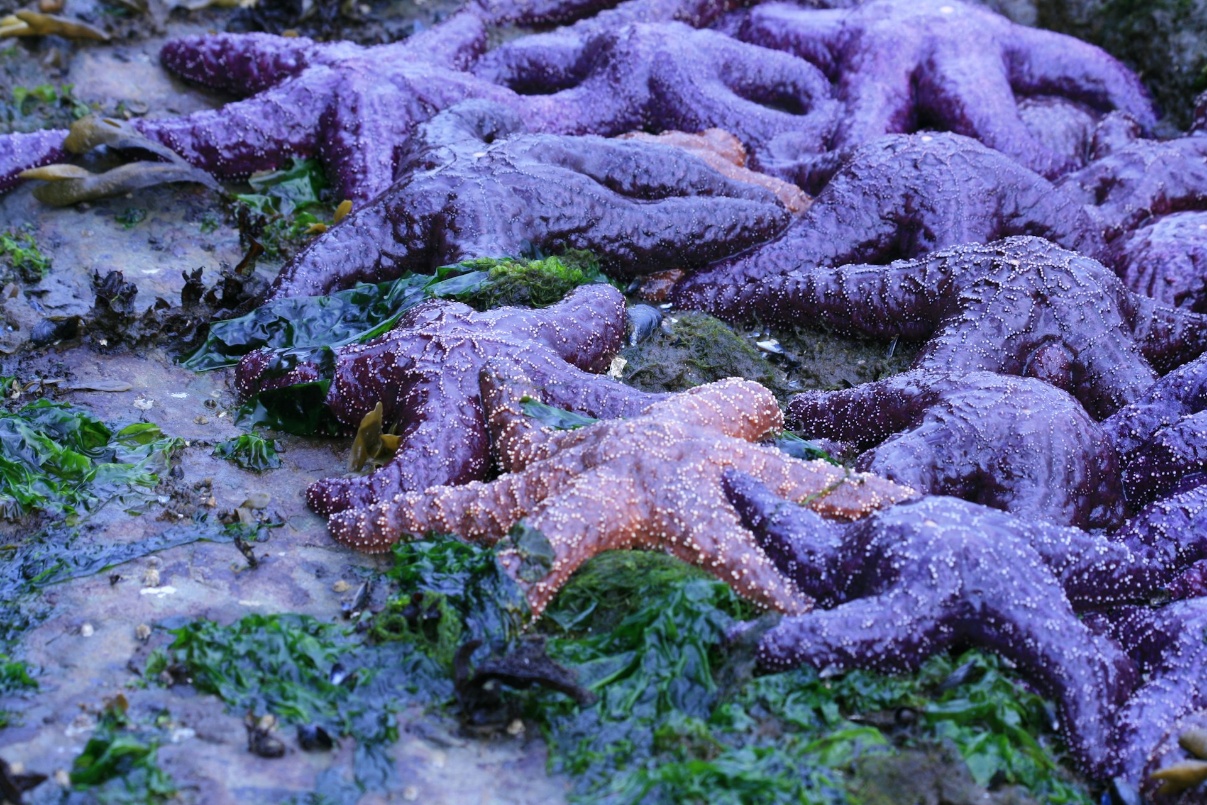
The presence of sea stars / starfish can contribute to the presence of a lush kelp forest, which would otherwise get mowed down by sea urchins. The diverse intertidal community of algae, barnacles, and other invertebrates would otherwise be crowded out by mussels if it wasn’t for the sea stars. (As an aside, sea stars and starfish are the same animal. “Sea star” is the preferred, more scientifically accurate term, as they are not actually fish.)
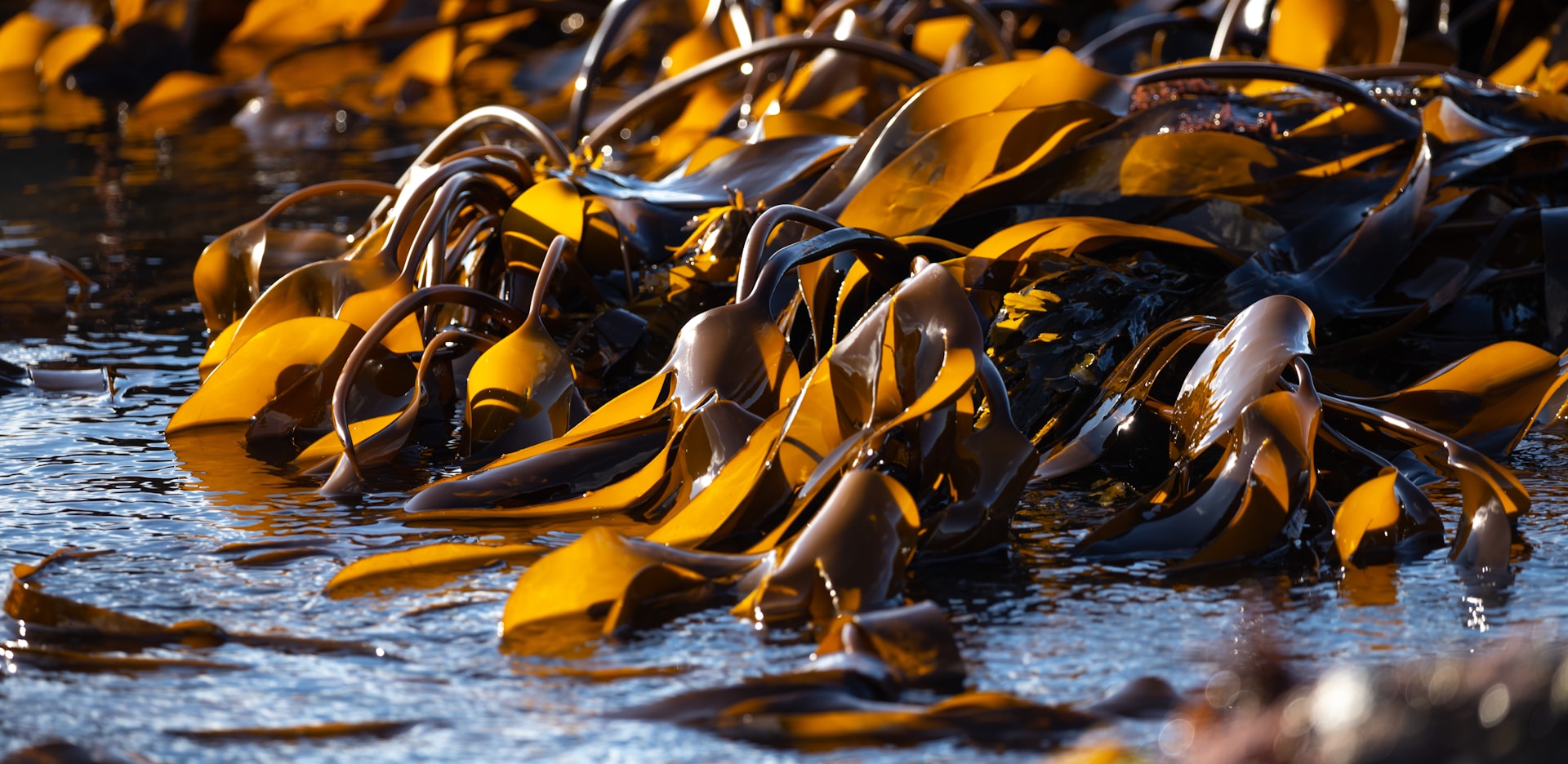
Talking of kelp, it is interesting to note that it too is considered an ecosystem engineer. It significantly modifies its environment, creating habitats and influencing other species in the ecosystem. By forming large kelp forests, it provides food, shelter, and protection for a wide variety of marine life, while also influencing water flow, light levels, and sediment deposition. Many fish, invertebrates, marine mammals, and birds rely on kelp for food, shelter, and protection, such as rockfish, herring, leopard sharks, sea urchins, snails, crabs, shrimp, bristle worms, brittle stars, octopuses, seals, and sea lions. It is a very long list… Sea otters take refuge from sharks and storms in these forests, and the sea otter eats the red sea urchin that can destroy a kelp forest if left to multiply freely.
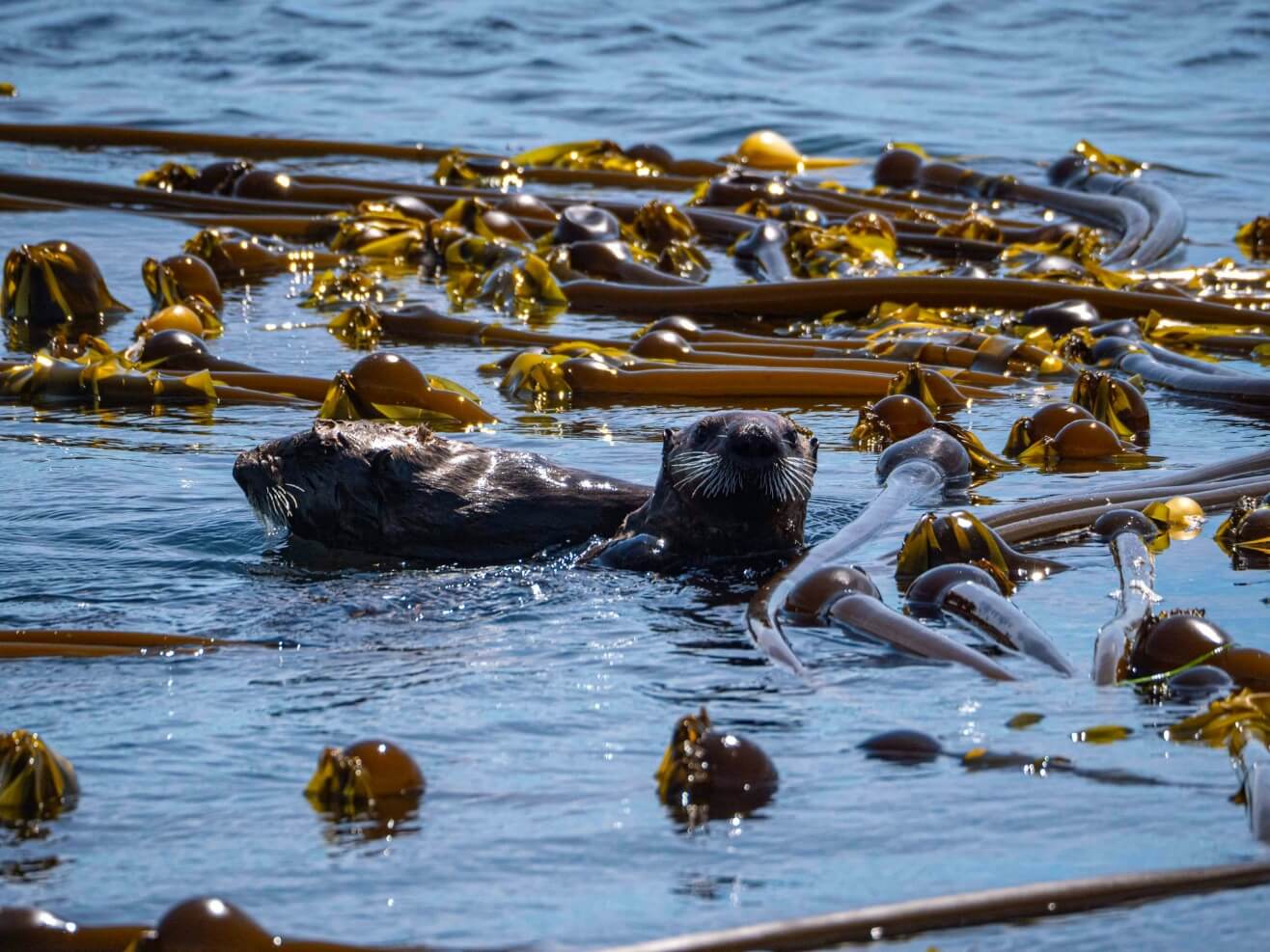
Every which way you turn, there is a link. The “web of life” is very aptly named as there is almost nothing in our beautiful world that is not co-dependent on something else. And this is the very reason that we should be protecting as much as we can, as often as we can, and treading lightly. I don’t believe we have even made a dent in understanding what nature is truly about. And each time we discover more, there are more threads to discover…
Jacqui Ikin & The Cross Country Team
INFO BOX:
Parrotfish Initiative:
https://www.nature.org/content/dam/tnc/nature/en/documents/TNC-Caribbean-CMBP-ParrotfishMagazine.pdf
Parrotfish: The Creature That Turns Rock into Islands:
https://www.youtube.com/watch?v=maccepBE0Bg
How Starfish Changed Modern Ecology:
https://www.youtube.com/watch?v=rN5KzBVxNl4
How sea otters preserve their ecosystem:
https://www.britannica.com/video/keystone-species-parts-coast-kelp-forest-ecosystem/-174837