Food for the divine…
“The true Southern watermelon is a boon apart, and not to be mentioned with common things. It is chief of this world’s luxuries, king by the grace of God over all the fruits of the earth. When one has tasted it, he knows what the angels eat.”Mark Twain
Heritage Day, and Heritage Month, has come and gone once again. And as always, it was marked by endless food promotions across South Africa. Which is fine, and fun – but at some point, it begins to feel predictable. I found myself switching off the radio rather than hear yet another conversation about what salads to bring to a braai, the best kindling for a fire, or the freshest ingredient for seshebo. What is truly African?
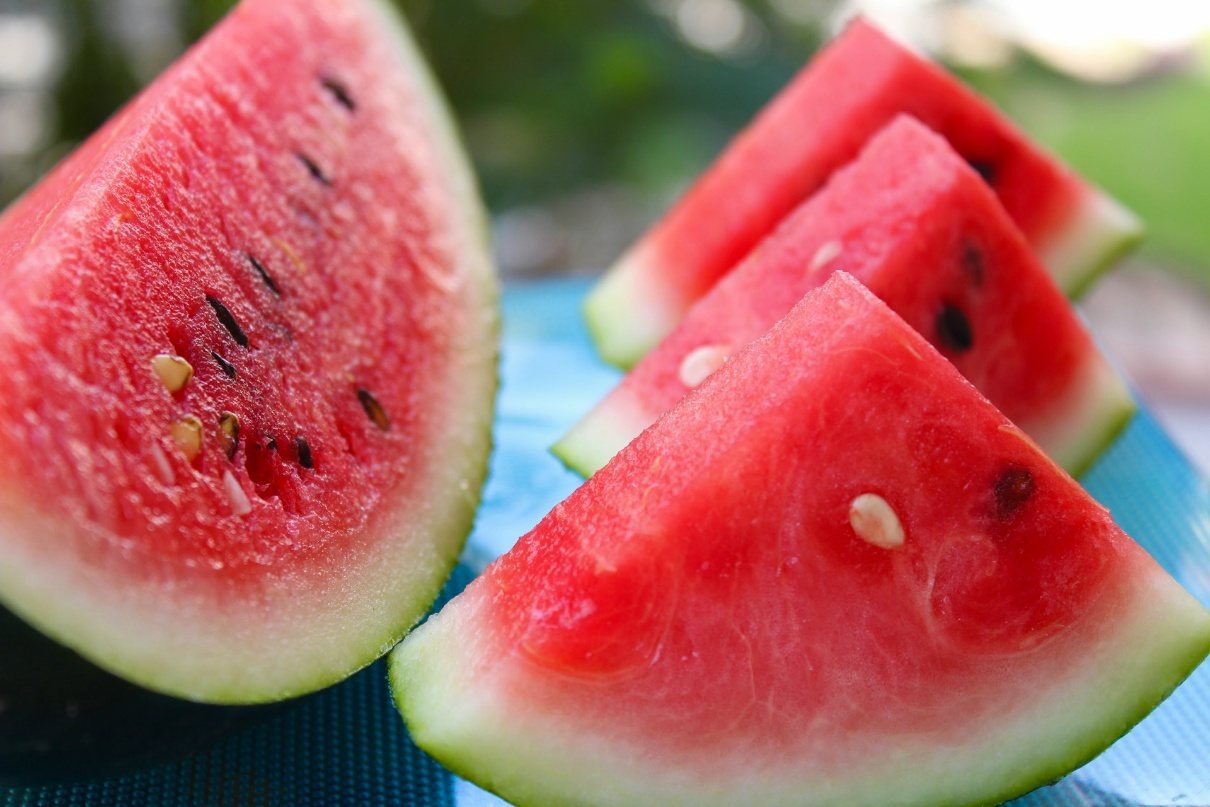
My curiosity only deepened during recent trips to an upmarket mall, where the beautiful Christmas shop was (already!!) open – complete with artificial snow, twinkling lights, teeny reindeer and pine trees. All very festive, of course, but it made me pause: what of an African Christmas? How many of our traditions, from foods to decorations to stories, truly reflect the continent we live in, rather than a borrowed Northern Hemisphere fantasy? In the northern hemisphere, Christmas is wintery and snowy, but in much of the southern hemisphere (like South Africa or Australia), it’s peak summer – and watermelon on Christmas Day!!

Which is completely appropriate! Do you know why? Bright, refreshing, and festive, the watermelon originated in Africa. I was both surprised and delighted to discover this. “Watermelon’s history dates back 5000 years to southern Africa where the tough, drought-tolerant ancestor of watermelon thrived. Although we don’t know the exact identity of this plant, we do know it was prized for its ability to store water and was used by indigenous people in the Kalahari Desert region” (see article detailed in info block). Perhaps an older version of the Tsamma melon – being enjoyed even today by the giraffe above?
A quick, bizarre fact – Japan grows SQUARE watermelons! No, really…. Take a quick look at the video in the info box. They can sell for as much as $800 each. Who knew…
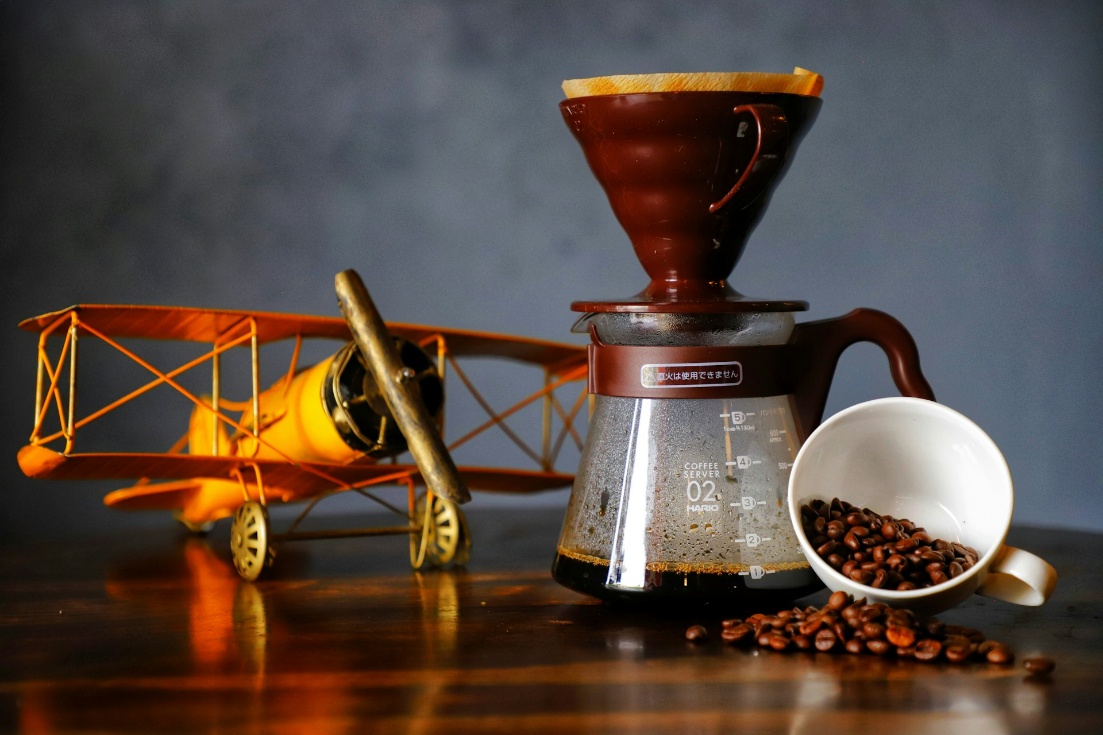
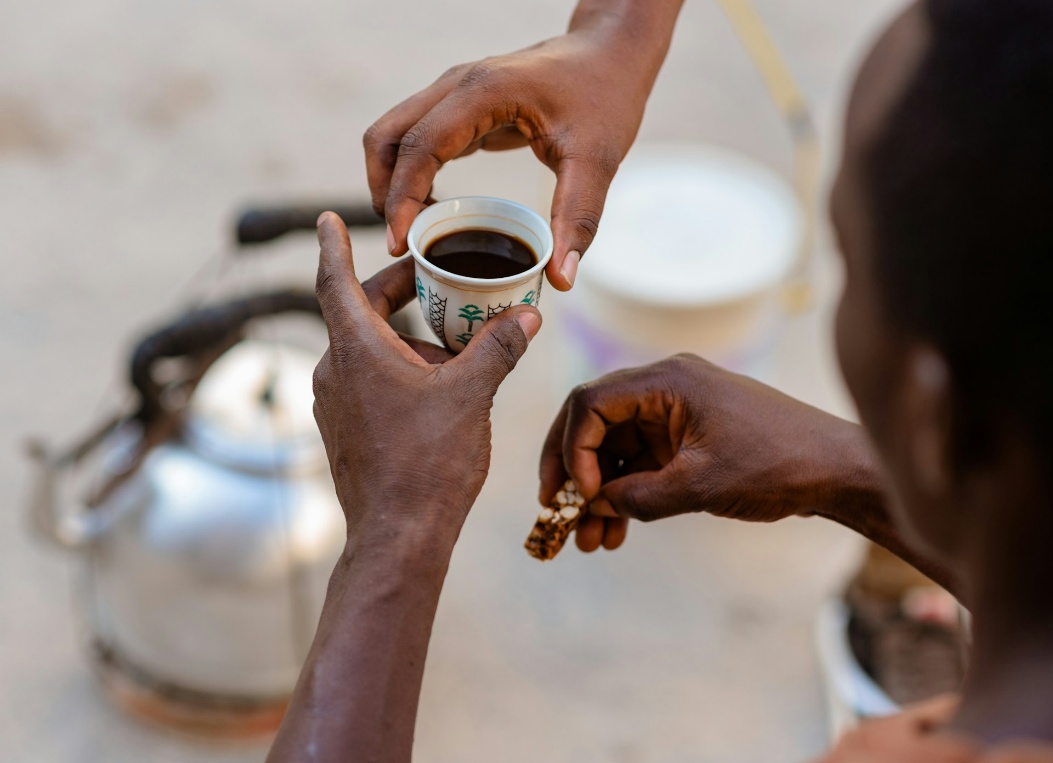
Another infinitely sophisticated African contribution to the world is coffee. It originated in the Ethiopian region of Kaffa. Legend has it that a goat herder named Kaldi noticed his goats became energetic after eating the red berries of a certain plant. Initially, it was only consumed locally. By the 15th–16th centuries, Yemen had become a central hub for cultivating and exporting coffee. The Yemenis tightly controlled coffee exports, mainly through the port of Mocha. Smuggling occurred when seeds or seedlings were illegally transported to other regions, including the Ottoman Empire and Europe. In the late 17th century, the Dutch East India Company (VOC) introduced commercial coffee cultivation to Java – giving rise to the term “a cuppa Java” – ending the Arabian monopoly and establishing Indonesia as a major coffee-producing region.
Fun fact? Kopi Luwak, one of the world’s most expensive coffees, is made from beans that have passed through the digestive system of an Asian palm civet. During digestion, the civet’s gut bacteria partially ferment the beans through a process called proteolysis, converting proteins into amino acids. Often described as smoother, less acidic, and slightly earthy or chocolatey, this fermentation in the civet’s gut reduces bitterness. It was first produced in Indonesia in the 18th century. Absolutely fascinating – and a little wild to think about! Imagine being the first person to taste coffee beans that had been… digested by a civet! That leap of curiosity (or desperation) has led to a coffee now worth thousands of dollars per kilo. It’s also a great reminder of how sometimes the most unusual ideas – no matter how strange they seem – can create something truly exceptional. Wild-Sourced Kopi Luwak can cost over $2000 per kilogram!
Heritage Month has passed with its promotions and predictable recipes, but the true richness of our heritage lies not in repetition, but in curiosity – in asking, “What is truly ours?” and discovering the stories, flavours, and innovations that have shaped not just a continent, but the world.
So, in this upcoming festive season, whether you slice into a sun-warmed watermelon or sip a perfectly brewed cup of African coffee, pause for a moment. Taste the history, feel the ingenuity, and celebrate a heritage that is vibrant, inventive, and entirely, wonderfully African.
Jacqui Ikin & The Cross Country Team
INFO BLOCK:
Watermelon: A Brief History
https://ipm.missouri.edu/MEG/2020/7/watermelon-DT/
How Japanese Square Watermelons are Made
https://www.youtube.com/watch?v=Q8AyrW2o21E
The rich history of coffee
https://www.nescafe.com/in/coffee-culture/knowledge/coffee-history
The History of Coffee video
https://www.youtube.com/watch?v=t2AH8OCjlS8