
A Tribute to Jane Goodall
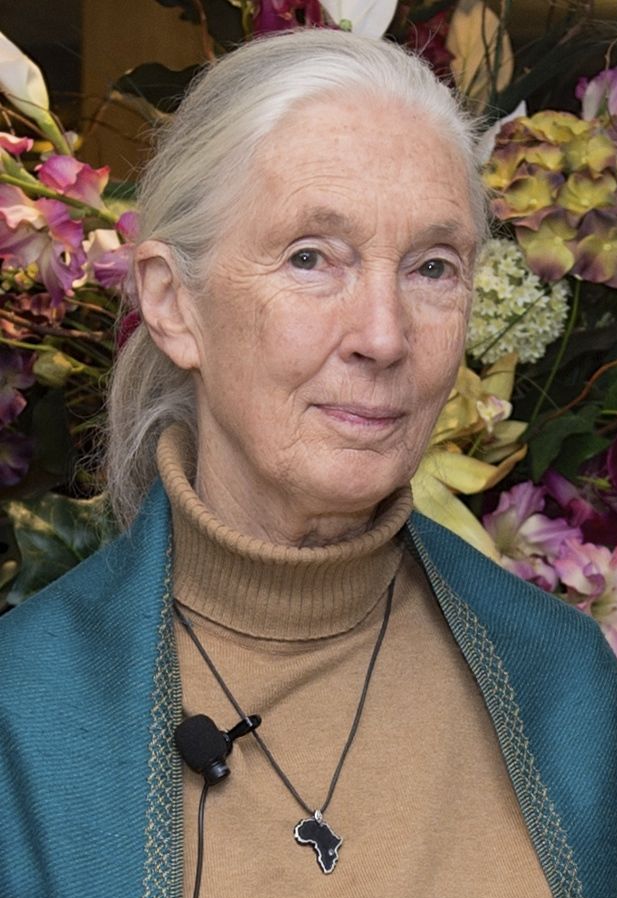
On 01 October 2025, the world lost a shining light, a beacon of hope. In her 91 years on earth, Jane Goodall gave much to the world, not least of which was a new understanding of animals. Prior to Goodall’s work, the world viewed animals as living beings simply driven by instinct – and about as far away from humans as one can get. Her research with chimps negated this – an idea which we will explore a little further below.
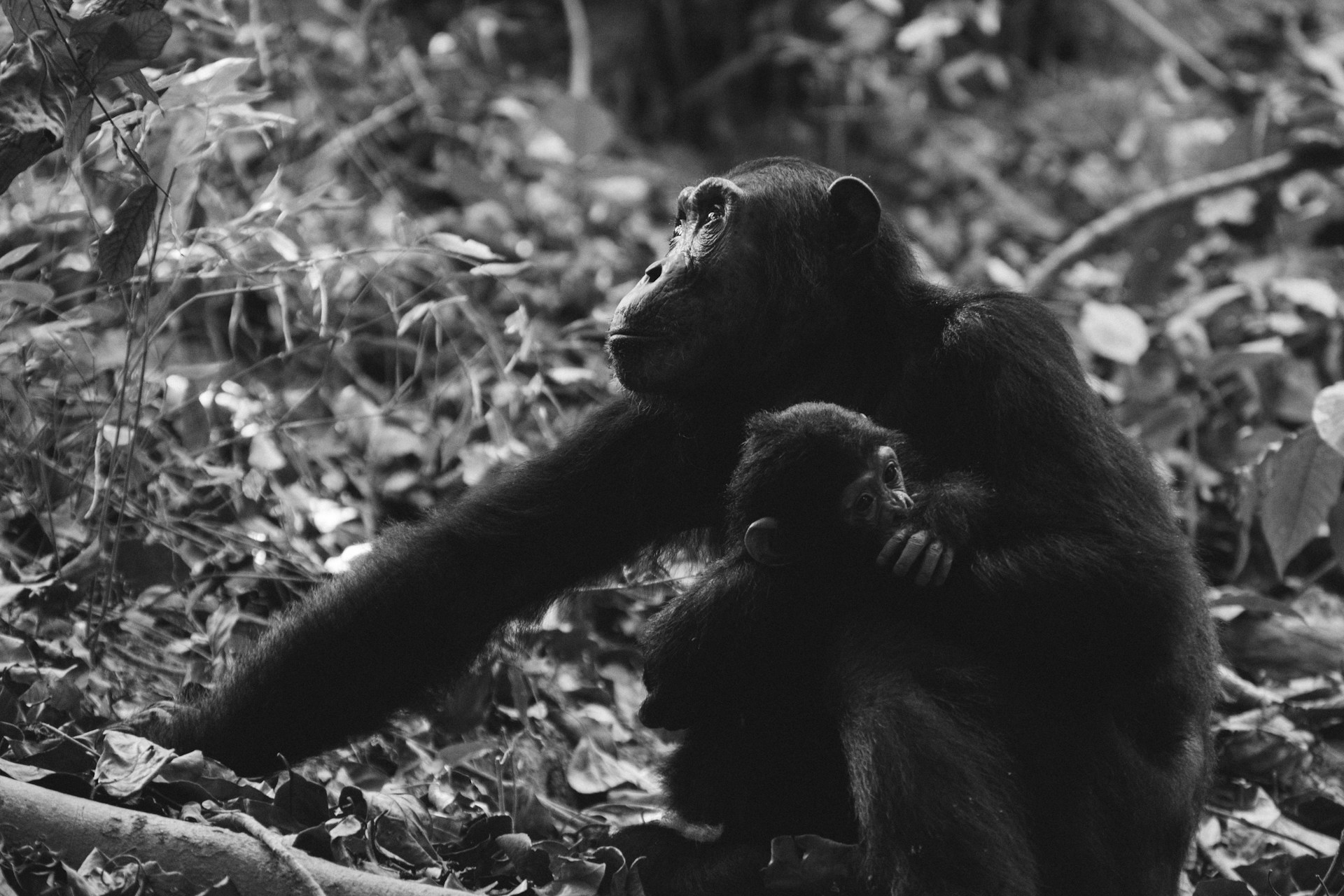
Prior to Jane Goodall, it was accepted that the best of science was performed in a cold, detached, empirical manner. She brought empathy and patience into scientific observation, and her willingness to name the chimpanzees rather than number them (and to describe their personalities) challenged traditional methods.
Goodall’s approach bridged the gap between science and spirituality, intellect and emotion, humanity and nature. She reminded us that protecting life on Earth isn’t just a scientific duty, but a moral one – and one which will ultimately impact on every individual on this planet.
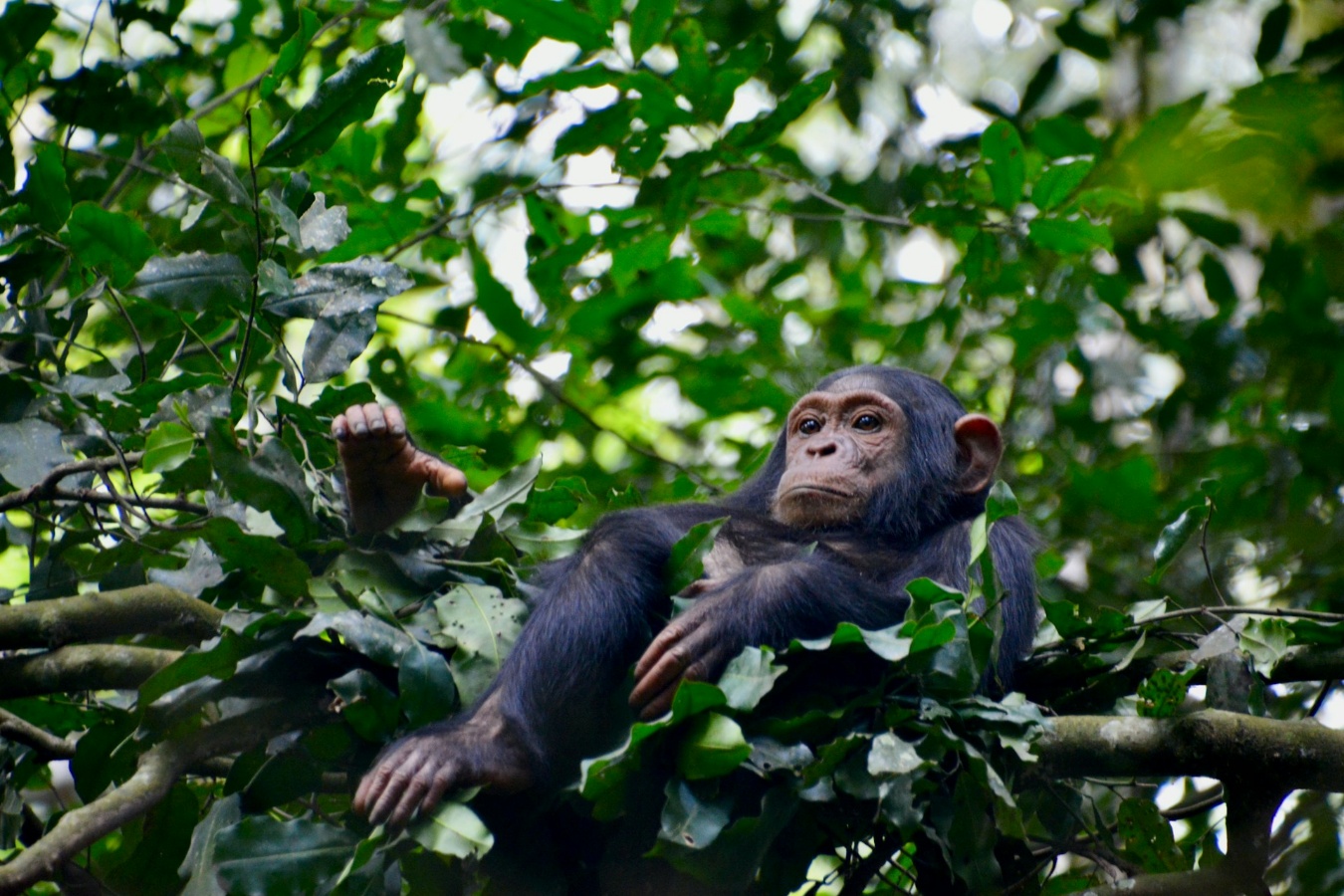
Jane Goodall was born on 13th of April 1934, in London, England. She loved animals and nature from a young age, and her favourite childhood toy, a stuffed chimpanzee named Jubilee, accurately foreshadowed her future. As a young girl she was influenced by books (like Tarzan of the Apes and The Story of Doctor Dolittle) and dreamed of going to Africa to study wild animals.
She went to Kenya to visit a friend in 1957, and ended up meeting Dr. Louis Leakey, a famous paleoanthropologist – who ended up hiring her as his secretary. It didn’t take long for him to discover her deep curiosity and observational skills, which ultimately led to him choosing her to study chimpanzees in the wild (despite having no formal scientific training at the time), believing her open-minded approach could lead to new discoveries. How right he was!!
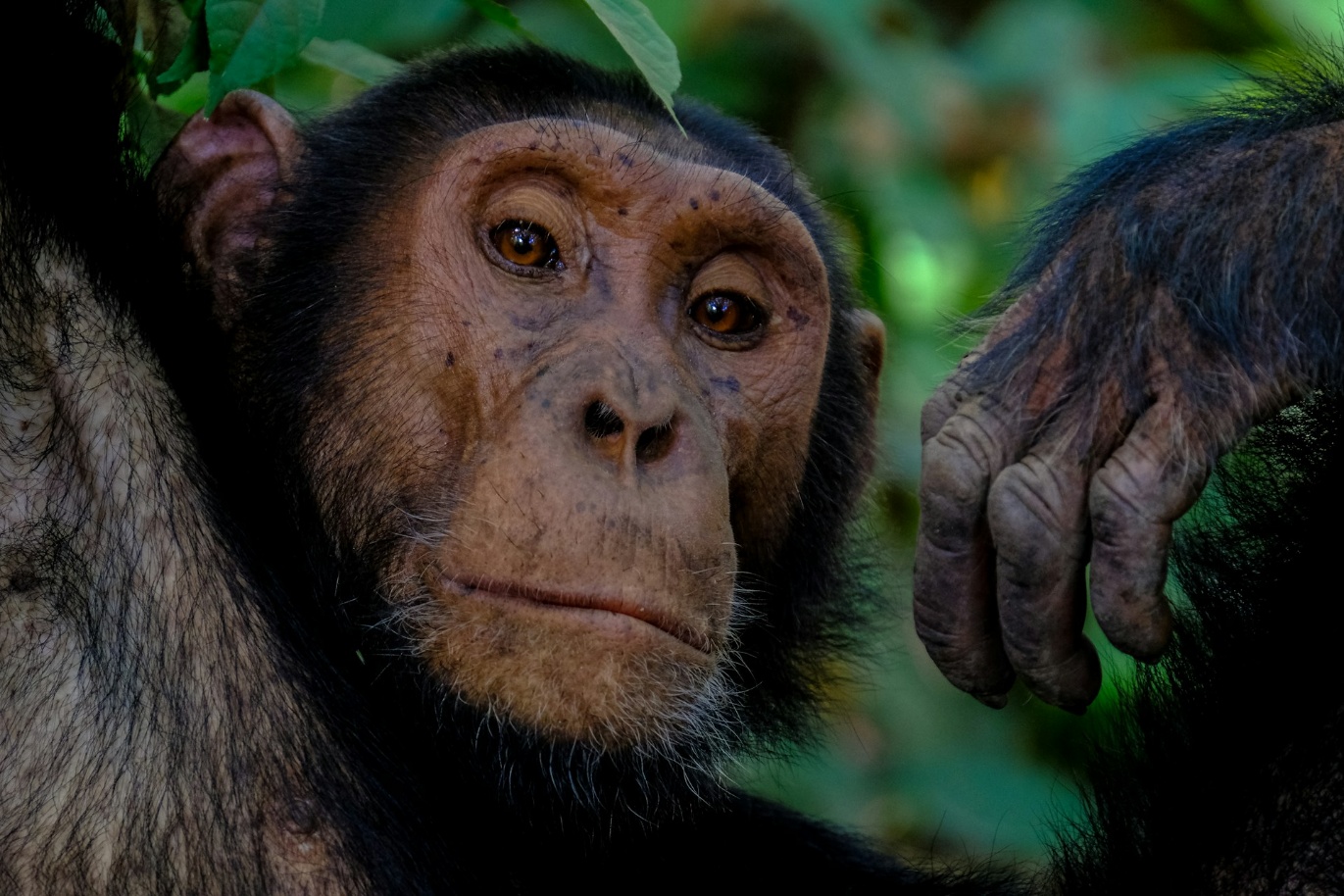
Goodall was 26 when she began her groundbreaking study of wild chimpanzees in 1960 in Gombe Stream National Park (then Tanganyika, now Tanzania), accompanied at first by her mother, since the park required a female chaperone for safety. Her work at Gombe became one of the longest-running wildlife research projects in history – it has now been running for over 60 years.
In 1977, Goodall founded the Jane Goodall Institute (JGI) to support research, protect chimpanzees, and promote conservation. This was a particularly inspired move, enabling all that she had achieved to continue (to this day) whilst allowing her the time to focus on new initiatives. In 1991, she co-founded Roots & Shoots, a youth program encouraging young people to work on environmental, conservation, and humanitarian projects – all empowered through hope. This program is a global outreach program which has inspired generations of young people to take action for the environment and social good. The idea that one person can indeed make a difference, that every individual makes a difference, is simple but transformative – creating phenomenal change one person at a time.

From the 1980s, she shifted her focus from field research to global environmental activism, travelling widely to speak about wildlife conservation, sustainability, and compassion for all living beings. This, in my opinion, enabled her to achieve more, and spread her message much further than had she simply continued with field research.
What were her key discoveries about chimpanzees? What did she discover that made all the difference? In fact, there were several groundbreaking discoveries about chimpanzees that completely changed how scientists understand both chimps and humans. The first was that they make and use tools. Up to this first observation, it was considered fact that only humans make and use tools. In 1960, at Gombe Stream National Park in Tanzania, Goodall observed chimps stripping leaves off twigs to use them for fishing termites out of mounds. This challenged the long-held belief that toolmaking was a uniquely human trait.
Her second brand new observation was that the chimps ate meat. She recorded them hunting and eating smaller animals, such as colobus monkeys. The fact that chimps also hunt and eat meat blurred the sharp line between humans and other primates. Goodall also observed that sharing meat could build alliances or influence social hierarchies, giving insight into the evolution of human social behaviour. This behaviour arguably suggested that early human ancestors might have also included meat in their diet, which has implications for understanding human evolution, nutrition, and tool use.
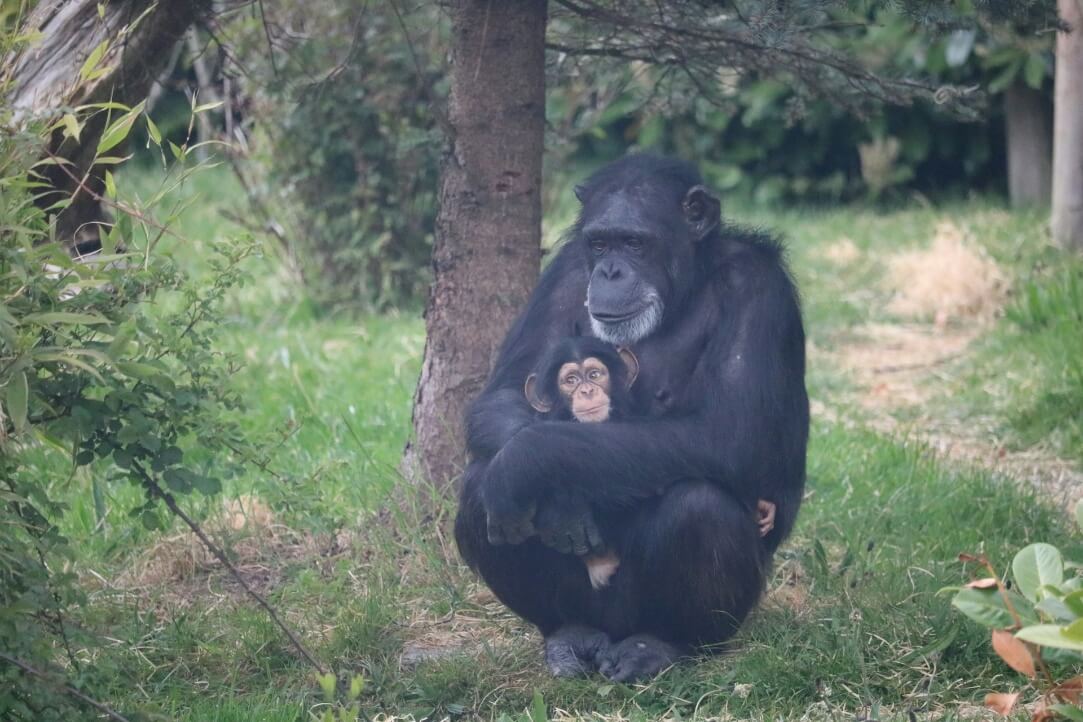
Perhaps most importantly, she discovered that chimps have complex social and emotional lives, with distinct personalities. They form strong emotional bonds, and display empathy, affection, jealousy, and aggression. Dominance hierarchies and political alliances exist – and they even engage in cooperative behaviours like sharing food and defending territories. Mother–infant relationships are crucial for social and emotional development, showing that young chimps deprived of maternal care often fail to thrive socially.
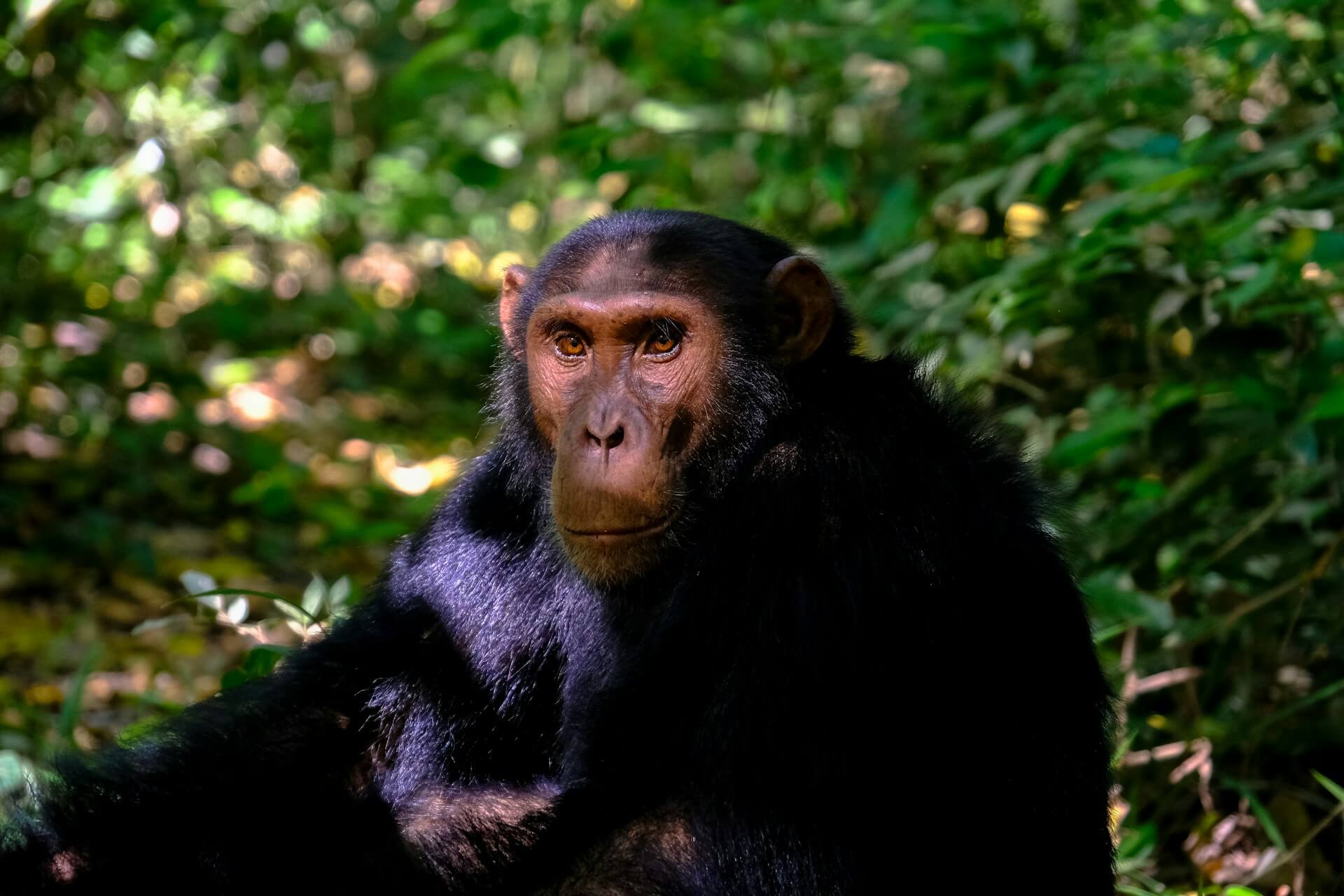
For the first time, it was observed that chimpanzees can be violent. Goodall witnessed acts of aggression, including a four-year “war” between two chimp groups at Gombe (1974–1978). This revealed that chimps are capable of organized violence, similar to human warfare.
This is such a short, inadequate piece on the brilliance that was Jane Goodall’s. There are many obituaries and memories and odes to Jane Goodall in the media at the moment, and all are worthy reads in that they teach us more about this phenomenal human. I have merely touched on a brief history, and what I consider her most important discoveries. Jane Goodall redefined what it means to be a scientist – combining empathy, patience, and rigorous observation. Her work blurred the line between humans and animals, emphasizing our shared intelligence and emotions. And that, I believe, was her greatest contribution to the world – the one idea that is perhaps able to resonate enough to save our wilderness areas…
Jacqui Ikin & The Cross Country Team
INFO BOX:
