
Ecosystem Engineers
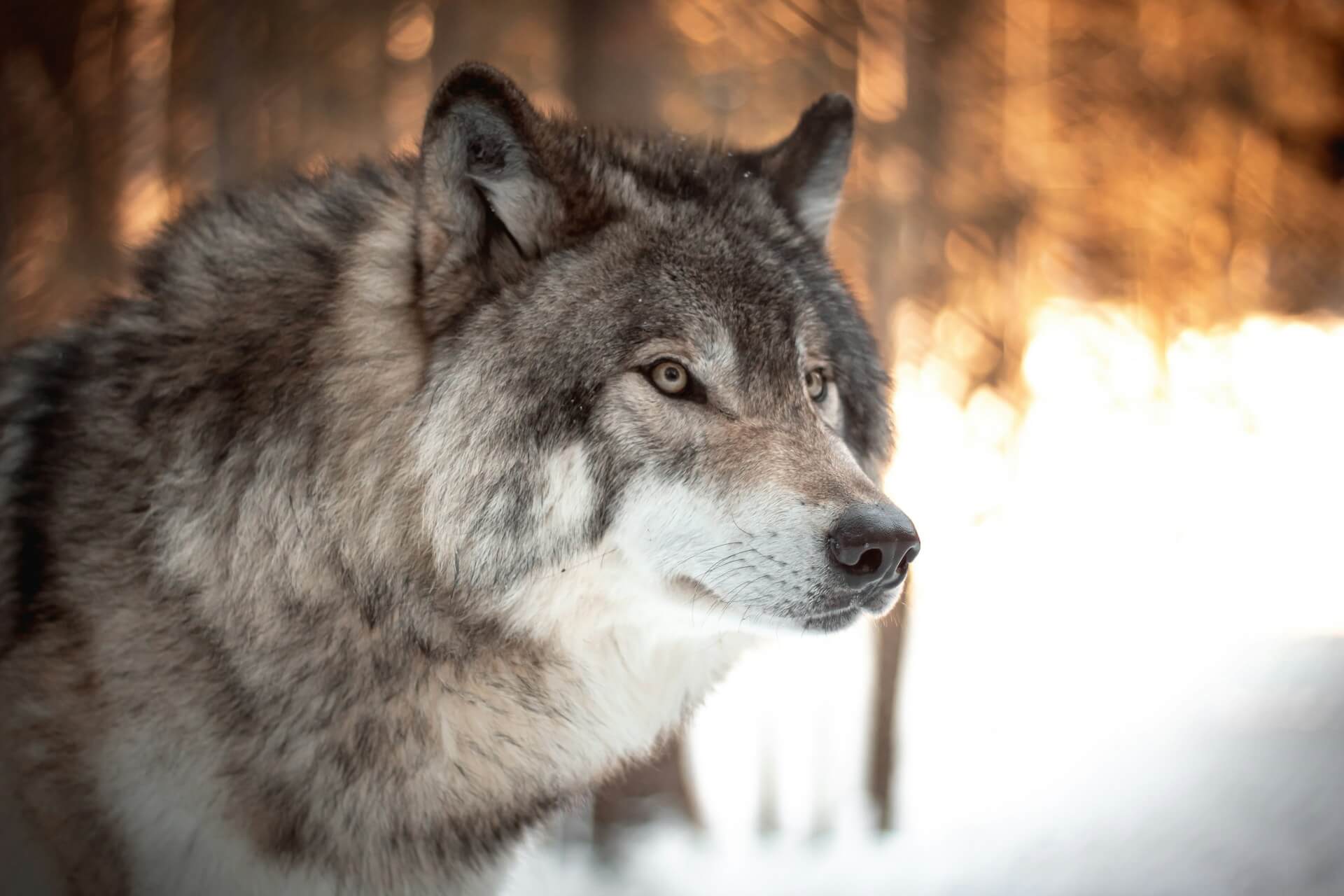
Just over ten years ago, an incredible video was released by Sustainable Human: “How Wolves Change Rivers” (see in info box). The original video has been viewed over 45 million times – but there are many, many other sites using very similar material all with significant viewership. So, what’s all the fuss about? Well, in two words, ‘Trophic Cascade’.
We have all been fed the concept of The Web of Life since kindergarten. The idea that every single little piece of magical life has an effect on everything else in the world. But not all effect is equal. A trophic cascade is a very powerful ecological process. The change in the top (predator) population ripples down through the web of life, impacting other populations at multiple trophic (relating to feeding and nutrition) levels. It is quintessentially the effect that a predator has on its prey, and then the effect of that prey over multiple other things which eventually creates a chain reaction throughout the ecosystem. It is important to note that whilst trophic cascades often involve changes in nutrition through food webs, these cascades are not always related to nutrition.
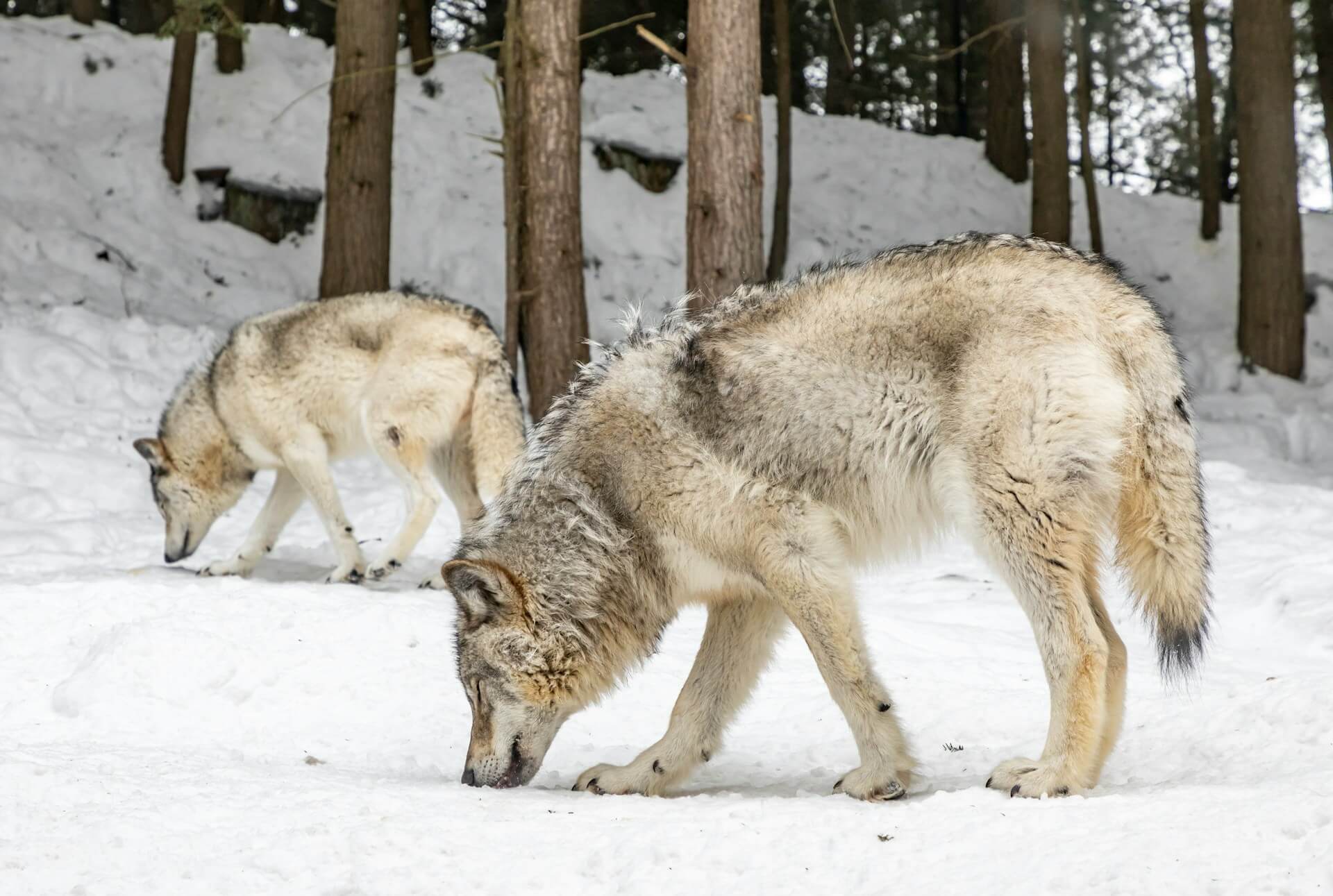
In a nutshell, the reintroduction of grey wolves to Yellowstone National Park in 1995 significantly altered the ecosystem’s structure and ability to function. Grey wolves were indigenous to this area. However, they were eradicated from the area by the 1920s due to human conflict and predator control efforts. The absence of wolves eventually led to an overpopulation of elk. This in turn caused overgrazing and a decline in vegetation. Other species like beavers and songbirds were significantly impacted. The reintroduction of wolves helped restore balance to the ecosystem – initially by reducing the elk population and changing their behaviour, allowing vegetation to recover. Other species like beavers, songbirds, and even bears also benefitted. Ultimately, the course of the rivers was also changed. The first video in our info box is worth the watch, explaining the entire process in greater detail.
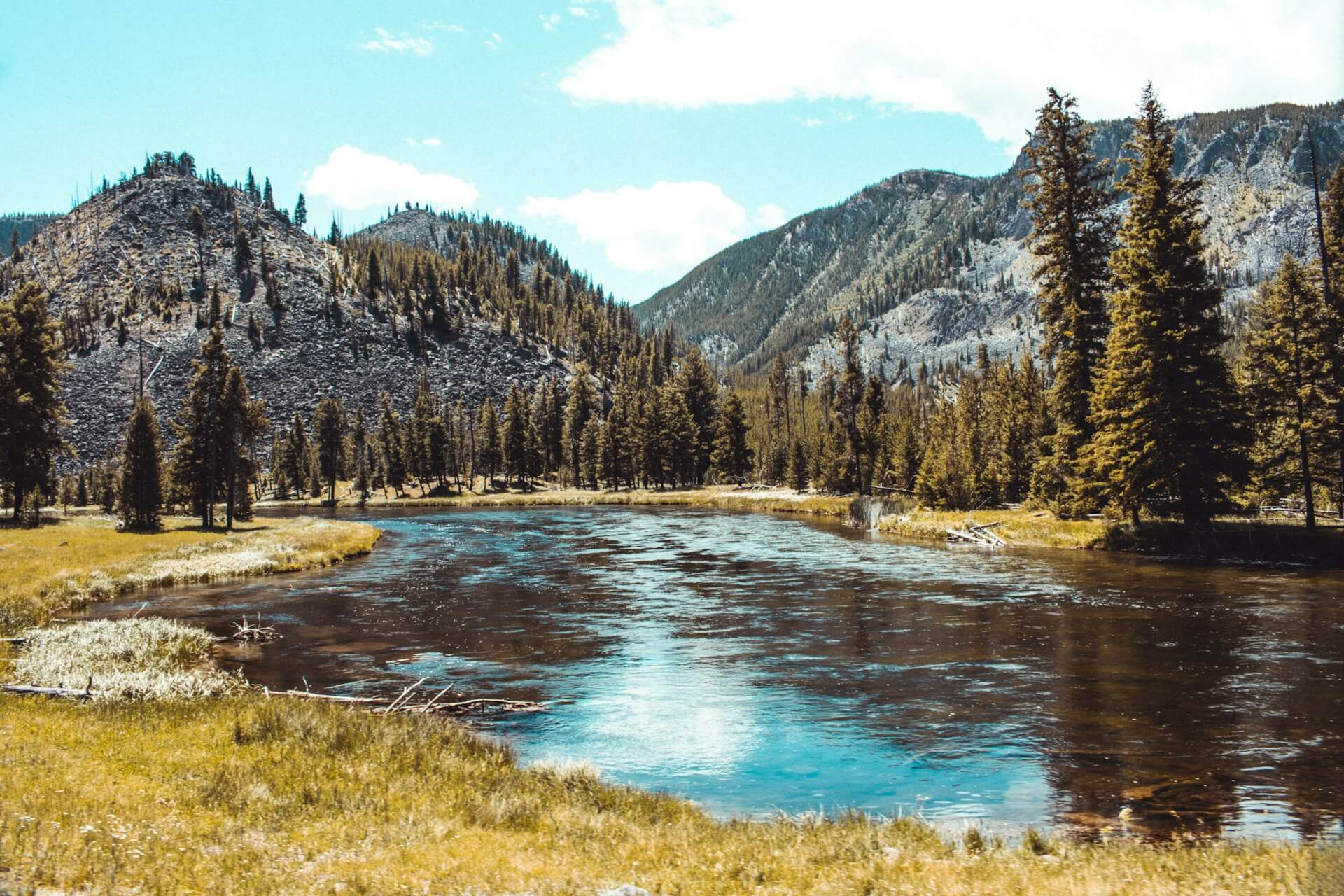
“Ecosystem engineers / architects” and trophic cascades are related through their influence on food web dynamics and community structure. Ecosystem engineers ultimately modify their environment, creating or altering habitats and resources. These changes can trigger trophic cascades, which then go on to affect lower trophic levels. A linked concept is “Keystone Species” – which is defined as a species that has a disproportionately large impact on their ecosystem, like elephants (to use a local example).
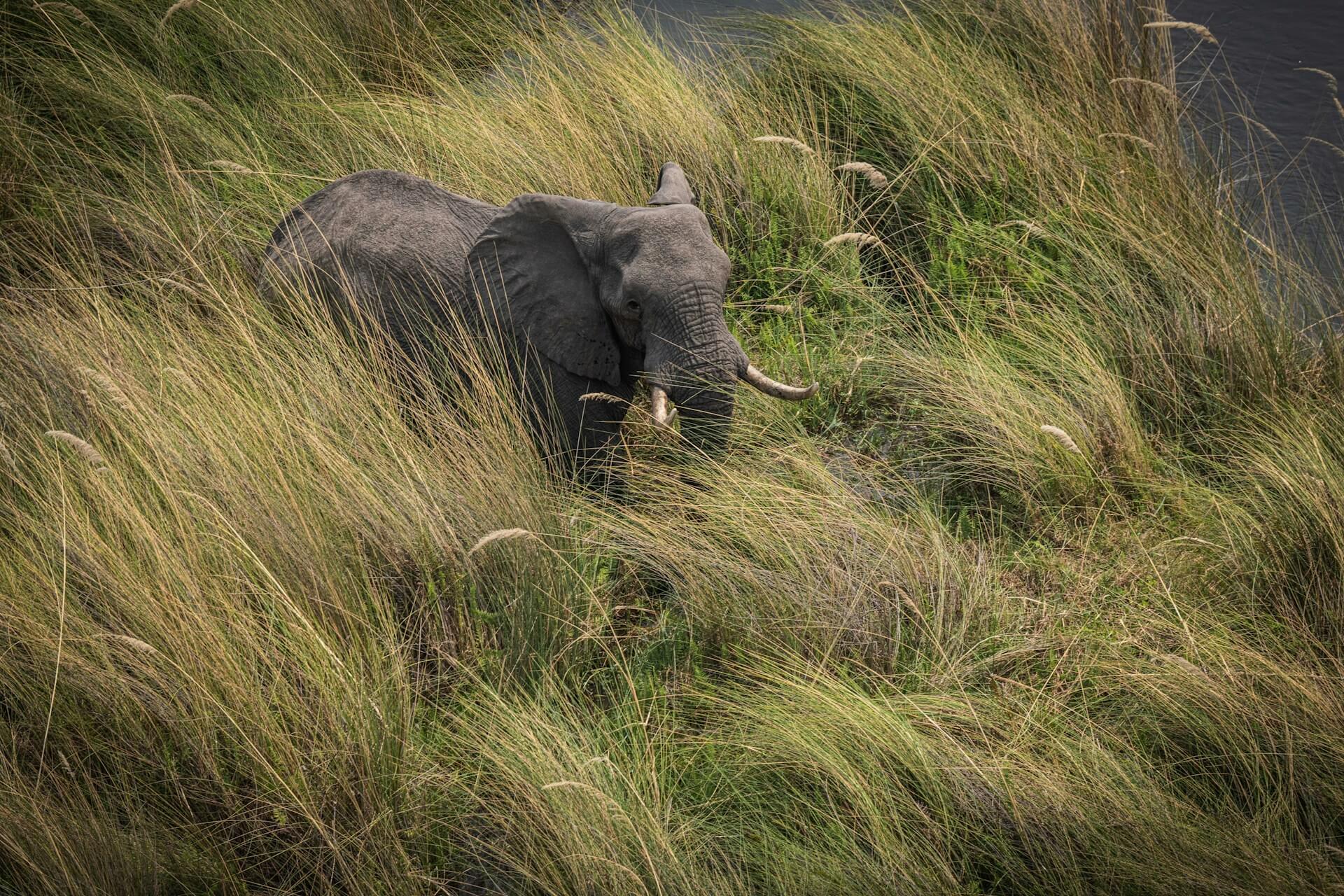
Let’s explore this concept with elephants in a unique ecosystem – the Okavango Delta in Botswana. They act by shaping the landscape and influencing water flow (they perform a similar function on other savannahs as well – just with less water). Their sheer bulk creates and maintains channels, clearing vegetation (hippos also do this). In other areas, such as on the Chobe River banks, elephants often have a less desirable effect… They destroy entire trees just to reach the juicy leaves at the top (see video in info box). Sometimes they push trees over in play or for displays of strength. In areas where there are (arguably) too many elephants for the environment (as per previous articles on Chobe), they can create near-desert conditions – which is not good for biodiversity. They also debark trees which often kills them – again, not good for biodiversity.
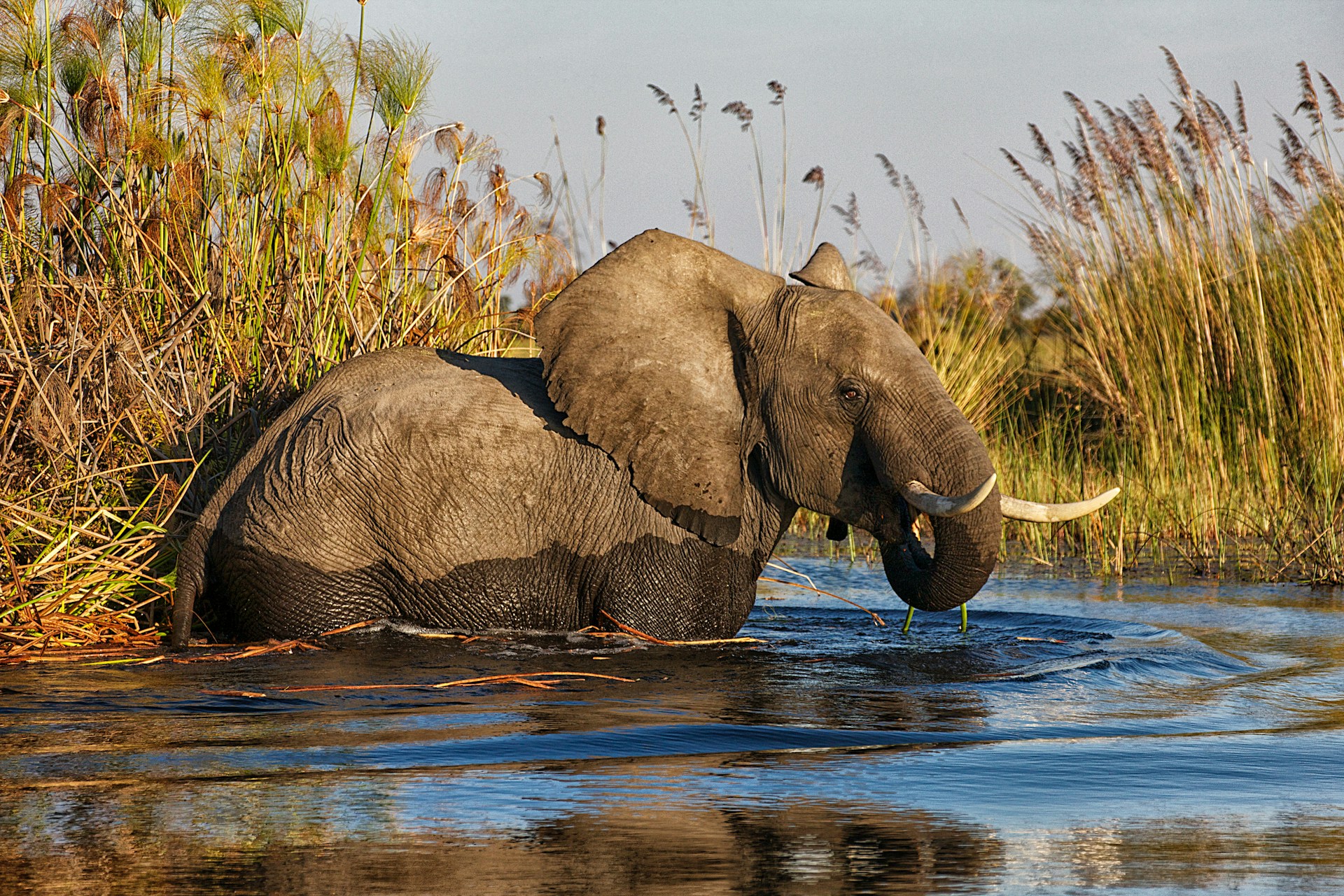
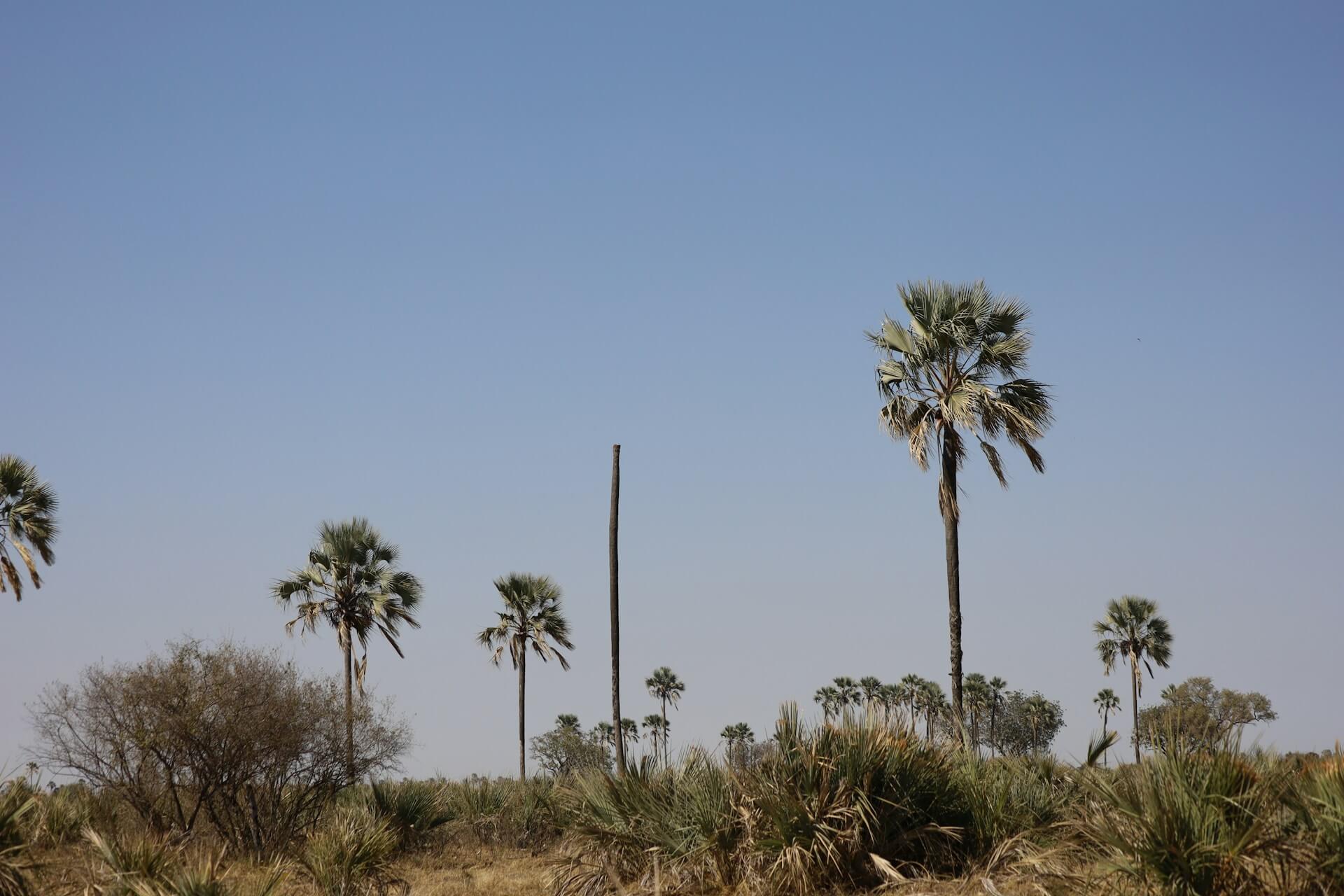
When there is drought and a lack of water, elephants dig for water in dry riverbeds – which creates water sources accessible to other animals once they have had their fill. They also disperse seeds, thus impacting their distribution and supporting a wide range of other species. In particular the Real Fan Palm (Mkolwane / Vegetable Ivory Palm) is a favourite of the elephant (as well as others like the Marula tree). They consume the fruits, and as the seeds pass through their digestive system, the tough outer layer is softened, aiding in later germination. The elephants then deposit the seeds in their dung, providing a nutrient-rich medium for the seeds to sprout. An interesting new study (see info box) has discovered that elephants can transport seeds up to 65 kilometres, which is 30 times farther than savanna birds take the seeds!
And talking about elephant dung, it is rich in nutrients like nitrogen, phosphorus, and potassium, making it an excellent natural fertilizer for soil regeneration. A mound of elephant dung is also the perfect incubator for a number of seeds. You will often also find mushrooms growing on elephant dung heaps. Elephants have inefficient digestive systems, and their dung often contains undigested seeds, fruits, and insects. Baboons find these palatable and can often be seen sorting through and consuming food remnants found in elephant dung.
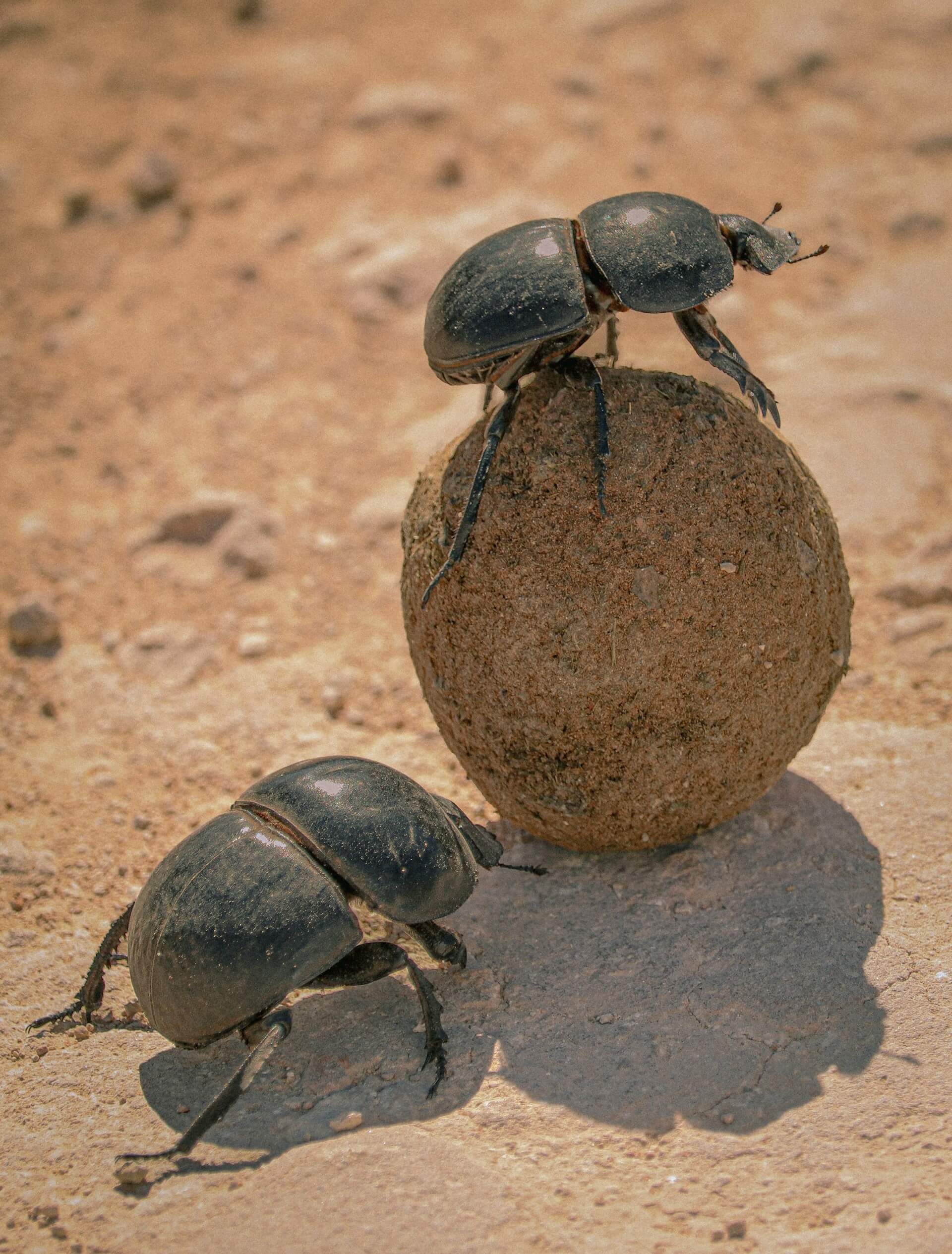
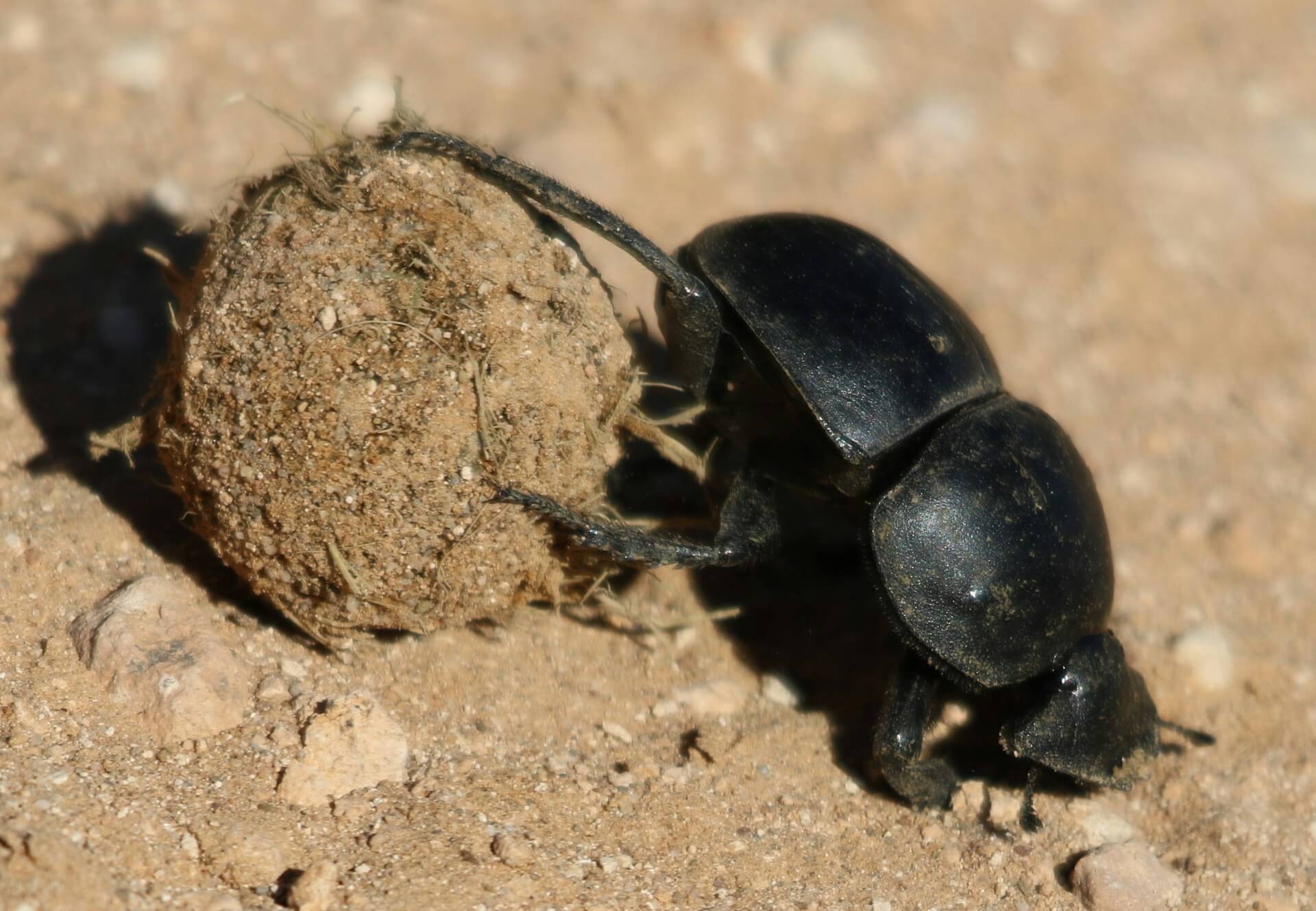
Perhaps the most iconic image of elephant dung is when it is being used by dung beetles… They play a vital role in ecosystems by utilizing elephant dung as both a food source and for breeding. This dung is a significant resource for various dung beetle species. Dung beetles both consume and bury the dung, which helps to decompose it, improve soil structure, and disperse seeds. This process is crucial for nutrient cycling and maintaining healthy ecosystems. These are used as nesting sites for their larva (see video in info box).
So, whilst this week we have explored large and obvious animals which are considered Ecosystem Engineers, next week, we’ll take a look at some of the smaller, lesser-known forms of life which function in a similar manner…
Jacqui Ikin & The Cross Country Team
INFO BLOCK:
How Wolves Change Rivers (original 2014 video):
https://www.youtube.com/watch?v=ysa5OBhXz-Q&t=10s
Elephant Architects of the Okavango:
https://www.youtube.com/watch?v=0VKC72c8icc
Elephant Casually Pushes Down Massive Tree:
https://www.youtube.com/watch?v=kxi0An—zM
Elephants as Ecosystem Engineers:
https://www.youtube.com/watch?v=DkP92X7RaPM&t=340s
African elephants may transport seeds farther than any other land animal:
https://science.uct.ac.za/articles/2017-04-13-african-elephants-may-transport-seeds-farther-any-other-land-animal
The Importance of Elephant Dung:
https://www.youtube.com/watch?v=LchL4wXiPzI&t=33s
All About Dung Beetles:
https://www.youtube.com/watch?v=hxzOhnRFlBg&t=212s
