
Delicious Bubbles
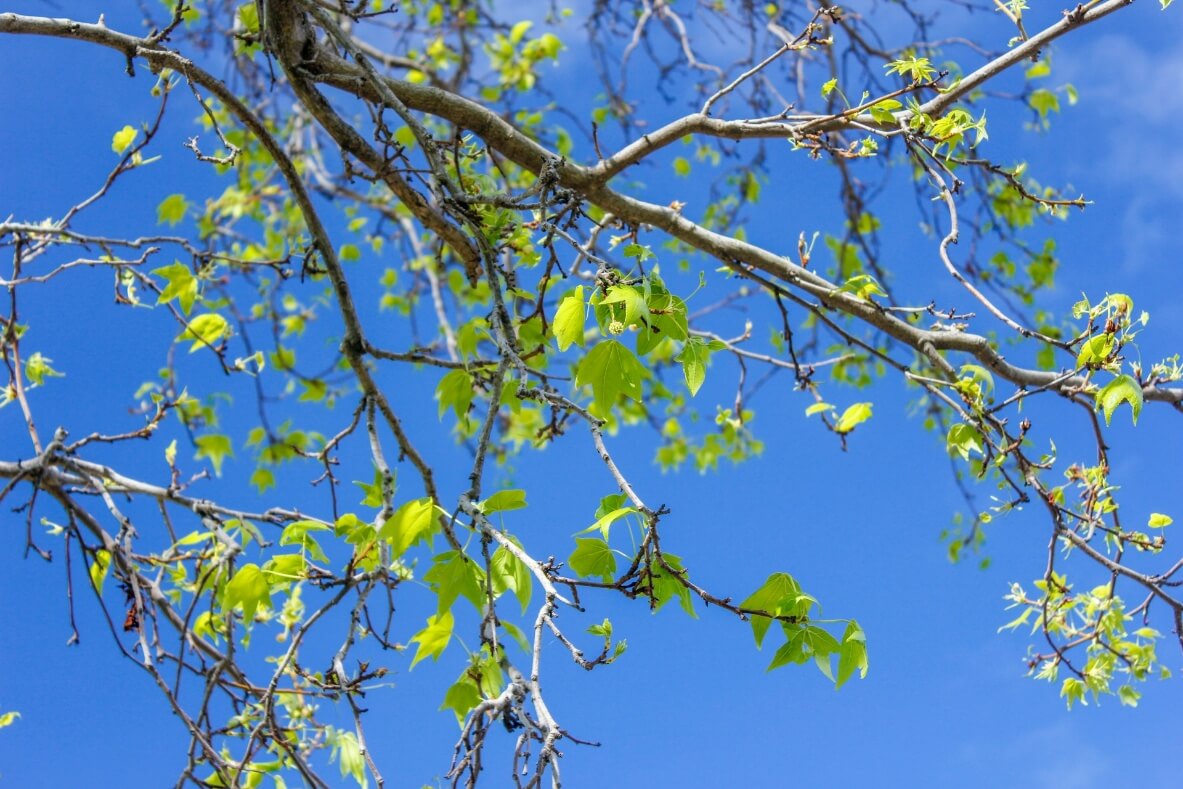
I wake early. The first thin light of morning slips over the horizon, catching the leaves and setting them ablaze in a glowing, almost surreal green. The world is quiet except for the birdsong. And then it hits me – it’s Sunday. A rare, precious Sunday with nowhere to be, no pressing commitments. Just stillness, sunlight, and the sweet luxury of time.
The air is cool and perfectly still, the world newly washed after nearly a week of rain. There’s a clarity to everything. For some reason, Karen Blixen’s line drifts into my mind: “It was Africa distilled up through six thousand feet, like the strong and refined essence of a continent.” She was speaking of the highlands of Kenya, but the memory feels fitting. We, too, sit at almost six thousand feet, and this morning the air carries that same distilled purity – sharp, clean, and quietly magnificent.
Many years ago, a woman in her late nineties lived next door. Over a steaming cup of tea, she would speak with shining eyes of “champagne days” – those flawless, jewel-bright days when the air is still, the sky a deep, endless blue, and the sun spills gold over everything it touches. Today was definitely one of them.
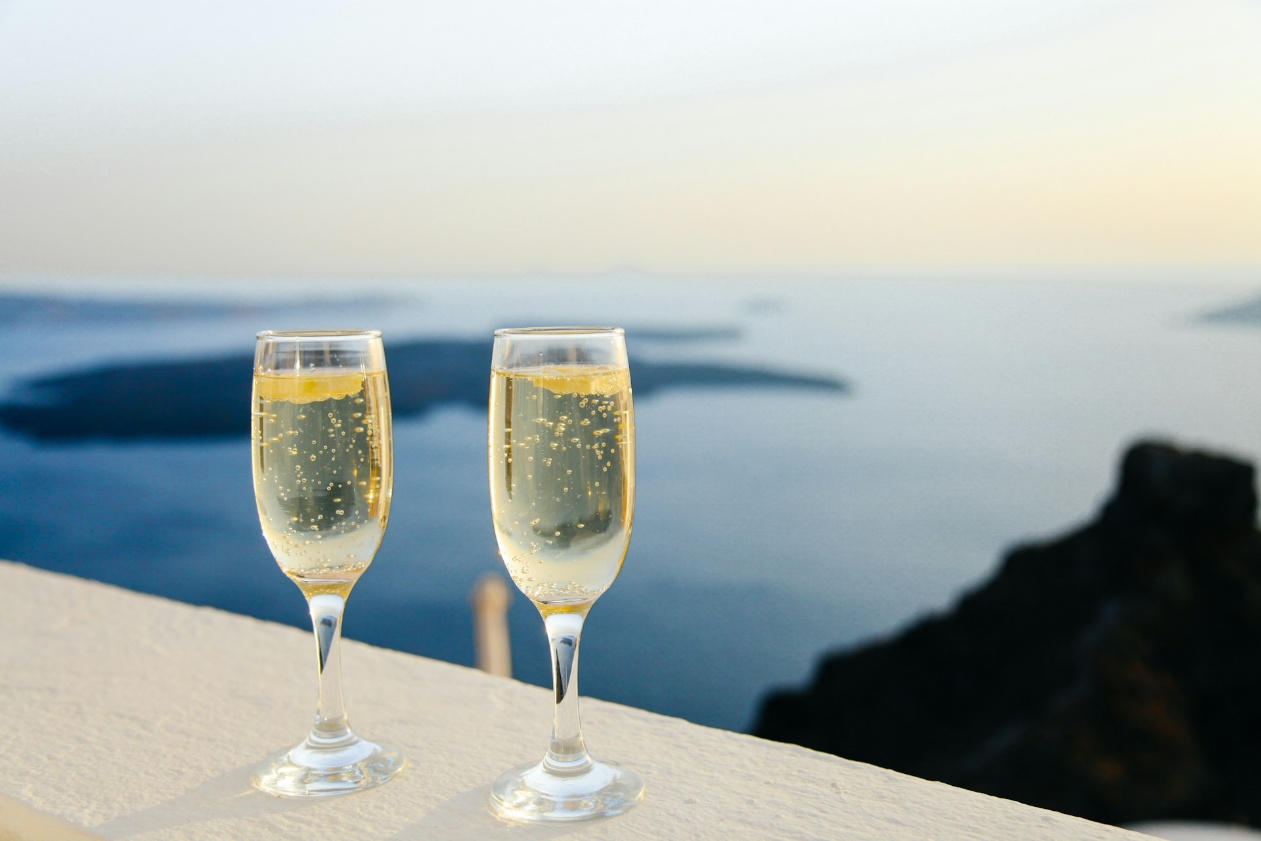
Which set me thinking about champagne itself – that word that seems to shimmer with associations: luxury, bubbles, freedom, festivities. Appropriate for the “silly season”. An elixir of celebration and joy. For me, the words Dom Pérignonhave always carried all of that magic. A name that evokes elegance and rarity. It’s a vintage champagne crafted by Moët & Chandon, made only in the finest years, from a single, exceptional harvest – a creation reserved for moments worthy of remembering
A blend of Pinot Noir and Chardonnay, it’s a champagne known to “those who have arrived”. Though it bears the name of the 17th-century monk Dom Pérignon, revered for elevating the quality of winemaking, he wasn’t the inventor of the Champagne method. That honour belongs to Christopher Merrett, an English scientist who, in 1662, first described the practice of adding sugar to still wine to trigger a second fermentation – three decades before the monk was working among the chalky slopes of Champagne.
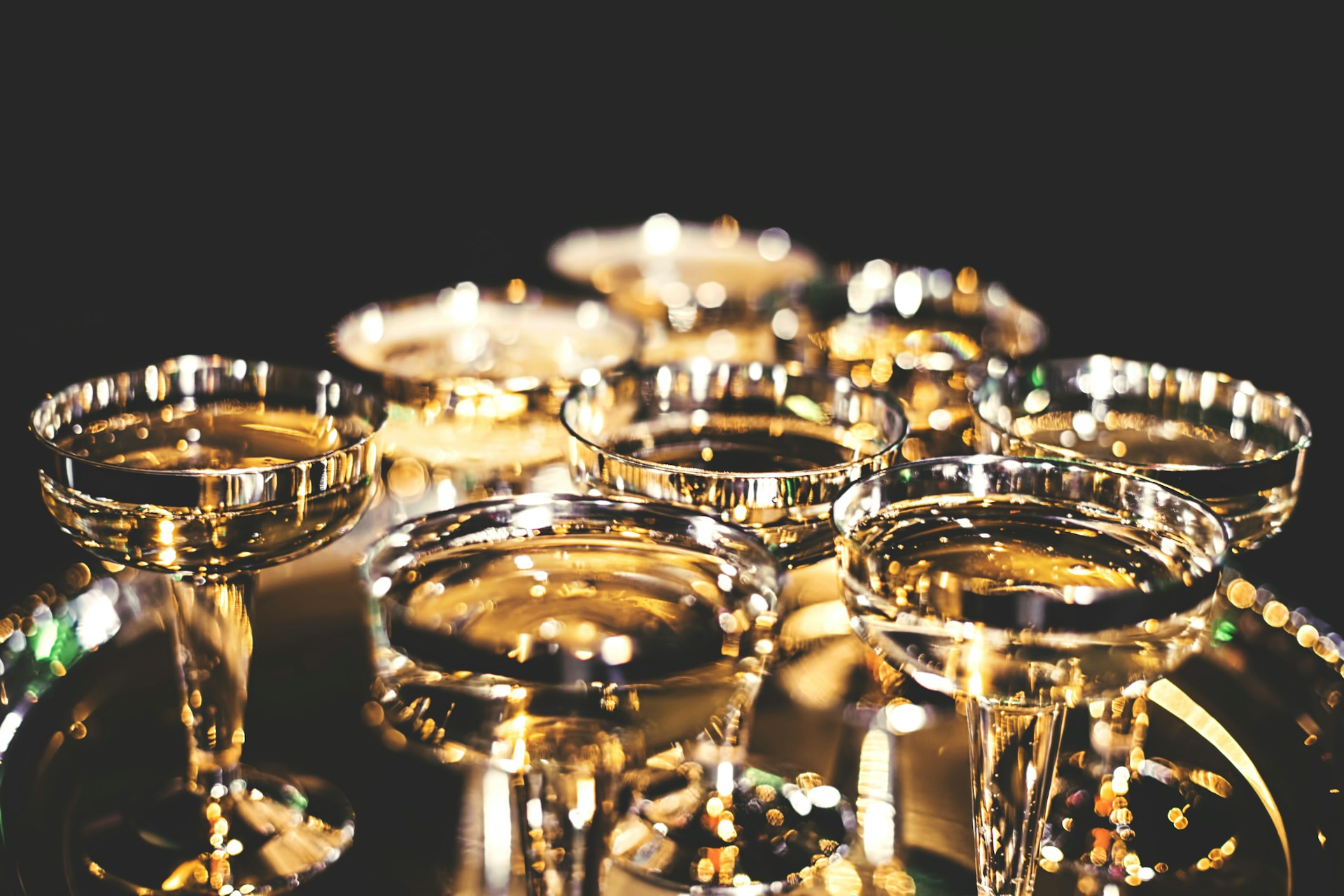
But truth be told, I’ve never been much concerned with who did it first. What matters to me is the present: who is crafting these shimmering bottles now, and what delights they place within reach. Because, in the end, it’s the experience – the celebration, the sparkle, the simple joy of raising a glass – that truly counts.
Dom Pierre Pérignon was a Benedictine monk and the devoted cellar master of the Abbey of Hautvillers in the 17th century – a man driven by a singular, almost spiritual ambition: to create “the best wine in the world.” Working in the cool, dim quiet of the abbey cellars, he introduced techniques that would become foundational to modern champagne. He perfected the art of blending grapes from different vineyards to achieve harmony and depth, and he refined the gentle pressing of black grapes to coax out a beautifully clear, pure juice. His legacy wasn’t invention so much as elevation – the thoughtful, disciplined refinement that turned a regional wine into something worthy of celebration.
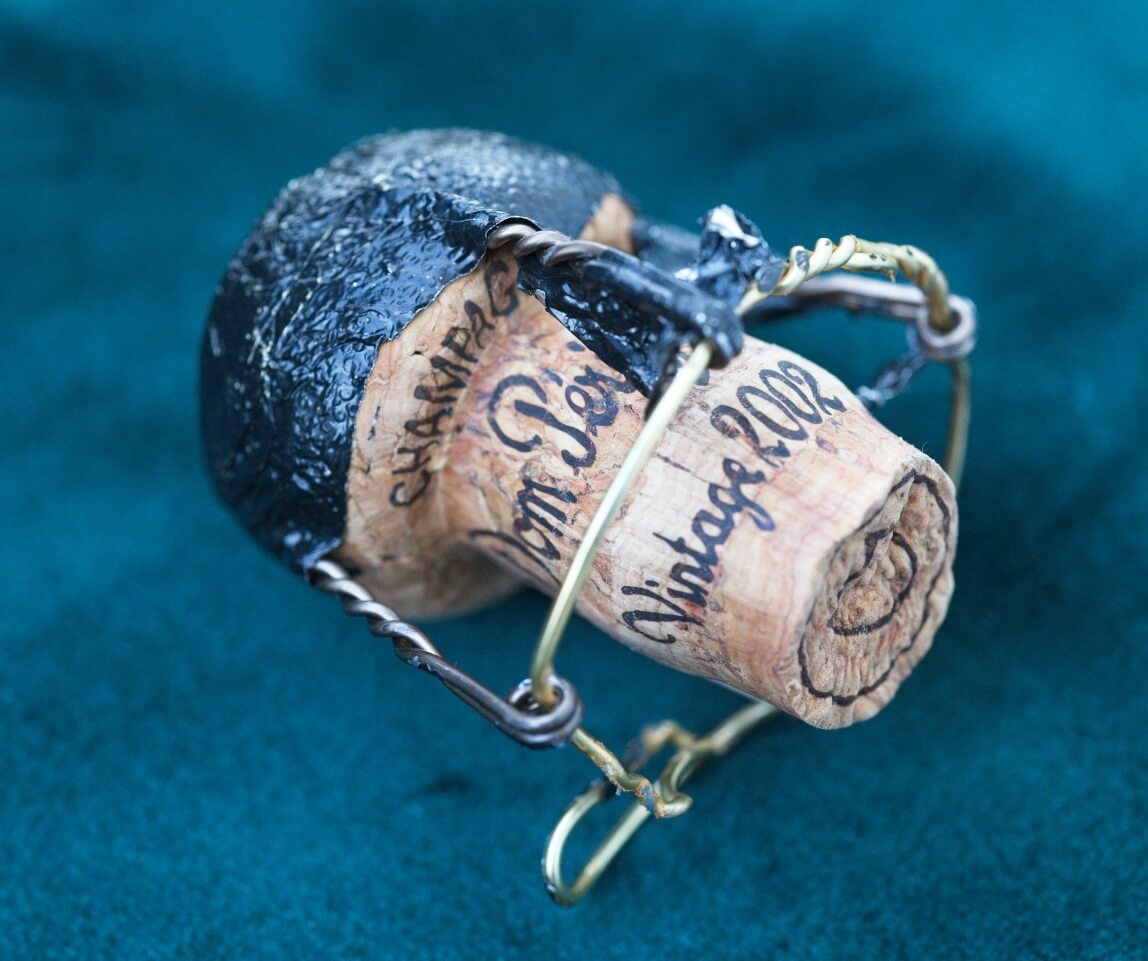
Dom Pérignon was not a fan of the bottle stoppers in existence at the time – typically wood wrapped in oil-soaked hemp, which often failed to contain the carbonation. Seeing Spanish pilgrims using cork to seal their water gourds, he experimented and advocated for using cork stoppers, which were more effective due to their elasticity and impermeability.
Today, the phrase “nectar of the gods” is used to evoke the divine and elevated status of champagne (as opposed to its original reference to mead), highlighting the rich flavours, aromas, and long history. It’s used to describe its prestigious qualities rather than any literal mythological origin. It is not lost on me that those closest to God – the monks themselves – were instrumental in shaping its very essence.
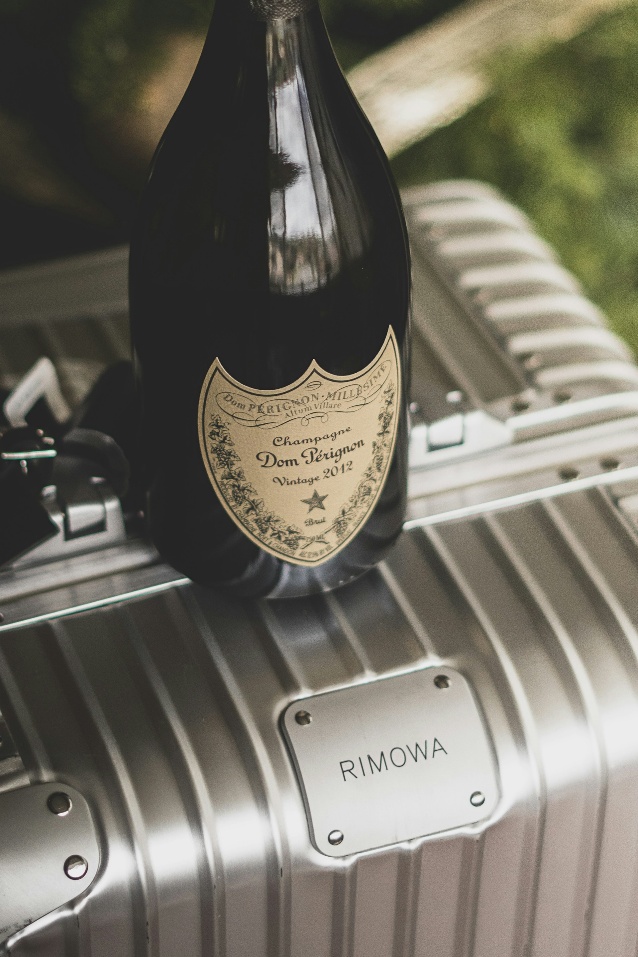
There are some rather interesting facts that pertain to Dom Pérignon:
- The brand, created by the house of Moët & Chandon, only produces champagne in exceptional years, ensuring every bottle meets a high standard of quality.
- The brand’s commitment is to produce Champagne only from the harvest of a single year. If the grape harvest does not meet Dom Pérignon’s stringent quality standards, no vintage will be declared for that year. When weather or growing conditions are not favourable for creating a high-quality product, the year is skipped entirely. On average, Dom Pérignon produces a vintage only about six times per decade. The decision is made by the cellar master, who determines if the grapes are satisfactory. This practice differs from non-vintage Champagnes, which are blended from multiple years to achieve a consistent house style.
- Because it is only produced in vintage years and is aged for a minimum of eight years in the cellars, Dom Pérignon is less common than other champagnes. This exclusivity contributes to its reputation as a luxury item.
- Each vintage is released in three “waves,” or Plénitudes, after increasingly long aging periods: the first release (P1) is around 8 years, the second (P2) around 18 years, and the third around 25 years.
- One of the more famous on-screen James Bond faux pas involves a bottle of Dom Pérignon. In On Her Majesty’s Secret Service, Bond orders a vintage 1957 Dom Pérignon – a choice that sounds perfectly sophisticated, except that no such vintage actually exists. Even 007, it seems, is not immune to the occasional champagne misstep.
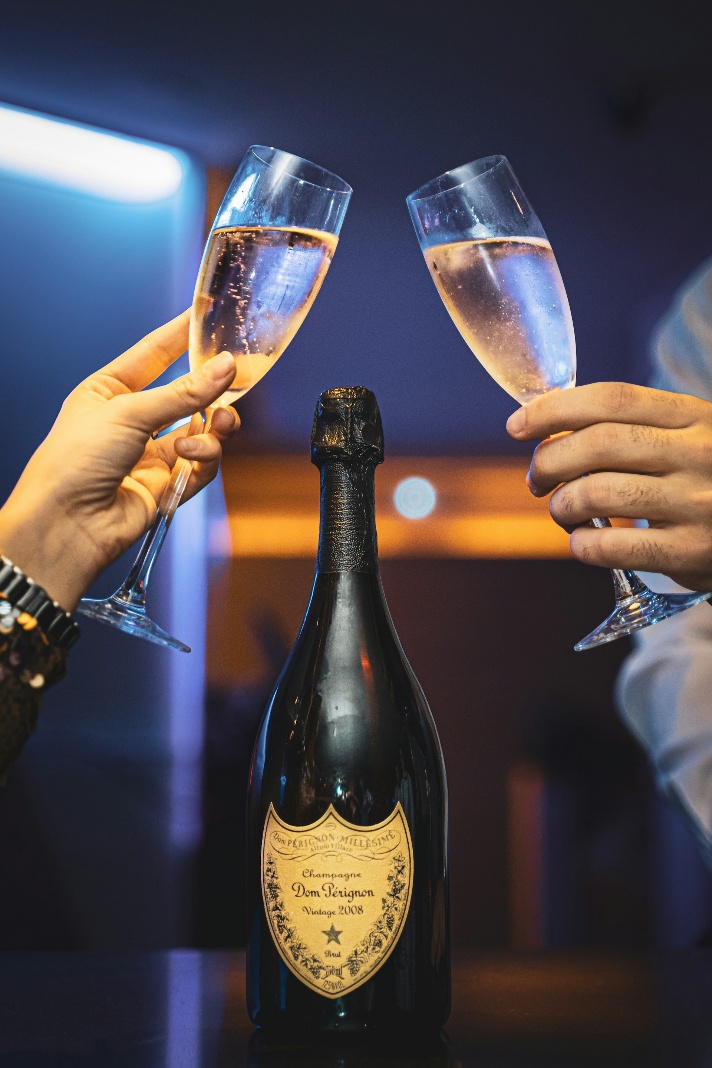
Under French and European law, only sparkling wine produced in the Champagne region, located in northeastern France, can legally be labelled as “Champagne”. Producers must follow strict rules, some of which include the use of specific grape varieties (mainly Chardonnay, Pinot Noir, and Pinot Meunier) and the méthode champenoise, which involves a second fermentation in the bottle. Sparkling wines from other regions, even those made with the same method, must use different names. Examples include Prosecco from Italy, Cava from Spain, and Cap Classique from South Africa.
In the end, it doesn’t matter what’s in your glass or what comforts your pocket – my hope is simply that you savour the moment, celebrate life, and fill it with whatever brings you joy. And when the night stretches long and the laughter flows a little too freely, please take care of yourself. Call a cab, lean on a friend, get home safe.
#ArriveAlive #DontDrinkAndDrive
Jacqui Ikin & The Cross Country Team
INFO BLOCK:
Pronounce Dom Pérignon – How and WHY?
https://www.youtube.com/watch?v=fFzz_po8eKk&t=22s
How Good is Dom Pérignon Champagne?
https://www.youtube.com/watch?v=h920robTq0o
Fun facts about Dom Pérignon Champagne
https://www.youtube.com/watch?v=hnrAD6mAsM4
Is It Worth It? Dom Perignon Vintage Champagne vs others
https://www.youtube.com/watch?v=kfGfFq35us0
