
Viva the Springbok!!
“On the 28th I had the satisfaction of beholding for the first time, what I had often heard the Boers speak of, viz. a ‘trek-bokken’, or grand migration of springboks. This was, I think, the most extraordinary and striking scene, as connected with beasts of the chace (old French word meaning ‘to hunt’), I ever beheld. For about two hours before dawn I had been lying awake in my wagon, listening to the grunting of the bucks within two hundred yards of me, imagining that some large herd of springboks was feeding beside my camp; but rising when it was light, and looking about me, I beheld the ground to the northward of my camp actually covered with a dense living mass of springboks, marching slowly and steadily along; they extended from an opening in a long range of hills on the west through which they continued pouring, like a flood of some great river, to a ridge about a mile to the north-east, over which they disappeared – the breadth of the ground they covered might have been somewhere about half a mile. I stood upon the forechest of my wagon for nearly two hours, lost in astonishment at the novel and wonderful scene before me, and had some difficulty in convincing myself that it was a reality which I beheld, and not the wild and exaggerated picture of a hunter’s dream.” (Cumming, R.G. 1857. The Lion Hunter of South Africa: Five Years Adventure in the Far Interior of South Africa. New Edition, John Murray, London. pp. 79-81.)
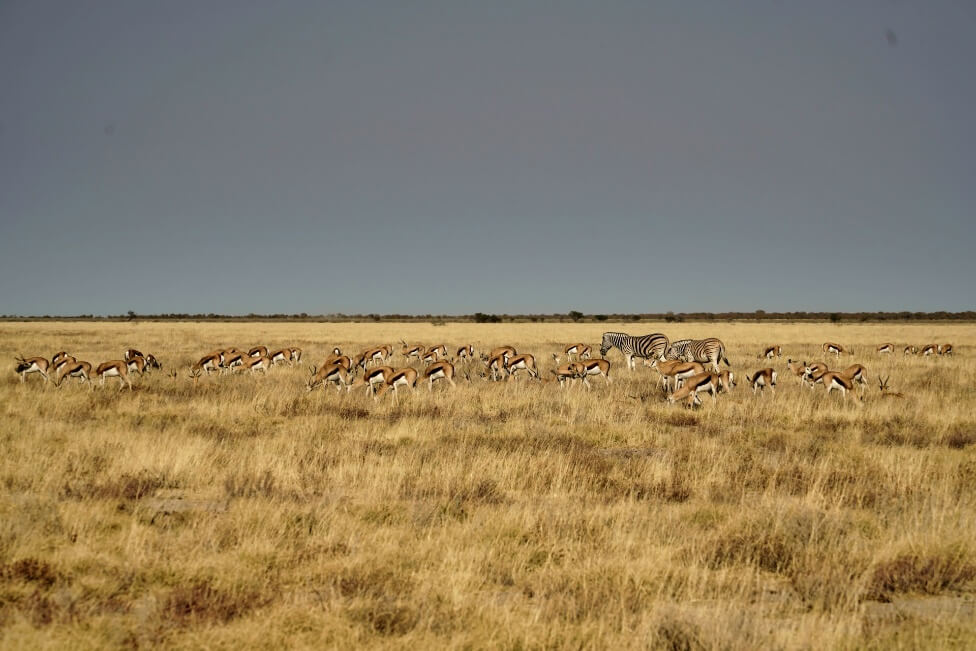
The great springbok migrations of South Africa – the legendary trekbokke – have long since vanished, undone by the slow tightening of human hands around the land. Hunting thinned their ranks; fences carved up the open plains; farms sprouted where wild grasses once rippled like water. By the time the last vast migration swept across the Karoo in 1896/97, the age of wandering millions was already fading into memory.
Today, the springbok still survive, even thrive in numbers, but the earth no longer trembles beneath a living tide. Their movements are scattered now, small and localized, mere echoes of what once was. Conservationists stitch together patches of land, trying to reopen ancient corridors, hoping to coax back some whisper of that old, instinctive rhythm.
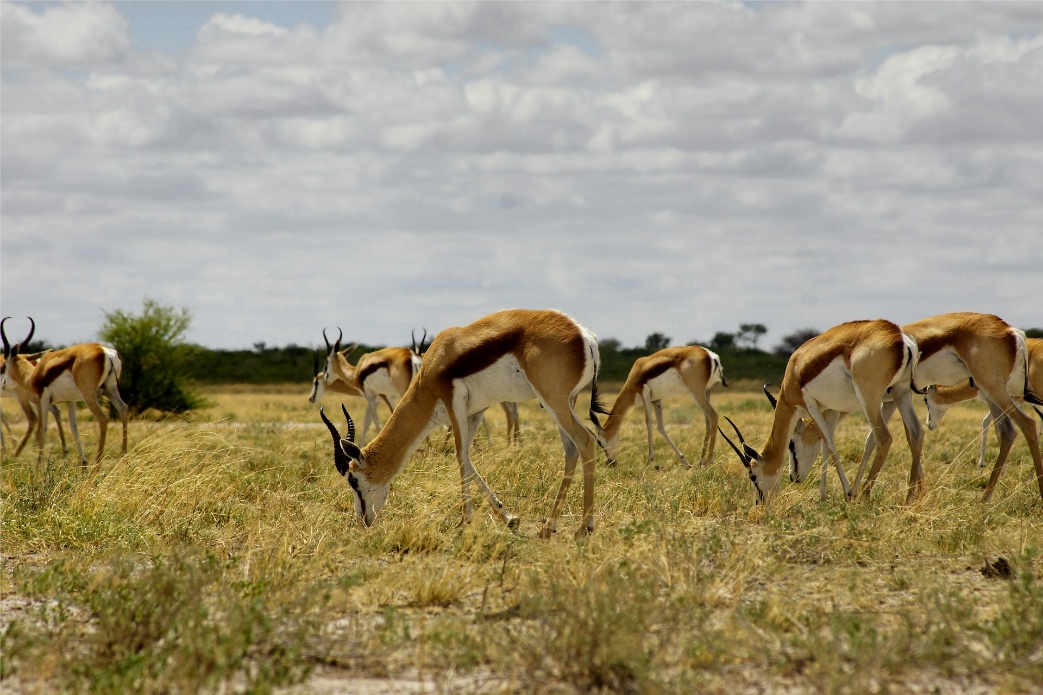
But had you stood on the Karoo veld in the 1800s – had you felt the wind stiffen and tasted dust rising from the horizon – you would have witnessed a phenomenon so immense it belonged to myth. The delicate antelope, usually shy and airy as sunlight, transformed into trekbokken: a surging, unstoppable mass, the mammalian counterpart of a locust swarm. They moved like the weather. They blotted out the earth. They were not a herd but a force, sweeping across the plains with a power that reshaped everything in their path.
For those who saw it, it was a miracle and a terror – a reminder that the land was once ruled by wanderers beyond counting, and that the Karoo itself had a heartbeat that pulsed to their passage.
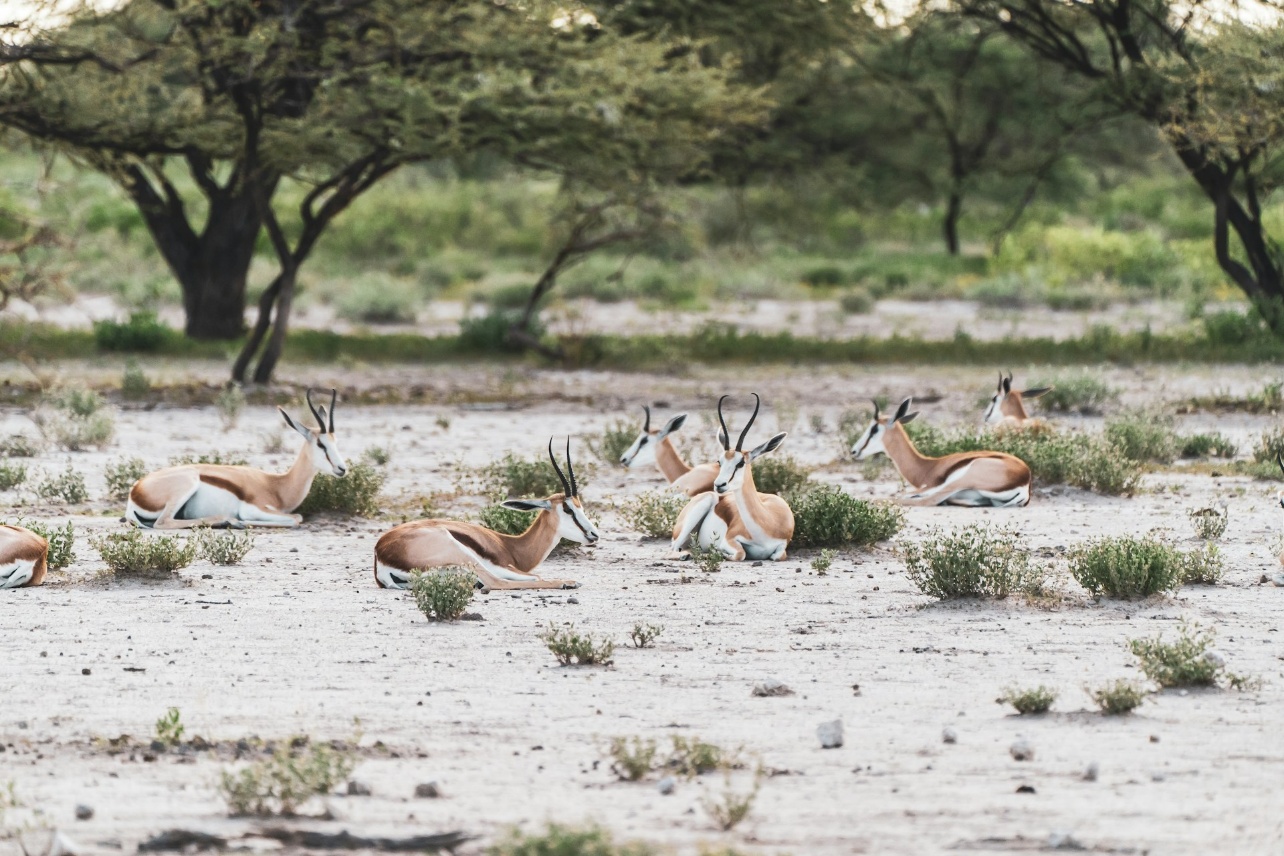
I’ve lost track of how many times I’ve stumbled across stories like this in the old South African writings. And every time, I pause and try to picture it. It must’ve been one of those scenes that knocks the breath right out of you – the kind you’d never forget. But it wasn’t exactly the sort of spectacle people welcomed. These animals could leave chaos in their wake. There was this strange, almost electric herd instinct that seemed to switch on in them, the way a cloud of locusts suddenly becomes a living storm. Once they moved as one, you could forget about stopping them. Nature had made up its mind. The first article in the information block gives you some idea of the chaos.
It is no surprise that the springbok stands as South Africa’s national animal – a creature whose very presence seems to pulse with the nation’s spirit. Sleek and swift across the open plains, it embodies resilience born of survival, speed forged in wide horizons, and a quiet unity that binds herds together against the vastness of the land. When a springbok leaps skyward in its iconic “pronking”, it seems to defy gravity itself, a celebratory arc of strength and grace.

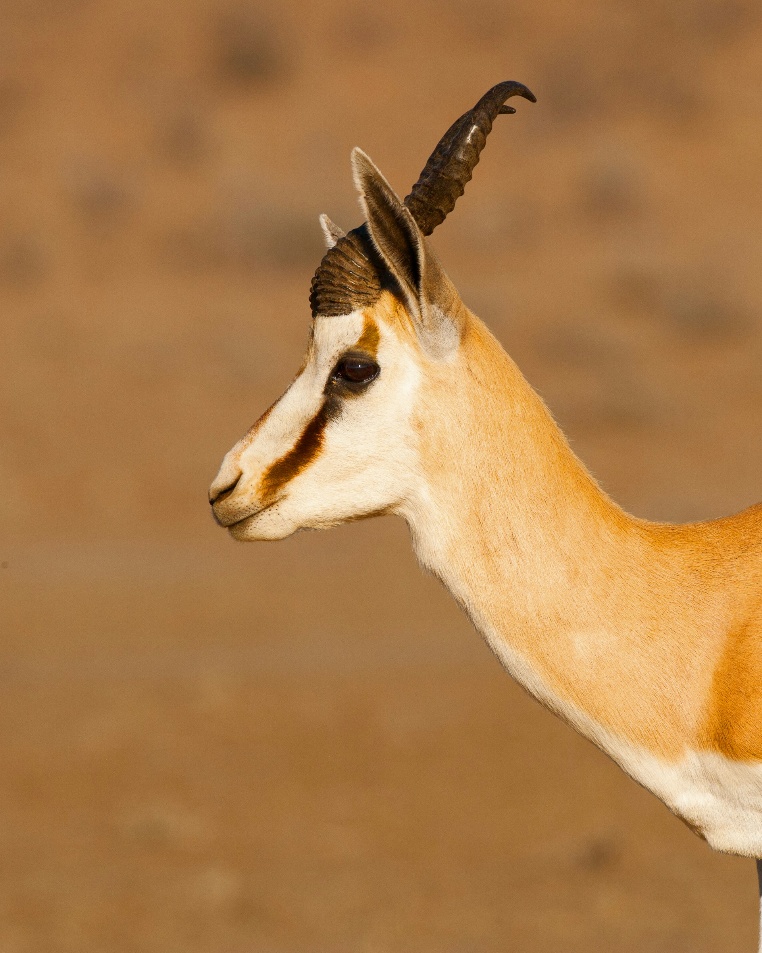
In the wild, springboks are remarkable examples of evolutionary adaptation. These social herbivores thrive in arid environments, often obtaining all the water they need from the plants they eat. Most active at dawn and dusk, they are among Africa’s fastest land animals, capable of sprinting up to 88–90 km/h. They primarily graze on grasses but also browse shrubs and succulents, and both males and females bear elegant, curved horns. As South Africa’s national animal, springboks embody speed, resilience, and adaptability, thriving in harsh landscapes where water is scarce and survival demands both caution and swiftness.
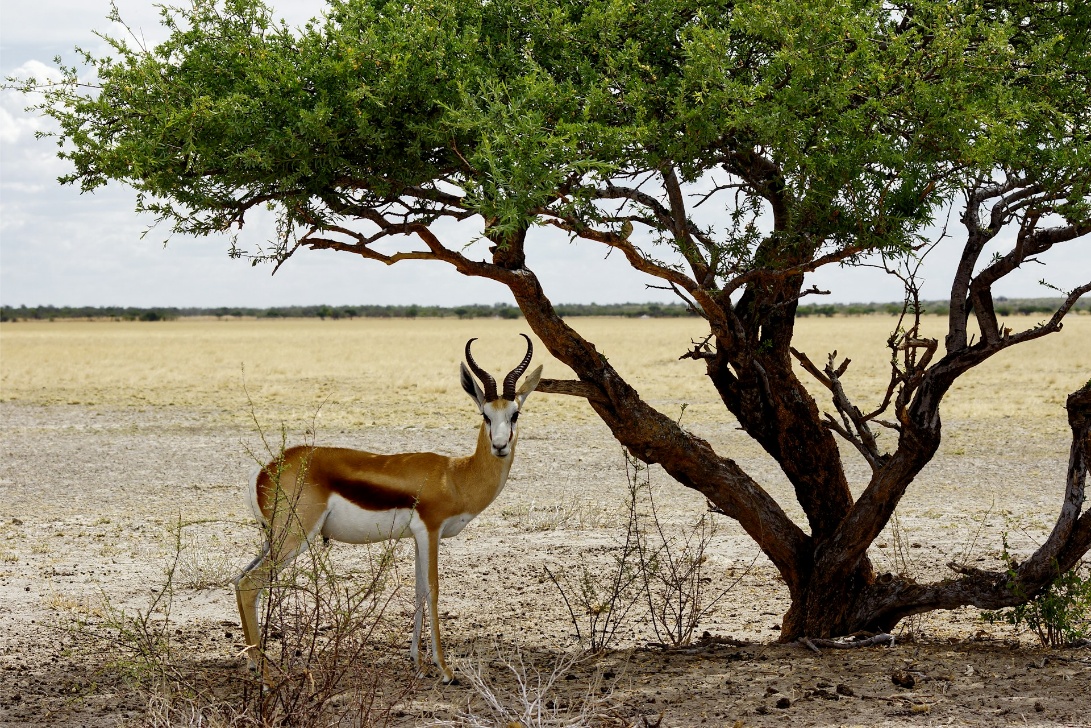
Its ability to thrive in harsh landscapes mirrors the endurance and tenacity woven into South Africa’s history. Perhaps that is why the springbok became more than an emblem on a crest; it became a heartbeat of national pride, woven deeply into the identity of the rugby team and, with it, the people who rally behind the green and gold. Viva Bokke Viva!!
Jacqui Ikin & The Cross Country Team
INFO BOX:
Solving the great mystery of the trekbokke – By Julienne Du Toit:
https://www.dailymaverick.co.za/article/2024-02-01-springbok-across-the-horizon/
Springbok Pronking
https://www.youtube.com/watch?v=16p_p86iJwQ&t=21s
Springboks Antelopes vs Cheetahs
https://www.youtube.com/watch?v=qr5Sru8gGSk&t=4s
