
Coral SOS
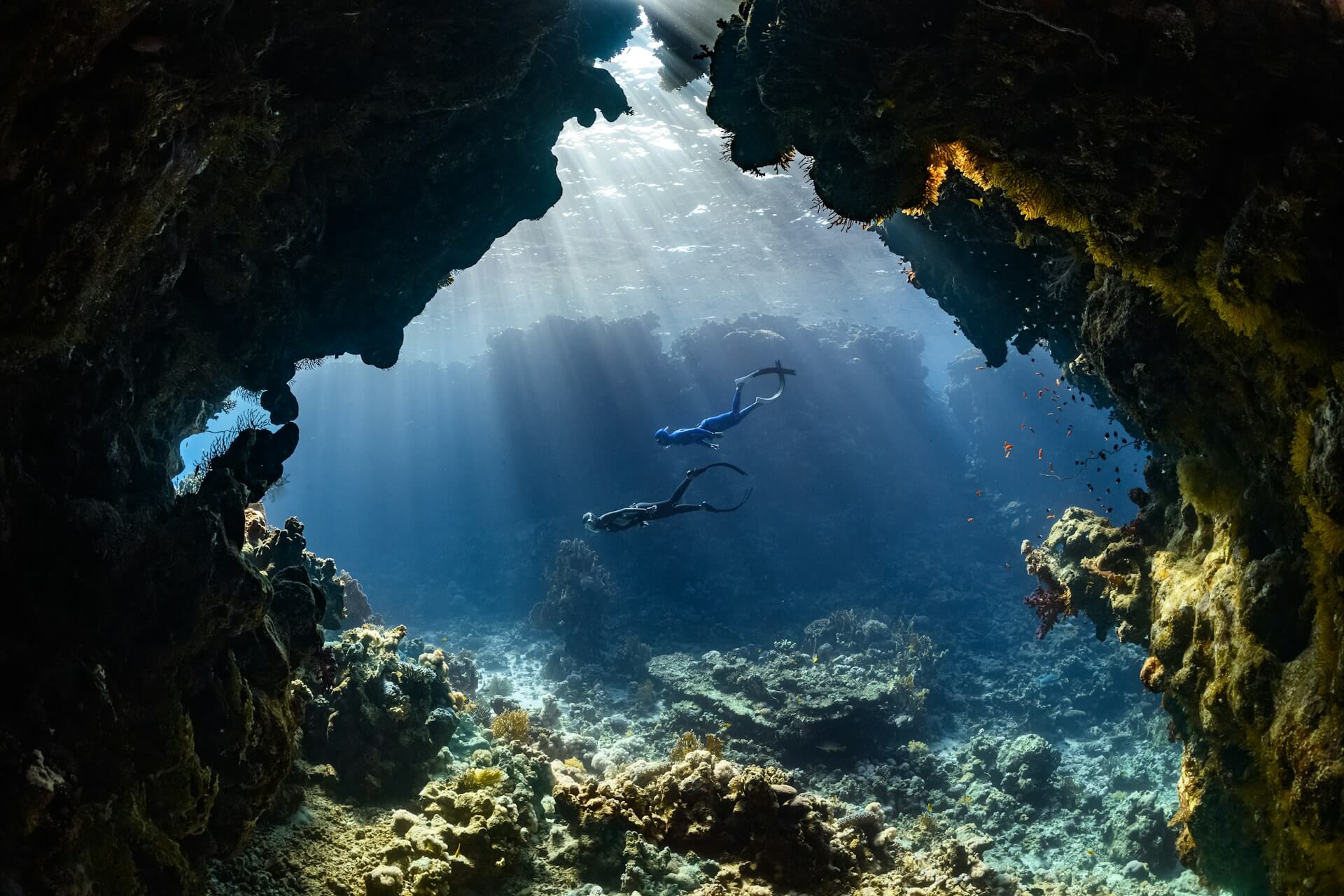
In South Africa we are extremely fortunate that we can go and snorkel or scuba at places like Sodwana and enjoy the beautiful tropical fish on their natural environment – the coral reef. I remember going to Mauritius many years ago (circa 1987 or so) and being horrified at how dead their reefs were in comparison to those I knew from home.
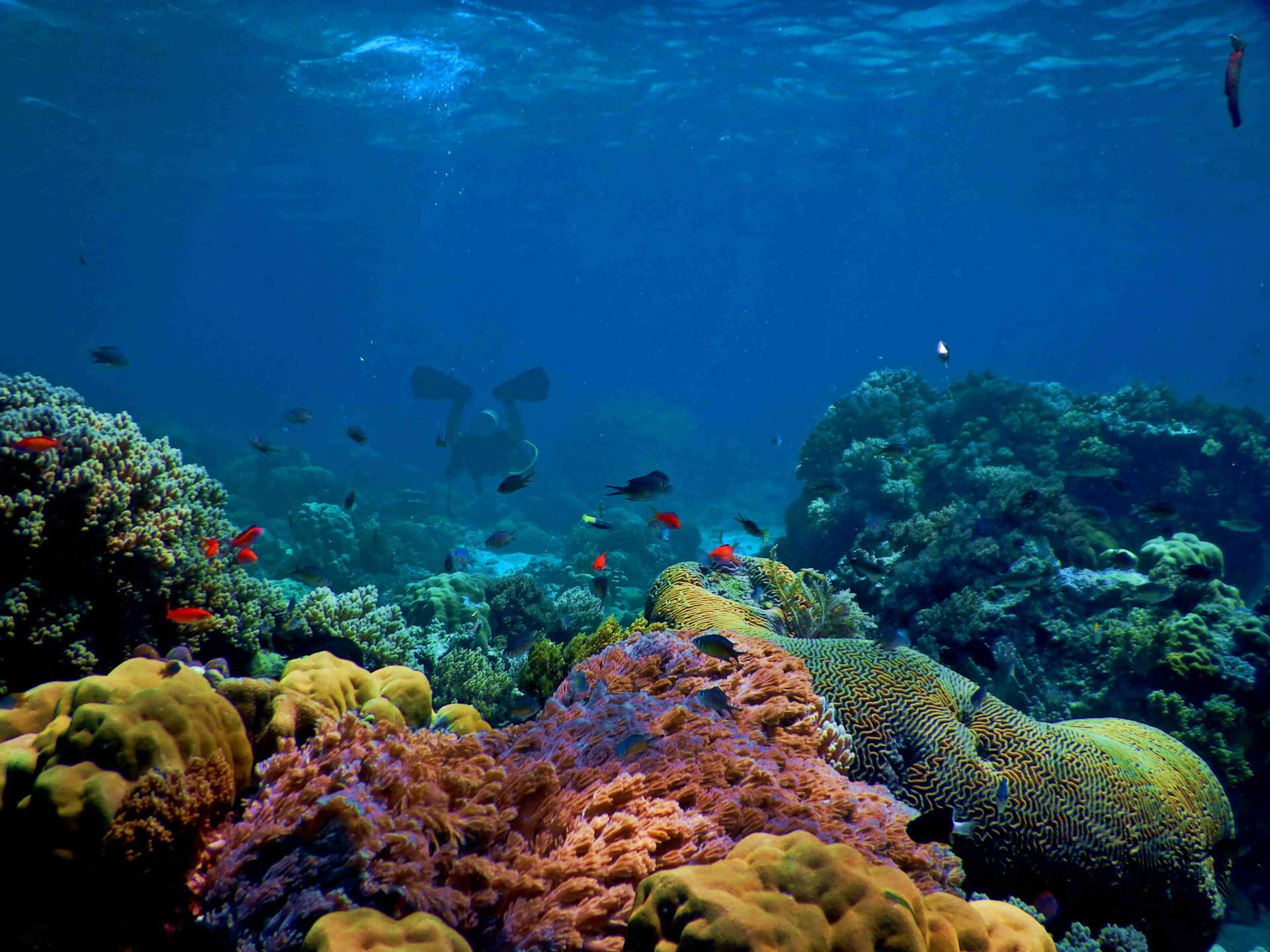
As always, what we explore here in southern Africa also has validity in other areas of the world. If humans of the world understood that conservation is a global issue, our world would be so much better for it. So, let’s look at some of the ways in which Coral Reefs can be damaged.
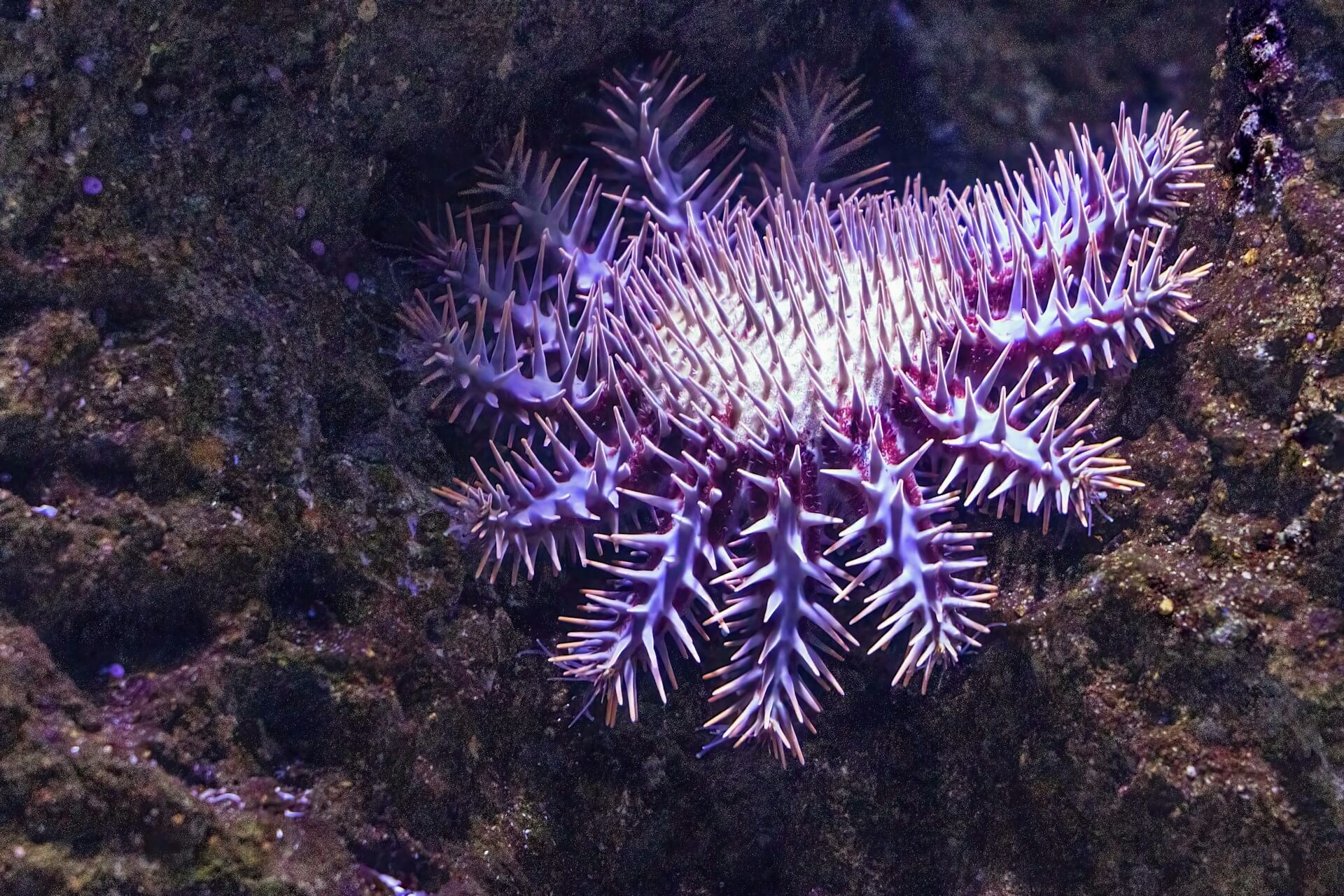
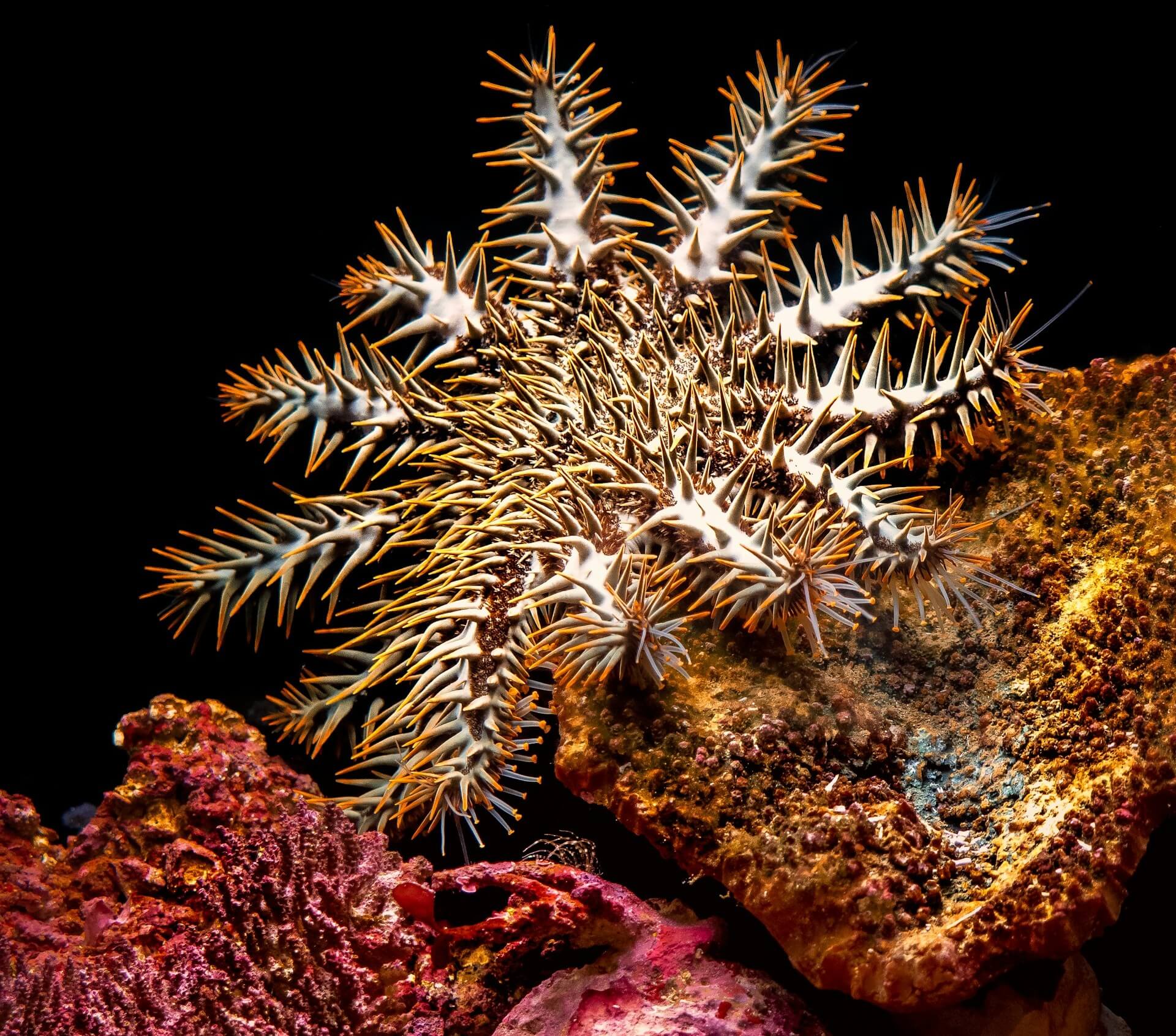
The first enemy of coral reefs that we will address is the crown-of-thorns starfish. These starfish are also found in our local waters, but the main focus of their notoriety exists on the legendary Great Barrier Reef. Outbreaks there have caused extensive coral loss, contributing significantly to the reef’s decline. These outbreaks on the Great Barrier Reef have been linked to about 42% of the 50% coral cover loss since 1985. An adult crown-of-thorns starfish can eat up to 10 square meters of coral per year, and outbreaks can kill up to 90% of the corals on affected reefs. Envenomation from these starfish can result in nausea, numbness, vomiting, joint aches and sometimes paralysis, but also serious systemic reactions such as hemolysis (the rupture or destruction of red blood cells) and even liver damage.
Scientists are making headway with solutions such as injecting the starfish with chemicals such as vinegar – within 24 hours there’s basically nothing left of the starfish, who go into an autoimmune self-destructive process. The Giant Triton Sea Snail has also been successful in reducing the numbers of the starfish – but not quickly enough. There are still millions too many, and one female can produce 100 million eggs (or more) per season. The battle is ongoing and robust – and won’t be resolved anytime soon (although they are making headway – see the videos in the info block).
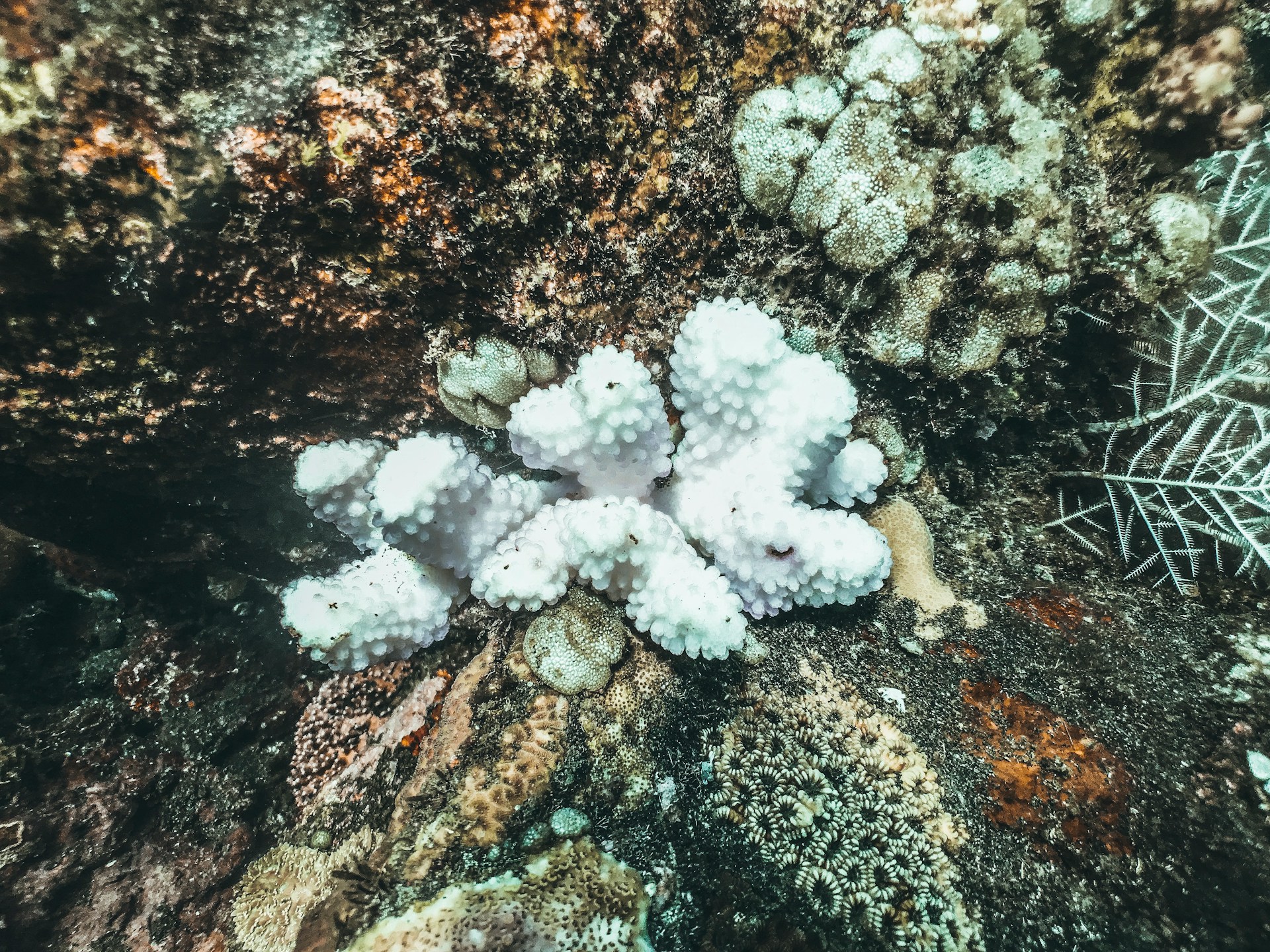
Rising sea surface temperatures, a direct result of global warming, can trigger coral bleaching events. Coral bleaching is a phenomenon where corals lose their vibrant colours and turn white due to expelling the symbiotic algae living within their tissues, called zooxanthellae. This is done because, with the warmer water, the algae can’t effectively use the sun’s energy for photosynthesis, leading to the production of harmful chemicals (reactive oxygen species) that damage both the algae and the coral. This stress causes the coral to expel the algae, resulting in a white or bleached appearance. This weakens them and makes them more vulnerable to disease and death. Additionally, ocean acidification, another consequence of global warming, hinders coral skeleton growth, further impacting their health and ability to thrive.
Bottom trawling, which involves dragging nets across the seabed, significantly damages coral reefs and other marine ecosystems. It physically destroys habitats, smothers or scrapes the seabed, and can indiscriminately catch and kill vulnerable species, including corals, fish, and other marine life. Several countries still engage in bottom trawling, including China, Vietnam, Indonesia, the USA, the UK, Russia, Norway, and New Zealand. I was somewhat surprised to see some of the country’s names on that list. Whilst South Africa does engage in bottom trawling, particularly for hake, the hake trawling fisheries have implemented measures to minimize the impacts, including ring-fenced fishing grounds (specific areas where trawling is permitted, while other areas are off-limits to protect the seabed and its ecosystem) and bycatch management practices (strategies to minimize or eliminate the unintentional capture of non-target species in fisheries).
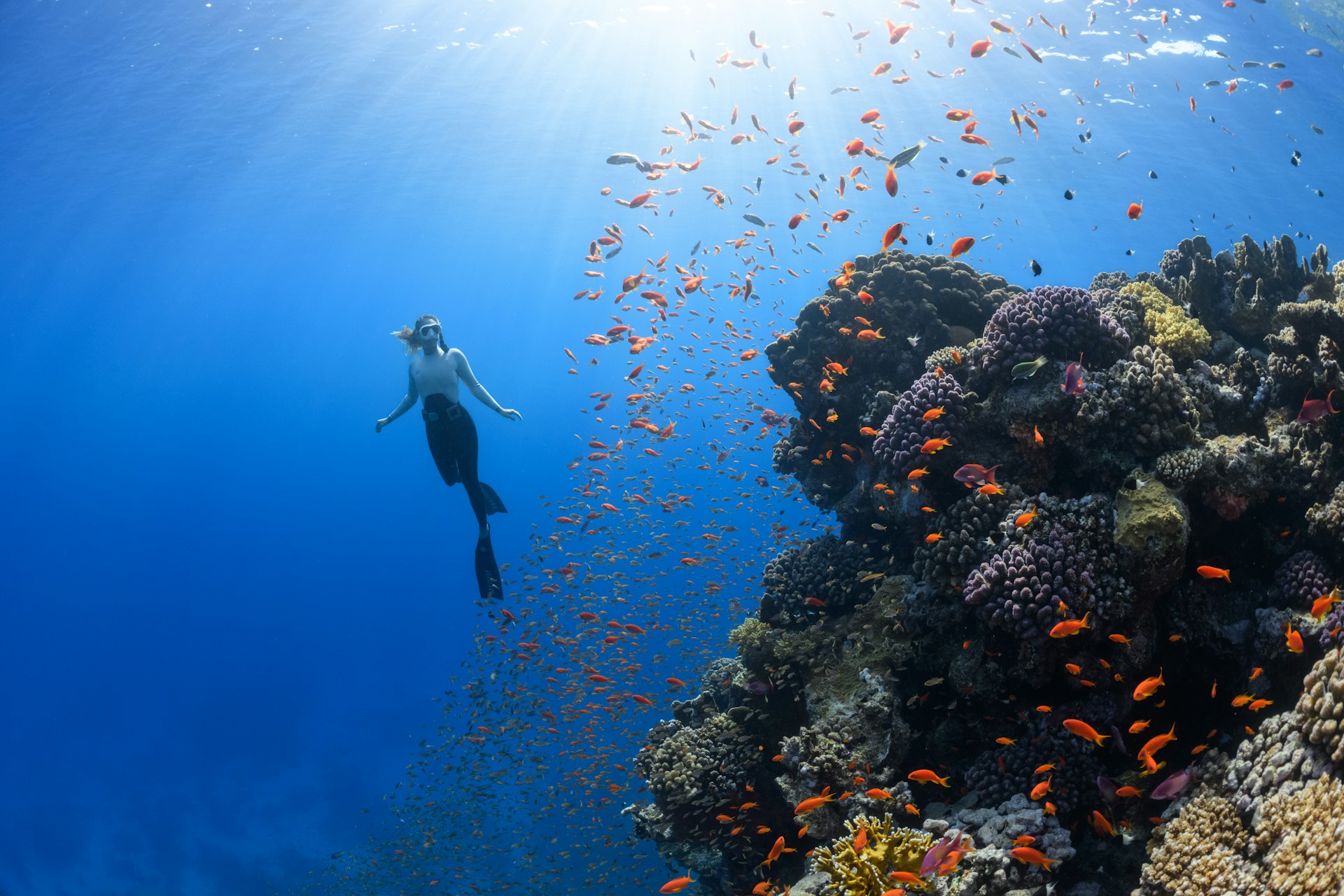
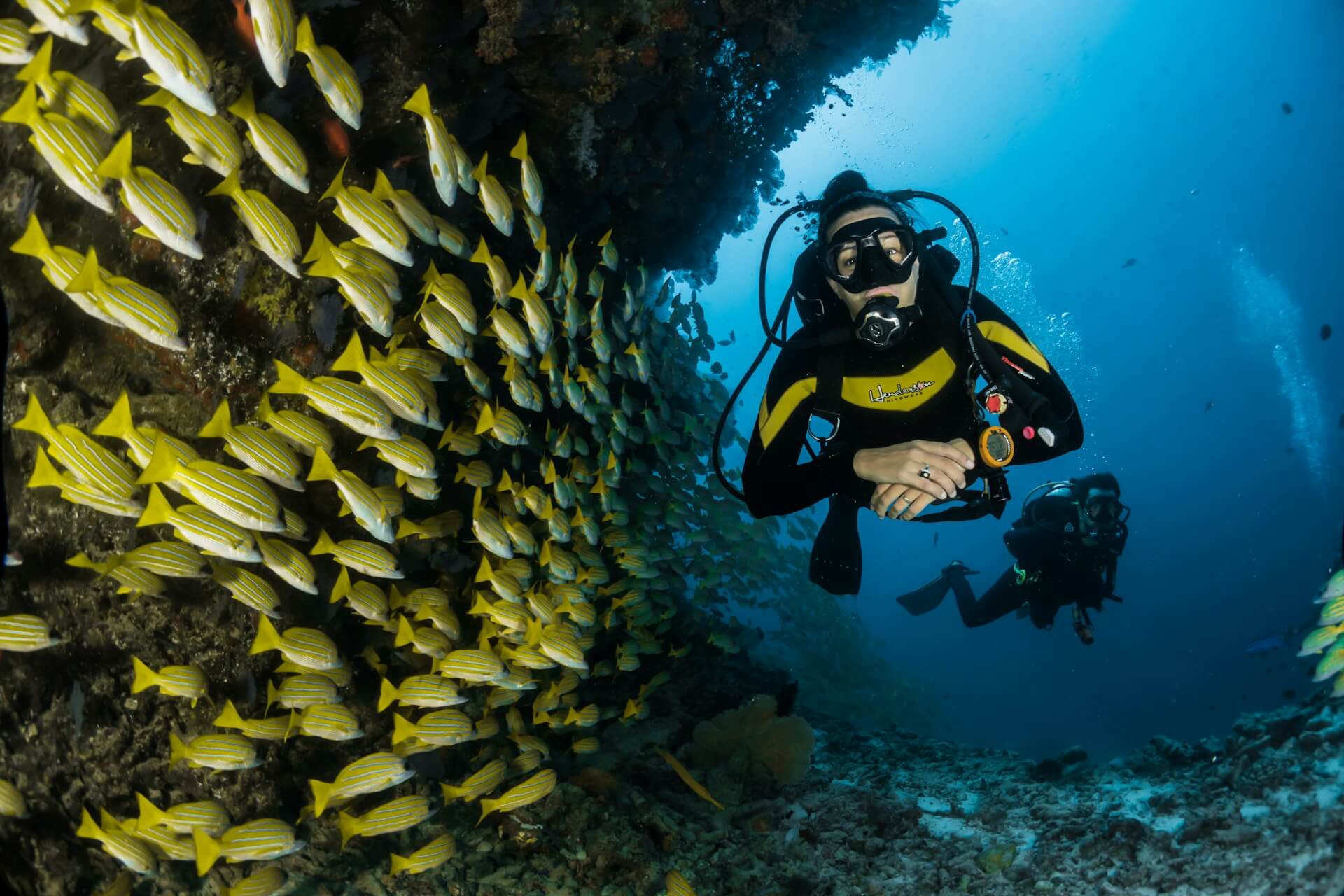
Divers, especially unexperienced recreational divers, can cause significant damage to coral reefs through physical contact, sediment disturbance, and destructive behaviours. Whilst much of it is unintentional (bumping and breaking corals due to lack of buoyancy control), some is intentional as divers take coral home as a memento. There are so many ways divers can protect coral reefs – by practicing responsible diving techniques, avoiding physical contact with corals, and reducing their environmental impact. They can also contribute to conservation efforts by participating in clean-up dives, citizen science programs, and by supporting reef restoration projects. There’s a great article in the info block. And talking about projects…
I noted a FB reference to “Mexico Develops 3D-Printed Coral to Restore Dying Reefs”. It was quite difficult to find other references to the article – and many are trying to prove it to be a hoax (although to what end I cannot imagine). I did, however, find an engineering article which alluded to the same concept. In essence, Mexican scientists are using 3D printing technology and biodegradable materials like calcium carbonate (a key ingredient in natural coral) to create reef structures that mimic the texture, shape, and function of real coral. They allege that within just six months of installation, “researchers recorded a 300% increase in biodiversity around some printed reefs”. I haven’t been able to confirm these numbers, but some of the articles in the info box definitely point to this being an initiative – and a fascinating one at that!
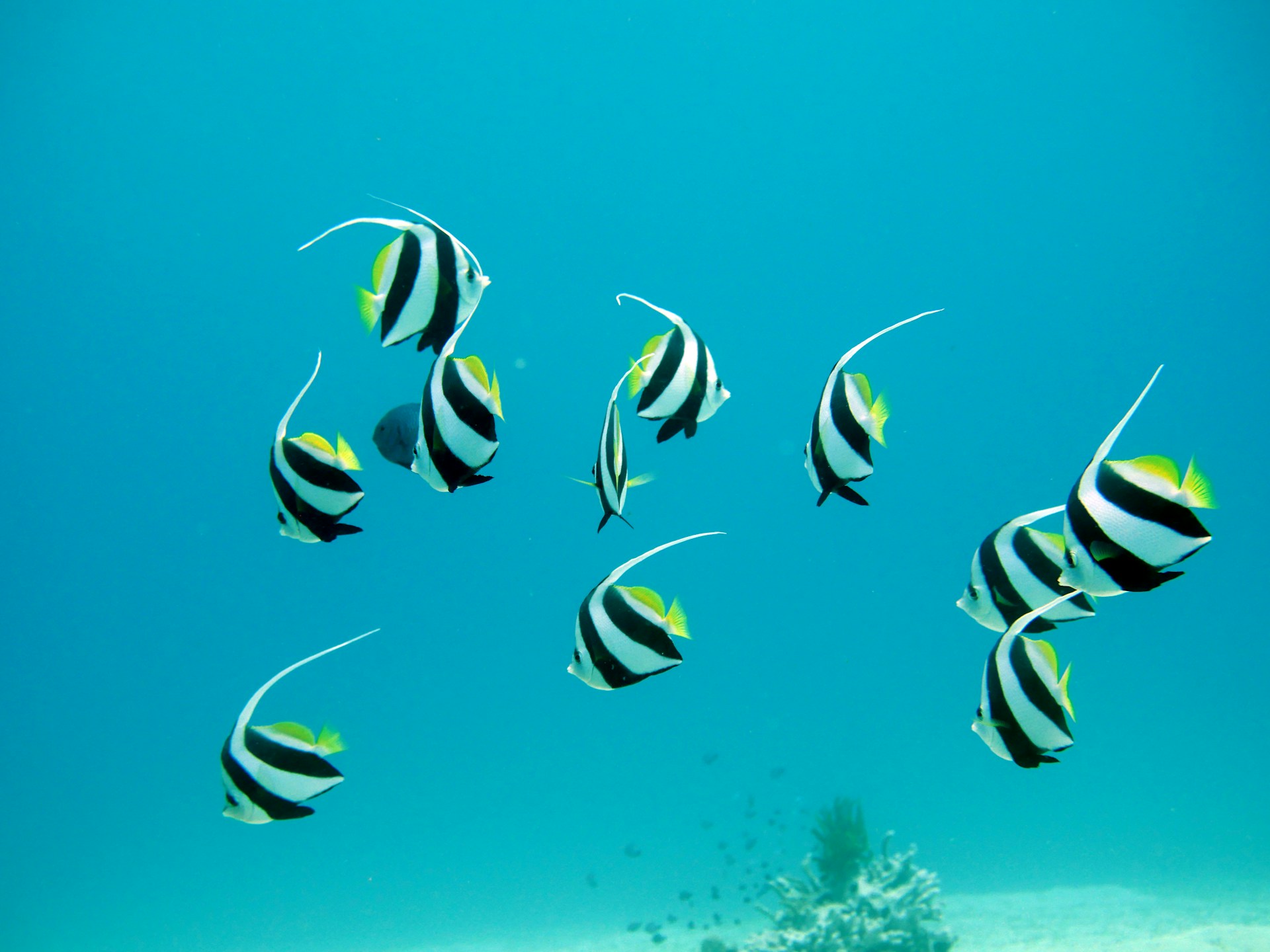
We are exceptionally lucky that most of our beautiful reefs have survived relatively unscathed by bleaching, starfish etc. Which is all the more reason to look after them, keeping them as pristine as possible within the mandate of encouraging tourism. Long may we be able to view all these little gems on our beautiful coral reefs!
Jacqui Ikin & The Cross Country Team
INFO BLOCK:
Crown of Thorns Starfish | Coral reef killers (robots, vinegar and Giant Triton snails):
https://www.youtube.com/watch?app=desktop&v=-tG60zUFW-A&t=64s
Giant triton vs crown of thorns starfish:
https://www.youtube.com/watch?v=jTUxUMNrxkQ
You catch more starfish with vinegar:
https://www.csiro.au/en/news/All/Articles/2019/February/vinegar-a-secret-weapon-in-the-fight-against-crown-of-thorns-starfish
Discover Eco-Friendly Diving:
https://www.master-divers.com/blog/diving-knowledge/discover-eco-friendly-diving/
Mexico Saves Coral Reefs with 3D Printers:
https://engineerine.com/3d-printed-coral-reefs/
Coral skeletons crafted from 3D-printed calcium carbonate could restore damaged reefs
https://www.dezeen.com/2020/08/06/coral-carbonate-reef-skeletons-objects-ideograms/
Coral Carbonate:
https://www.oplusi.com/coral-carbonate
The Designer:
https://www.alex-goad.com/
One year ago, we created a reef — now it’s full of life:
https://www.youtube.com/watch?v=QwTZCzfuqEQ

