
The Ubuntu of Ardmore
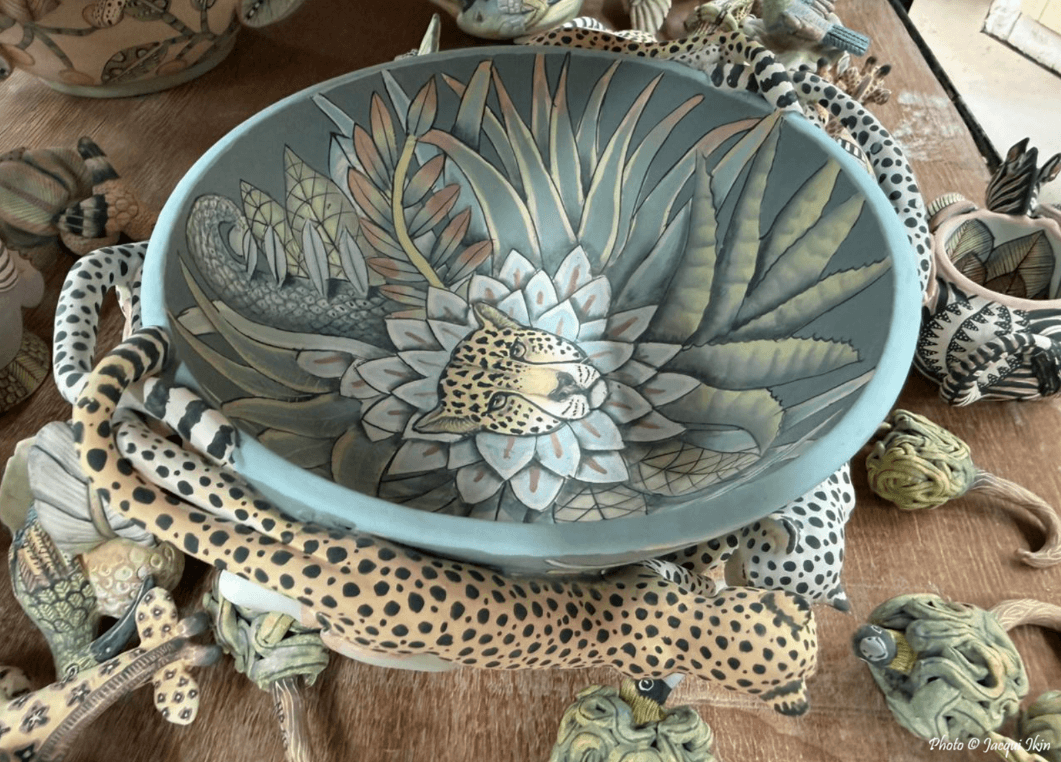
South Africa is a land of contrasts: contrasting landscapes, contrasting cultures, and contrasting skin tones. It is precisely these contrasts that make our country one of the most fascinating places on earth. There is also the contrast between the disappointing and the extraordinary, between what falls short and what exceeds all expectations. Ardmore Ceramics belongs firmly in the latter category.
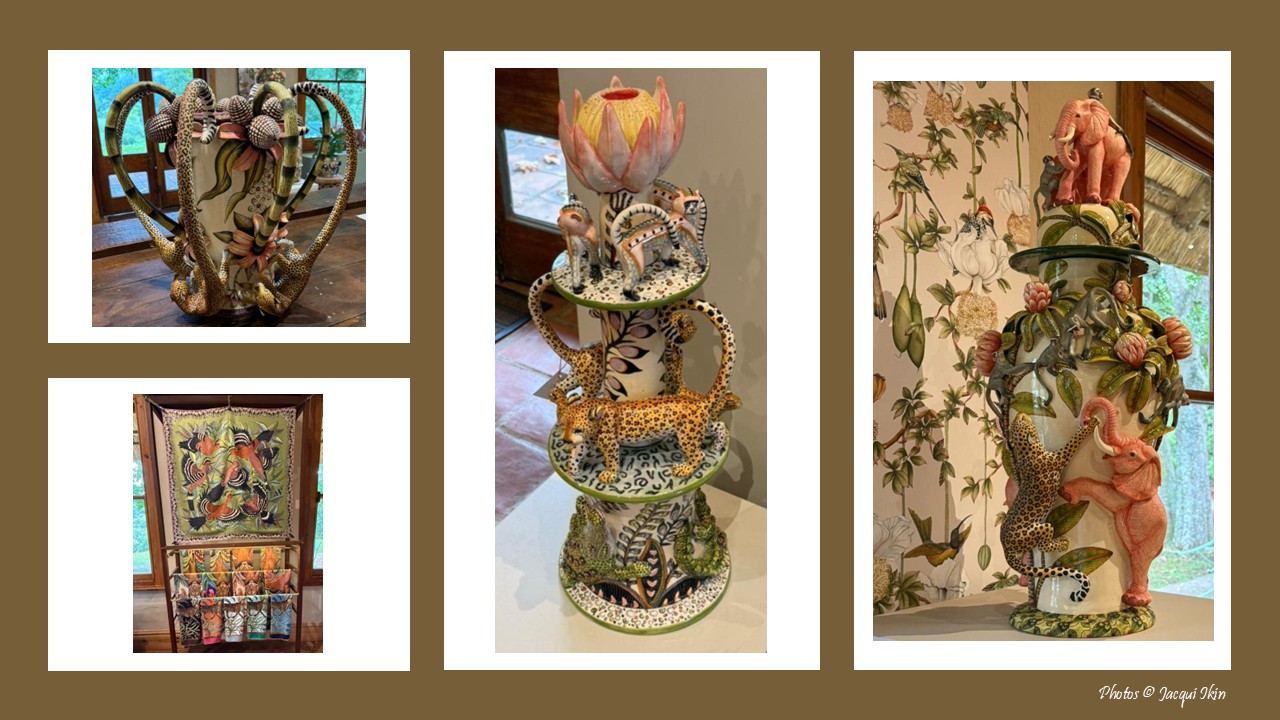
When South Africa gets things right, the results can be remarkable – sometimes producing something far beyond anything we could have imagined. Ardmore Ceramics is one such success story: a uniquely South African creation that has grown from humble beginnings into a world-renowned artistic phenomenon. It stands as a testament to what can be achieved when talent, vision, and opportunity come together in perfect harmony.
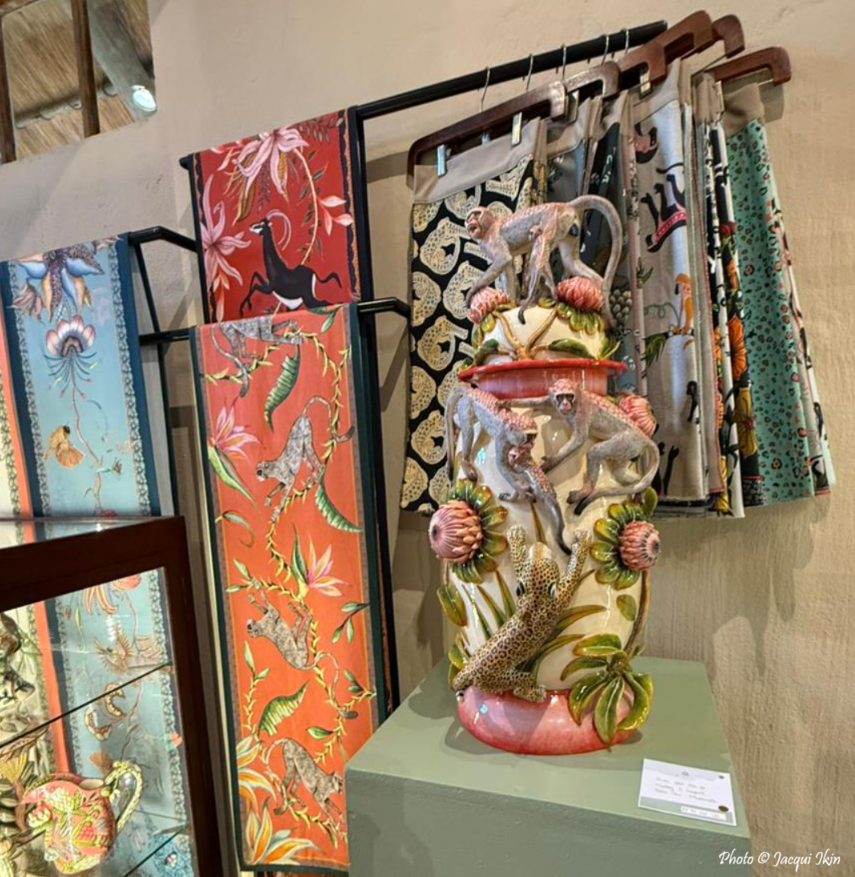
I have always found that true excellence is inevitably imbued with layers of meaning and intent. That which is poignantly and profoundly significant to a region, portrayed with subtlety, elegance, and purpose. In Ardmore, I found this achieved in a manner that is, to my mind, unmatched.
Ubuntu is an ancient Southern African philosophy often expressed through the phrase, “I am because we are.” At its heart lies the belief that our humanity is inextricably bound to the humanity of others; that individual well-being cannot be separated from the well-being of the community. Rather than celebrating rugged individualism, Ubuntu embraces collaboration, mutual respect, compassion, and shared growth. It recognises that we flourish not in isolation, but through our relationships with one another.
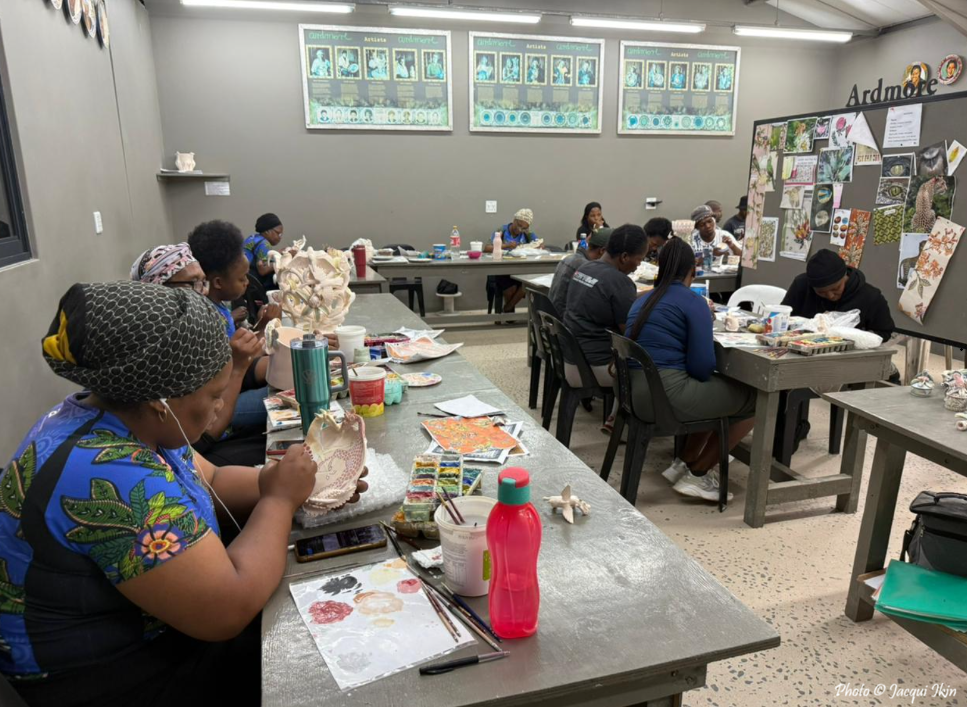
This spirit of interconnectedness is woven deeply into the South African identity, and I could not help but see echoes of Ubuntu in Ardmore’s work. Each piece is more than an object of beauty; it is the product of many hands, many stories, and a shared creative vision. The result is art that celebrates not only individual talent but also the collective strength, heritage, and humanity of the community from which it emerges.
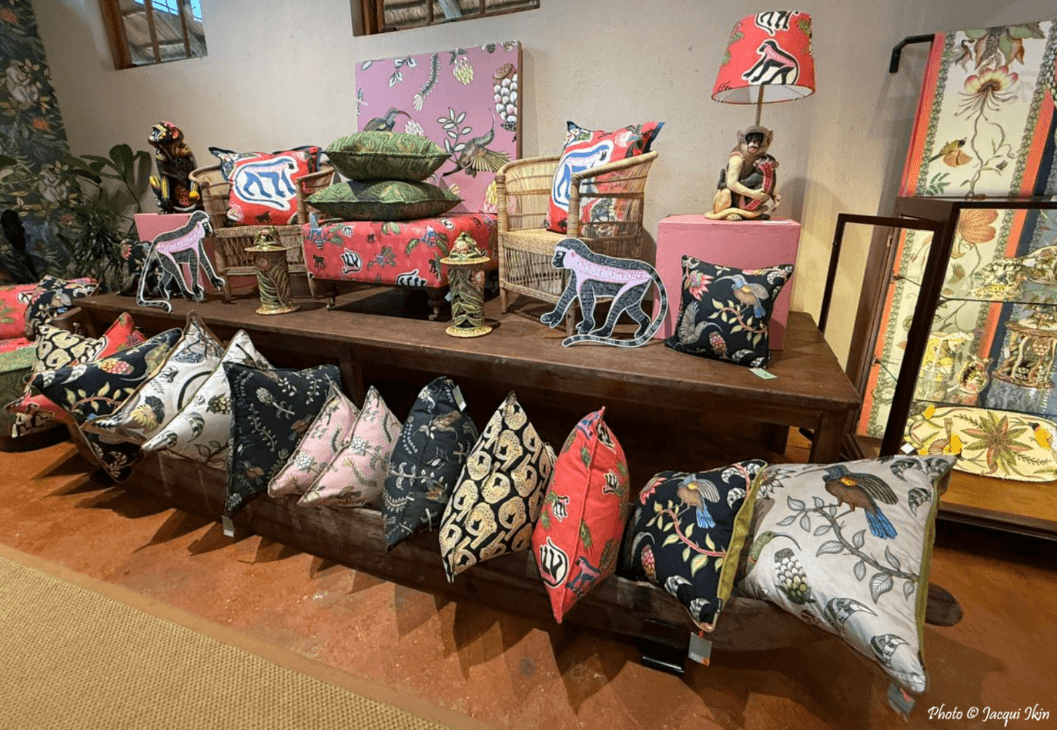
The story of Ardmore begins with its founder, Fée Halsted, who grew up in Zimbabwe, studied painting at university in South Africa, and developed a deep appreciation for ceramics. In the mid-1980s, while teaching art in Durban, she unexpectedly lost her job. Rather than seeing this as a setback, Halsted viewed it as an opportunity to pursue a more meaningful path. Reflecting on that moment, she later recalled: “I was angry. I wanted to teach people, and if I couldn’t teach privileged white people, then I was going to help people who didn’t have opportunity.”
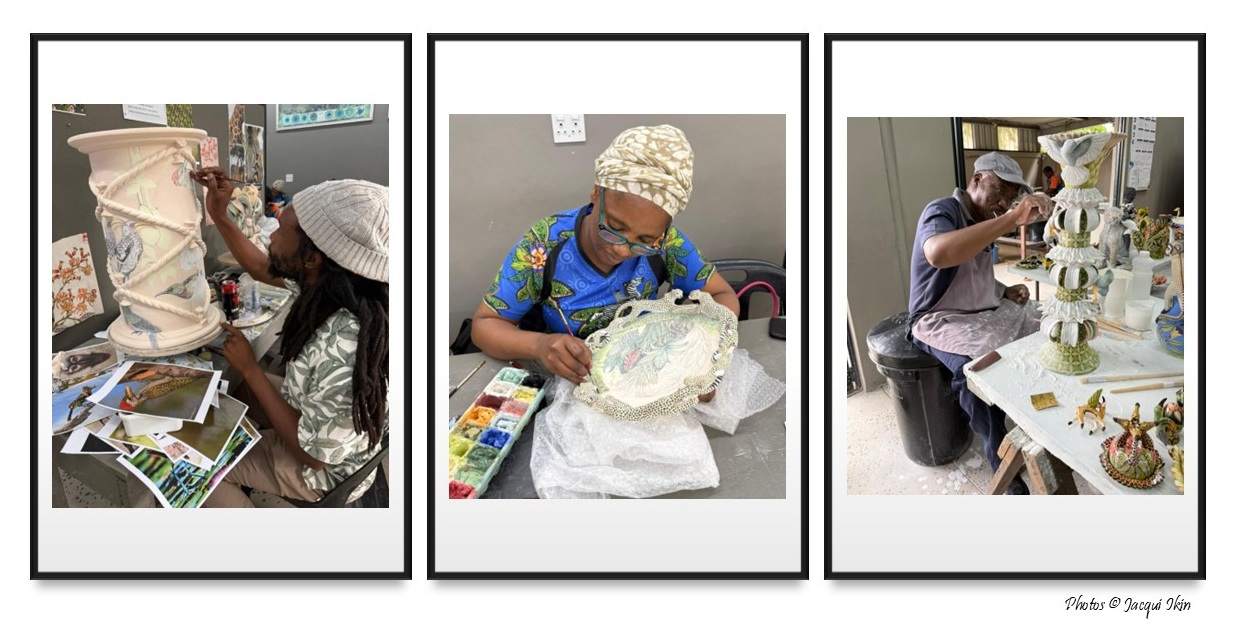
In 1985, she started the studio on a remote farm in the Champagne Valley (Drakensberg mountains). She soon began working with Bonnie Ntshalintshali, the eighteen-year-old daughter of her domestic worker, who joined as an apprentice. What began as a simple mentorship evolved into an extraordinary creative partnership. Together, they developed a distinctive artistic language that drew deeply on African wildlife, folklore, and imagination. In 1990, Fée and her first star pupil, Bonnie (whose polio prevented her from working in the fields), won the prestigious Standard Bank Young Artist Award. This brought national acclaim to Ardmore. From these humble beginnings emerged a ceramics studio that would grow into one of South Africa’s most celebrated artistic enterprises, earning international acclaim while creating opportunities for generations of artists and artisans.
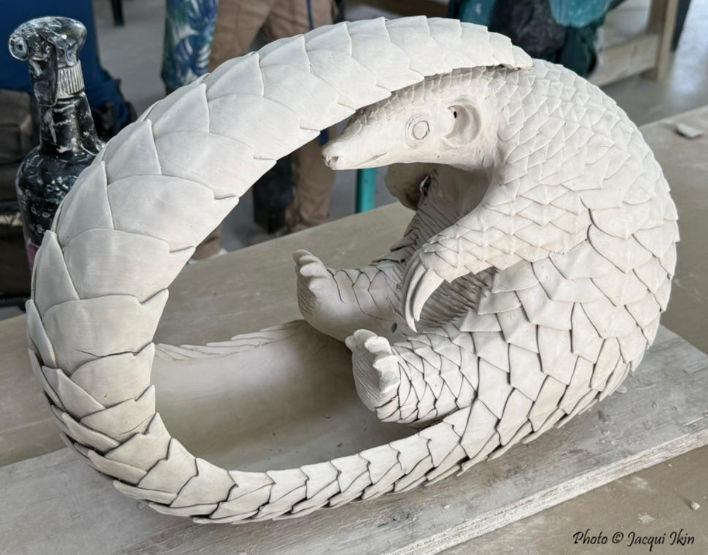
KwaZulu-Natal is widely regarded as the epicentre of South Africa’s HIV epidemic and frequently cited by researchers as the HIV capital of the world! What is noteworthy is how Ardmore has supported those in the community with HIV. This pandemic is very close to the hearts of all at Ardmore. Over 40 Ardmore artists died from HIV/AIDS-related illnesses during the height of the epidemic in the late 1990s and 2000s, including the pioneering artist Bonnie Ntshalintshali and Wonderboy Nxumalo, who used the monkey as a metaphor for resilience and survival. One of Wonderboy’s vases was sold for R200 000 at an auction in 2008, the year he died. Ardmore artists actively create works that address the realities of HIV/AIDS, keeping the spirit of resilience alive and educating the public.
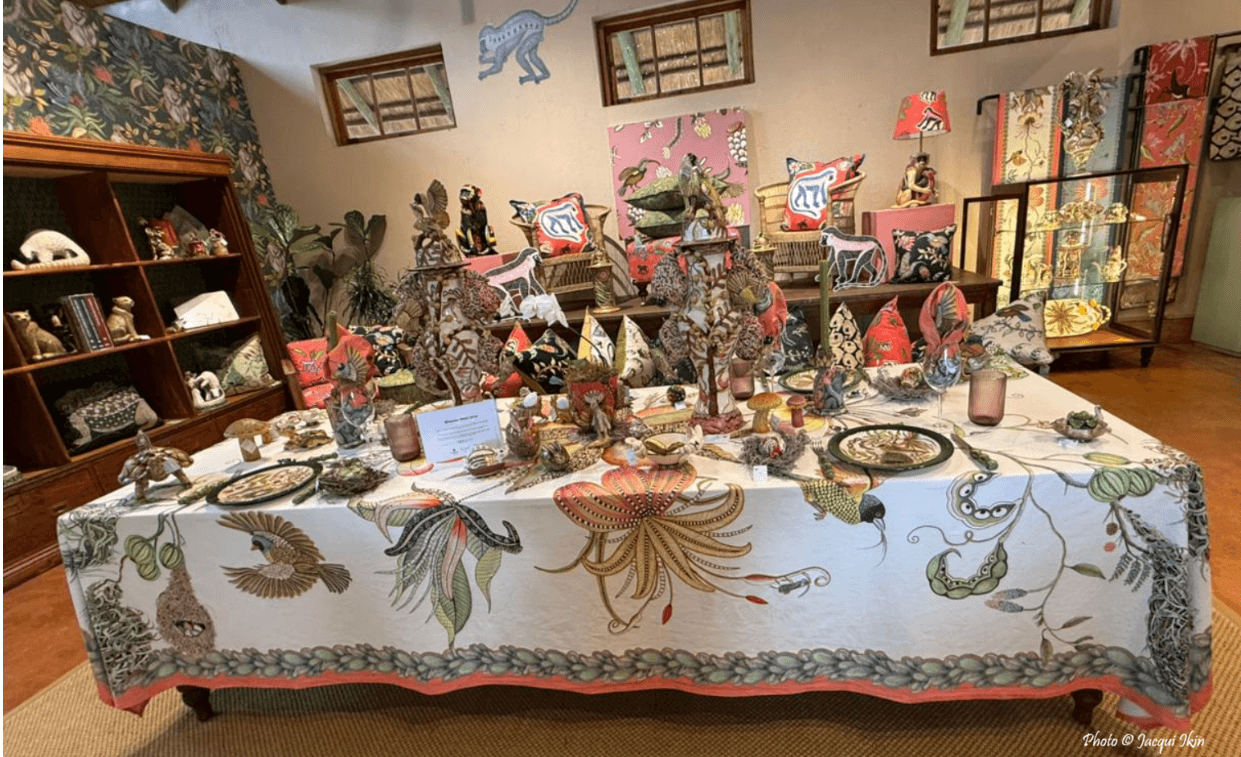
Despite this hardship, the community persevered, moving their operation to the Caversham Valley in the Natal Midlands, to heal and rebuild. Today, over 80 collaborating artists sculpt, paint, and wheel-throw masterpieces that are considered modern-day collectibles. The Ardmore ceramics are proudly displayed in galleries, museums and exhibitions from Cape Town and Johannesburg, all the way to London, Moscow, New York, Berlin, Paris, Sydney and beyond. Ardmore has also collaborated with the likes of Christie’s British auction house, Hermès high fashion in Paris and Cole & Son wallpapers.
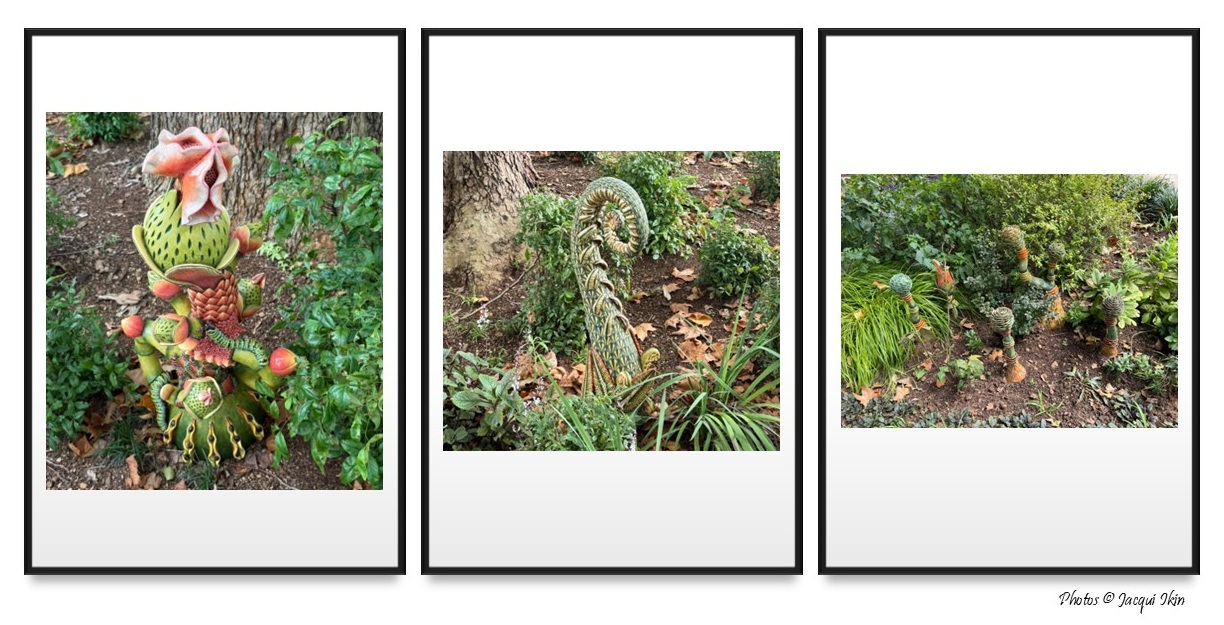
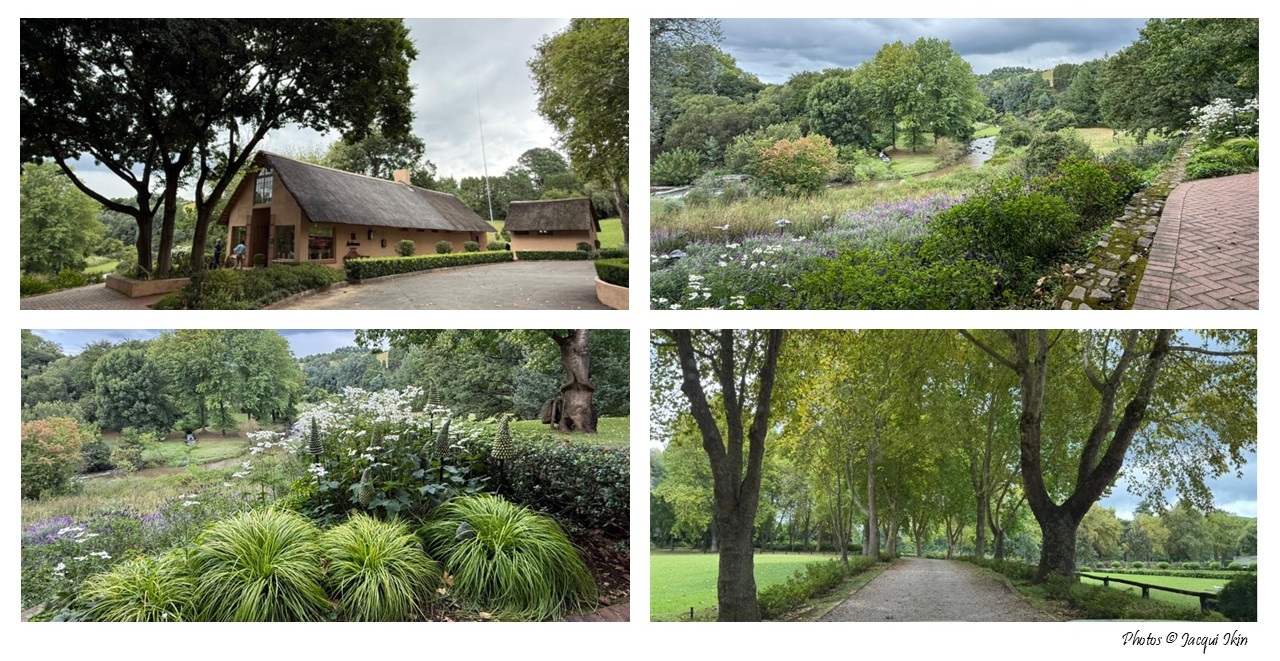
Ardmore feels less like an art studio and more like a hidden Midlands sanctuary. Set beneath magnificent trees in the verdant Caversham Valley, the grounds are alive with birdsong, flowering gardens and the soft green hues of the Natal Midlands. In the background, the river gurgles happily as it makes its way through this little piece of paradise. The grounds reflect the spirit of the artwork created there – vibrant, imaginative and deeply connected to nature. It is easy to see how the artists draw inspiration from the flora, fauna and folklore that surround them. The journey through the gardens to the studio and gallery feels like stepping into a fantastical world that later emerges in clay and paint.
What began as one woman’s determination to create opportunities where few existed has become one of South Africa’s most remarkable artistic success stories. Through Fée Halsted’s vision, creativity, and unwavering belief in the potential of others, Ardmore has evolved into far more than a ceramics studio. It is a living expression of South African imagination, collaboration, and craftsmanship. In many ways, Ardmore embodies the spirit of Ubuntu: individual talents nurtured and elevated through a shared creative journey. The result is work of extraordinary beauty and meaning – art that is unmistakably African, internationally celebrated, and deeply rooted in the belief that we achieve our greatest successes together.
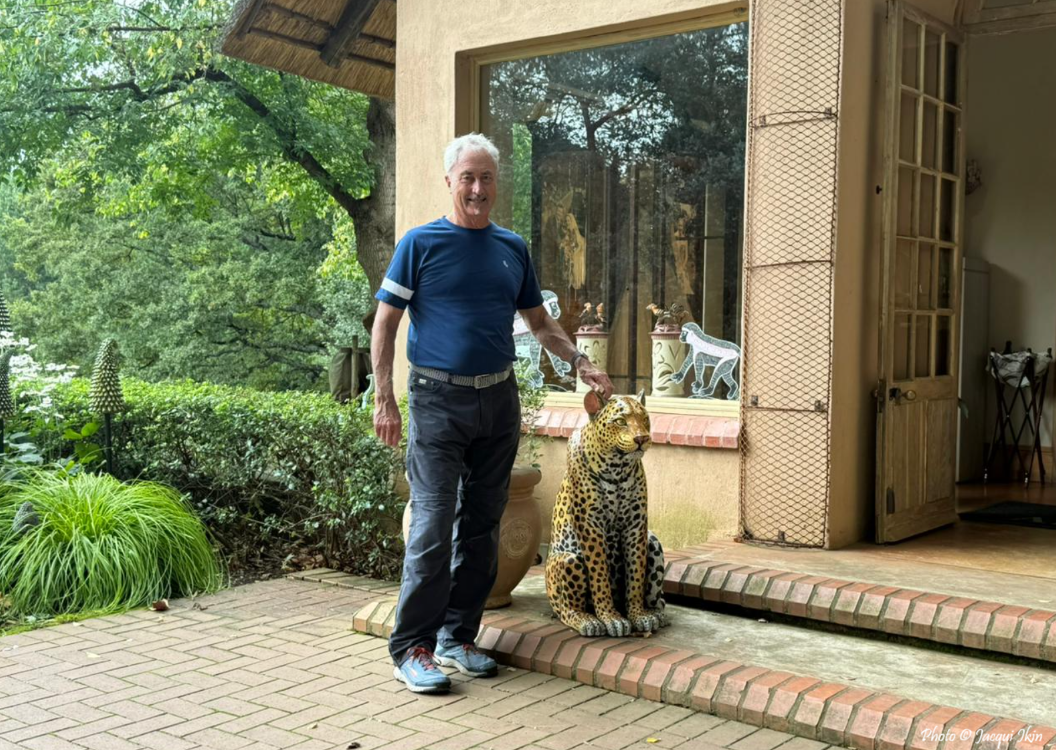
Ian Georgeson, our CEO, taking a moment of pause before entering the gallery.
Jacqui Ikin & The Cross Country Team
