
A Smorgasbord of Fun Facts
Greetings, dear readers. Over the past couple of weeks, I have come across a veritable smorgasbord of fun facts. Whilst they have very little to do with anything local, they are simply interesting enough to warrant inclusion in our newsletter…
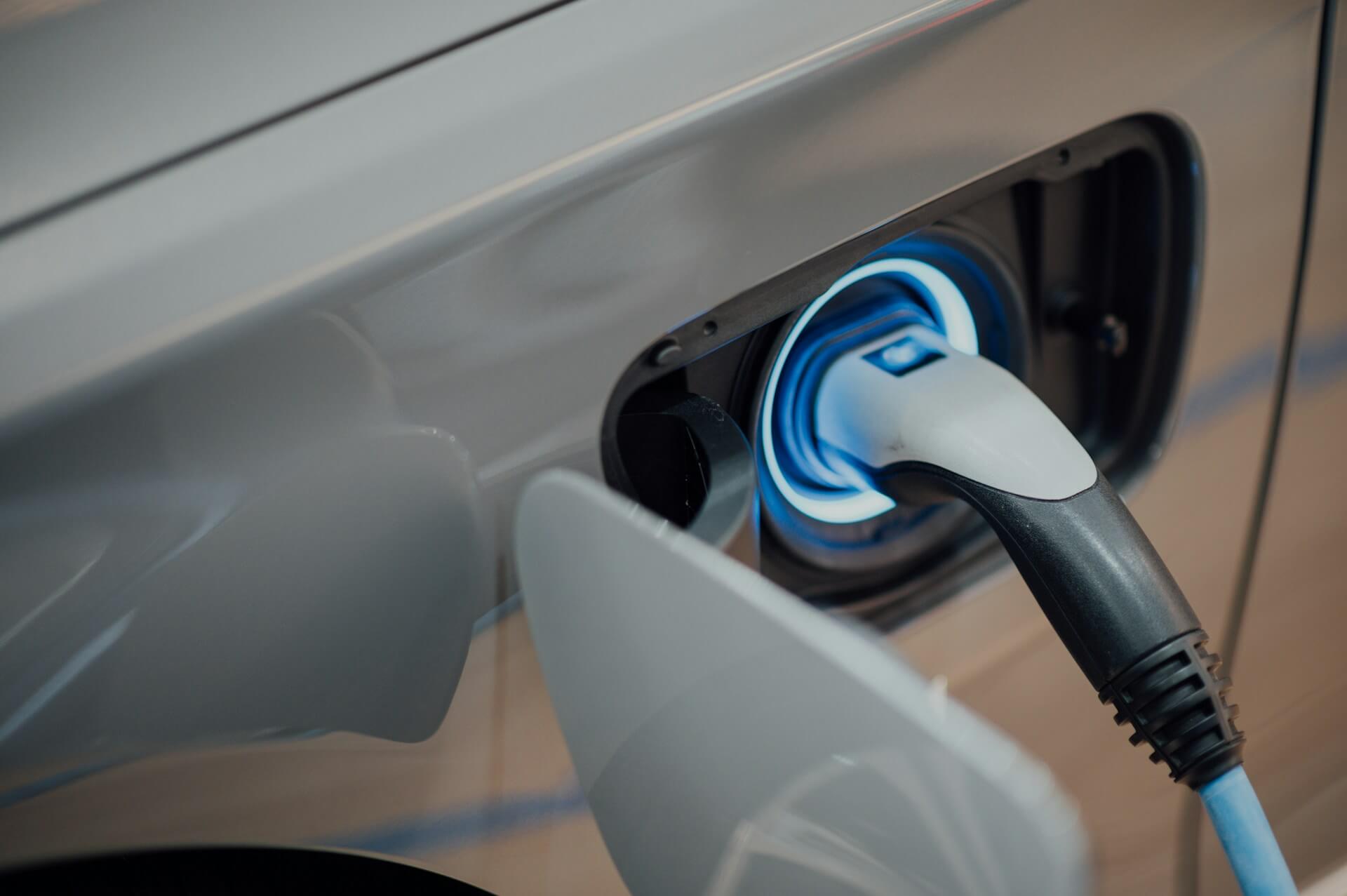
Electric Roads
Electric cars are slowly becoming more popular. However, one of the significant challenges of owning one of these vehicles is the need for regular charging. These frequent stops at charging stations become rather tedious, particularly since it is necessary to charge significantly more often than a fuel car needs topping up. In fact, I would guess that this is a huge reason many people don’t choose to go electric.
Traditionally, electric cars have been charged at charging stations. There is, however, a new method of charging which is a game changer. It is known as the “wireless electric road”. If you drive down a specific section (about 400m) of 14th Street in Detroit, Michigan, in an electric car, you don’t lose charge – your vehicle’s charge is actually topped up… Yup, you read it correctly!
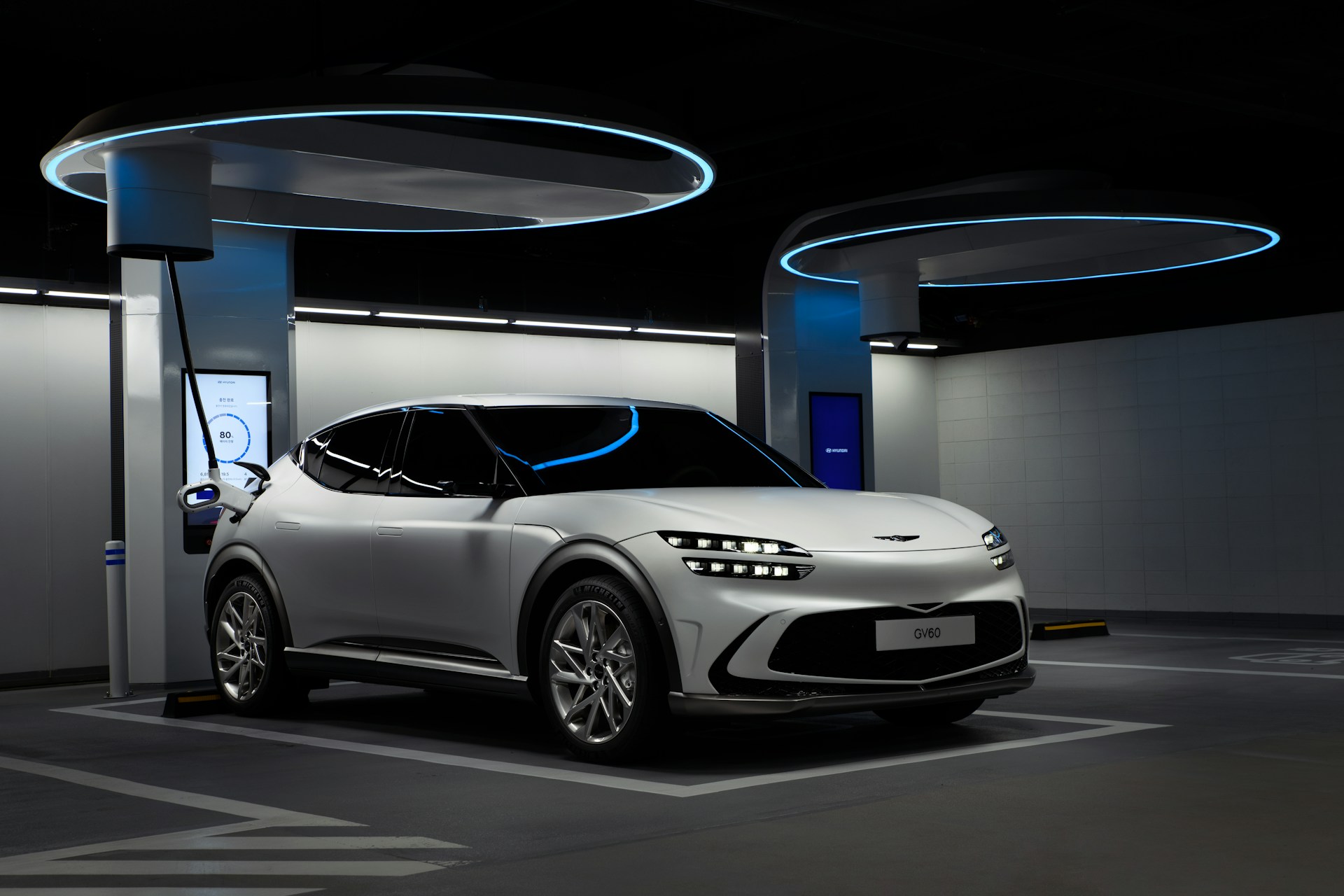
Detroit’s Michigan Central, a mobility innovation district, was the first to create a wirelessly charging road. It features inductive-charging coils made by Israeli startup Electreon. The plan is to use this for testing and perfecting wireless charging technology in a real-world environment. Sweden, on the other hand, is going one step further by creating a permanently electrified road. It would seem that there are three main delivery systems: overhead power lines, ground level power (through in-road or on-road rail), and wireless inductive charging. The initial deadline for the completion of this project was 2025, but it has since been delayed – and final reports are due in October 2025. At the moment, different suppliers are still recommending different solutions – so I am guessing it will be a while before construction actually begins…

It is hugely expensive to install such roads, high levels of maintenance are imperative and there are still safety concerns for pedestrians, cyclists and animals, as well as non-electric vehicle drivers. Flooding or snowstorms could also spell disaster for these roads. Do I foresee them becoming a reality in Africa anytime soon? A resounding no. Primarily due to the finance and maintenance required, the number of dirt roads and the limited amount of electric vehicles. Somewhat ironically, a secure and stable source of electricity is also required for these solutions to work – which would obviously be a huge challenge in Africa at the moment. It is, however, a space to watch…
The World’s First Fish Doorbell
Utrecht, a city in the Netherlands, is known for its canals. These canals are very beautiful, adding a very distinct character to the city. Fish live in these canals, keeping the water clean and healthy, whilst contributing to biodiversity and the liveability of the city. In spring, many of these fish are biologically programmed to spawn upstream, in a way that is similar to trout and salmon. However, canals have lochs – which are obviously a huge barrier to these fish. So, they will swim “upstream” and then be forced to gather in large numbers at the gate. At this point, they are very vulnerable to birds and other predatory fish.
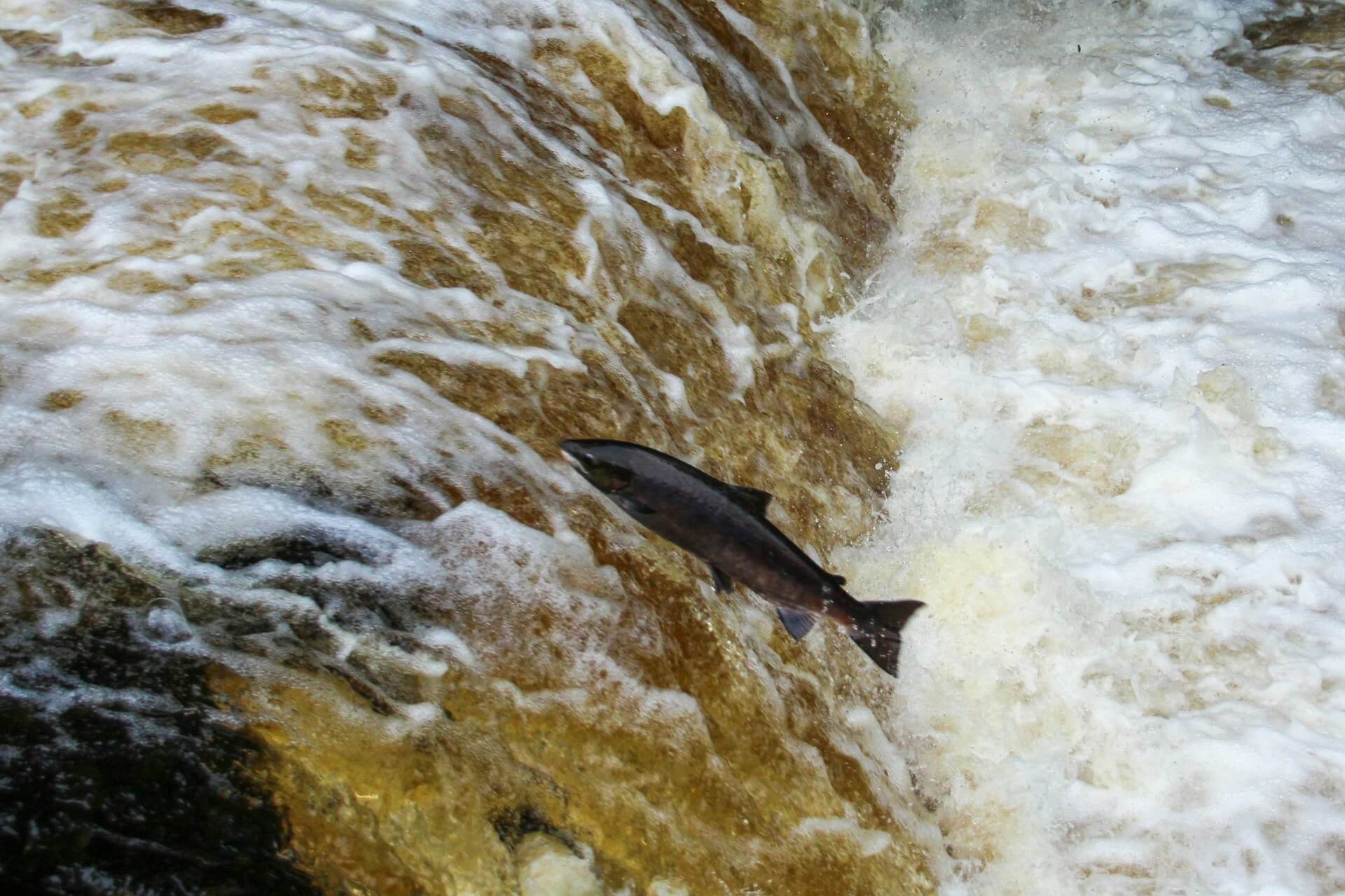
Enter two ecologists, Anne Nijs and Mark van Heukelum. Four years ago, they noticed lots of fish in the water, particularly big perches, who were waiting for the lock to open. However, in spring there are no boats sailing through Utrecht – so the lock rarely opens. Mark came up with the idea of the Fish Doorbell. A live stream camera in the water allows members of the public to keep an eye out for fish gathering by the gates. They can then “ring” the digital doorbell to alert the lock keeper that fish are waiting. When there are enough, the gate is opened so that the fish can continue on their merry way. The response from the public has been huge – with people logging on from all over the world, including England, America, Australia and New Zealand. An added bonus is that the fish can be identified on the video for research purposes. Isn’t that cool? If you’re bored, why not register on the link below? You can “ring” the Fish Doorbell from March to May (with a possible extension into June) – which is when the fish are travelling…
The racing bison

And lastly, let’s move onto some “sport”. Imagine a bison running against horses bred specifically for racing? Collin “TC” Thorstenson was raised on a Sioux Indian reservation in the hills of North Dakota. He was your regular cowboy – except for the fact that he enjoyed raising animals. In 1980, his herd of ‘buffalo’ were decimated by poachers, leaving only one small, orphaned calf – who grew up by being bottle-fed. He trained this animal to do many things, and in 1985, the interest in Thorsten’s animal was enough to get Harvey invited to race against a quarter horse (a horse that was less than half his weight and was bred for speed) at Energy Downs. Somewhat surprisingly, Harvey Wallbanger won the race by 2½ lengths and that’s where the legend began. He went on to win 79 races from 93 starts, with1990 being his best year – he ran 20 races and earned $108,000!! In 1991, poor Harvey ate some bad hay and died at the age of 13. The next bison Thorstenson trained simply did not make the cut… The original Harvey Wallbanger weighed in at over a ton – and was ultimately just a racing freak of nature.
I hope you enjoyed this quirky collection of little stories…
Jacqui Ikin & The Cross Country Team
INFO BLOCK:
Are self-charging roads the future – BBC:
https://www.youtube.com/shorts/1kr5ev6pvyE
Will Electric Roads That Charge EVs Become Mainstream?
https://www.youtube.com/watch?v=95wMdS-u2cE
The Fish Doorbell:
https://visdeurbel.nl/en/
The great racing buffalo Harvey Wallbanger … Portland Oregon 1990
https://www.youtube.com/watch?v=dE4cRj62-c8
Harvey Wallbanger – the racing bison:
https://www.tiktok.com/@jryanchastain/video/7309622587946978591
Holy Bull Stakes at GP – Harvey Wallbanger
https://www.facebook.com/watch/?v=2049411175146780