
Does your dog know when you’re coming home?
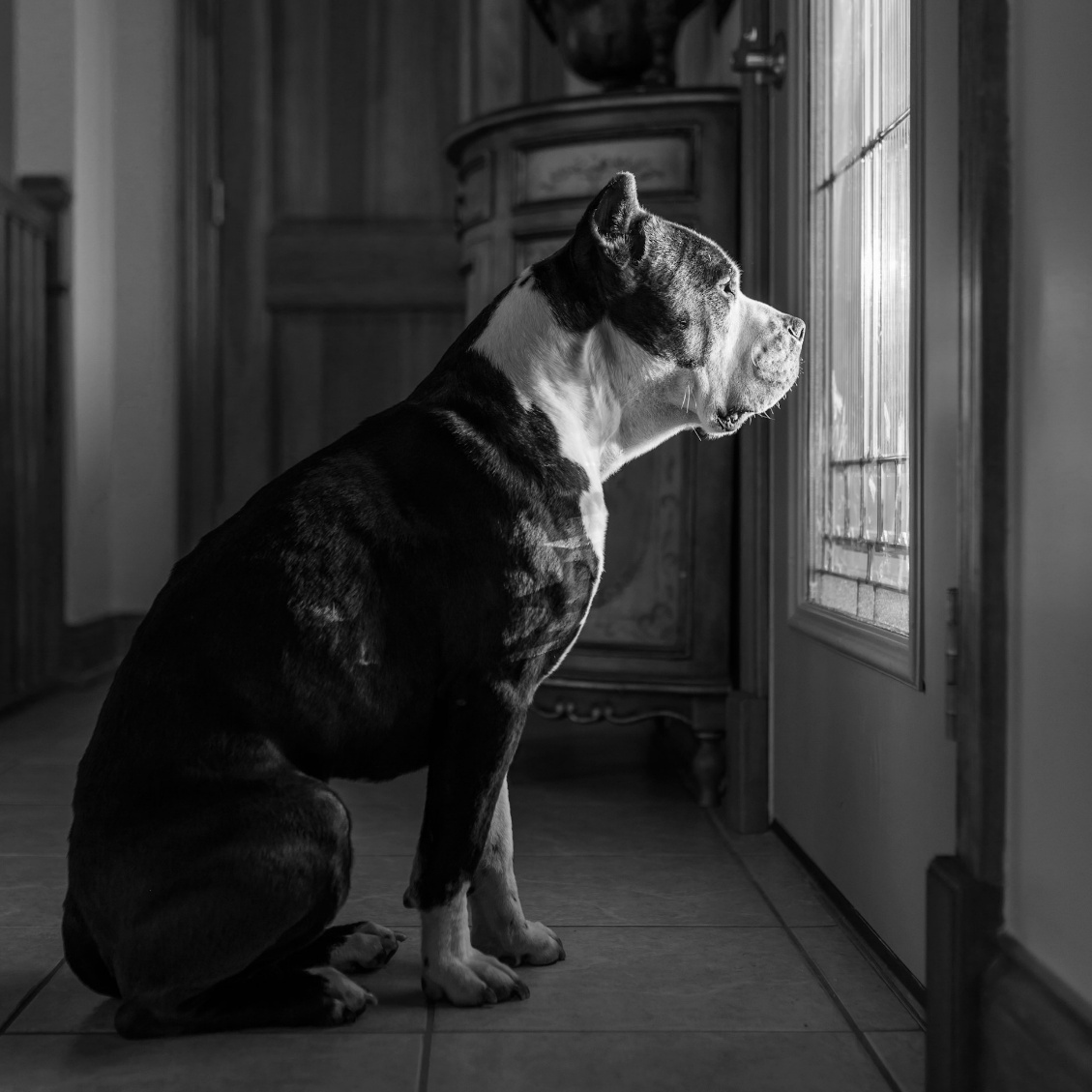
The great love of my life was a Border Collie named “Strike”. I am not going to wax lyrical about all his wonderful attributes – they were many. Some easy to understand, others less so. But the one that is relevant to today’s column was that he always knew when I was coming home and went to lay at the front door. A behavior which intrigued me, to the extent that I did some investigation on the subject.
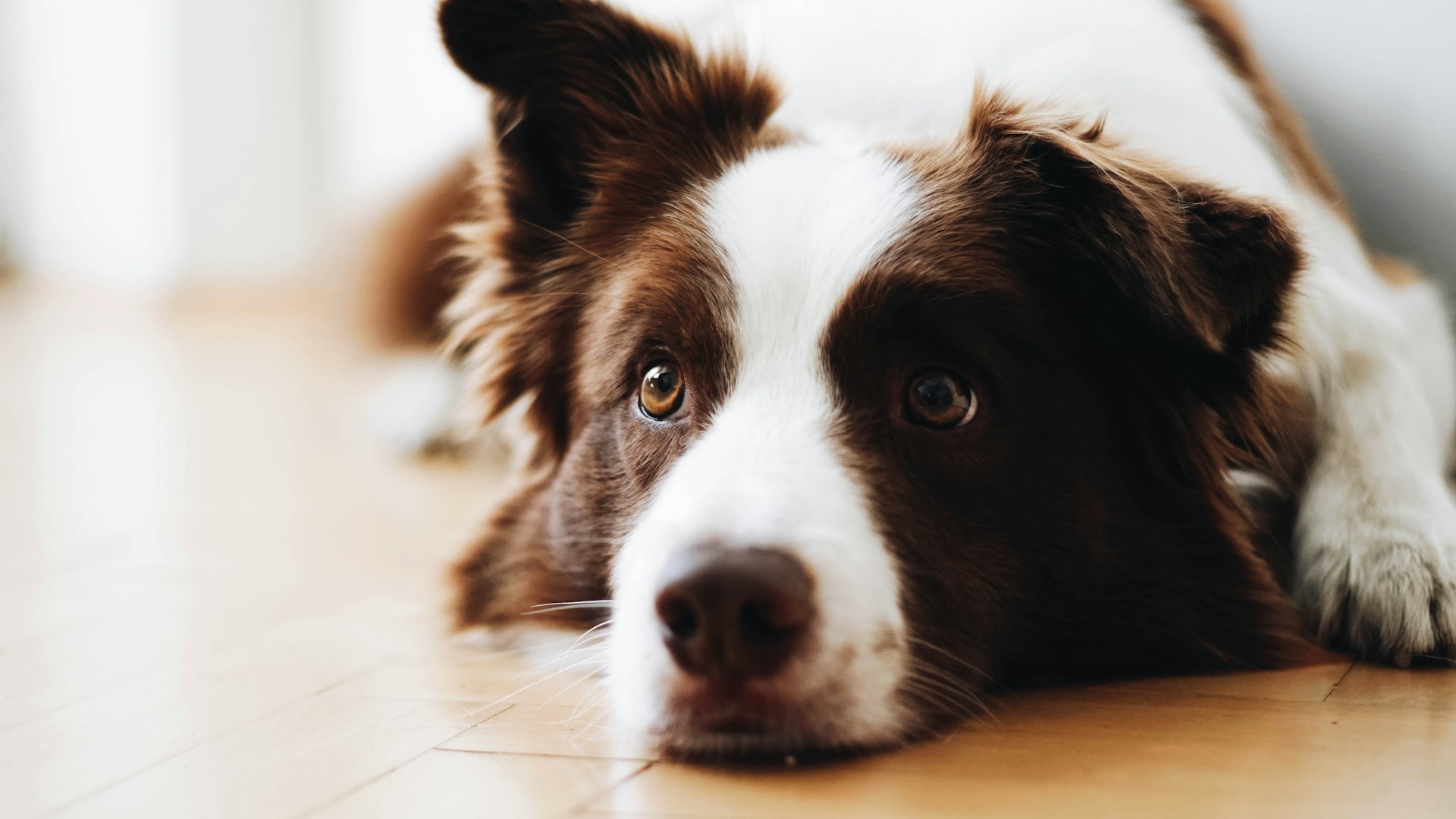
I recently noticed a post on FB explaining that dogs anticipated your return when your scent has faded to a certain degree. The theory behind this is simple. When you leave the house, your scent doesn’t just disappear – it fades gradually, and your dog definitely notices. Over time, your pup starts to connect the strength of your scent with how long you’ve been gone. It’s like they have their own little “scent clock”: when the smell gets faint enough, they somehow know it’s almost time for you to come home. This isn’t something you teach them – it’s a natural skill that comes from their instincts as scent trackers, where they’ve evolved to follow trails from the oldest, weakest scent to the freshest one. However, it’s not just about smell; dogs are incredibly observant. They also pick up on other cues – like the sound of your car pulling in, the daily rhythms of your household, or even the time of day – to piece together when their favourite person is about to walk through the door.

Which is a nice little explanation, neatly packaged in tangible, unquestionable facts. I do not question the logic or the truth of this theory – it appears most plausible. I do, however, query whether this is a rather simplified explanation for something which runs far deeper. It is likely true for many dogs. I tried to find a study that had somehow disabled / confused the dog’s sense of smell, and then monitored consequential responses thereof (if you find one, please pop me the details!) – to no avail.
Different breeds of dogs have many different characteristics. Some are bred to protect, some are just delightful pets and others have a huge drive to work. Within those many and varied categories, you also have individual traits, specific to that animal. Some dogs see their people as simply a food source, others actually live to interact with their person. Thus, it is fair to say that not all dogs respond in the same manner.
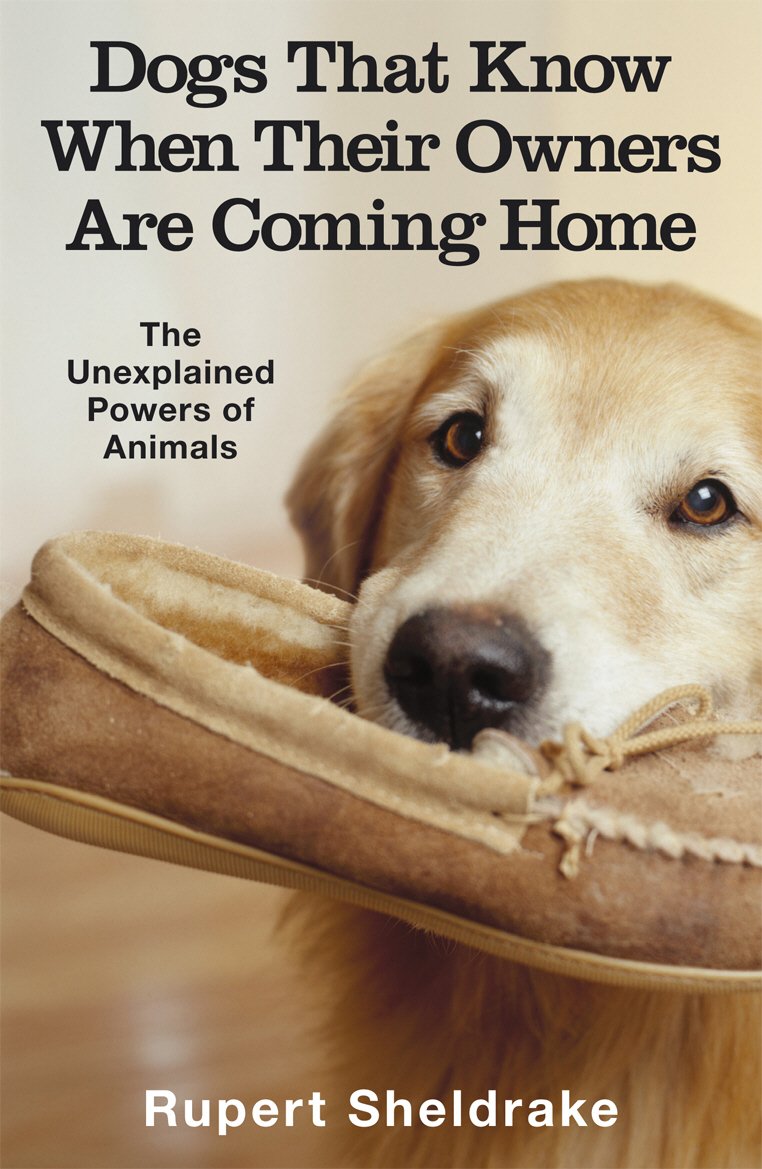
Rupert Sheldrake conducted an extensive array of experiments pertaining to this subject. I read his book many years ago, when trying to understand Strike’s behavior. I was blown away by what I discovered. Which is why I believe the “scent degradation” to be less than the entire explanation – for some animals.
One site details his book as follows: “Many pet owners will swear that their dog or cat or other animal has exhibited some kind of behaviour they can’t explain. How does a dog know when its owner is returning home at an unexpected time? How do cats know when it is time to go to the vet, even before the cat carrier comes out? How do horses find their way back to the stable over completely unfamiliar terrain? And how can some pets predict that their owners are about to have an epileptic fit? These intriguing questions about animal behaviour convinced Rupert that the very animals who are closest to us have much to teach us about biology, nature, and consciousness. With a scientist’s mind and an animal lover’s compassion, Rupert compellingly demonstrates that we and our pets are social animals linked together by invisible bonds connecting animals to each other, to their owners, and to their homes in powerful ways. Rupert’s provocative ideas about these social fields explain the uncanny behaviour often observed in pets and help provide an explanation for amazing animal behaviour in the wild, such as migration and homing.” One of his experiments is detailed in the video detailed below in the info block. Take time to watch it – it’s positively fascinating (0 min – 6.22min).
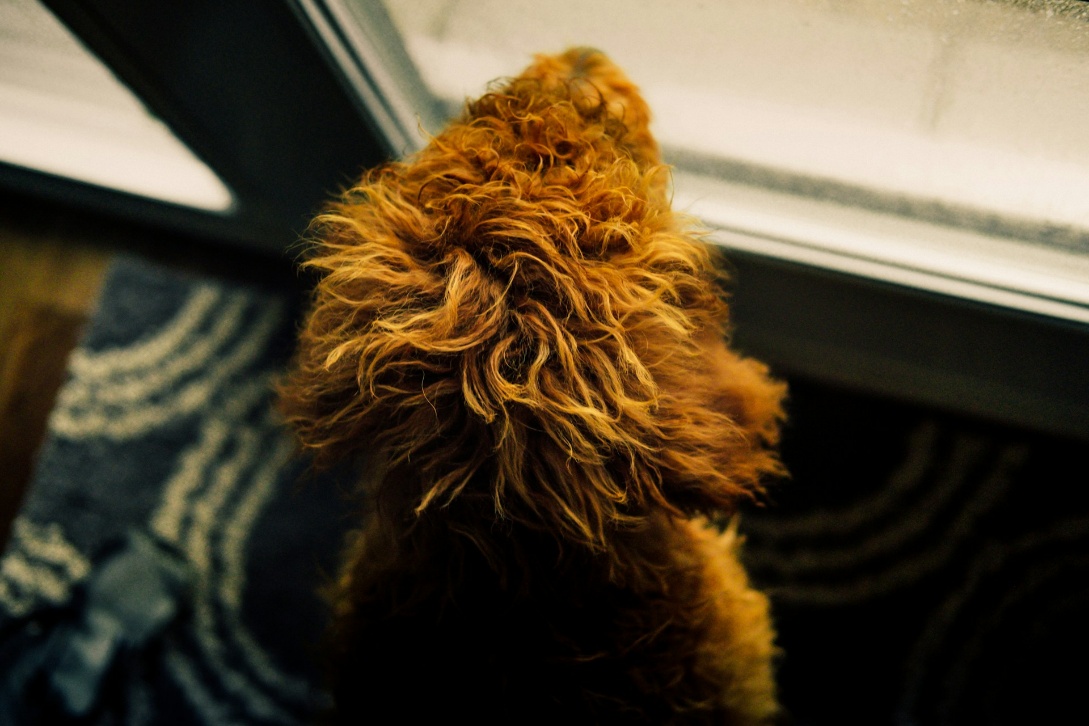
One of the most interesting parts of the experiment was when Pam Smart (P.S.) decided to mess with the plan and see if changing her mind would confuse Jaytee. Normally, at some random, pre-arranged time, she’d think, “Okay, time to head home,” and sometimes even start the trip – and right around then, Jaytee would trot over to the window and start his usual “waiting for her” routine. But here’s the twist: before she actually got home, P.S. would get a signal on her pager or phone telling her to stop and wait a bit longer – basically flipping her intention to not come home yet. And apparently, whenever she did this, Jaytee’s behaviour changed too. According to Sheldrake’s observations, the dog would stop waiting by the window, as if he somehow knew she’d changed her mind.
Honestly, I can’t help but feel like there’s some kind of mental telepathy going on here. I know everyone’s got their own take on things like this – it’s definitely one of those topics where opinions can go in all sorts of directions. But one thing’s for sure: it’s a complex, fascinating, and downright intriguing subject to dive into. There’s something so wonderful about trying to understand how these mysterious connections might actually work…
Jacqui Ikin & The Cross Country Team
INFO BLOCK:
Jaytee, a dog who knew when his owner was coming home: The ORF Experiment
https://www.youtube.com/watch?v=aA5wAm2c01w
Telepathy in Dogs Experiments Rupert Sheldrake BBC Out of this World Segment 1996
https://www.youtube.com/watch?v=YkamC09-cL4
Dogs That Know When Their Owners Are Coming Home
https://www.amazon.co.za/Dogs-That-Their-Owners-Coming/dp/0099255871
