
South Africa’s Saddest “Exports”

As described by the Endangered Wildlife Trust, “the wildlife trade is the buying, selling, or bartering of wildlife and wildlife products. It may be done for profit, subsistence, or cultural purposes. Wildlife includes animals, plants, and fungi taken alive or dead from the wild or captive situations. Wildlife trade can be legal or illegal. Legal wildlife trade can be sustainable if conducted responsibly, while illegal trade is generally unregulated and unsustainable. Wildlife trafficking is a term that encompasses all these illegal activities and can be defined as criminal activity at any point along the illegal wildlife supply chain. It occurs in an organised manner and commonly involves the corruption of law enforcement personnel.” In all these stories, however, there is always a silver lining – or something we can do…
The Richtersveld National Park is at the intersection of three biomes. The area is home to 3,000 plant species, including 400 species that are endemic to the region. However, it is this very diversity that draws the poachers. Some of these rare succulents may only grow in one valley or on one small patch on a specific mountainside. The absurdity of this is that a poacher could render a species extinct in a day.

The world’s only entirely arid biodiversity hotspot, the Succulent Karoo biome stretches from Luderitz in Namibia in the northwest, down and across the West Coast of South Africa, and then south-eastwards towards the Little Karoo. The succulents here have faced the stresses of drought, fire, and environmental degradation caused by excessive sheep grazing for many, many years. But now, they are literally in the fight of their lives – against poaching. In 2022, the South African National Biodiversity Institute (SANBI) estimated that around 1.5 million wild plants were removed from this sensitive arid environment in just three years.
In October 2022, three men from Saudi Arabia were caught, having illegally picked more than 1.63 million seeds and flora items from areas around the west coast. They were forced to pay a R2-million fine and agreed to leave the country. In late October, West Coast police were tipped off. Four men were subsequently arrested for illegally having 3491 plants in their Ford Fiesta – which was stopped in Citrusdal. And this is just the tip of the iceberg. How can our plant diversity survive this kind of onslaught?? Every possible little act we can contribute makes a difference.
The Custodians of Rare and Endangered Wildflowers (CREW) programme is “a citizen science initiative that involves members of the South African public in the surveying, monitoring and conservation of plants”. It’s a great group to join and you will be contributing in some small way to alleviating this awful situation. You can find their details on the SANBI website: https://www.sanbi.org/biodiversity/building-knowledge/biodiversity-monitoring-assessment/custodians-of-rare-and-endangered-wildflowers-crew-programme/
I’d like to believe that I am a positive person. Every situation in life has the possibility of a silver lining, no matter how sad it initially seems. Whilst many choose not to see ‘reality’, because it is often unpleasant – it is not possible to find life-affirming solutions if you don’t understand what is actually taking place. Today’s article is obviously on poaching – but please don’t stop reading. I won’t be giving you the horror – only the facts, some success stories and some ways you can contribute going forward…
The Succulent Karoo Ecosystem Programme (SKEP) is a long-term, multi-stakeholder bioregional conservation and development programme. The work they do could serve as a good model for creating a balance between sustainable development and conservation. What else can you personally do? Well, there are the small things, such as always ensuring when purchasing plants for your garden that they are sourced from reputable growers who do not collect illegally from the wild. You could also spread the word – tell your friends and family about environmental crime and why it should be stopped. Report incidents that you become aware of: Environmental crimes hotline: Tel: 0800 205 005. E-mail: callcentre@dffe.gov.za. DON’T ENGAGE YOURSELF – these syndicates can be armed and very dangerous!
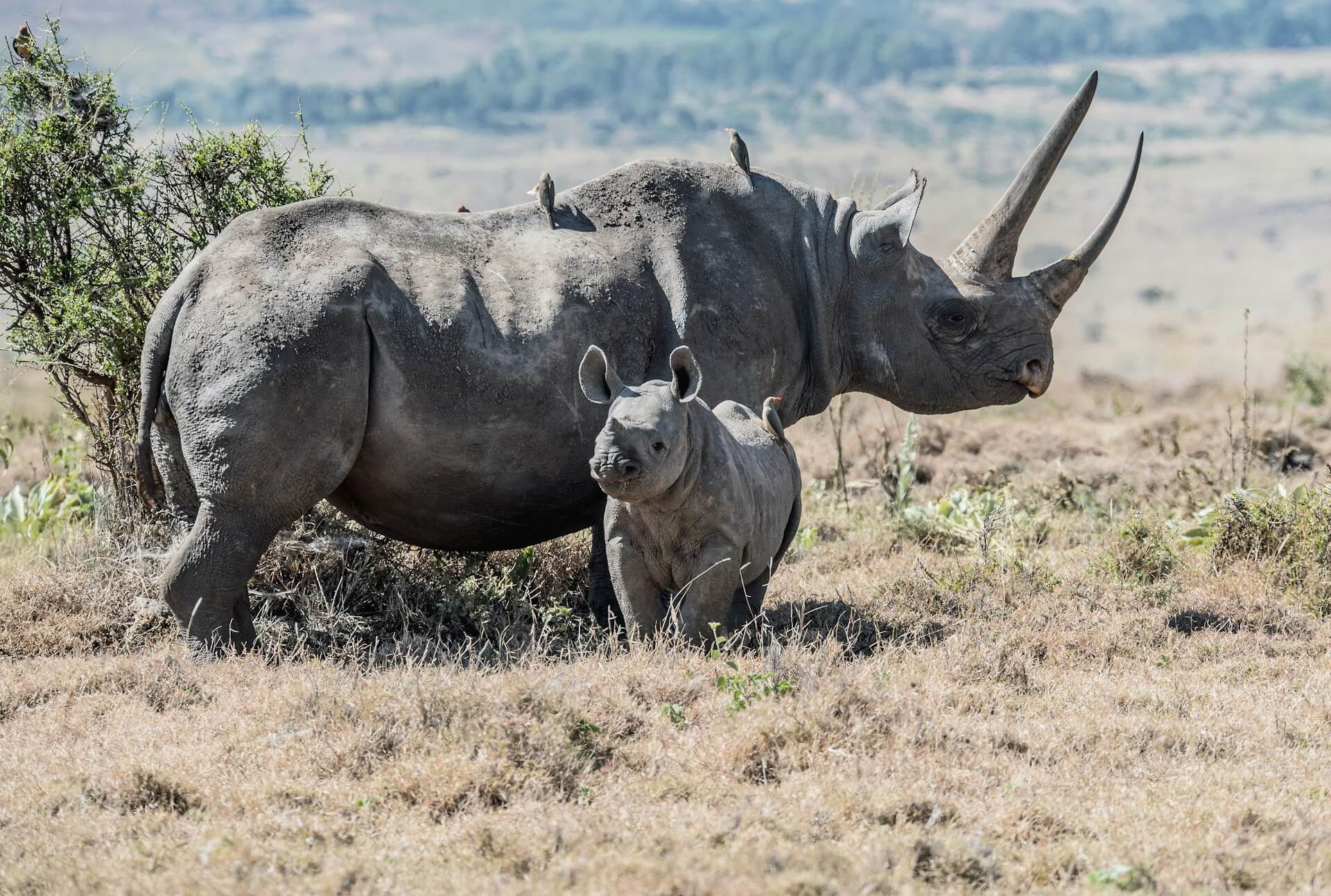
There are only an estimated 17464 white rhinos and 6421 black rhinos in the world today. Those numbers are disastrous for the populations – although they have previously made a comeback from far lower numbers in the 1960s. Many people blithely make the comment that rhino should be farmed, and the market flooded with rhino horn to devalue the commodity. This is just not possible – even if it could work… For simplicity’s sake, let’s put the number of rhinos at 20 000. Let’s assume 10 000 are females (actual numbers of rhino are near impossible to get). Rhinos can live for around 40 years in the wild. Their first calf is born when the cow is somewhere between five and nine years – and only a single calf is born. Twins are exceedingly rare. Assume one calf every three years (actuals are between two and four). Under normal circumstances, rhino calves stay with their mothers for around 3 years. Then account for survival rate, which I was unable to find stats for. However, an elephant calf’s first year of life is its most vulnerable time with mortality rates exceeding 25%. And elephants have an entire herd to care for them. In a nutshell, the mean annual net growth rate sits at between seven and ten percent, whilst the black rhino rate sits at around five percent. When you look at farming rhino, the demand simply outstrips the possible supply by huge margins. But even if you could, here’s the kicker: the Asian markets don’t want “farmed” rhino horn – wild horn is considered vastly superior (see article in info block).
In my humble opinion, the only way we are ever going to stop the demand for rhino horn is to cut the demand by educating the end user. No demand, no poaching. There are currently many programmes aimed at the youth in Vietnam and other Asian countries. These students attend a wilderness trail, spend time with rhino calves orphaned as a result of poaching, and also participate in educational workshops facilitated by the Wilderness Foundation. They are educated on the true reality of the rhino poaching crisis through presentations by specialists in the field. The students were deeply touched by their experiences. Whether our rhino population can survive long enough to see the results of initiatives such as this remains to be seen.
In a report published on 06 March 2025, “Downward trend in rhino poaching is encouraging says Minister George” (see link in info black), it states “From January to December 2024, 420 rhinos were poached in South Africa, with 320 being killed on state properties and 100 on privately owned parks, reserves or farms. This was a decrease (of 79) in comparison to 499 rhinos poached in 2023.” Here’s hoping that the trend continues in the downward direction!
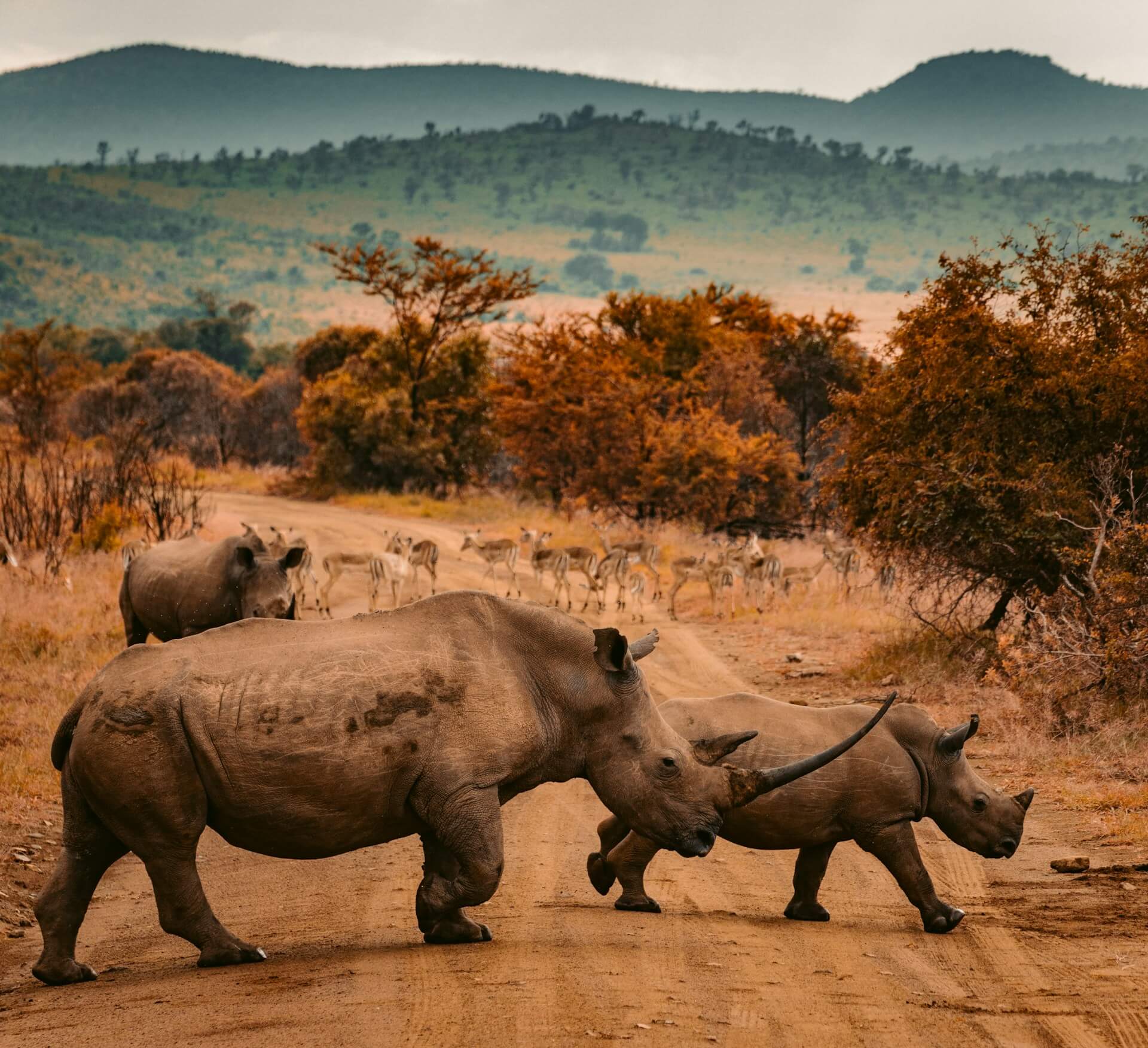
To combat rhino poaching, the public can support conservation efforts by (obviously!) refusing to buy rhino horn products. You could also advocate for stricter laws and enforcement – which ultimately provide the “teeth” needed to put the perpetrators behind bars. And finally, you can support organizations working to protect rhinos, while also educating yourself and others about the issue. One such organisation is https://rhinos.org/blog/expanding-support-for-k9-units-and-training-in-southern-africa/.
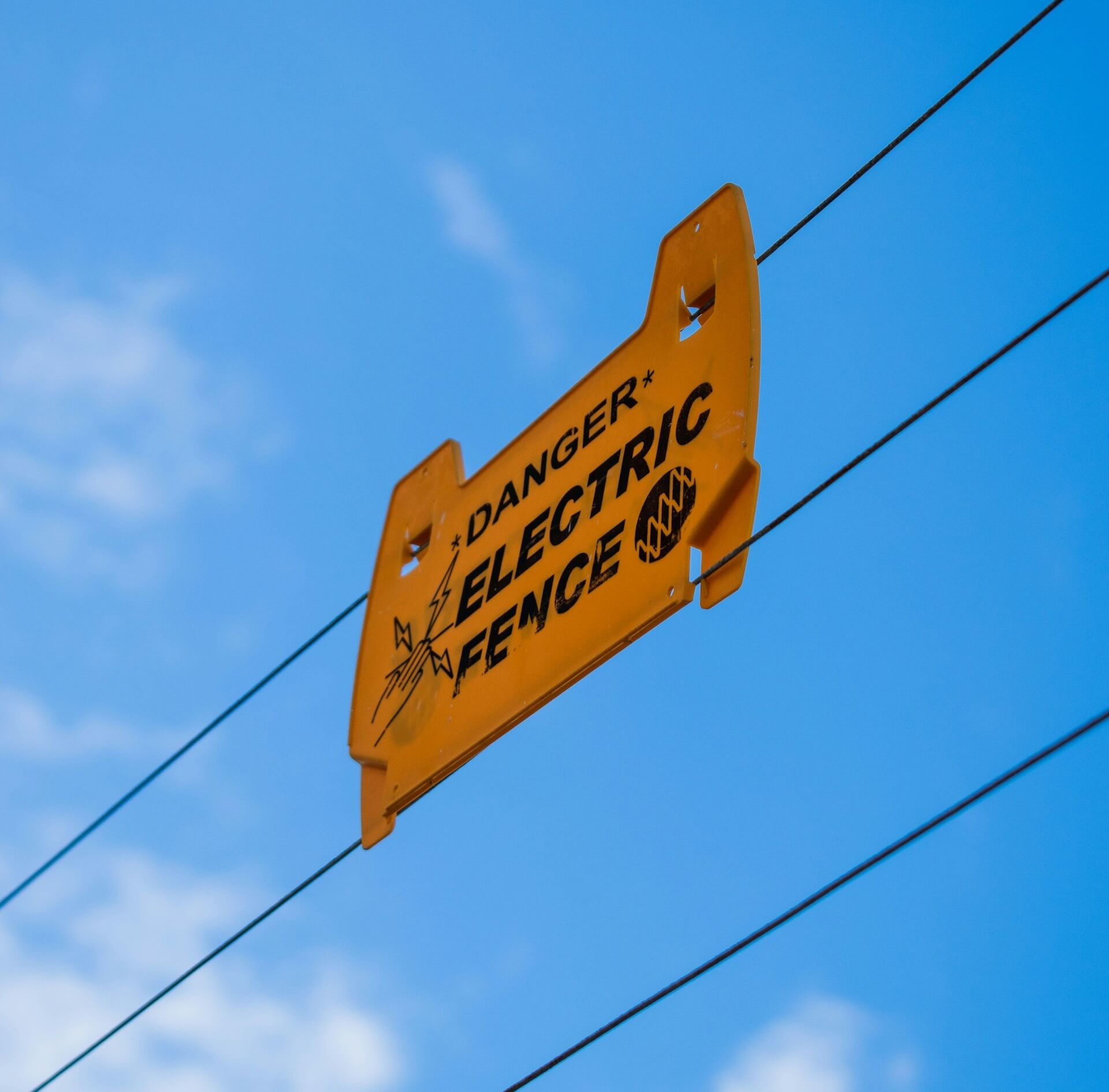
Fences electrocute about 2000 pangolins in South Africa each year. Now, whilst this seems like an exceedingly negative statement, the good news is that it is something we can rectify! When pangolins are in distress, they curl up into a ball – which in this case means that they curl around the electric wires, often ending in their demise. There are, however, some really great, kind humans working tirelessly on this to find solutions. Sabi Sand Nature Reserve’s Northern Section Ranger Wilson Baloyi has developed a design which is working really well – see article in INFO BLOCK. That’s 2000 less pangolins that will lose their lives per year.
The articles under “Financial flows associated with illegal wildlife trade in South Arica” in the information block below enable one to understand the scope of the issues – and it is truly vast. That said, there is always hope. Like all things in life, every little win is a step in the right direction. And kudos to those on the frontline of the anti-poaching efforts – those who are risking their lives every day to protect South Africa’s wildlife and environment. They are the true heroes…
Jacqui Ikin & The Cross Country Team
INFO BLOCK:
Financial flows associated with illegal wildlife trade in South Arica:
https://www.fic.gov.za/wp-content/uploads/2023/09/2021.11-SL-SAMLIT-IWT-Report-2021.pdf
https://www.fic.gov.za/wp-content/uploads/2023/12/Financial-flows-associated-with-illegal-wildlife-trade-in-South-Africa.pdf
ENVIRONMENTAL CRIME BOOKLET:
https://www.environment.co.za/documents/legislation/EnviroCrimesEMI.pdf
South Africa: Soldiers at War Against Poachers (full documentary):
https://www.youtube.com/watch?v=HR5tNtOGM-8&t=170s
Downward trend in rhino poaching is encouraging says Minister George
https://www.dffe.gov.za/speeches/george_downwardtrend_rhinopoachingstats
South Africa: A rhino poaching hotspot
https://www.savetherhino.org/rhino-info/poaching-stats/
The 2024 ‘State of the Rhino’ Is Here!
https://rhinos.org/blog/the-2024-state-of-the-rhino-is-here/
Farmed vs Wild
https://africageographic.com/stories/farmed-vs-wild-rhino-horn-what-the-research-tells-us/
Fences electrocute about 2,000 pangolins in South Africa each year, says leading researcher:
https://www.youtube.com/watch?v=o3Cp9vl5h6A&t=5s
https://www.dailymaverick.co.za/article/2024-10-31-sas-electric-fences-kill-2000-pangolins-a-year-meet-the-heroes-trying-to-save-them/
Custodians of Rare and Endangered Wildflowers (CREW):
https://www.facebook.com/CREWCitSciZA/?locale=fo_FO