
Moss
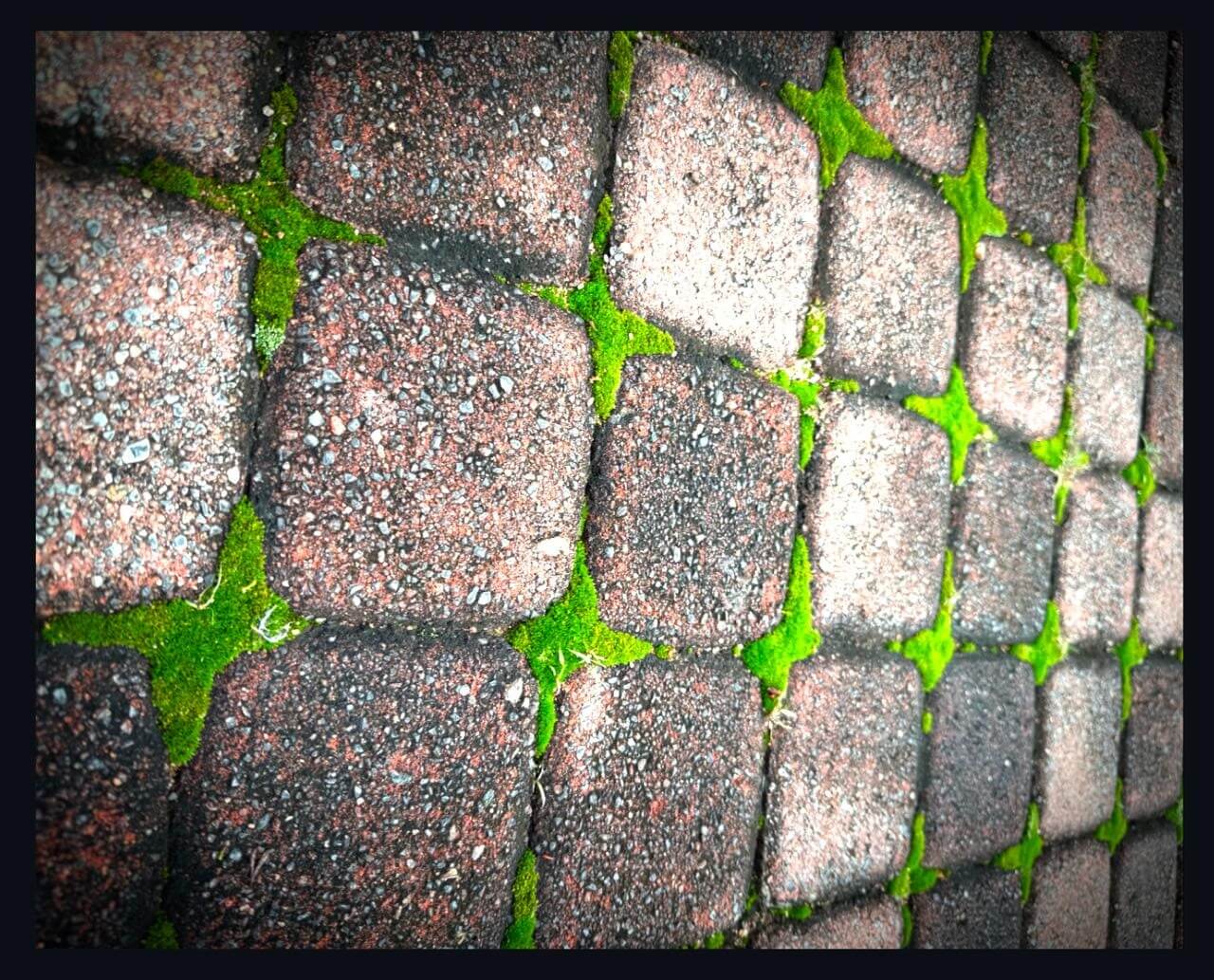
My paving looking rather lovely…
Rain, rain everywhere. Dams flooding, bridges being washed away. It’s insane at the moment. Yet, one of the more beautiful side effects is the lushness of all plants. Gardens are thriving. So too is my paving! With moss. Which started me wondering about moss and similar plants. And what the difference is between them.
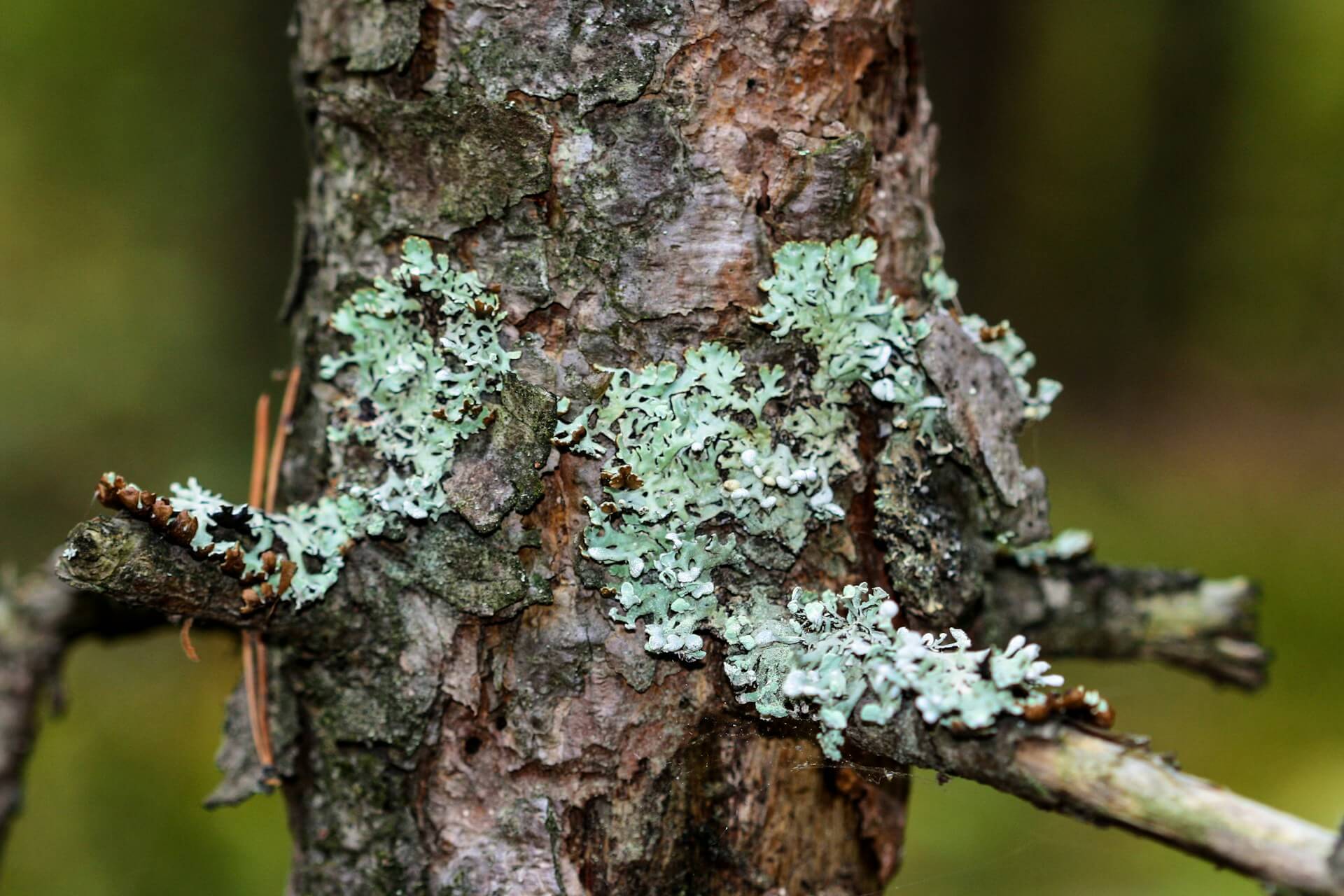
Lichen on a tree.
Simply put, LICHEN is a symbiotic relationship between two organisms – fungus and either algae or cyanobacteria (which are a group of bacteria that can obtain biological energy via oxygenic photosynthesis). The algae produce food, and the fungus gathers water. In this way a lichen can survive harsh weather that would kill a fungus or an algae growing alone. Technically they are not plants. They lack leaves or stems of any kind. In lichen, it is only the algae/ cyanobacteria components of the combination that photosynthesise (converting light energy into chemical energy).
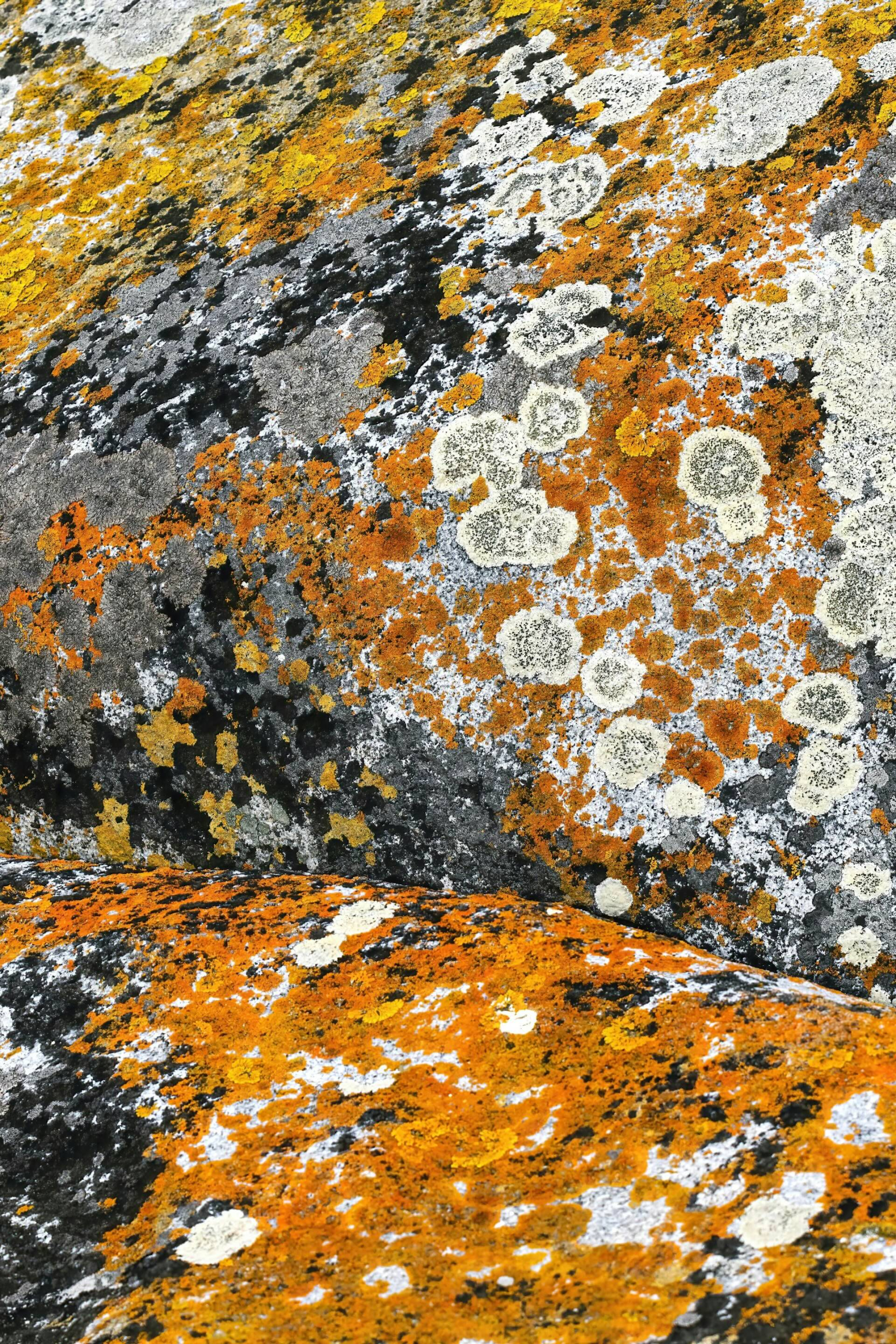
Lichen comes in many colours.
There are between 15-20 000 different lichen species, and they are very slow growing, some less than one millimetre per year. They can also live a very long time — a few can be over 1000 years old.
Old Man’s Beard is not actually a plant, but a lichen of the genus Usnea – a fruticose lichen. In South Africa it is often seen growing off trees. It can be used as a highly efficient tinder for starting fires, since it has natural oils that are flammable. It will light even if it’s damp/wet.
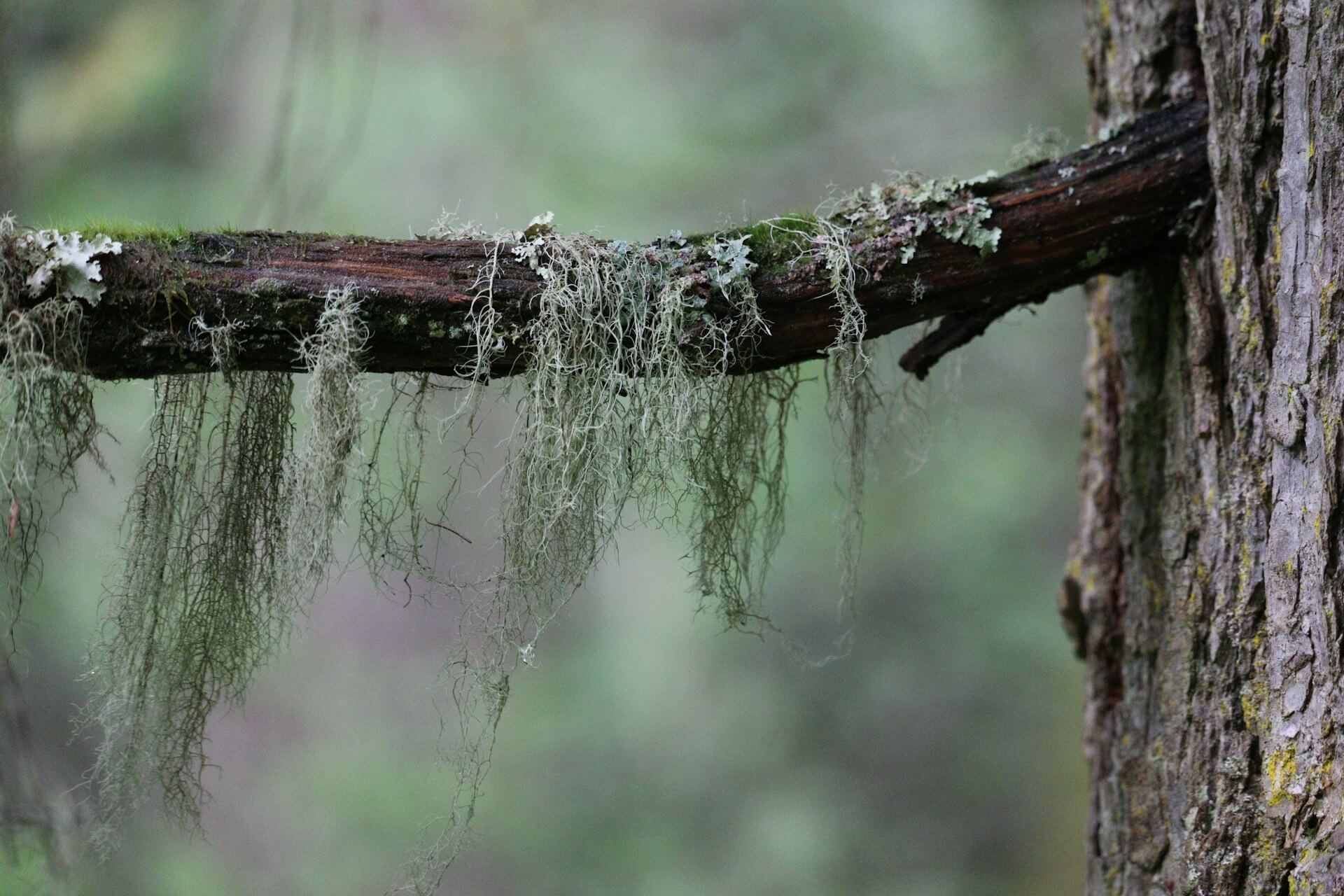
Old Man’s Beard
Ancient Egyptians used lichen, along with other materials, to fill the body cavities of mummies – as it was likely to absorb moisture and help with preservation, and to make the body seem more life-like.
In a 2005 experiment, the European Space Agency (ESA) discovered that lichen can survive unprotected in space. Two species of lichen were sealed in a capsule and launched on a Russian Soyuz rocket. Once they were in orbit, the capsules were opened. The lichen was exposed to the vacuum of space, to cosmic radiation and huge variances of temperature. After fifteen days the lichens were retrieved and found to be in full health: no damage was found. Considering that many lichens are edible, this is great news for science in terms of humans potentially colonising other planets.

Moss covered rocks in a river.
MOSS is a single simple, reasonably primitive kind of plant called a bryophyte. Mosses can capture sunlight through photosynthesis in order to produce essential nutrients. Mosses have leaflets made of photosynthetic cells, as trees and ferns do. But unlike these vascular plants, they don’t have specialized tissues that actively transport water and nutrients, such as sap. Instead, like a leafy, green sponge, mosses simply absorb water and nutrients. Which is why they can’t grow too tall – they would risk drying out at the top!
Moss plants date back 450 million years and have survived and thrived through a range of drastic climate changes. Moss is considered one of, if not the oldest plants on the planet. Unlike most other plants, mosses don’t have roots. Instead, they have rhizoids, which are small hairlike structures. Their main function is anchoring the plant to rock, bark or soil.
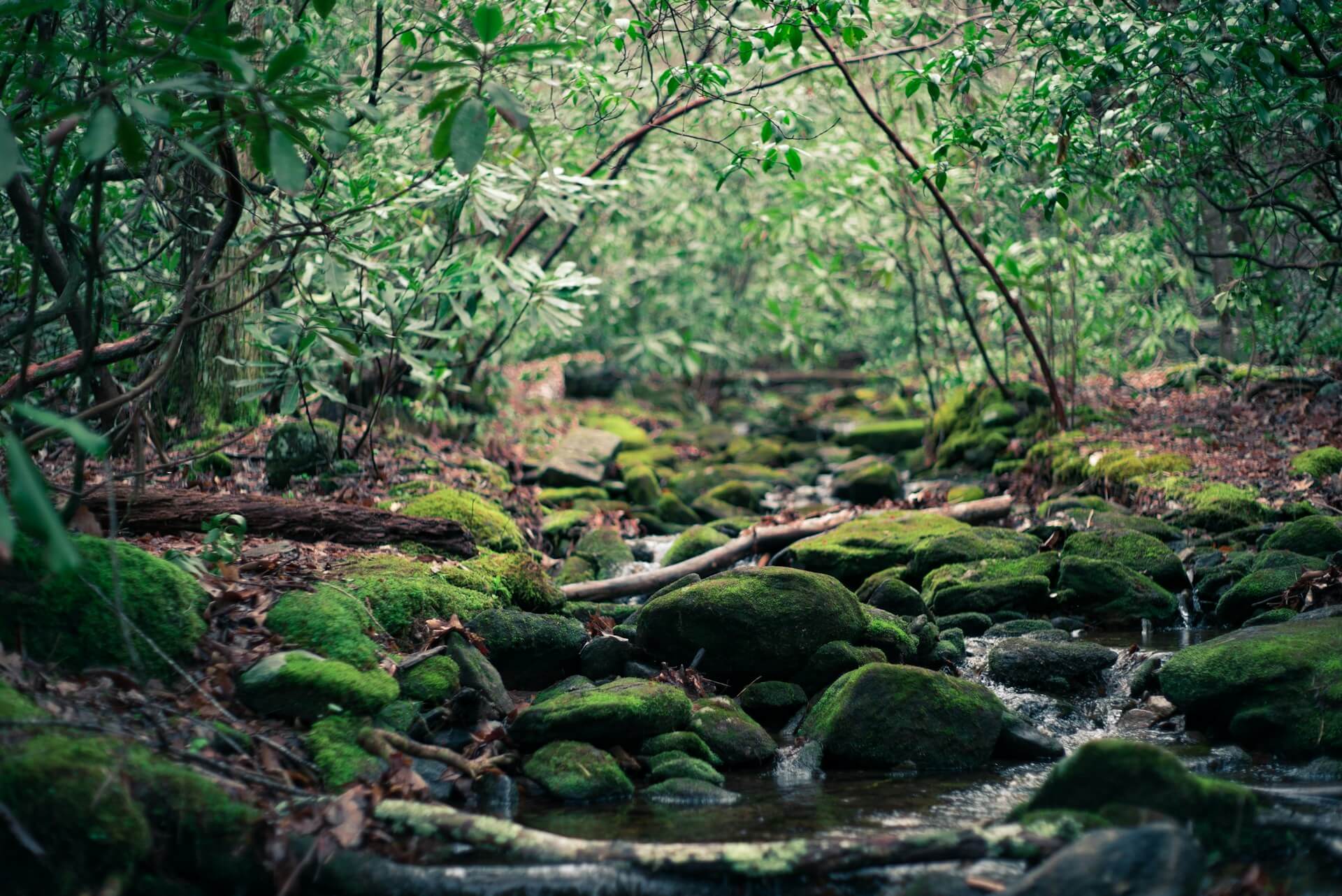
Riverbed with rocks covered in moss.
Moss plants can be incredibly tough, and different species have adapted to survive in extreme conditions. Studies have shown that the lowest temperature they can photosynthesise is around -15ºC and the highest is around 40ºC. In the hot environments like deserts, they tolerate heat by becoming dormant and desiccated. Some researchers found that some moss could regenerate after being stored at -80°C for five years or in liquid nitrogen at -196°C for a month (see info block).
Mosses can impact the temperatures of the soil, both warming it up and cooling it down depending on the environment. Some mosses have even adapted to low light conditions and are found growing in caves – such as Schistostega pennata, also known as dragon’s gold/goblins’ gold, which shines an emerald green colour.
Inside their protonema (thread-like structures that grow from a moss spore) the chloroplasts gather together to receive the maximum amount of available light, and the lens-shaped cells help to focus the light. The reflection of light from these chloroplasts is what causes the green luminous glow. In Hokkaido, Japan there is even a natural monument to this amazing moss – where you can see it growing in a cave.
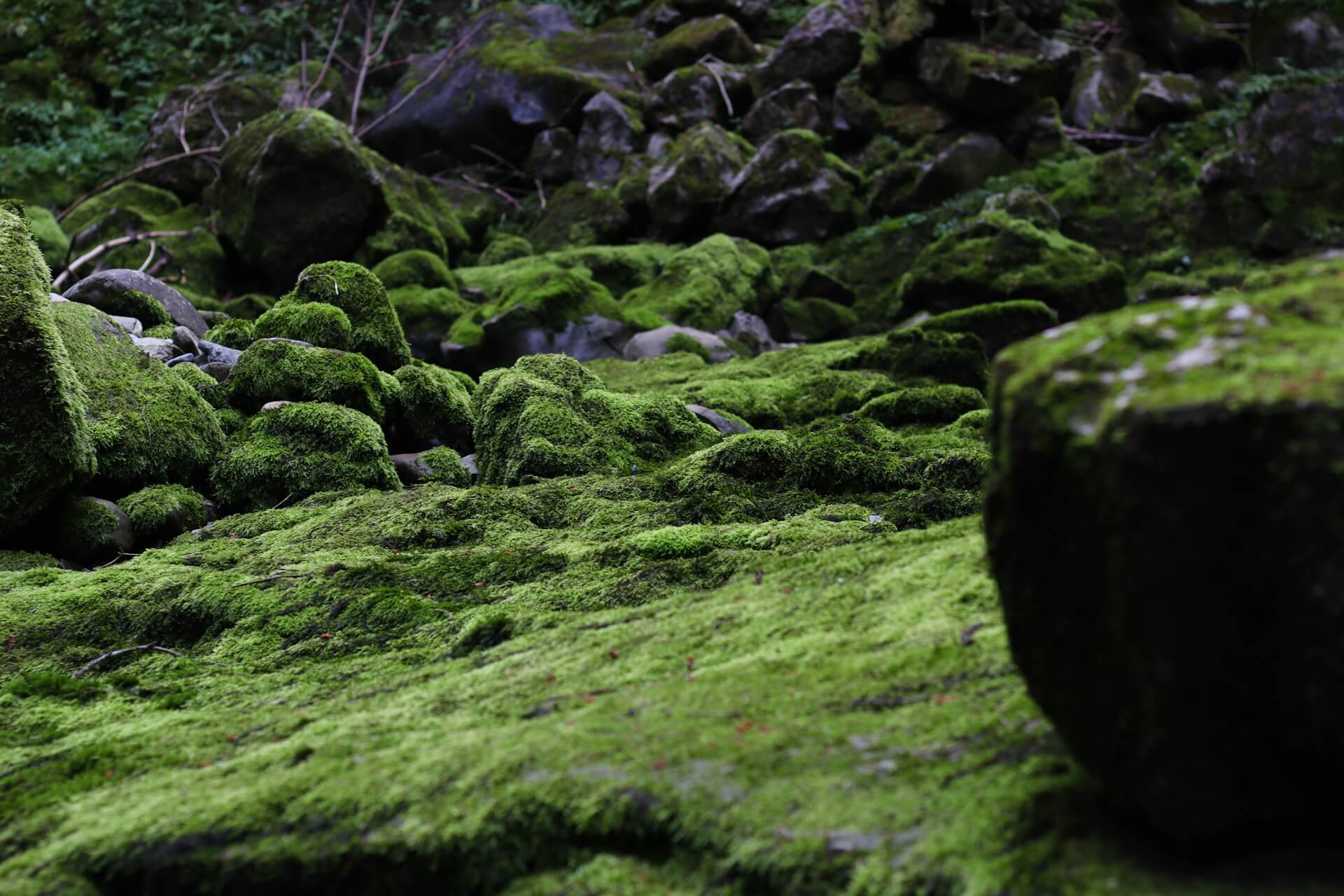
Mossy landscape.
In the first World War, mosses were used as bandages. They have antiseptic properties, which was perfect to cleanse and heal the wounded over the course of the war when traditional medication was not available. Earlier, mosses have even been used as diapers.
Finally – mosses collectively provide more carbon offset than all the trees in the world. So, these little creatures are really important for us! Who would have thought this was possible…
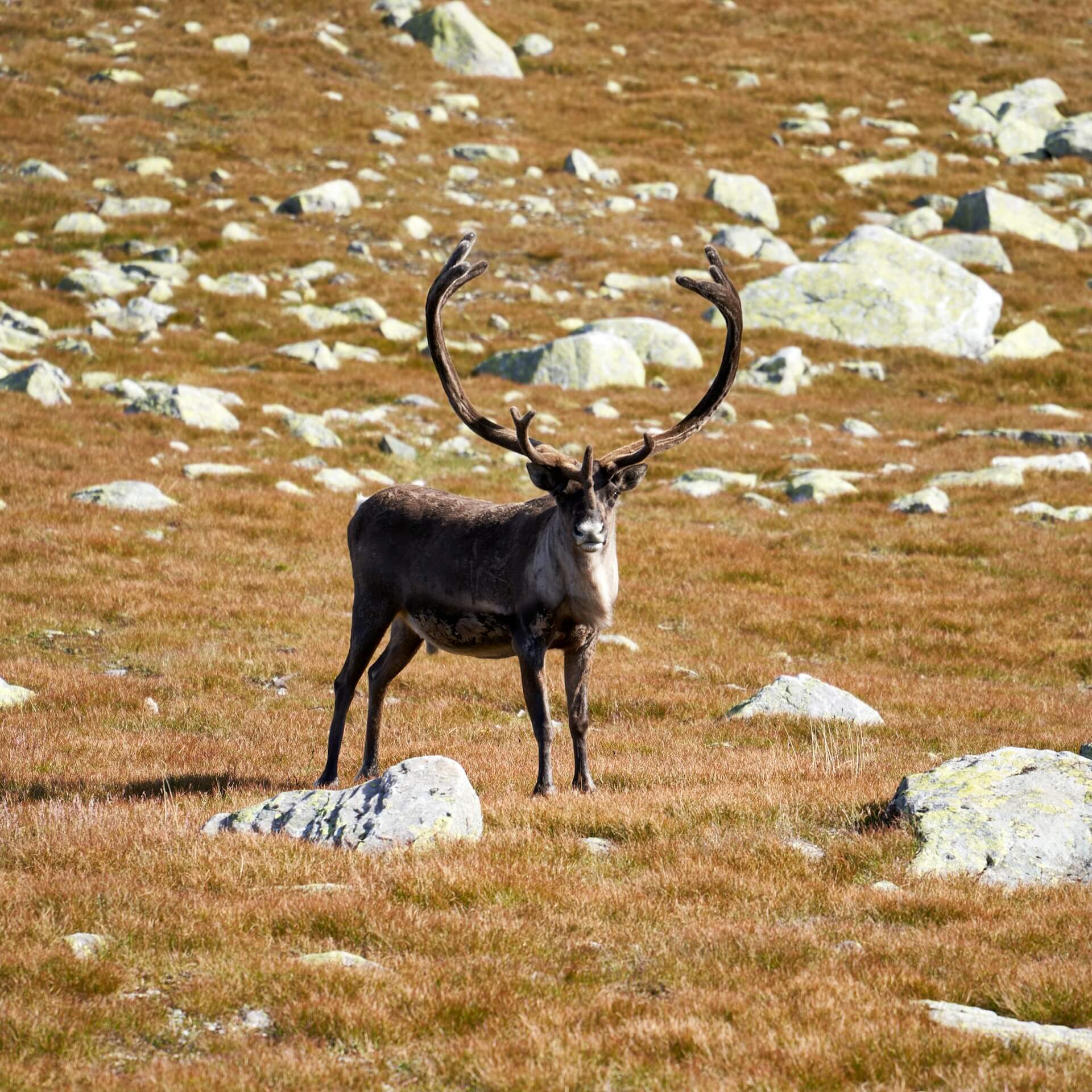
An adult male reindeer.
“Reindeers love moss” is the statement. However, it turns out that Reindeer Moss (Cladonia Rangiferina) is actually a lichen which contains a special chemical (arachidonic acid) that helps reindeer keep their blood warm during their annual journey across the Arctic region – much like antifreeze keeps a car from freezing up in winter!
Once again, the more you find out, the more aware you are of the influence of different species – and how important it is to preserve them. Everything is interlinked and impacts upon other species. And we are just one small part of all of this…
Jacqui Ikin & The Cross Country Team
INFO BLOCK:
MOSS:
Goblin’s Gold:
https://www.indefenseofplants.com/blog/2021/2/15/goblins-gold-the-story-of-a-luminous-moss
The extremotolerant desert moss Syntrichia caninervis:
https://www.cell.com/the-innovation/pdf/S2666-6758(24)00095-X.pdf
ARA (arachidonic acid):
https://www.tiktok.com/@_sciencequest_/video/7346391020990385450
Modest moss supports billions of tons of carbon storage:
https://news.umich.edu/study-modest-moss-supports-billions-of-tons-of-carbon-storage/
LICHEN:
Natural Fire Starter – Old Man’s Beard
https://www.youtube.com/watch?v=XTl3Em-v0c8
Reindeer Moss (Cladonia Rangiferina)
https://www.schoolofhealth.com/docs/SOH/Provings/Proving_of_Reindeer_Moss_BLK_FINAL.pdf

