Trump and our Wildlife
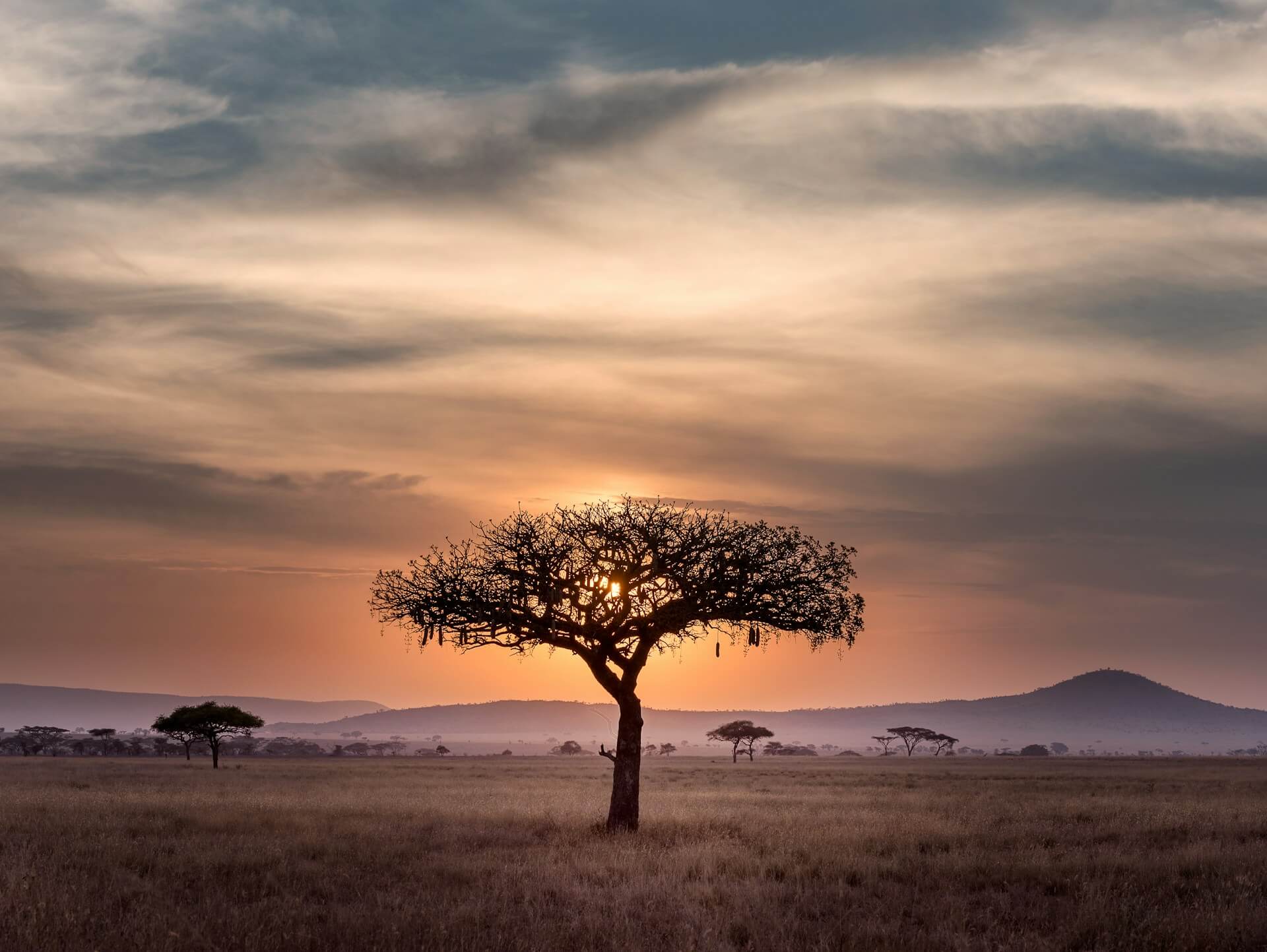
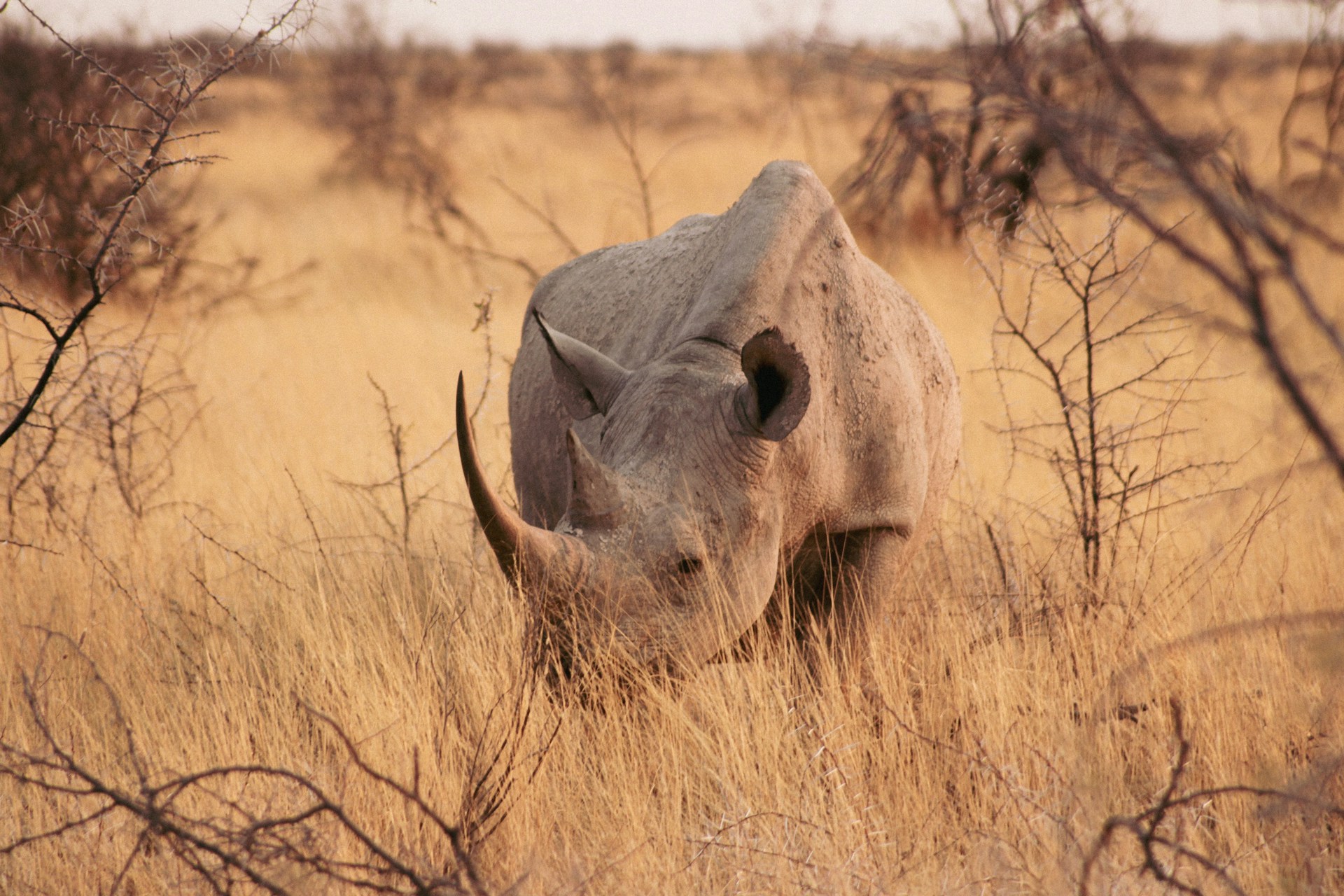
Looking at the scene above, it’s hard to believe that a leader on an entirely different continent has the ability to affect this environment. But he does. To start this column, let me say that these are my views and in no way representative of Cross Country Insurance Company’s official stance. This is simply a piece to ideally get people thinking about conservation in the current crises.
Sponsorship is always a double-edged sword. If you are really lucky, and the fates are smiling on you, you get into a deal where all are honourable, and it is a mutually beneficial relationship from the get-go. This is unfortunately very rare, and many of these relationships end in acrimony. Even assuming all are honest and funds go where they are supposed to, one party, almost consistently, eventually feels hard done by – whilst the other feels that they’re being taken advantage of. But here’s the real problem with a sponsorship / grant / whatever format you choose – more often than not, it leaves you completely vulnerable as all your eggs are in one basket. This is particularly dangerous when withdrawal of that money results in dire consequences, such as increased poaching or the enhancement of the criminal network who are moving the poached products out of the country. The recipient is also unlikely to be able to sue for breach of contract as they did not have the capital at their disposal in the first place.
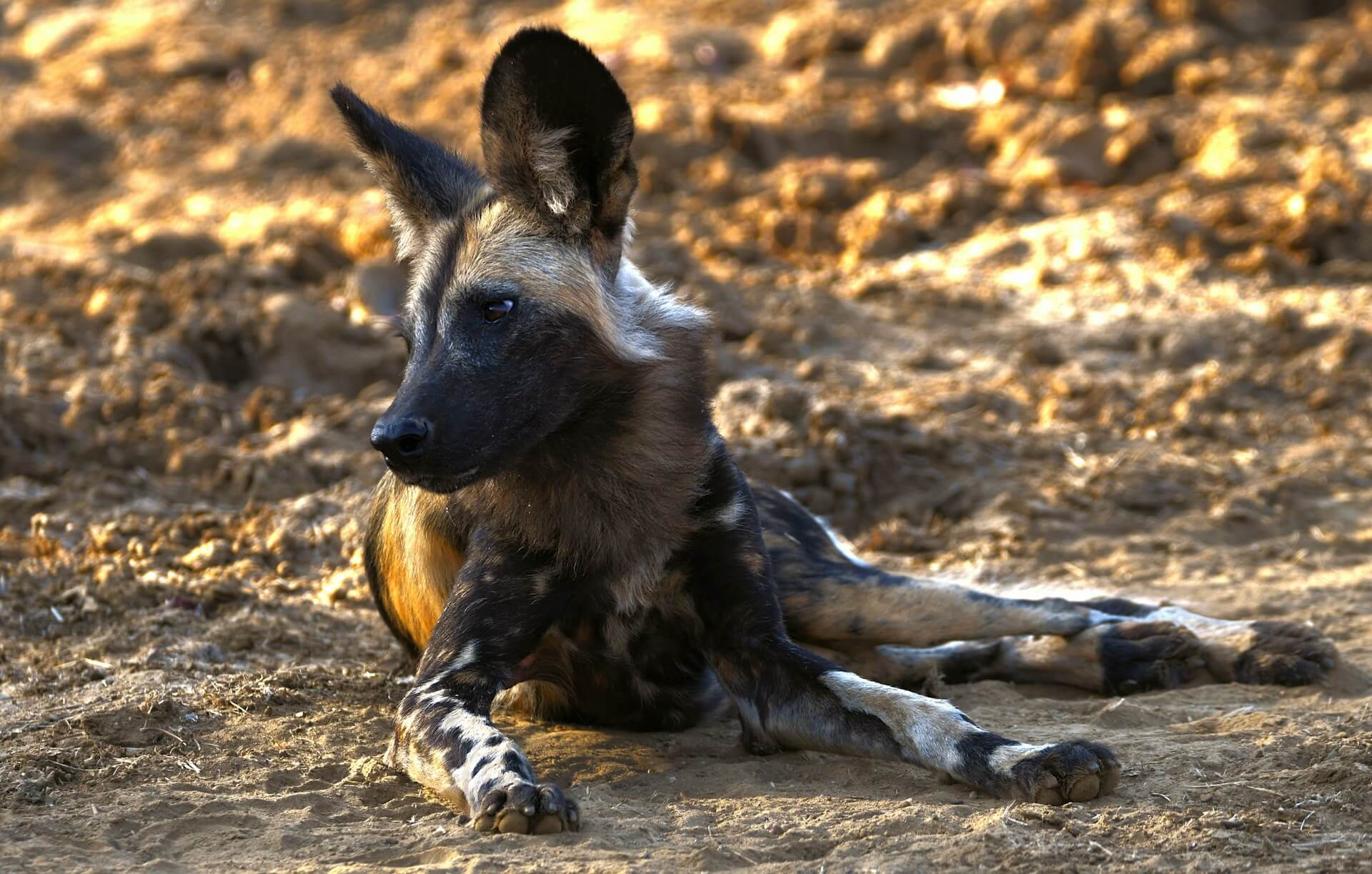
Cut to Trump’s actions in the last month or so. Whilst there has been much press about the effects of his withdrawing funding in our medical sector funding, considerably less has been reported on what is taking place in conservation. Make no mistake, there are many conservation initiatives deep within the USA that have also taken a huge knock with many of Trump’s latest decisions – but we are not focusing on that, but on what is happening on the African continent.
Don’t get me wrong – this column is not political. Every country has the right to use their resources in whatever way they see fit, regardless of whether outsiders agree or not. They also have the right to hold beneficiaries accountable for expenditure against results. There is no doubt in my mind that if all were squeaky clean against these criteria, there would have been a lot less damage taking place now! Unfortunately, those who have been honourable have also suffered. Here we are simply exploring the repercussions of Trump’s decisions.
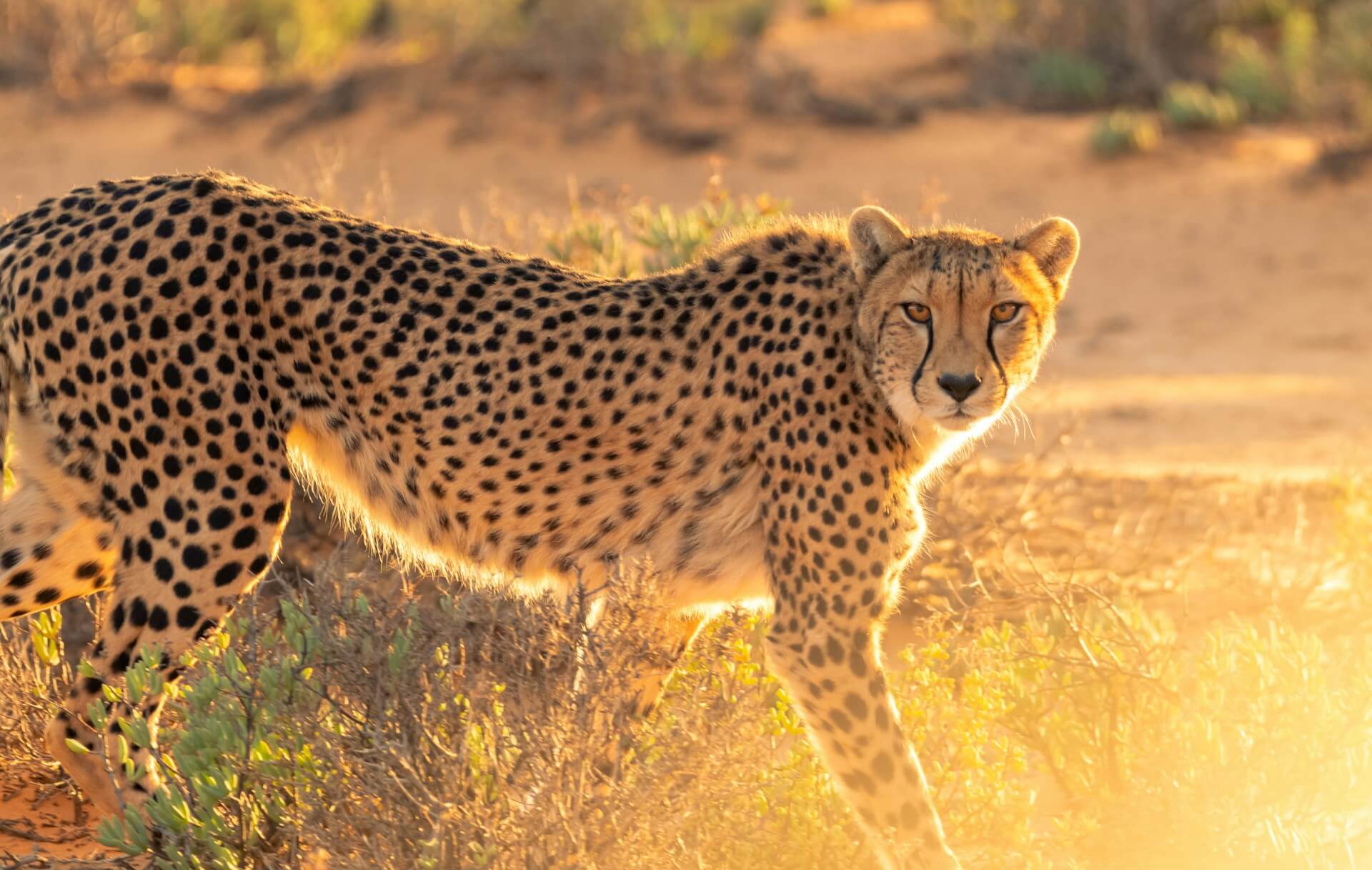
One can argue that Africa’s problems are just that – “Africa’s Problems”. But if you recall some of our columns where we have discussed subjects like swallow or butterfly migrations, you will remember that ultimately all wildlife belongs to the entire world. Conservation should be viewed wholistically across the planet – not to mention climate change, which is overtly a global issue. I am a great believer that Africa should solve her own problems, in a manner that works for Africa. International funding is, however, often the low hanging fruit, and I am not for a second suggesting that it isn’t accepted with gratitude by conservation entities. But it does leave us completely vulnerable when they decide to pull out.
eNCA online news headlines on Thursday 27 February 2025 – 22:10pm read “SA-US Relations | Trump shuts down USAID funding permanently”. Now, what that actually means, how long it will stay in place, whether Trump will have a change of heart, etc – is all open to debate. I challenge anyone to predict what the future holds right now! But notice that it reads “shut down USAID funding permanently”. Conservation entities all over Africa receive significant funding from USAID. Whilst the majority of press is about the health industry fallout, in truth the conservation industry has also been left high and dry.
It is excessively difficult to trace the true amount of USA funding to various conservation efforts. Many keep their cards close to their chest – which is understandable if you have found a great source of funding. But make no mistake that USAID and others have been a large part of the funding pie of many, many African conservation entities.
What is interesting, is that almost every single USAID page has been completely removed from the internet. You can only find tantalising snippets which are cached but lead nowhere. So, it is impossible to get true figures. Not that it really matters – it is simply “lots and lots of millions of dollars”…
What is the call to action in this article? How do we make a difference here at home, on the ground – whether or not the entities are losing funding from the USA? Remember the Theodore Roosevelt quote “Do what you can, with what you have, where you are”? That’s the way to go!
So, for example, Woolworths has a MySchool MyVillage MyPlanet Card scheme where you can choose a beneficiary. If you’re not already signed up, please consider joining? It costs you nothing, and the charity of your choice gets an income every time you shop at Woolies. In the info block are a couple of conservation entities you may wish to choose from. And it doesn’t cost you a single cent! Just remember to swipe your card.
Check out your community forums. I know that, for example, the Bryanston East Community Forum cleaned 143kg of rubbish from the Braamfontein Spruit River recently. It seems to be a small thing, but that waste would ultimately end up fouling our river systems and eventually ending up in the ocean. A little effort goes a long way…
You can plant indigenous vegetation, help clear snares from a local park, visit botanical gardens (thereby supporting them financially) or even volunteer for a worthy cause. Helping to educate children on conservation is something which makes a difference over decades – as they grow up, you have a generation of nature-conscious individuals. Imagine if everyone did just a little? The overall impact would be massive!
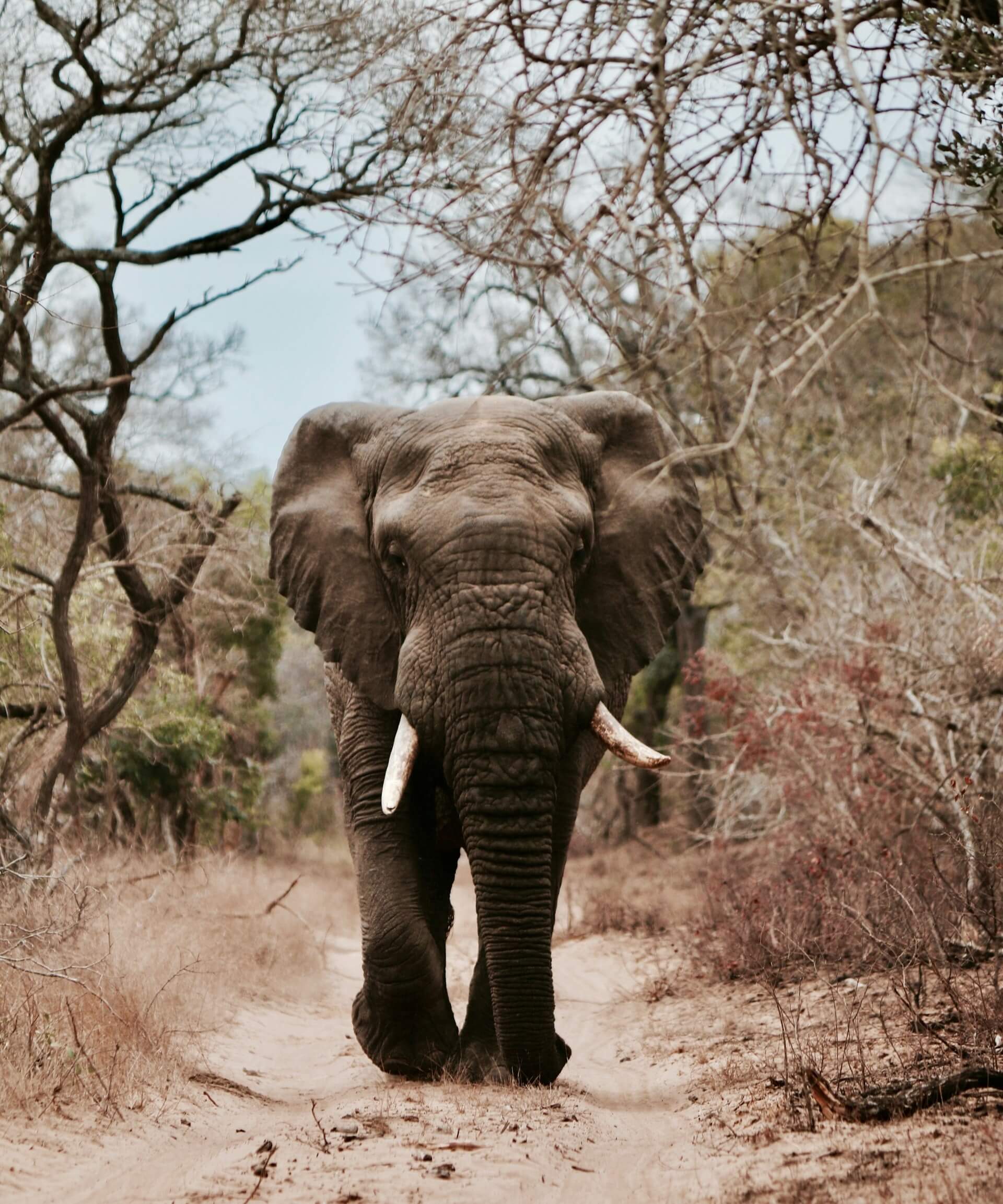
If we can reach the stage where everyone lives in harmony with nature as much as is possible, given their circumstances, we will be a step ahead of the game. This is our heritage, our legacy. We are the custodians of this spectacular landscape. Let’s all do our bit towards preserving it. And if we can find ways of funding that are varied and not entirely reliant on one overall international sponsor, we will be in a far more stable situation. Ultimately, let international funding be the cherry on top – a nice-to-have rather than a necessity which could close an important project down.

What I know for sure is that it is going to be extremely difficult to replace the millions in funding lost by, amongst others, USAID withdrawing. That said, the sooner we can become self-sufficient, the less vulnerable we will be to the vagaries of international funding. The chaos that is rolling out after a complete freezing of USAID (to name but one) funding should be a chilling reminder of just how reliant many industries are on world superpowers. And it is NOT a good thing, primarily because, as we have seen, they can withdraw their support literally overnight.
Aid dependency is, in my humble opinion, the quickest way to actively under-develop regions. Now we are forced to go cold-turkey from our foreign funding mainline, perhaps we will finally be able to focus on self-sufficiency as a solution, which although desperately difficult now, will leave us in a far stronger position – so that we are resilient and not completely vulnerable when the northern hemisphere changes its mind. Let’s build autonomous economies and funding models, with broad bases, that will allow us that resilience and adaptability in these troubled times…
Jacqui Ikin & The Cross Country Team
INFO BOX:
MySchool MyVillage MyPlanet:
https://www.myschool.co.za/
Some conservation choices you could make:
Wilderness Leadership School:
https://www.wildernesstrails.org.za/
Wilderness Foundation:
https://wildernessfoundation.co.za/
Lapalala Wilderness School:
https://www.lwschool.org/