
The “Bulb Capital of the World”
In our third and last article on the flowers, we explore Nieuwoudtville.
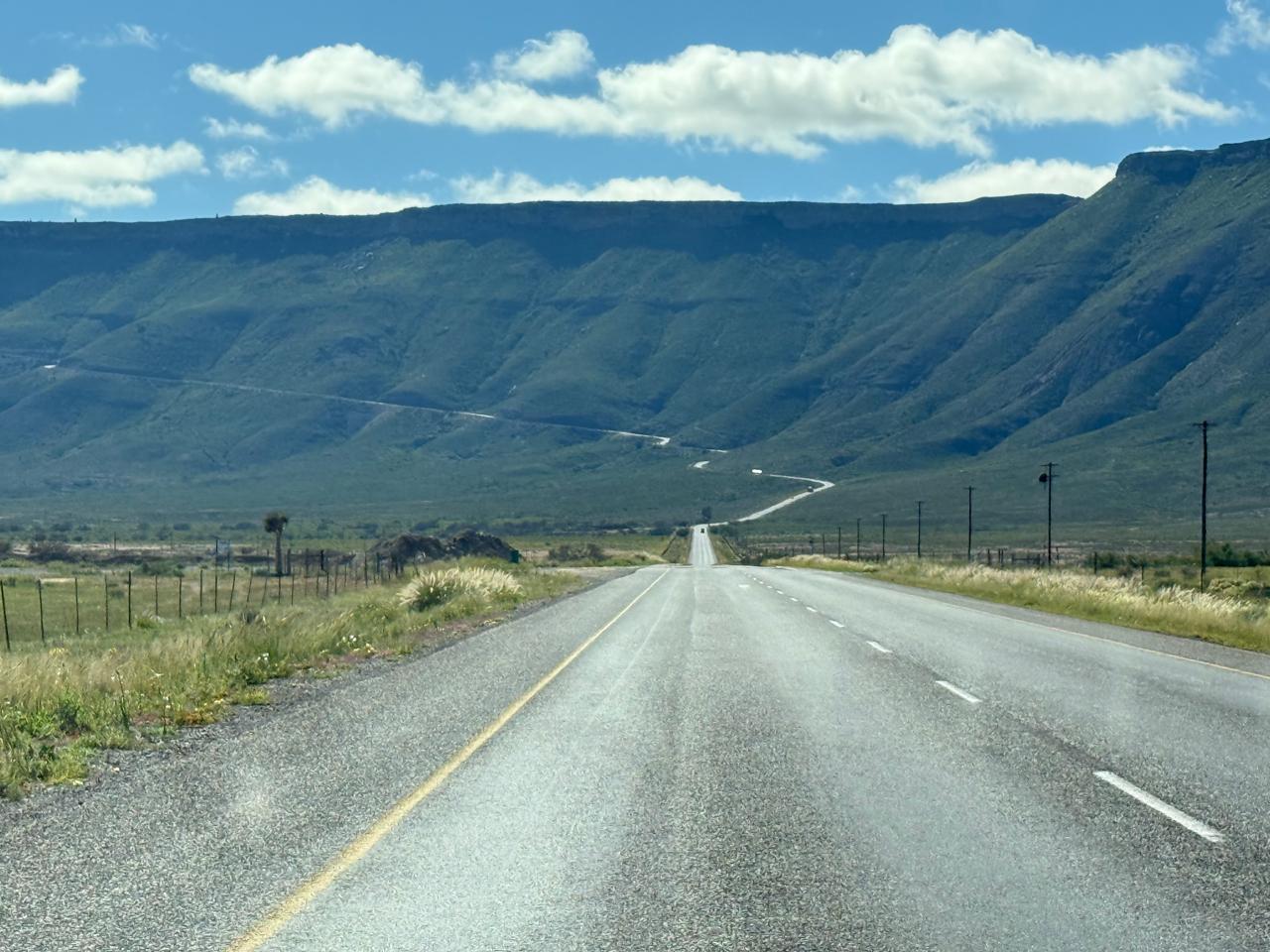
To get from the Namaqua National Park to Nieuwoudtville, you need to take the N7 south. On reaching Vanrhynsdorp, you hang a left and head up Vanrhyns Pass (R27). The road is perfect, and the scenery is spectacular. There are places on the pass where you can pull off to appreciate the panorama and take some pics.
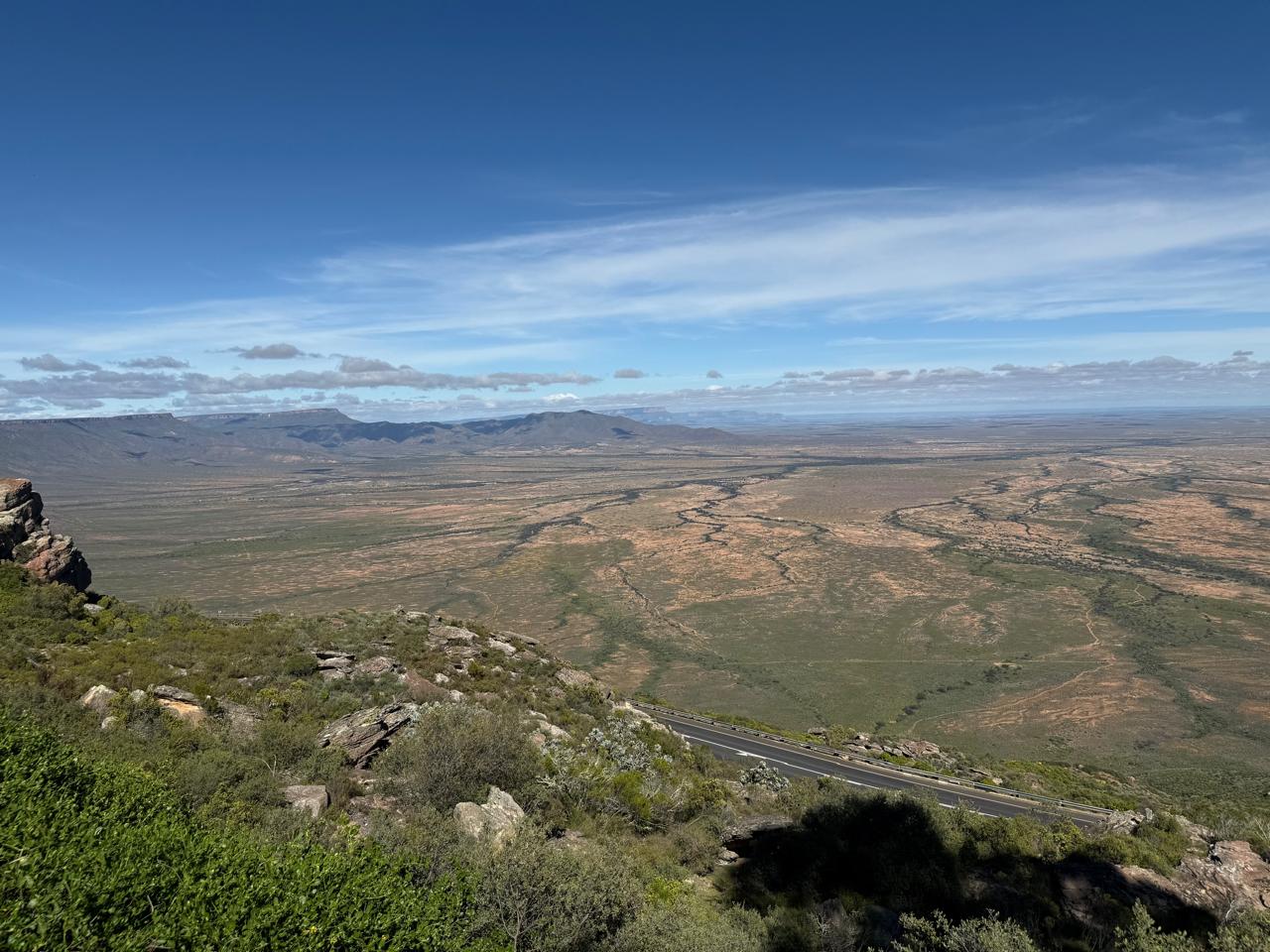
One source claims that the “Knersvlakte” is home to a third of the world’s dwarf succulents, and that it also has one of the largest concentrations of endangered plant species in the world. Namaqualand in general has some 35 different lichens and possibly even more, with more than half being endemic to the region. Be that as it may, the Knersvlakte area around Vanrhynsdorp was first explored by Danish traveller Pieter van Meerhoff in 1661. It was originally named Trutro for a local river. The town grew around the 1751 Troe-Troe Homestead, which was a Dutch Reformed Church mission station that became the community’s centre.
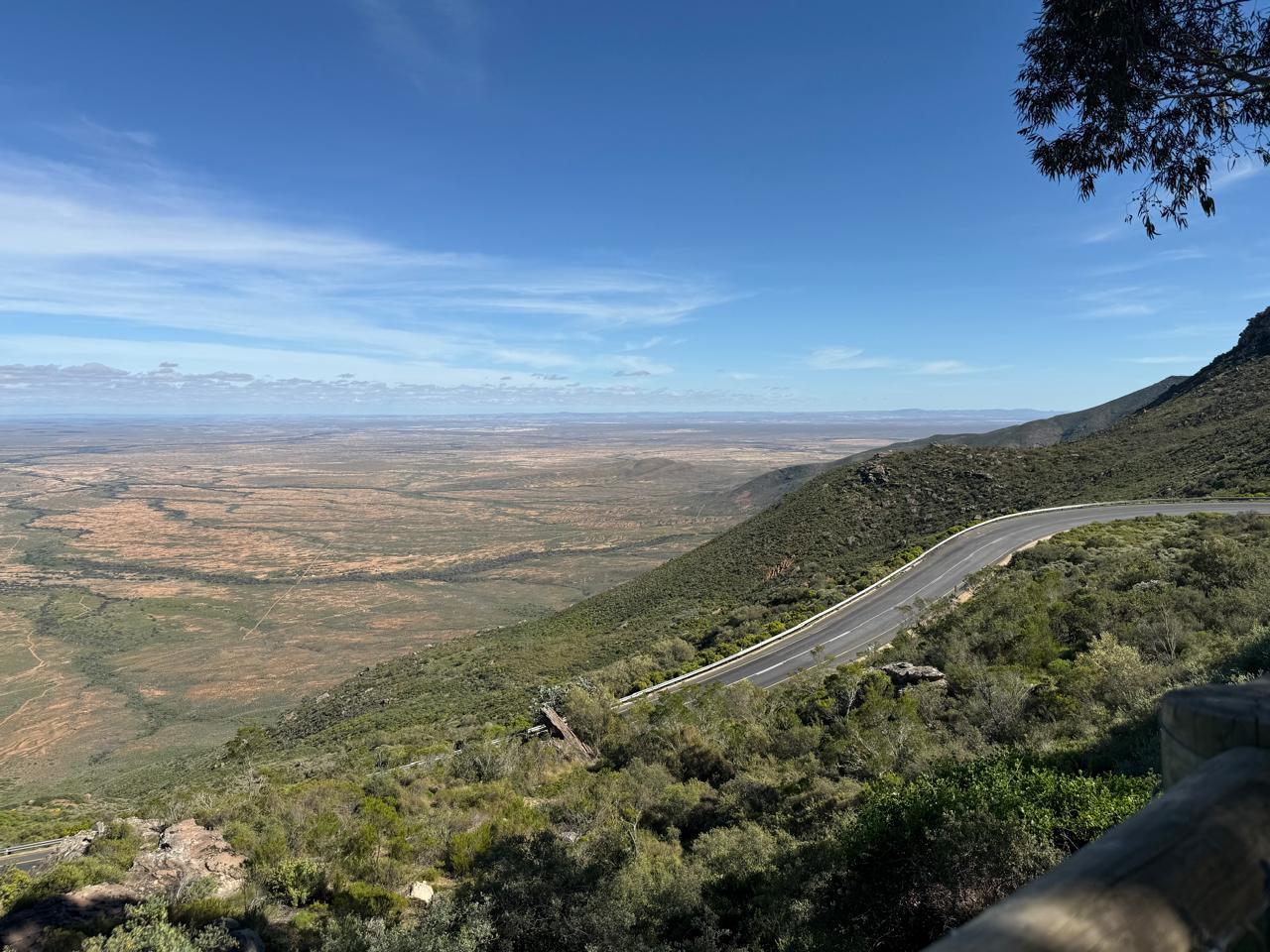
This pass, like so many others, was originally built and designed by Thomas Bain. It is considered one of the Top Ten passes of the Northern Cape. The views are spectacular, and the winding pass allows for a lovely 9km driving experience. I imagine it would be particularly good on a motorbike. The pass is named after Petrus Benjamin Van Rhyn – a clergyman, politician and member of parliament in the old mission settlement of Troe-Troe. In 1881, this settlement was renamed to honour Hendrik van Rhijn, a church leader and community member. Slowly it became a stopover for travellers and the gateway to Namaqualand.
Once you have climbed the pass, you will be in a completely different environment. The pass climbs 595 meters over a short distance, rising from the plains near Vanrhynsdorp to the summit at 825 meters above sea level. The Knersvlakte at the bottom of the pass are a semi-arid, succulent Karoo habitat, characterized by scrubby, hardy vegetation. On reaching the top, the Nieuwoudtville plateau is a unique biodiversity hotspot known as the “bulb capital of the world,” with a variety of geophytes (plants with bulbs or corms) that flourish during the spring. There is a complete difference in both rainfall and temperature between the two areas.
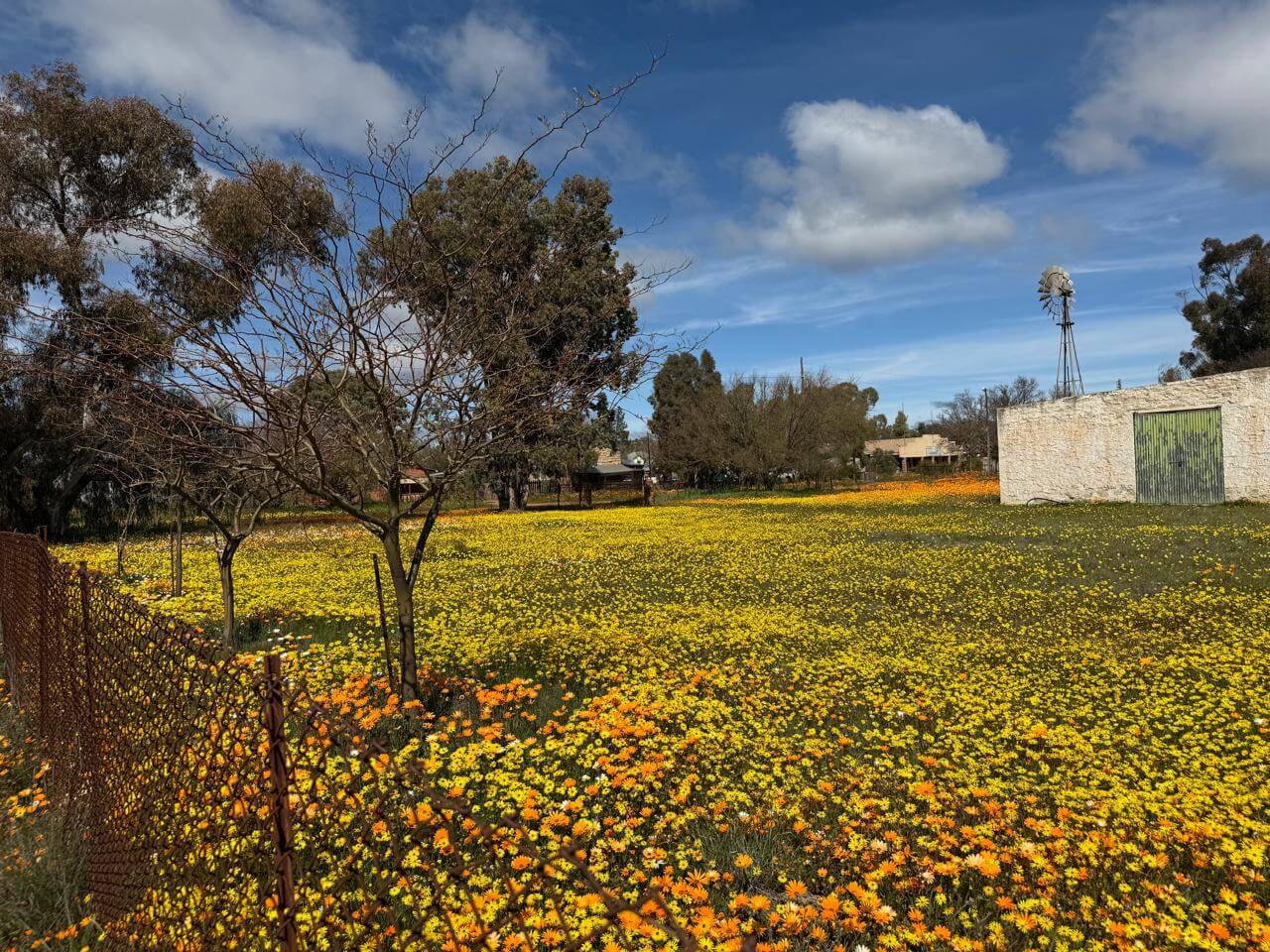
The Khoi San inhabited this area for millennia before the first settlers arrived in approximately 1730. Much of their local rock art can be found in Oorlogskloof Nature Reserve and on farms around Nieuwoudtville. The town was founded in 1897 on land purchased from H.C. Nieuwoudt, after whom it is named.
Nieuwoudtville is known as the “bulb capital” for a number of reasons. The area has a high number of diverse bulbous plants, with some sources reporting up to 309 species. Many of these bulbous flowers are endemic, meaning they are found only in this specific region. And lastly, the plateau’s unique geological features, including five different soil bands parallel to the escarpment, provide varied conditions for different species to thrive.
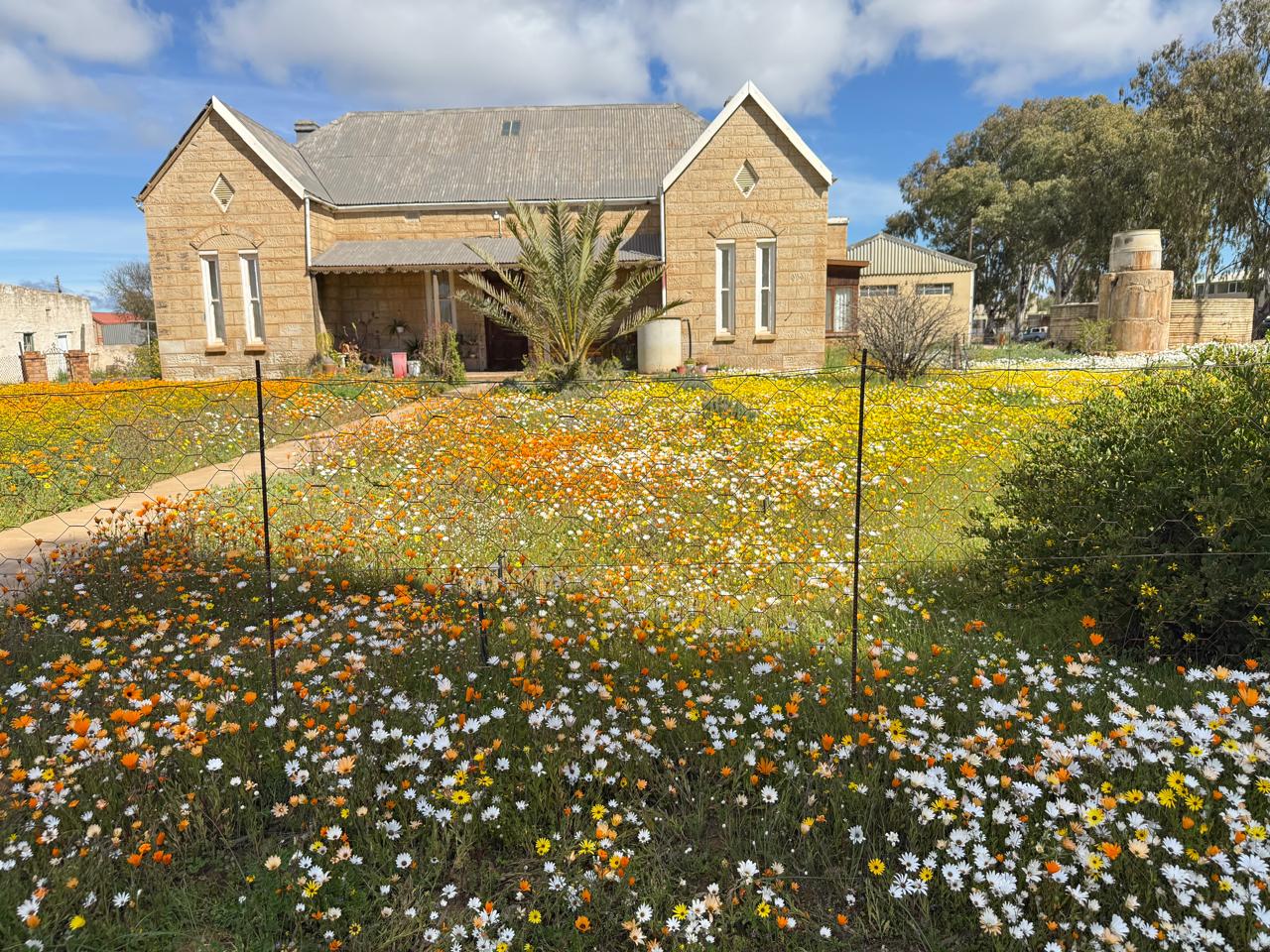
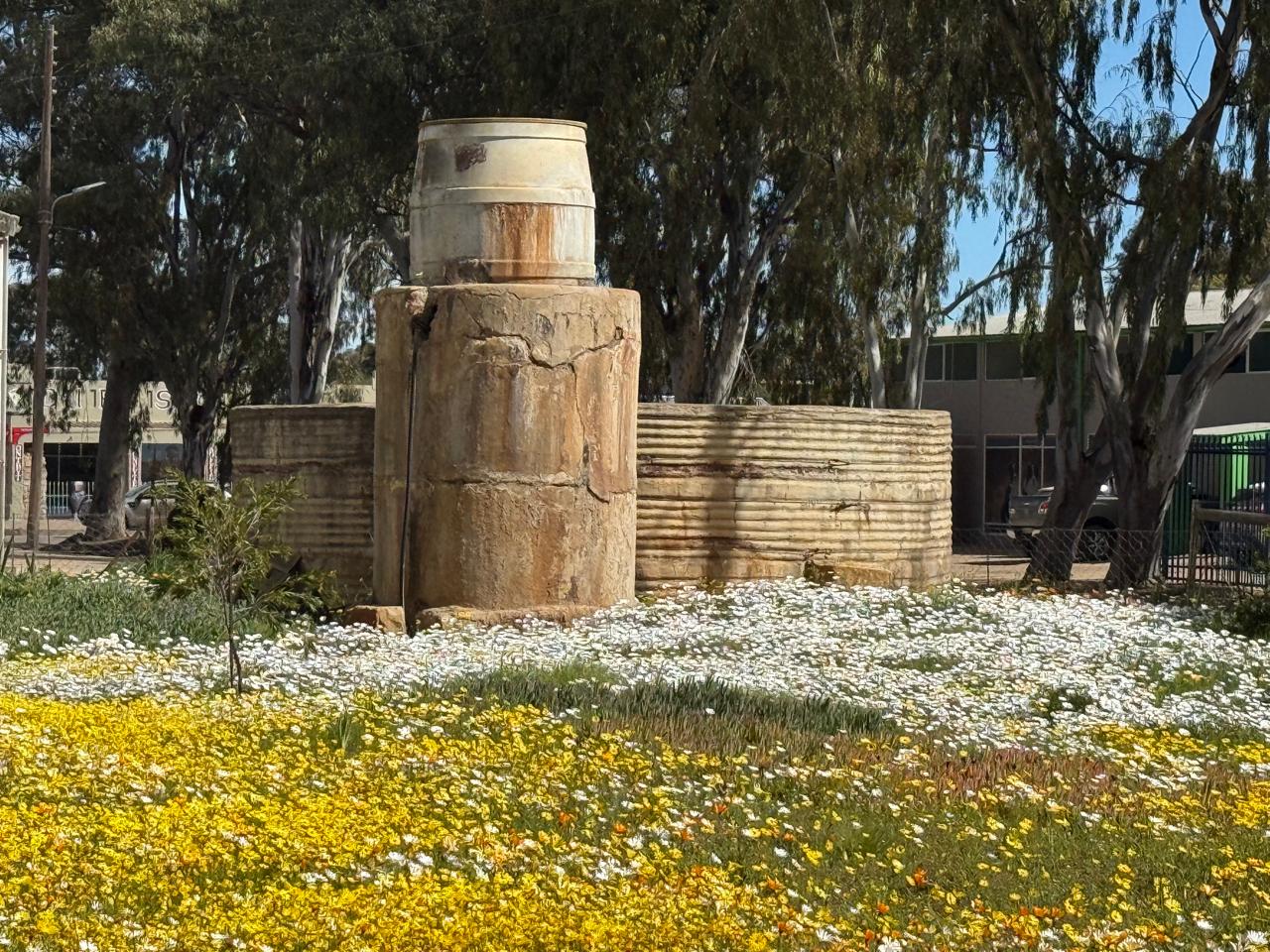
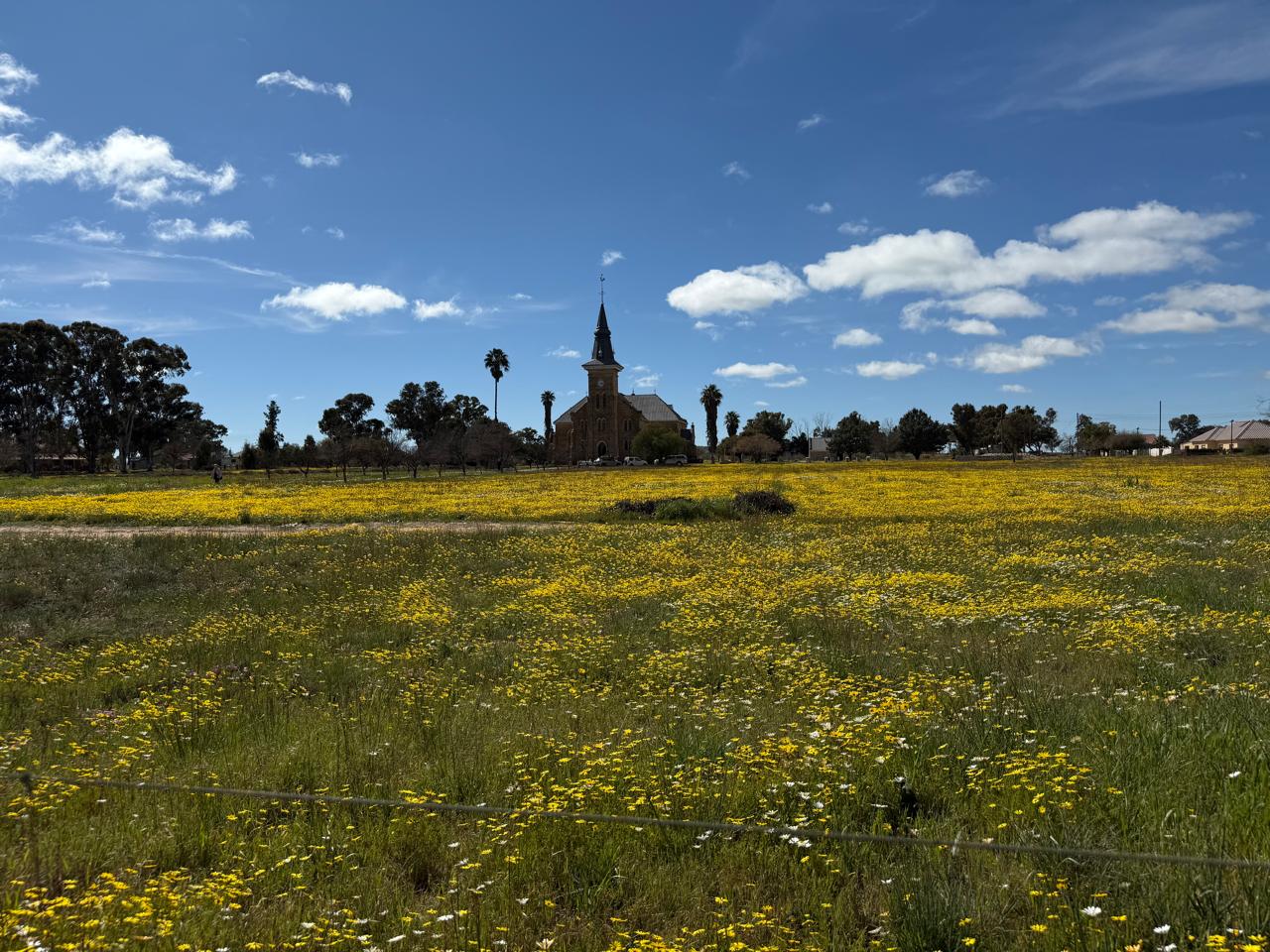
The spring flowers can be found throughout the village, in private gardens (which you can photograph from the road) as well as on the verges of the road. The stunning neo-Gothic style Dutch Reformed Church is located in an expansive field of natural vegetation, which becomes a yellow carpet in season. Basically, wherever you look, there are flowers. There are also a number of flower reserves nearby – ask around or call the Nieuwoudtville Publicity Association.
I didn’t manage to get down to the West Coast National Park, but it is on my bucket list for next year!!
If you missed this season, I would definitely suggest going next year. It is truly one of nature’s miracles and really should not be missed if you have a chance of getting there. Happy travels!!
Jacqui Ikin & The Cross Country Team
INFO BLOCK:
Nieuwoudtville Publicity Association:
Voortrekker Street, Nieuwoudtville, 8180
Tel: 027-218-1336
