
Become an indigenous foodie
When people think about travel in South Africa, a few things usually come to mind: wildlife, adventure sports, and beach holidays. “Foodie tours” are more often associated with places like Tuscany, the south of France, or exotic destinations such as Morocco. But if we carry the “Local is Lekker” theme through, we’re reminded that some of the world’s most loved food brands and flavours are right on our doorstep. With the New Year just beginning, perhaps one of your resolutions should be to become a foodie in your own country. You could even start that journey on your way home – especially if you’re returning from holiday.

While it may seem obvious, have you ever stopped to consider that when you buy imported goods, those products are made elsewhere – and you are directly supporting another country’s economy rather than your own? This is where the concept of “Geographical Indications” (GI) comes into play. GIs are a form of legal protection that ensures, for example, that only sparkling wine produced in the Champagne region may be called Champagne. By linking products to their place of origin, GIs add significant value: they allow producers to command premium prices, improve market access, and combat counterfeiting. In doing so, they help strengthen rural economies while preserving traditional knowledge and heritage.
According to Wikipedia, “the protected designation of origin (PDO) is a type of geographical indication of the European Union aimed at preserving the designations of origin of food-related products. The designation was created in 1992, and its main purpose is to designate products that have been produced, processed and developed in a specific geographical area, using the recognized know-how of local producers and ingredients from the region concerned. The characteristics of the products protected are essentially linked to their terroir.”
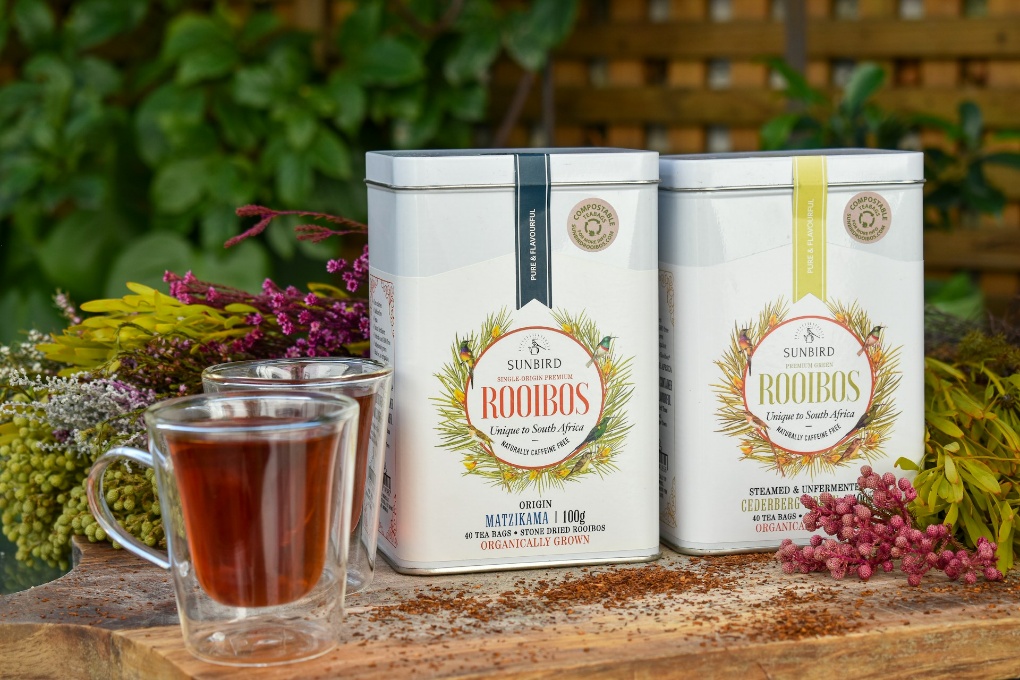
In May 2021, the European Commission registered South Africa’s indigenous rooibos as a Protected Designation of Origin (PDO), making it the first African food product to receive this status. The implications extend far beyond tea alone. Today, the rooibos industry employs approximately 8,000 people, with export earnings for South Africa consistently estimated at around R600 million per year.
There is also another aspect to this industry… The Rooibos Benefit-Sharing Agreement (BSA) is a landmark 2019 deal in South Africa where the rooibos industry pays a 1.5% levy on the farm-gate price to Khoisan communities, recognizing them as traditional knowledge holders of the plant, ensuring fair benefit sharing under international protocols like the Nagoya Protocol, funding community projects (like the Wupperthal & Heiveld co-ops), and promoting social justice and biodiversity conservation for this unique indigenous species.
Honeybush and rooibos are both South African, caffeine-free herbal teas with a similar reddish hue, yet they differ noticeably in flavour. Honeybush is naturally sweeter, with floral, honey-like notes, while rooibos has a more earthy profile, often described as nutty with hints of vanilla. For this reason, honeybush is frequently preferred for its natural sweetness and distinctive character. Both teas are rich in antioxidants and originate from different plants found within the same Fynbos region – honeybush from various Cyclopia species, and rooibos from Aspalathus linearis. While rooibos has already achieved Protected Designation of Origin (PDO) status, honeybush has not yet been granted the same recognition, though it has been identified as a strong candidate for future protection.
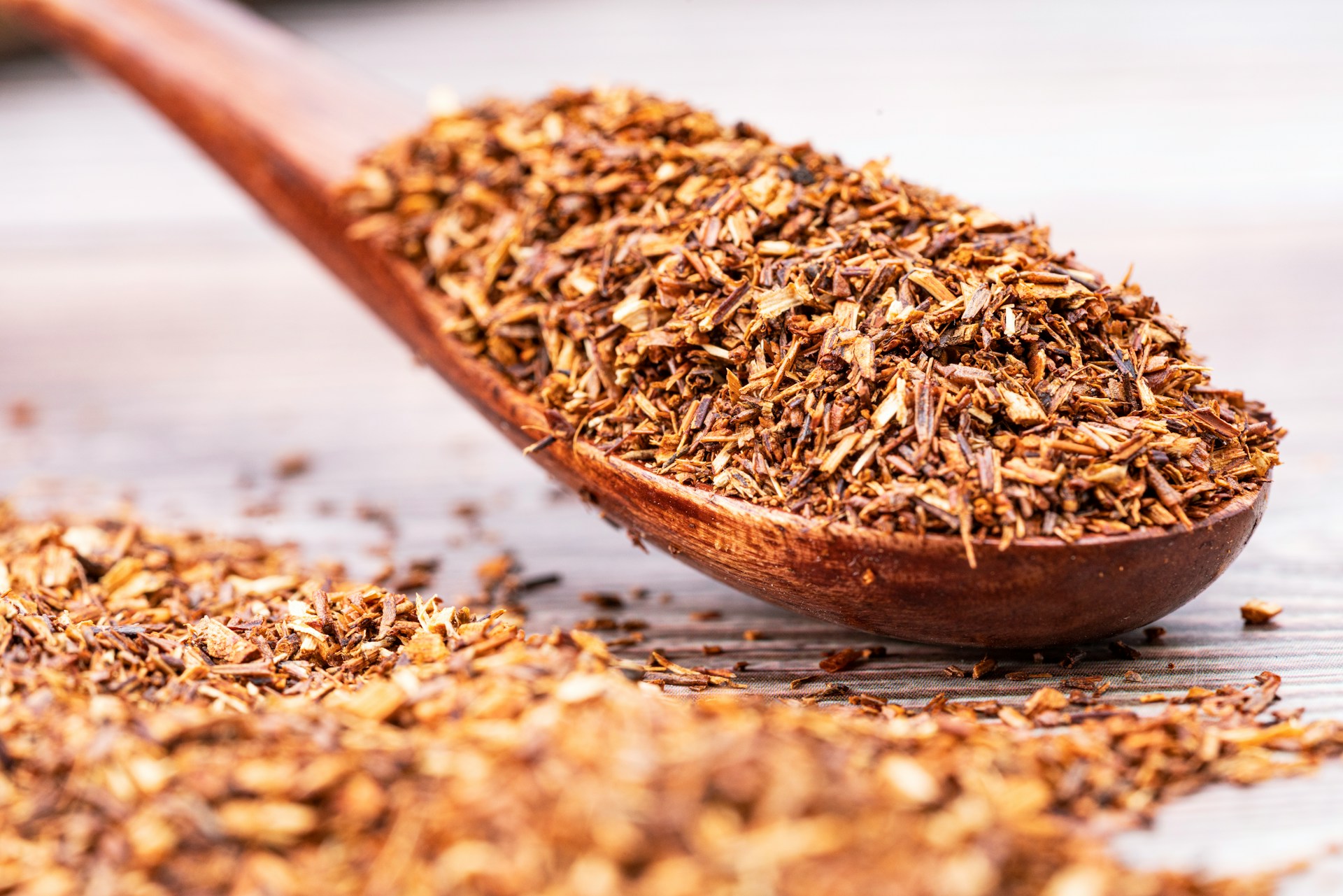
Rooibos tea is grown exclusively in the Cederberg Mountains of the Western Cape. Honeybush tea, while also uniquely South African, is cultivated primarily in the mountainous fynbos regions of both the Western and Eastern Cape. Key production areas include the Tsitsikamma, Kouga, Baviaanskloof, Langeberg, and Langkloof mountain ranges, stretching from near Port Elizabeth to coastal regions such as Riversdale. Many of these farms welcome visitors with guided tours, and some even offer on-site accommodation. If travel isn’t an option, there’s still nothing stopping you from sampling these distinctive local teas at many of South Africa’s excellent restaurants or purchasing them in stores.
The fynbos honey industry in South Africa’s Western Cape is a growing niche market for unique, premium raw honey from indigenous Cape honeybees and diverse fynbos plants, prized for its distinctive caramel notes, health properties (antioxidants, enzymes), and sustainable practices.
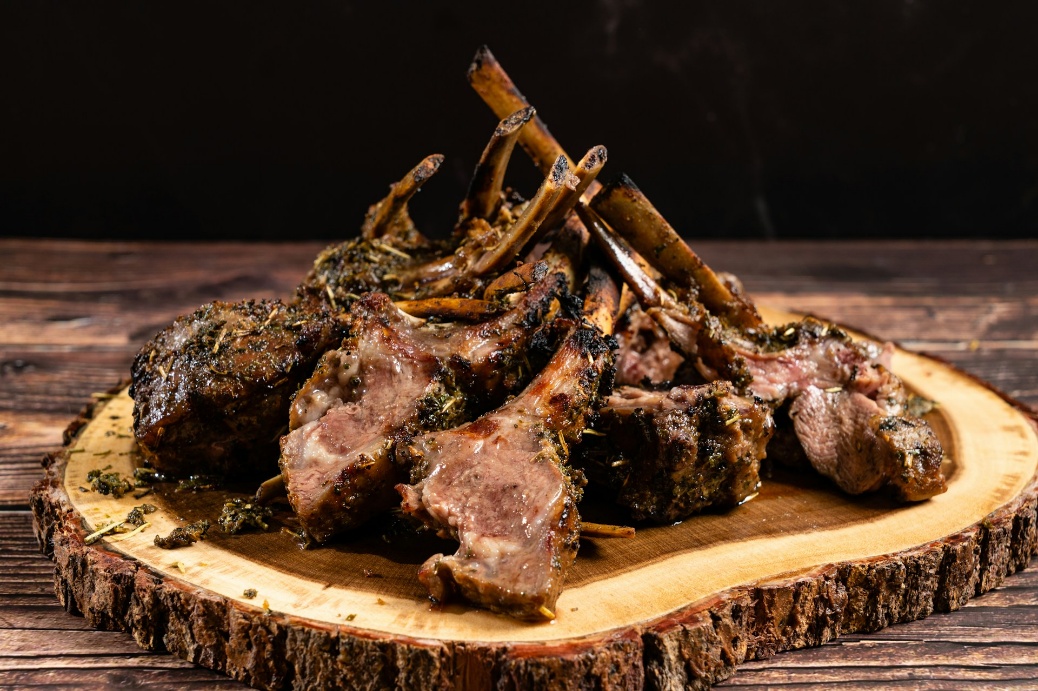
In October 2023, Karoo Lamb became South Africa’s first meat product to receive Geographical Indication (GI) protection. Once again, the reason lies in terroir. The sheep graze on indigenous Karoo vegetation, which imparts a distinctive flavour profile that simply cannot be replicated elsewhere. The appellation “Karoo Lamb” applies only to lamb that is both born and raised within the Karoo region. Its origin is rigorously validated, with meat sourced exclusively from this area, ensuring that only authentic, free-range animals may carry the respected Karoo Lamb hallmark.

The Karoo itself is a vast and striking region, spanning more than 400,000 square kilometres and home to over 6,000 plant species, making it one of the world’s notable biodiversity hotspots. This semi-desert landscape is defined by dry, arid conditions that favour hardy indigenous and succulent plants. Over time, these plants have adapted by developing deep root systems capable of accessing underground water sources – vegetation that ultimately shapes the unique taste of Karoo Lamb.
While not an indigenous species, trout has become a well-established and valuable industry in South Africa. Many hours have been whiled away on the edge of a fly-fishing dam, where it often feels as though the experience itself is just as important as the catch. The economic value of South Africa’s trout industry is significant, encompassing both aquaculture production and a thriving recreational fishery. Estimates from around 2010 suggested that trout farming alone was worth tens of millions of rand annually and supported numerous jobs, while the broader economic impact of fly fishing – including tourism, equipment sales, accommodation, and guiding services – was valued in the billions of rand.

This activity has been particularly important in driving local economies in regions such as Dullstroom and parts of the Eastern Cape. While precise and up-to-date figures vary, projections indicate that the overall trout market could reach into the billions by 2031. So, take a breather and head off on a fishing expedition—or simply order a beautifully prepared trout from the menu of somewhere truly enchanting.

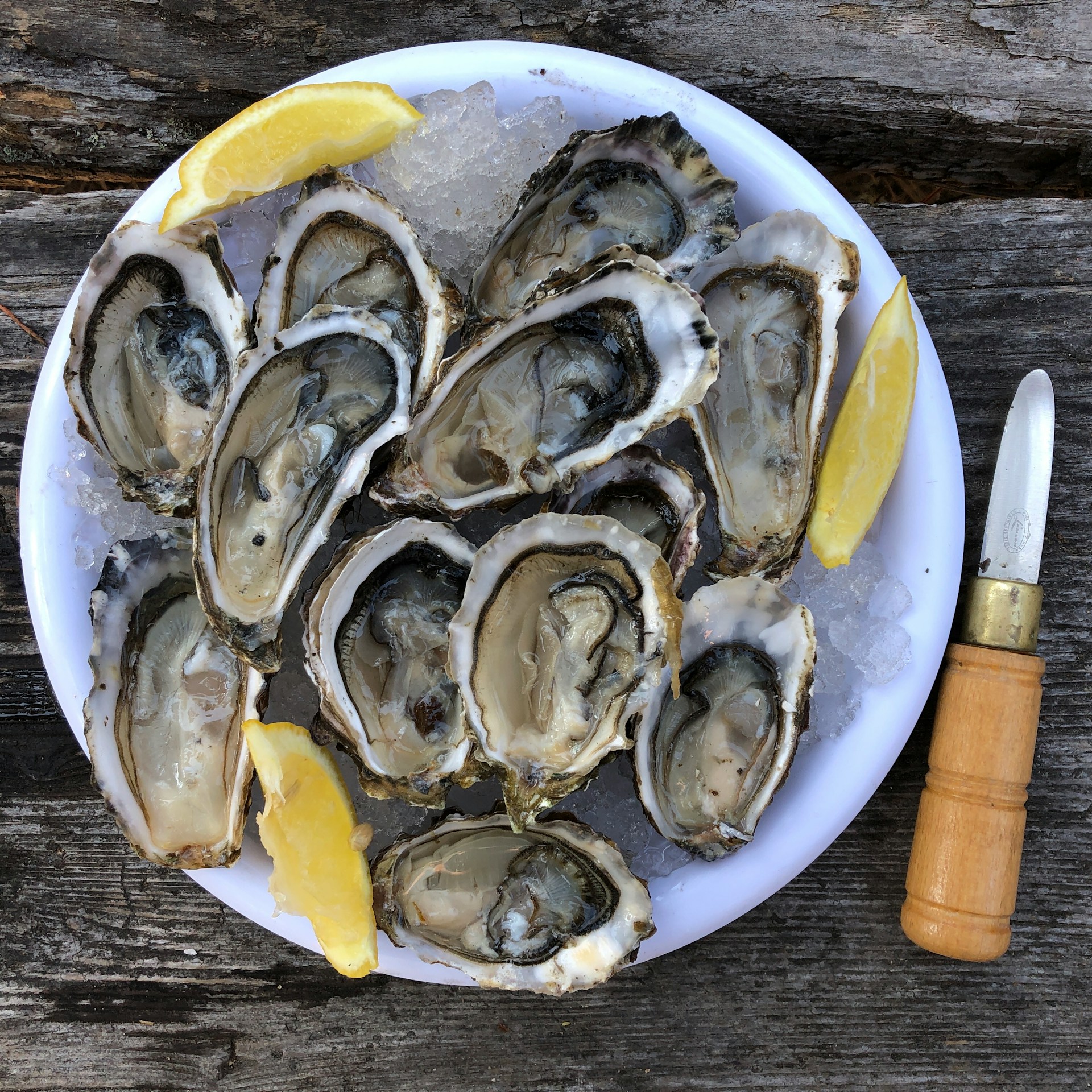
Whilst the Knysna Heads are a well-known tourist attraction, oysters from this area quite possibly attract even more attention. Knysna’s oyster history began with attempts at commercial farming in the late 1940s using Japanese oysters, leading to an “oyster boom” and the town’s reputation as South Africa’s oyster capital, culminating in the famous Oyster Festival. However, natural challenges like floods and poor water quality closed most local farms by the 2000s, shifting cultivated oysters to other areas like Saldanha Bay, though wild Cape Rock oysters remain important for the festival, celebrating the region’s rich, natural oyster heritage.
While buffalo are a quintessential part of the South African landscape, you may be surprised to learn that they also provide mozzarella – albeit from non-indigenous water buffalo. Buffalo Ridge, located near Wellington, is South Africa’s only water buffalo dairy and the country’s sole producer of authentic buffalo mozzarella. Founded in 2006 after years of research and the careful sourcing of a suitable breeding herd, Buffalo Ridge set out to produce a product as authentic as possible. To achieve this, founders Wayne and Michelle Rademeyer travelled to Campania, Italy – the traditional home of buffalo mozzarella – where they spent time as guests on farms and in caseifici (creameries) run by founding families of the industry. Wayne produced South Africa’s first buffalo mozzarella in November 2007. Today, Buffalo Ridge Cheese is made on a farm near Wellington in the Western Cape using traditional Italian methods and Italian Mediterranean water buffalo. The cheese is supplied to many of South Africa’s top, award-winning restaurants and hotels, as well as a growing number of premium retailers, including Woolworths – cementing its place as a standout example of world-class, locally produced food.
One could go on and on – South Africa is truly a foodie paradise. While international markets have long recognized our culinary treasures, it seems it’s taking us a little longer to fully appreciate them at home. With some of the most incredible food sources in the world right on our doorstep, be sure not to miss out!
Jacqui Ikin & The Cross Country Team