
Is the Antarctic Ice growing back?
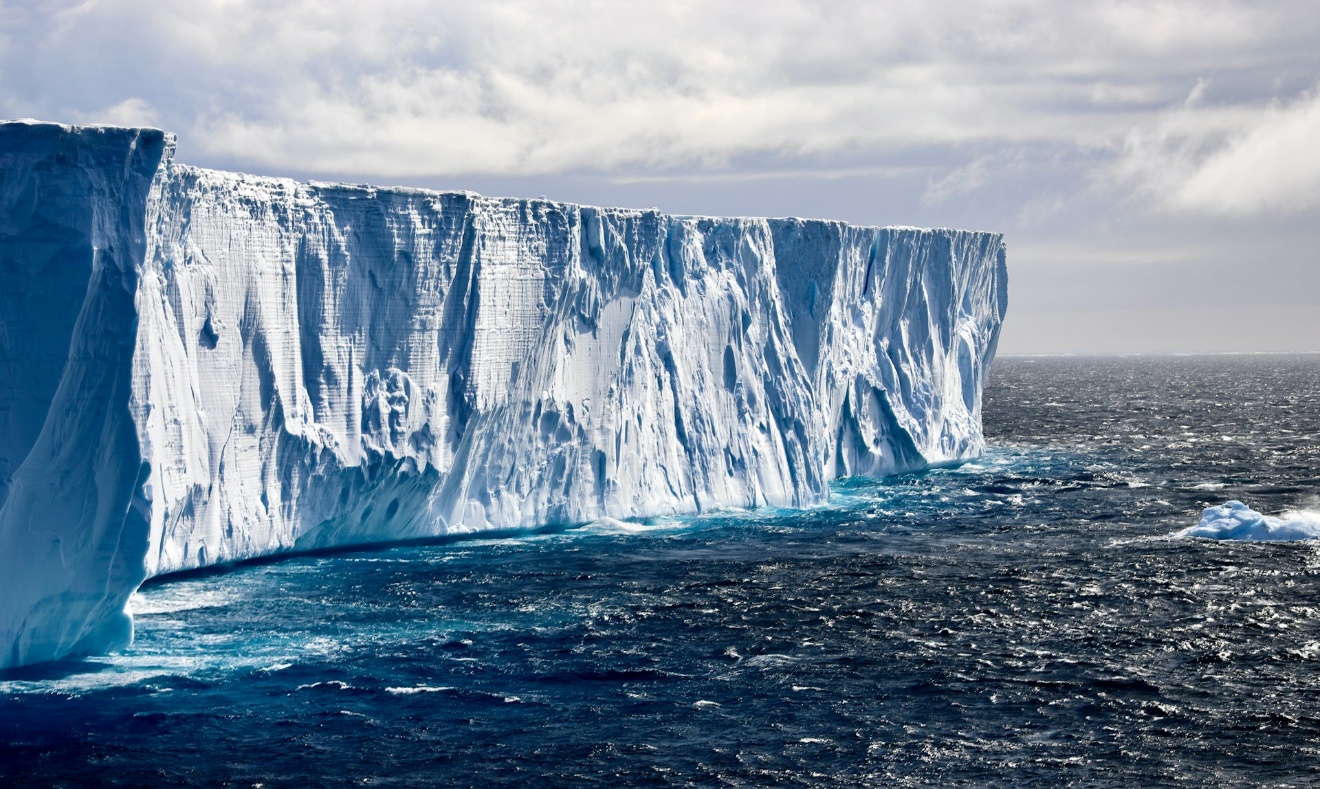
The Arctic is the region surrounding the Earth’s NORTH Pole, primarily composed of the Arctic Ocean and surrounding landmasses, defined by the Arctic Circle at approximately 66.5° North latitude.
Antarctica is a continent located at the Earth’s southernmost point, covering the geographic SOUTH Pole and surrounded by the Southern Ocean. It is the coldest, driest, and windiest continent and is almost entirely covered by a massive ice sheet.
The earth’s warming is causing ice caps and glaciers of both of these regions to melt at an accelerated rate due to warmer air and ocean temperatures, which leads to rising sea levels. This melting also threatens ecosystems and wildlife that depend on ice, such as polar bears, and can cause extreme weather events and also impact communities that rely on glacial meltwater.

According to NBC News, one rather unexpected and startling effect of melting polar ice is that it’s actually slowing the Earth’s rotation. A new study found that ice loss caused by climate change is redistributing the planet’s mass enough to alter its spin – with possible consequences for timekeeping. That may seem trivial, but I can’t help thinking there must be many other, perhaps far more significant, effects when the speed of Earth’s rotation changes. (See INFO).
The Arctic is melting much faster and more consistently than the Antarctic. While the Arctic has experienced a steady, long-term decline in sea ice, Antarctic sea ice has shown much greater year-to-year variability. Satellite observations over the past several decades have tracked these contrasting patterns of growth and retreat. These differences have much to do with geography. The land masses (North America, Europe, Asia) act as a barrier that contains the Arctic Ocean and therefore limits the outward spread of sea ice. However, the Antarctic is a continent surrounded by oceans, allowing sea ice to expand more freely.
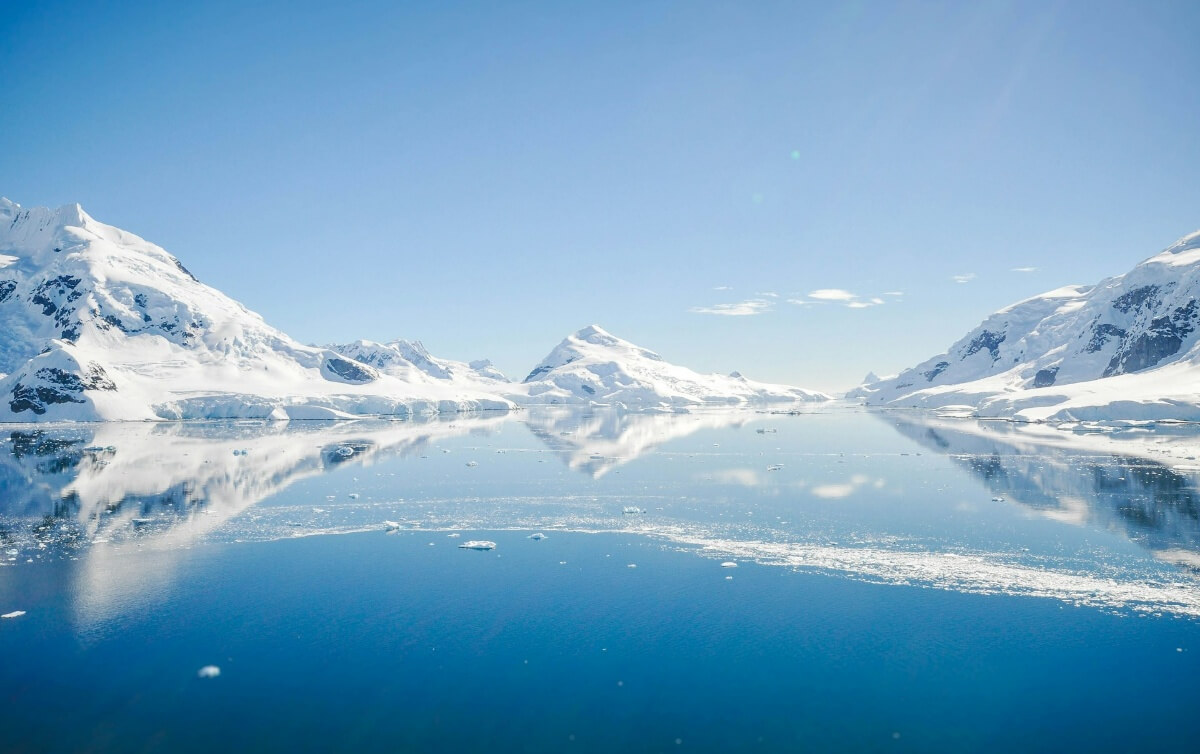
The Arctic’s faster rate of melting is linked to its warmer, more enclosed ocean basin, while Antarctic patterns are shaped largely by wind and ocean currents. In both hemispheres, sea ice grows through fall and winter and melts through spring and summer. But because the Northern and Southern Hemispheres experience opposite seasons, Arctic and Antarctic sea ice advance and retreat at opposite times of the year.
Anyhoo -as interesting as the above all is, the point of this article is that NASA satellites show Antarctica has GAINED ice despite rising global temperatures. How is that possible?
Initially, I was just so excited to read that. Perhaps, somehow, the earth was fixing itself?? Perhaps our world was learning to overcome the damage we so regularly inflict…
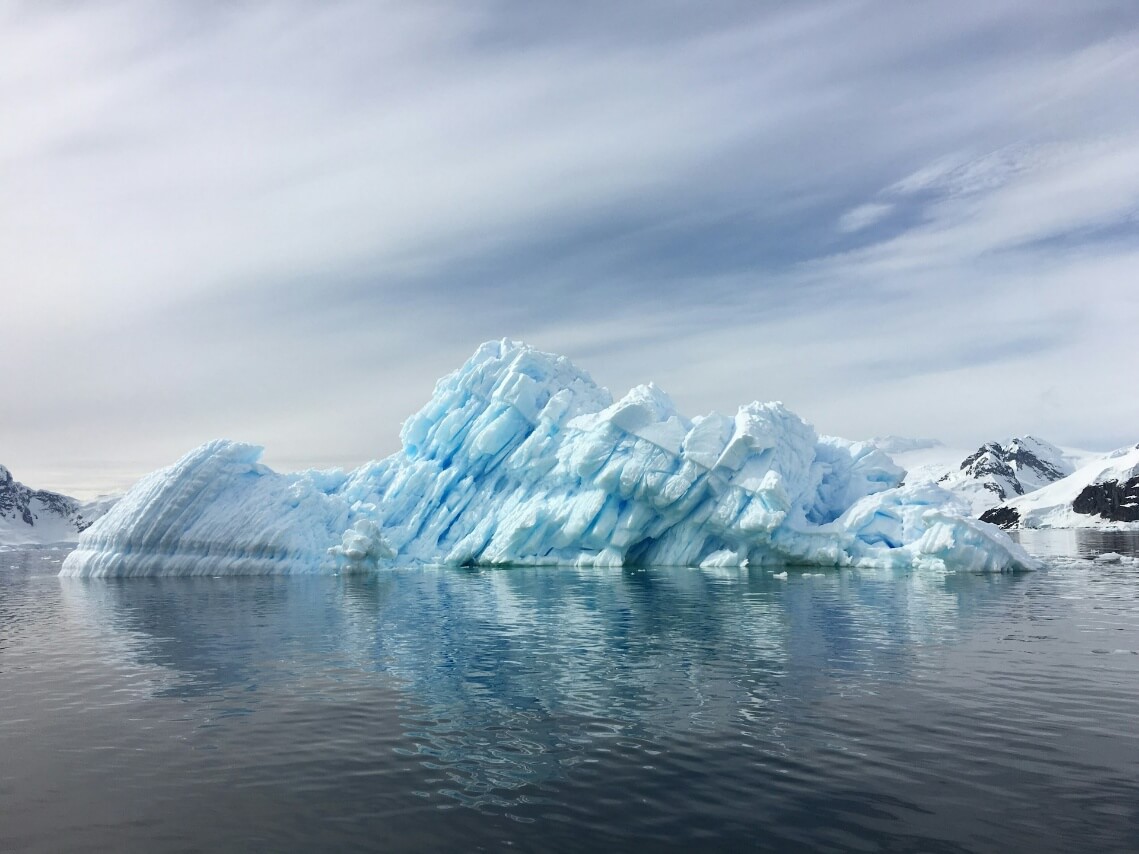
In a great article on the Antarctic and Southern Ocean Coalition web page (see INFO), they state “Both the social media comparisons and the misinterpretation of the new study overlook the big picture: short-term changes and cherry-picked data don’t overturn decades of global patterns. It’s like pointing to a cold day in Spring and declaring winter is back, while ignoring both the warm temperatures the week before and the forecast for sunshine the following week.
Both the scientists behind the study and others who reviewed it emphasized that this was not evidence of a long-term reversal. Rather, it was an anomalous weather event, likely linked to shifts in winds and atmospheric moisture patterns – both of which may be influenced by climate change itself. Warmer air holds more moisture, so as global temperatures rise, more moisture becomes available for precipitation in colder regions like Antarctica. In this way, climate change can actually increase snowfall in certain parts of Antarctica.
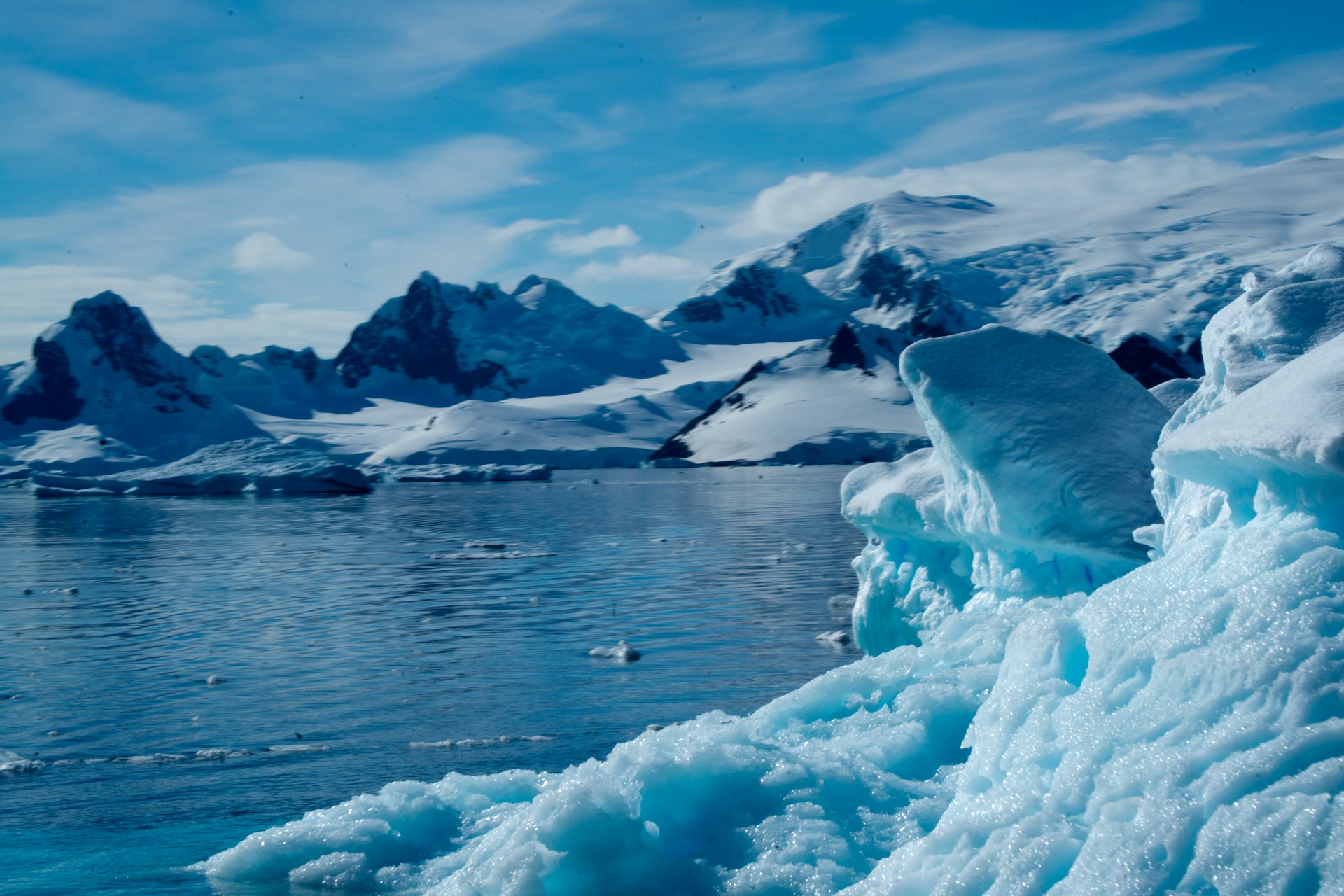
So, whilst Antarctica gained ice recently, this rare weather-driven event is actually another symptom of a changing climate, not a sign that everything is fine.”
So yes, the ice in this region is increasing, but no, it doesn’t mean what we would like it to mean.
My view – let’s keep our eyes on it. Perhaps, just perhaps, there will yet be light at the end of what seems to be a rather dark tunnel!!
Jacqui Ikin & The Cross Country Team
INFO BOX:
Melting polar ice is slowing the Earth’s rotation (NBC):
https://www.nbcnews.com/science/environment/melting-ice-slowing-earth-rotation-may-affect-time-rcna145009
Ice Gain in Antarctica? Cool Story, Still a Hot Planet
https://www.asoc.org/ice-archive/ice-gain-in-antarctica-cool-story-still-a-hot-planet/
