Sani Pass
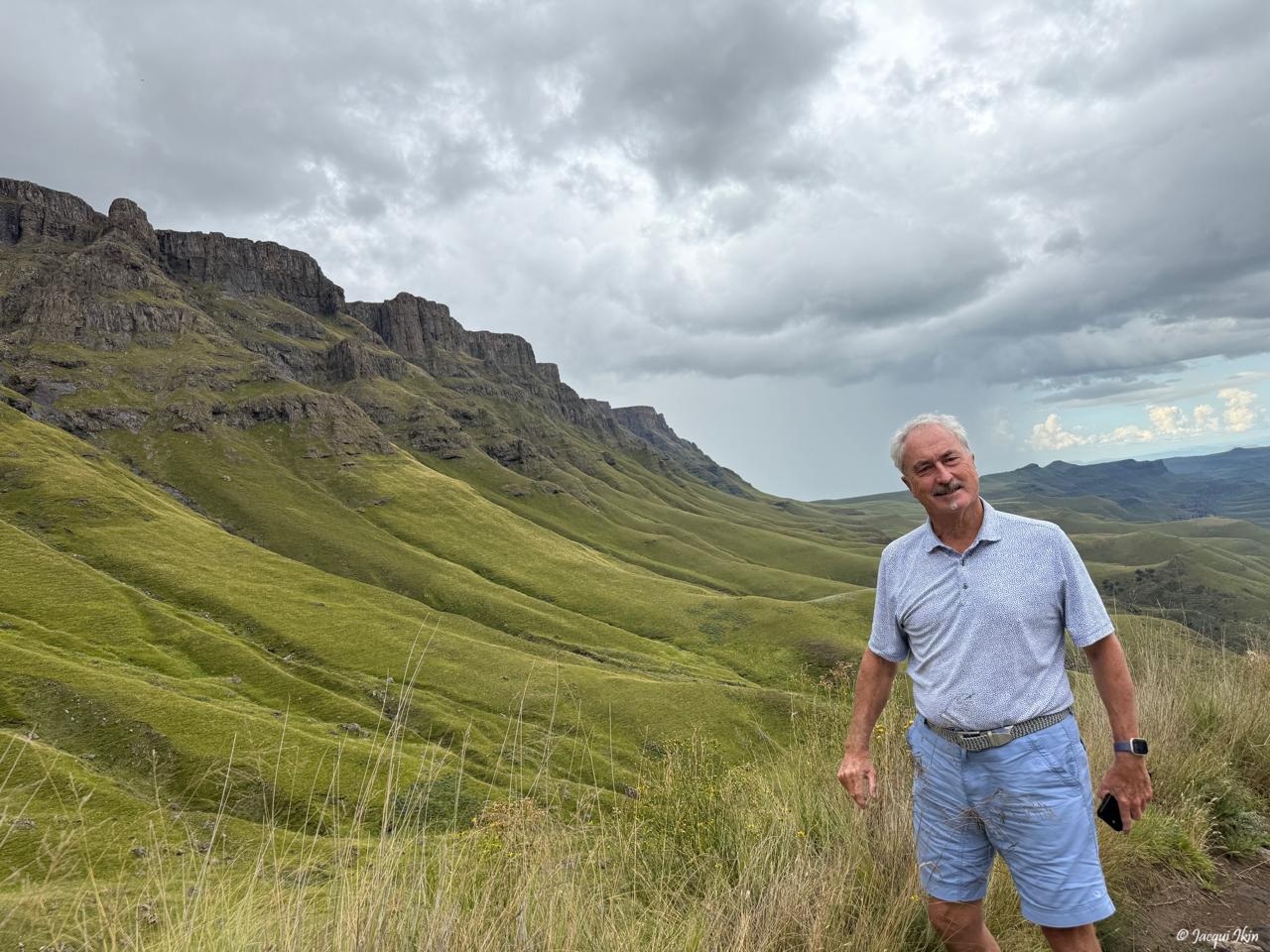
Ian Georgeson, our CEO, on Sani Pass.
Sani Pass connects KwaZulu-Natal in South Africa to Mokhotlong in Lesotho. It was originally a humble bridle path established in the early 1900s for pack animals. The route evolved through daring motor expeditions and trade, eventually becoming an iconic, 4×4-only route famous for the Sani Mountain Lodge – home to the Highest Pub in Africa.
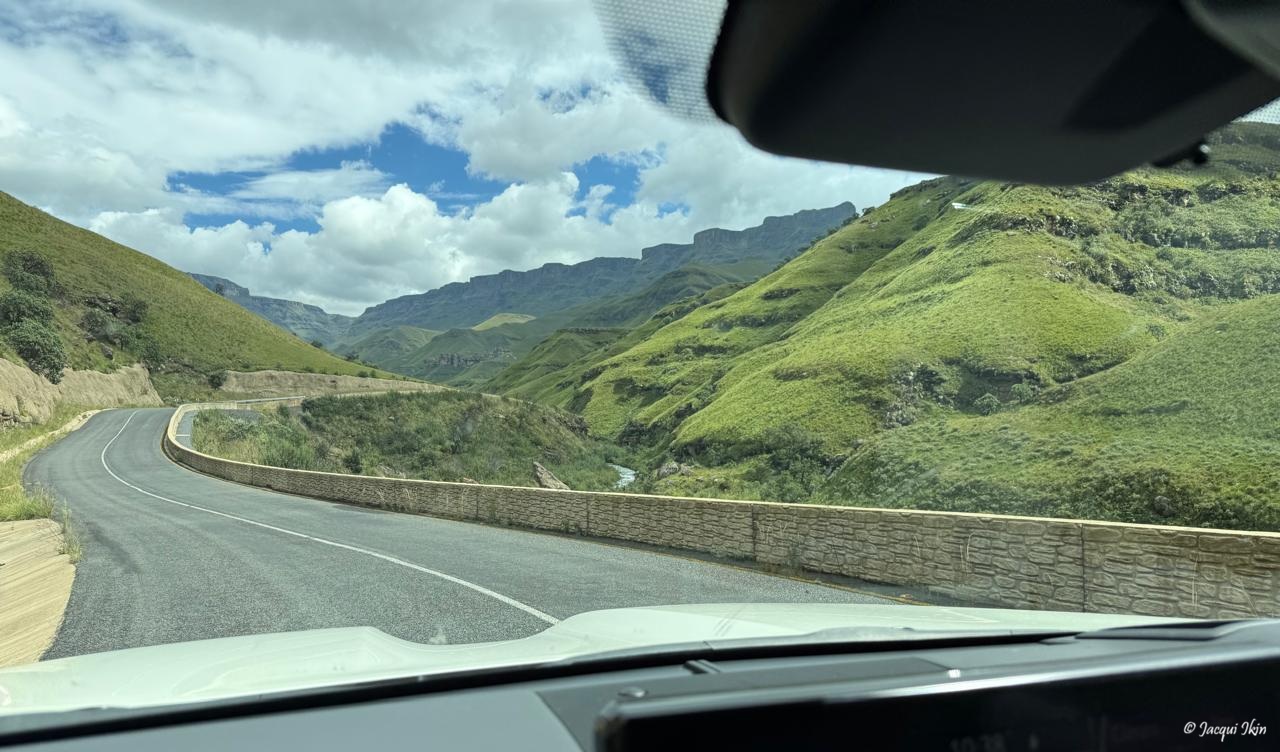
On 26th October 1948, Godfrey Edmonds (an ex-RAF Spitfire pilot from Kokstad) was the first person to ever drive the pass in a vehicle. This was before a road had been built, and the Willy’s Jeep, complete with a trailer carrying a payload of over 400 kg, took many hours of zigzagging, reversing and manhandling to ascend.
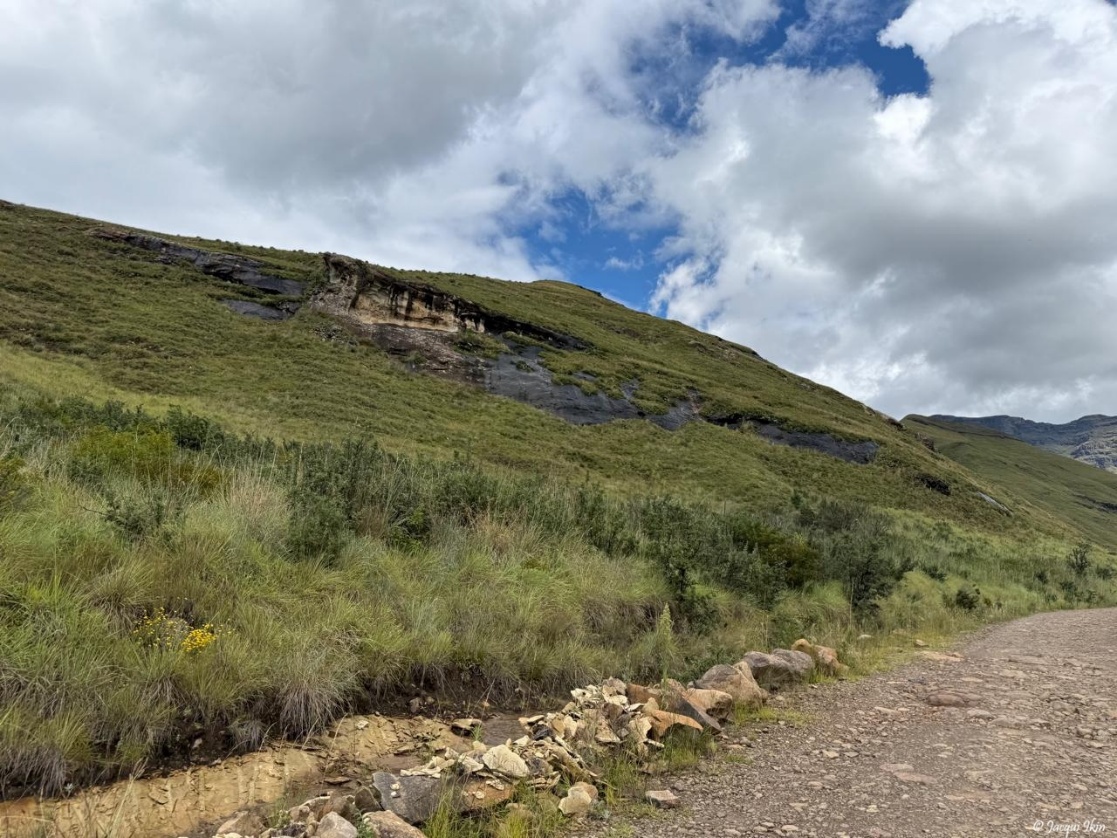
Assisted by a team of Basotho people with mules, ropes and other equipment, the journey took somewhere between five and fourteen hours (accounts vary hugely – I would imagine it to be closer to the fourteen-hour accounts). In 1955, entrepreneur David Alexander founded Sani Pass Tours, establishing a regular transport service with Jeeps to ferry goods and curious adventurers between Himeville and Mokhotlong. This company still runs today!
The Roof of Africa – widely regarded as the “Mother of Hard Enduro” – is the world-famous, brutally demanding off-road motorcycle race held annually in the Mountain Kingdom of Lesotho. Although the event is now conducted entirely within Lesotho’s borders, the legendary Sani Pass remains its most iconic, historical gateway. The race’s origins, however, were very different.
The inaugural event in 1967 was conceived as an exploratory cross-border motor rally rather than a motorcycle enduro. Competitors set off from Johannesburg, travelled through Bethlehem, climbed Moteng Pass, traversed the mountain road beyond Mokhotlong, and then descended the formidable Sani Pass to finish in Durban.
Later that same year, the event was restructured into a formal race run in the opposite direction, starting at the Sani Pass Hotel and climbing into Lesotho enroute to Maseru – laying the foundations for what would become one of the most celebrated and challenging off-road motorcycle events in the world.
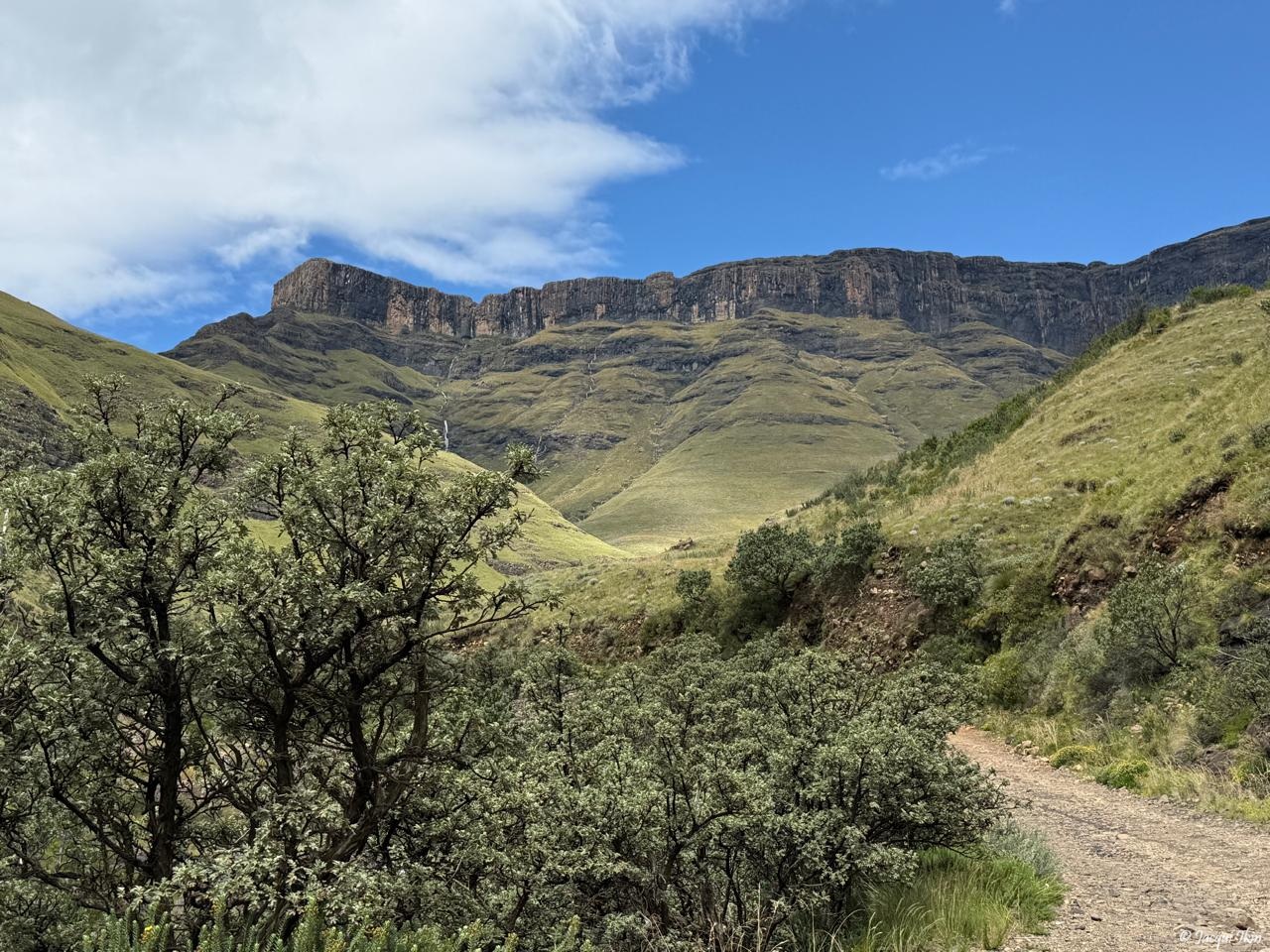
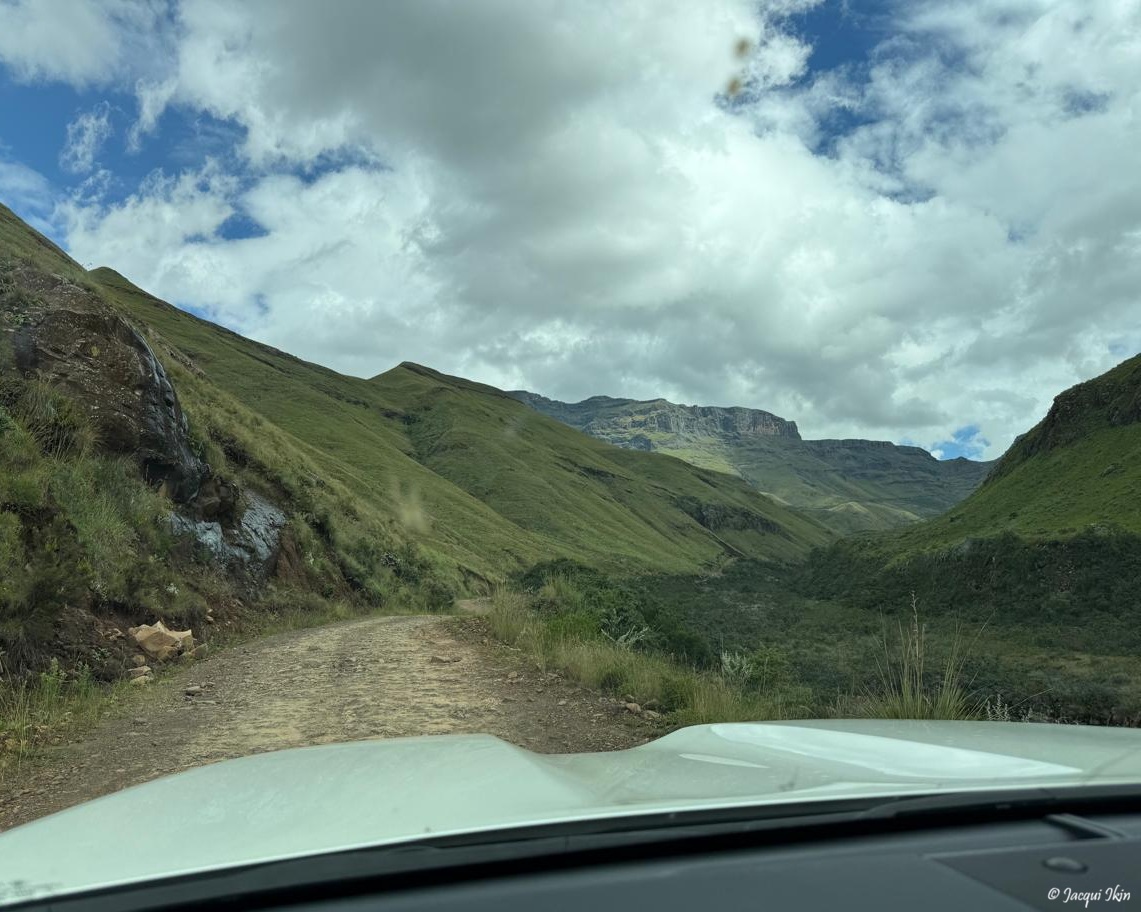
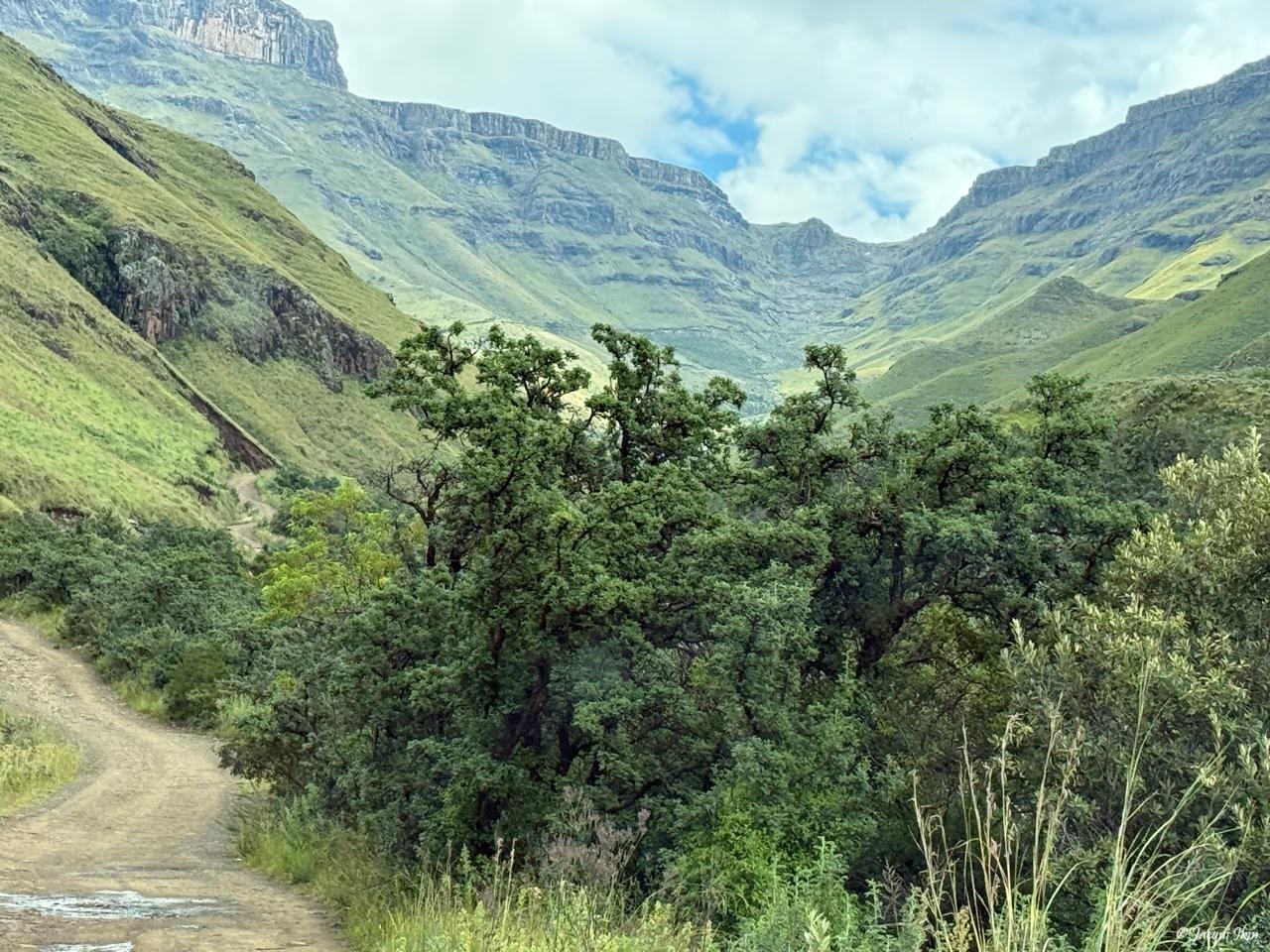
Today, the once-daunting route has become accessible to a wide range of visitors. Whether aboard a guided tour vehicle, behind the wheel of a capable 4×4, or astride a motorcycle, travellers from around the world continue to make the pilgrimage up Sani Pass in search of adventure, scenery, and the unforgettable experience of standing atop the Roof of Africa. The road leading to Sani Pass is tarred all the way to the South African Border Post (which was a simple, pleasant experience).
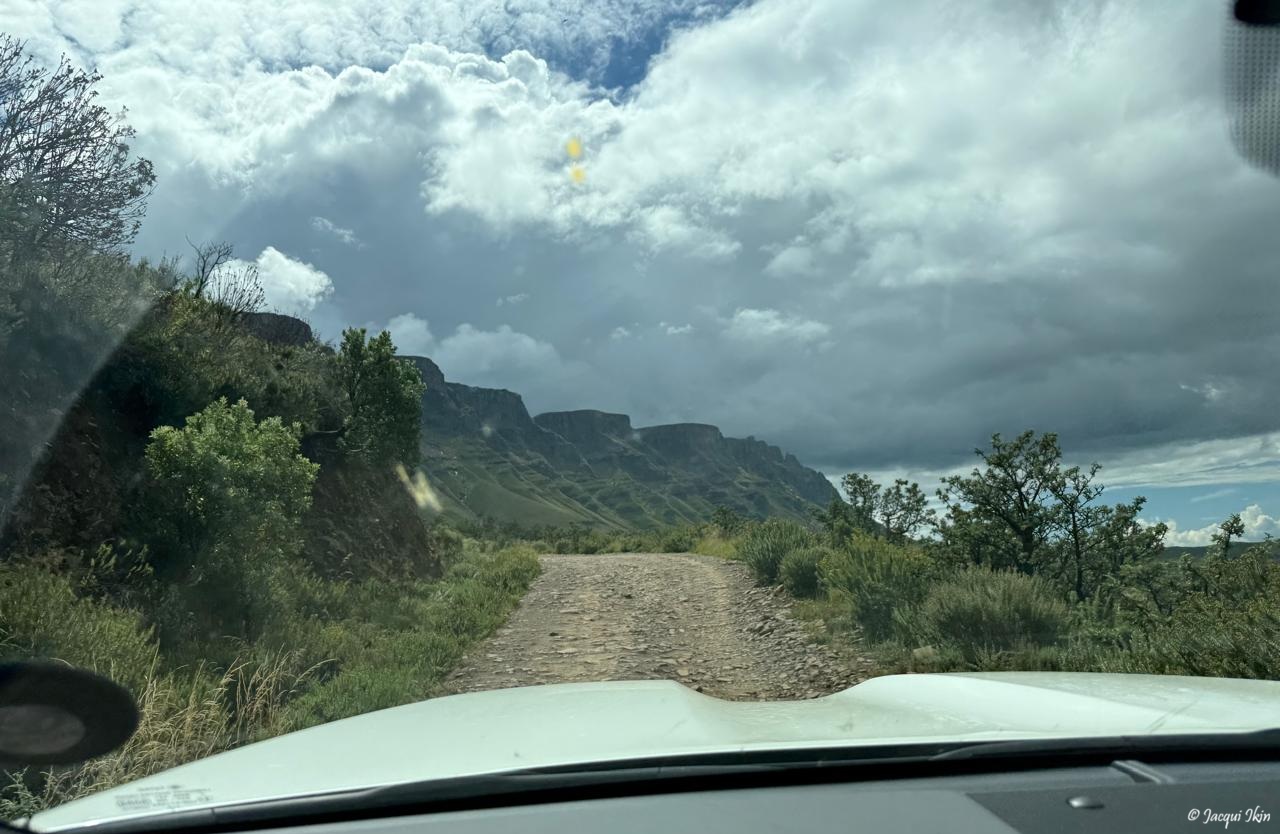
The traverse up the mountains is fortunately still very much gravel, until you get to the Lesotho Border Post. The gravel route is strictly regulated, and only capable 4×4 vehicles are legally permitted to cross the South African and Lesotho border posts to access its dramatic switchbacks and steep inclines. Please note that the actual Lesotho border is at the summit and not at the SA border control point. The entire Sani Pass is on South African soil.
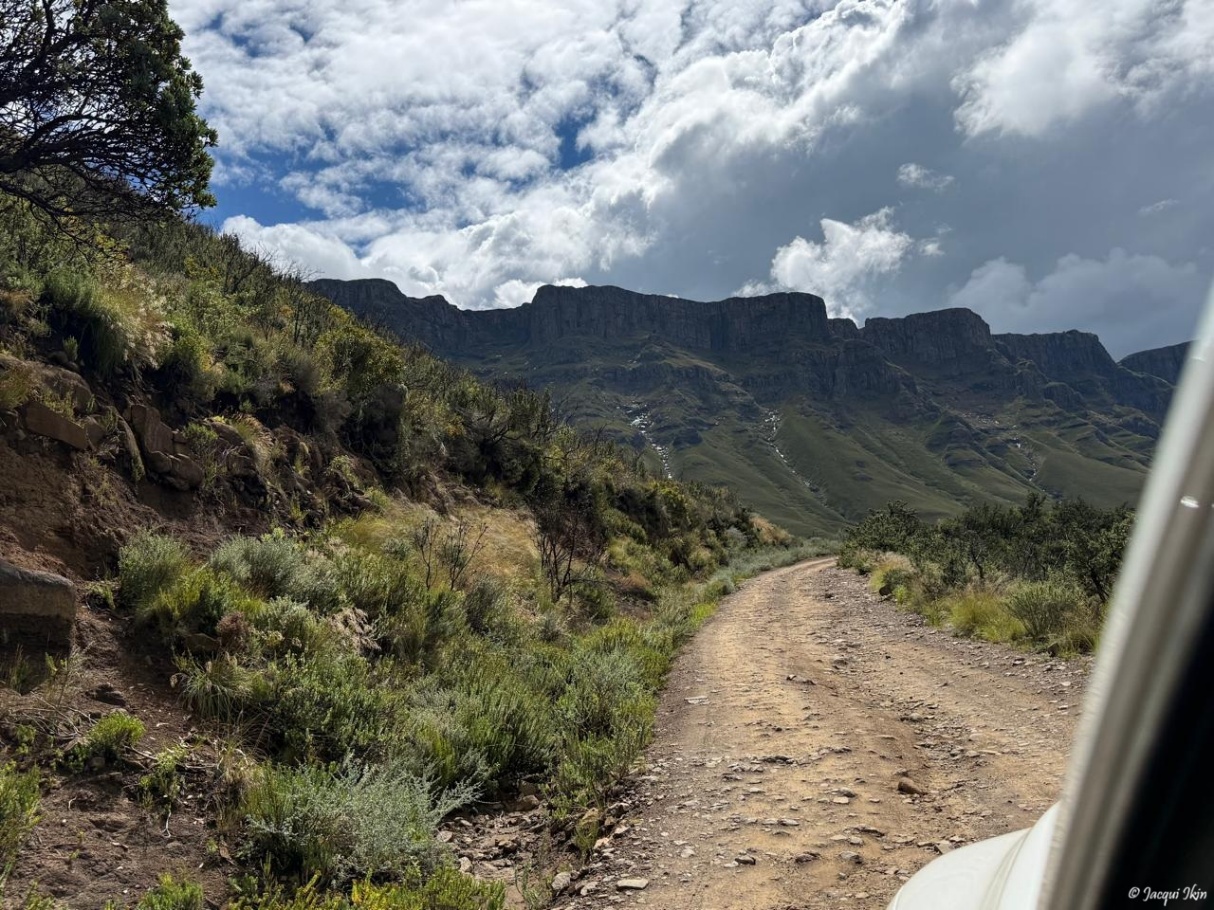
Road conditions on Sani Pass can change dramatically from season to season, day to day, and even hour to hour depending on the weather. The golden rule is simple: drive slowly and deliberately. While the sheer drop-offs command respect, the most common hazards are the large rocks scattered across the route, some of them freshly dislodged from the slopes above. Good ground clearance is a distinct advantage, as the track is rough, uneven, and constantly evolving. The upper gravel section contains eleven major switchbacks, many approaching 180 degrees, where loose stones and gravel can easily compromise traction.
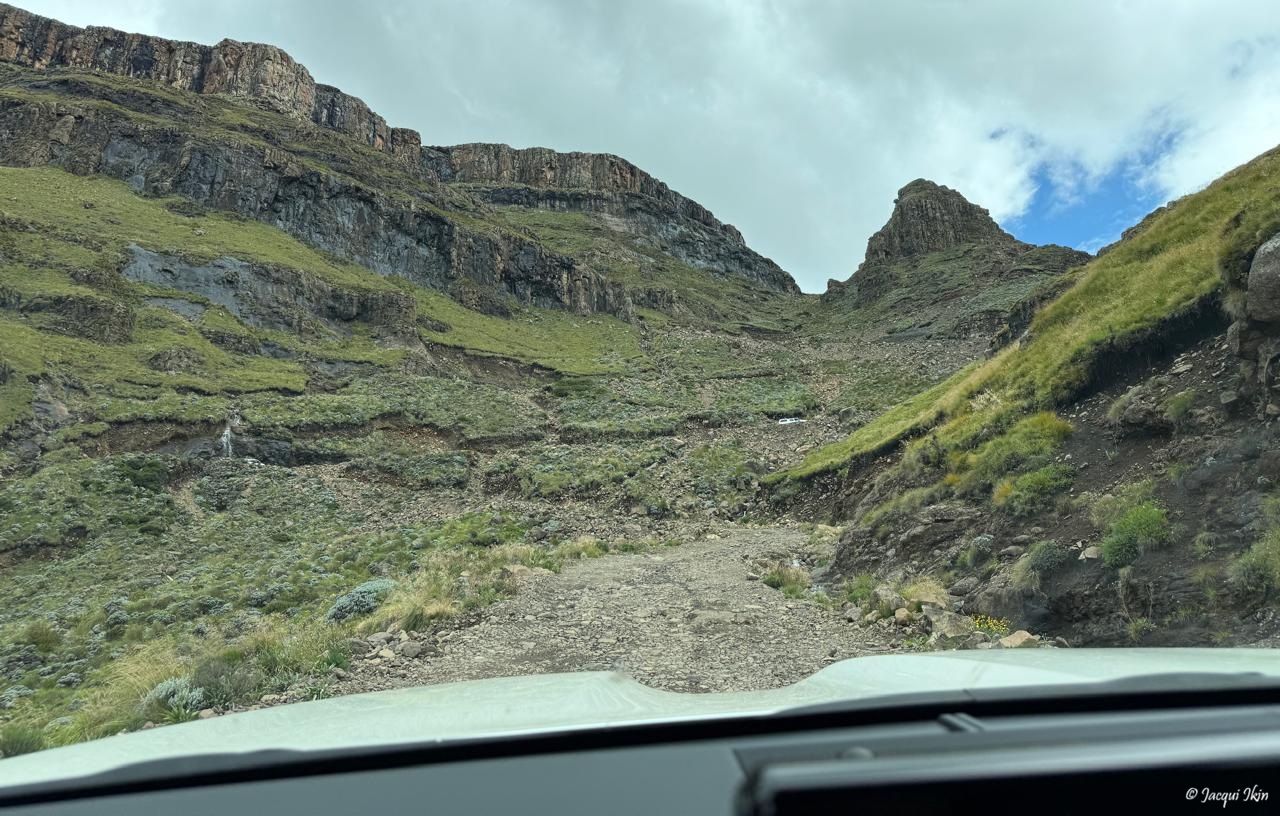
The unprotected drop-offs are unforgiving, making absolute concentration essential at all times. Drivers should also look well ahead whenever visibility allows, remaining alert for oncoming vehicles on the narrow track. When another vehicle approaches, it is often safest to pull into a wider section of the road and wait patiently for it to pass rather than attempting a risky manoeuvre on a blind corner or narrow ledge.
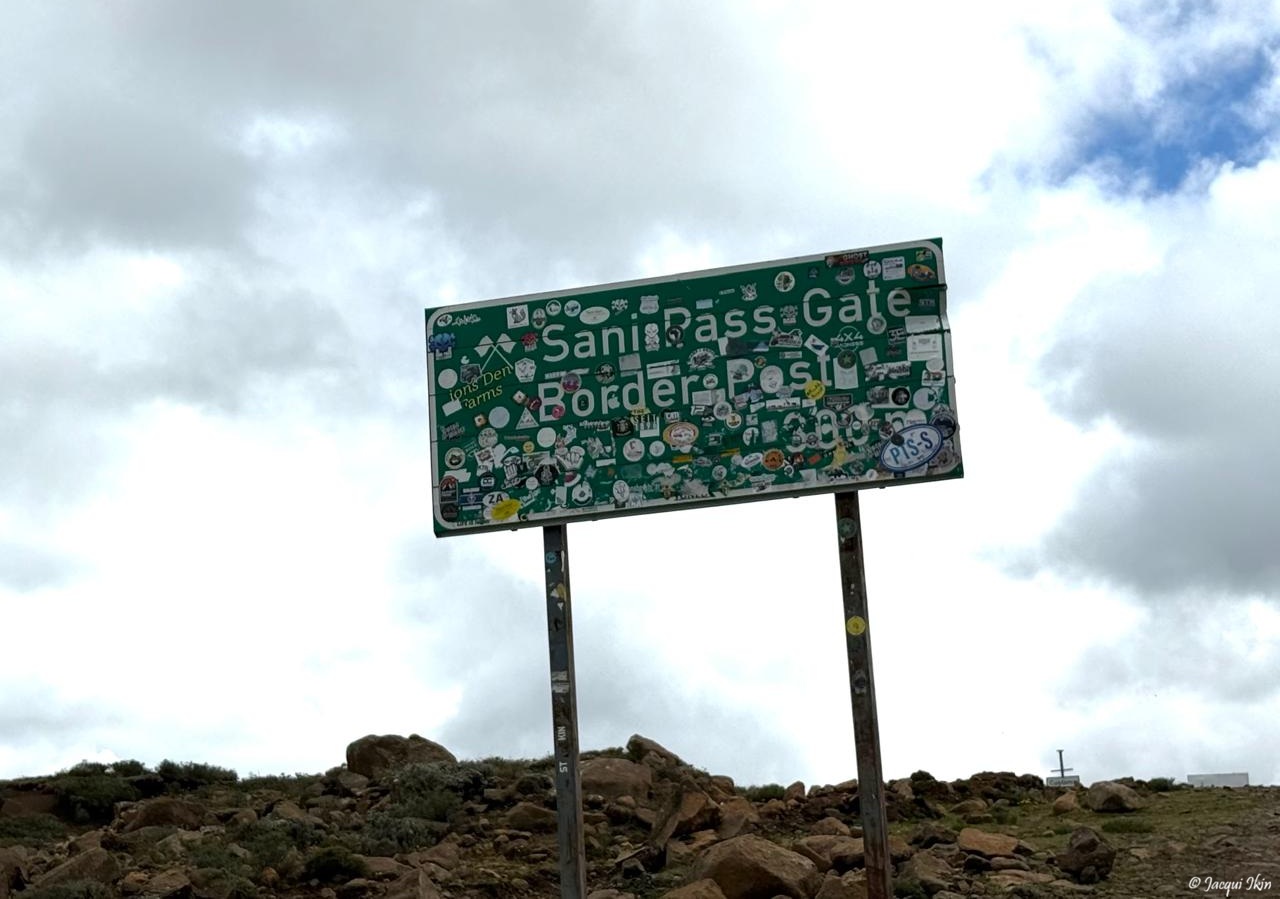
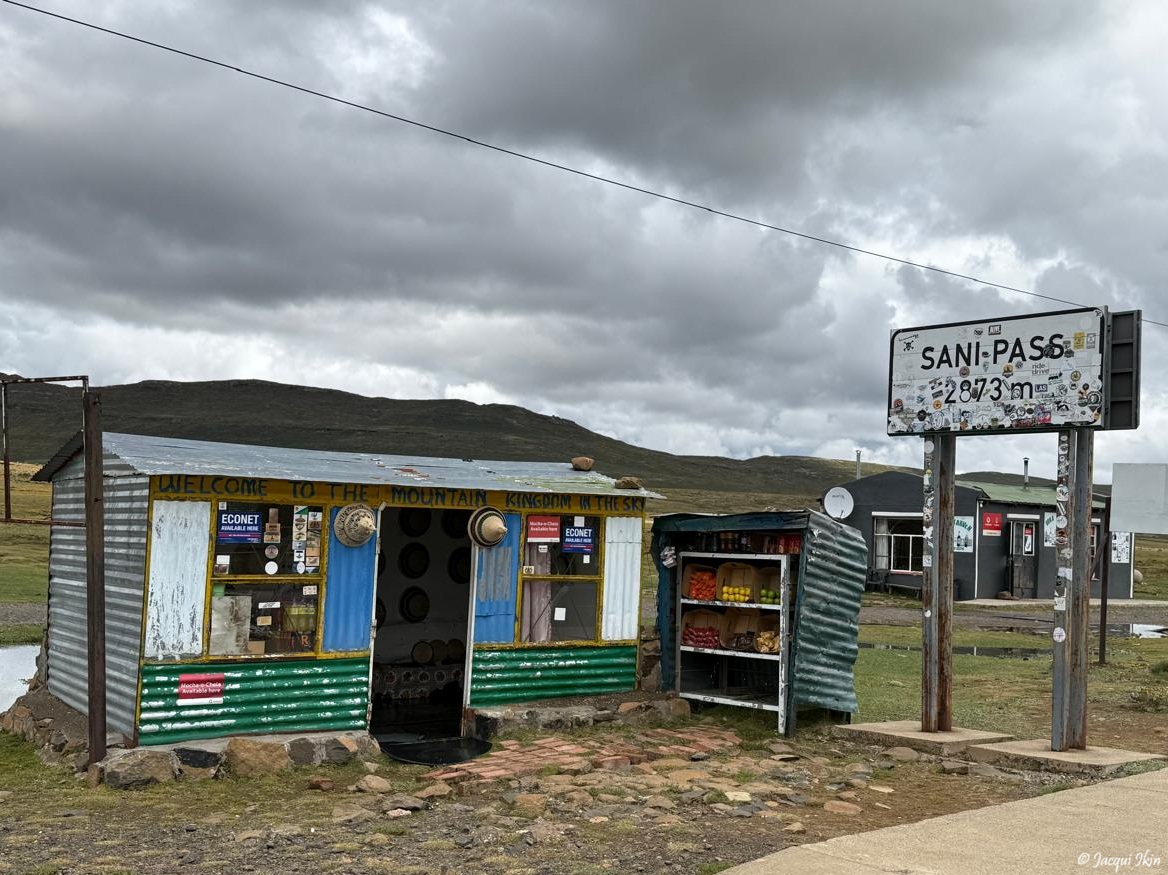
At the summit of the legendary Sani Pass (straddling the South Africa-Lesotho border) sits the Highest Pub in Africa. Perched at 2874 meters above sea level, this bar previously served as an oasis for brave travellers and the ultimate bucket-list reward after conquering the gravel switchbacks. It was renowned for its roaring log fires in winter and cold Maluti beers (brewed in Lesotho) year-round. It sits in the Kingdom of the Sky (Lesotho) just past the border post. You will thus need your passport to reach it.
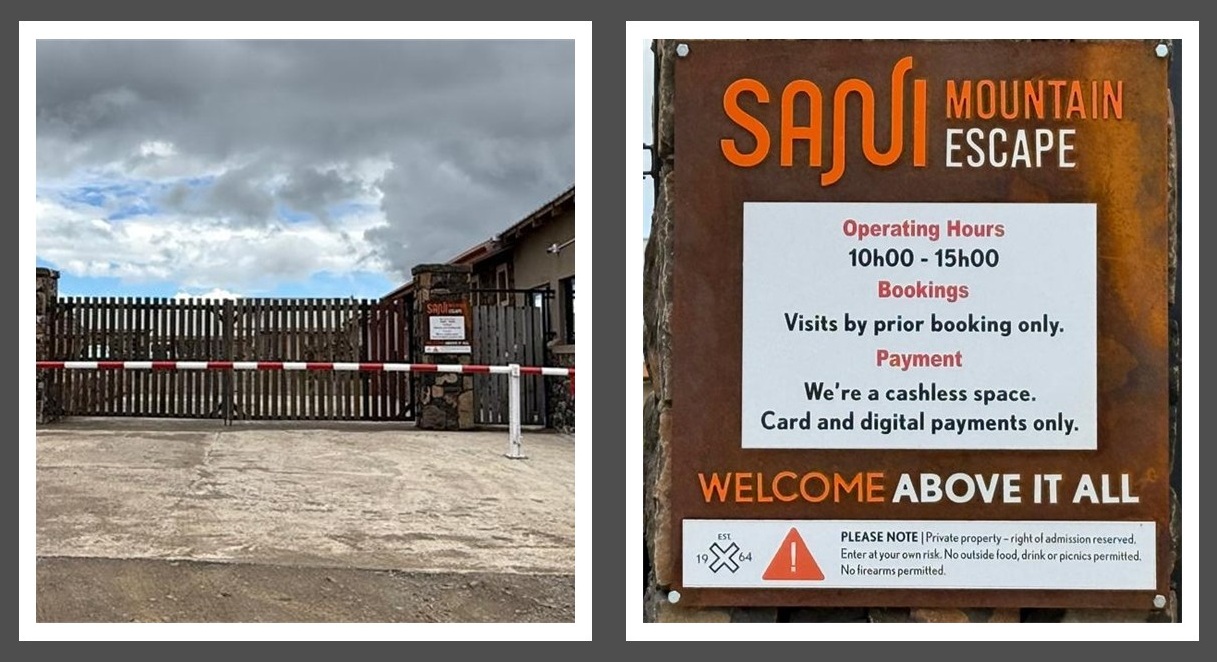
There is, it seems, a new chapter in the ongoing “Highest Pub in Africa” controversy. These days, gaining entry is not quite as straightforward as it once was. I had heard the rumours but dismissed them with a simple thought: surely that cannot be true. Yet it is. Visitors must now make a booking to access the pub. According to the owners’ website, from 1 December 2025 all visits to Sani Mountain Escape – whether by day visitors, accommodation guests or tour groups – require a confirmed reservation. Day-visitor bookings may only be made within the calendar month of the intended visit. The reasons given are understandable enough: to ensure an enjoyable and consistent guest experience, to protect a fragile high-altitude environment with limited capacity, and to keep visitor numbers manageable while improving customer service. The booking fee is R200 per person, non-refundable and non-transferable to another date. It grants access only between 10:00 and 15:00, although the fee is redeemable against food and beverages purchased at the restaurant or bar and will be deducted from the final bill.
I have many thoughts on this. Ultimately, though, it is private property, and the owner has every right to manage it as she sees fit. From a practical standpoint, I understand the reasoning; in such a remote location, food and supplies cannot simply be replenished on demand. Yet I cannot help feeling a sense of loss. For decades, the pub at the top of Sani Pass was more than just a business – it was an institution. Countless travellers made the journey specifically to enjoy a celebratory Maluti beer, a leisurely lunch, or even a simple milkshake while taking in the extraordinary mountain scenery. For over fifty years, that spontaneous experience formed part of the magic. Whether the new booking requirement represents prudent destination management or an unnecessary obstacle to one of southern Africa’s great bucket-list experiences is something each visitor will have to decide for themselves. Just so you know…
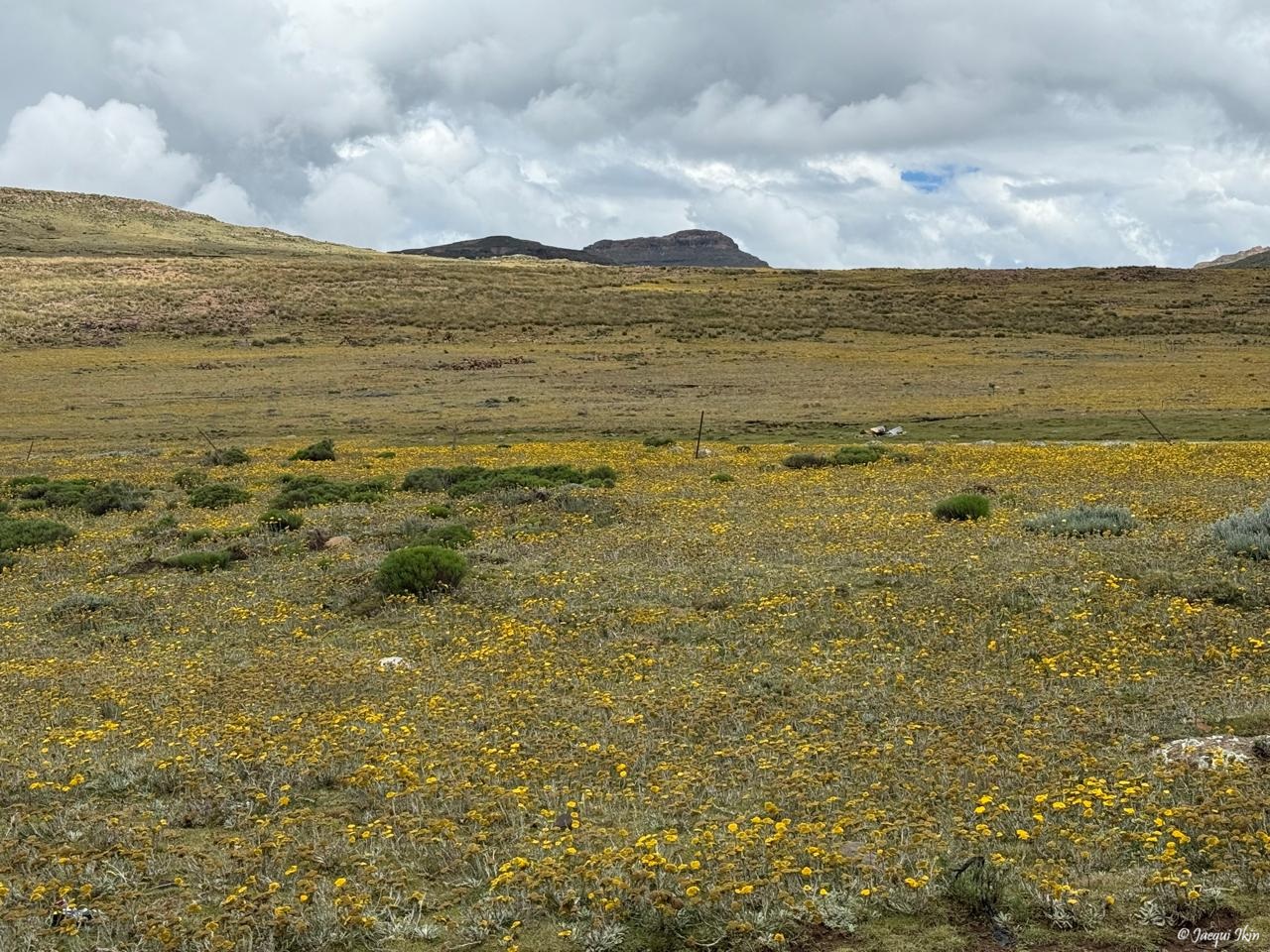
Once through the border formalities, travellers are rewarded with a magnificent stretch of tar road leading towards Mokhotlong, cutting through some of the most dramatic high-altitude scenery in southern Africa. We did not venture very far along the route, however, as ominous black clouds were rapidly gathering over the mountains, and we were keen to complete our descent of Sani Pass before the next storm arrived.
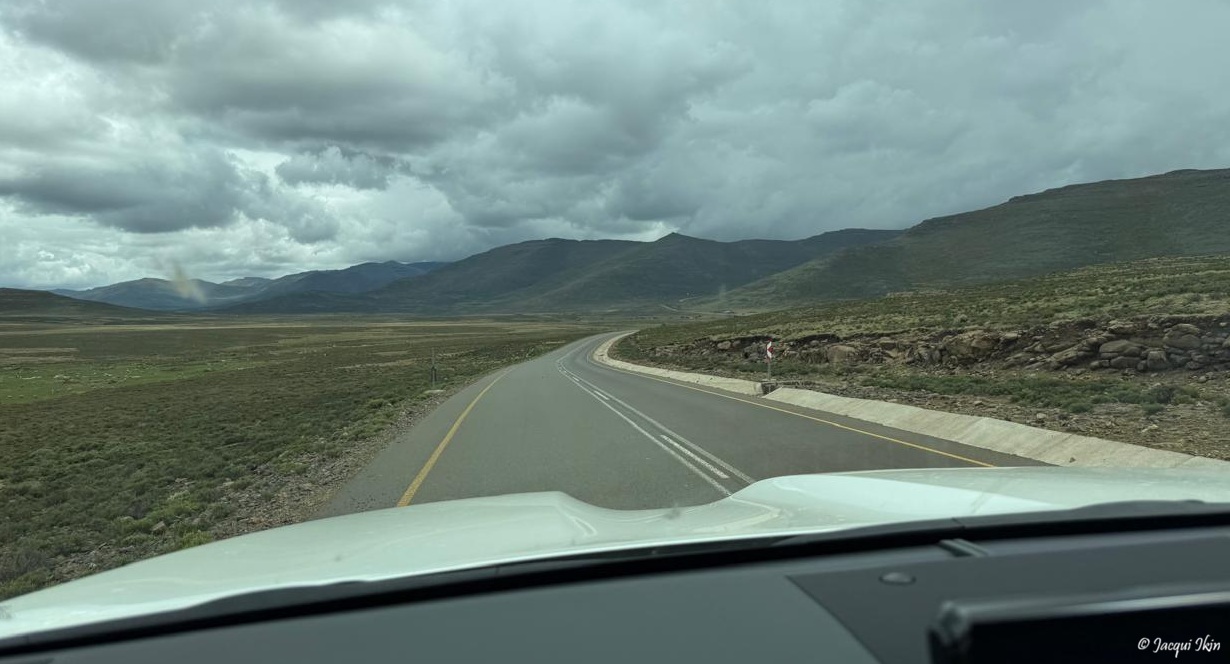
One of the Mokhotlong route’s great landmarks is Black Mountain Pass, an awe-inspiring mountain pass approximately 32 kilometres in length that reaches a summit elevation of 3240 metres above sea level. At such heights, visitors from lower-lying regions who have not had time to acclimatise may experience mild altitude-related symptoms such as headaches or nosebleeds.
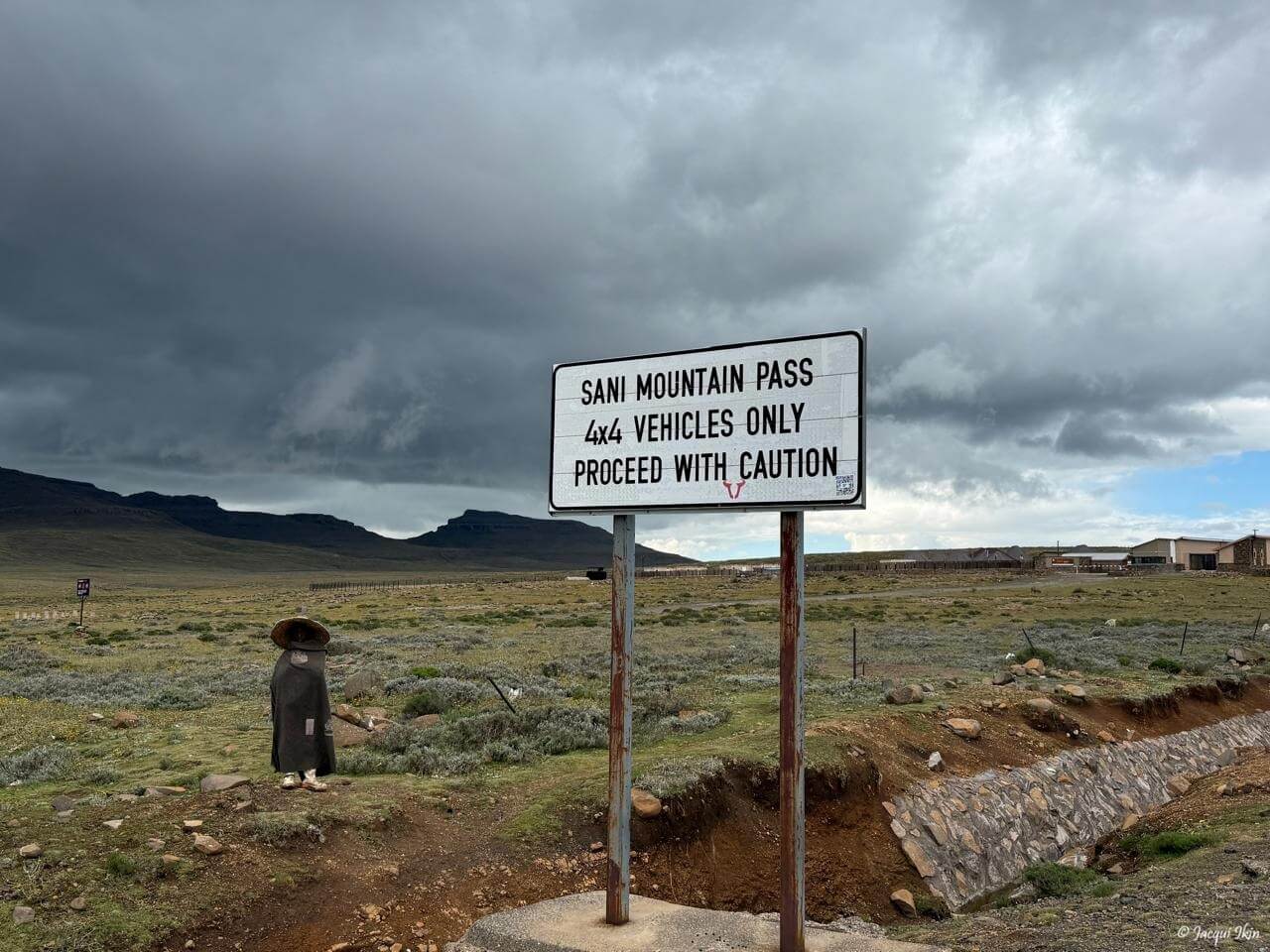
Despite the smooth tar surface, this is by no means a road to be taken lightly. The pass traverses exposed mountain terrain with steep drop-offs, and conditions can become extremely hazardous when temperatures plummet. In winter, black ice is a particular danger, often invisible to drivers until it is too late, turning an otherwise straightforward stretch of road into a genuinely treacherous undertaking.
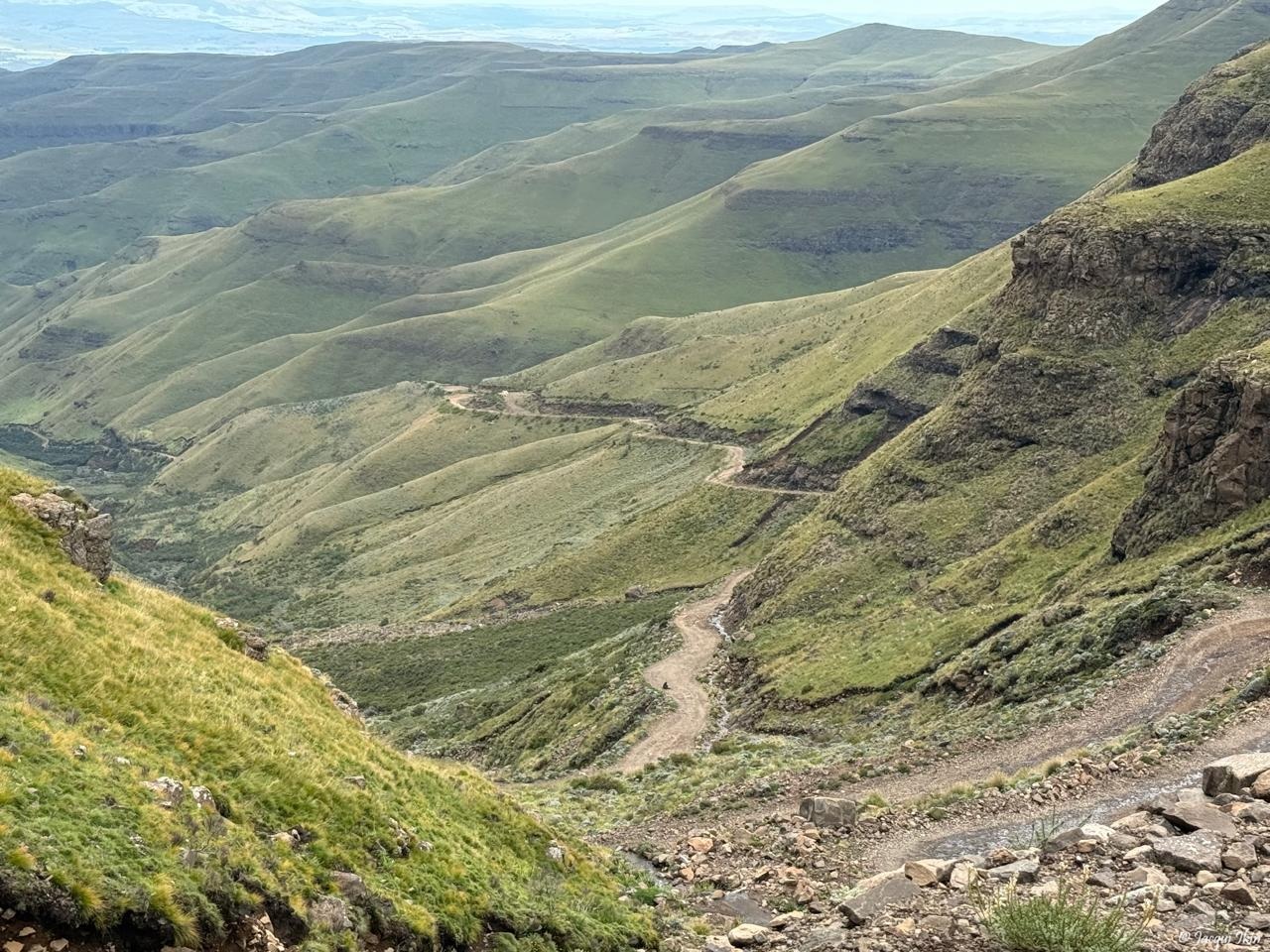
Despite the occasionally demanding drive and the much-debated booking policies at the pub, Sani Pass remains one of the most spectacular scenic routes in South Africa. There is something genuinely magical about winding your way through this dramatic mountain landscape, with every bend revealing another breathtaking vista.
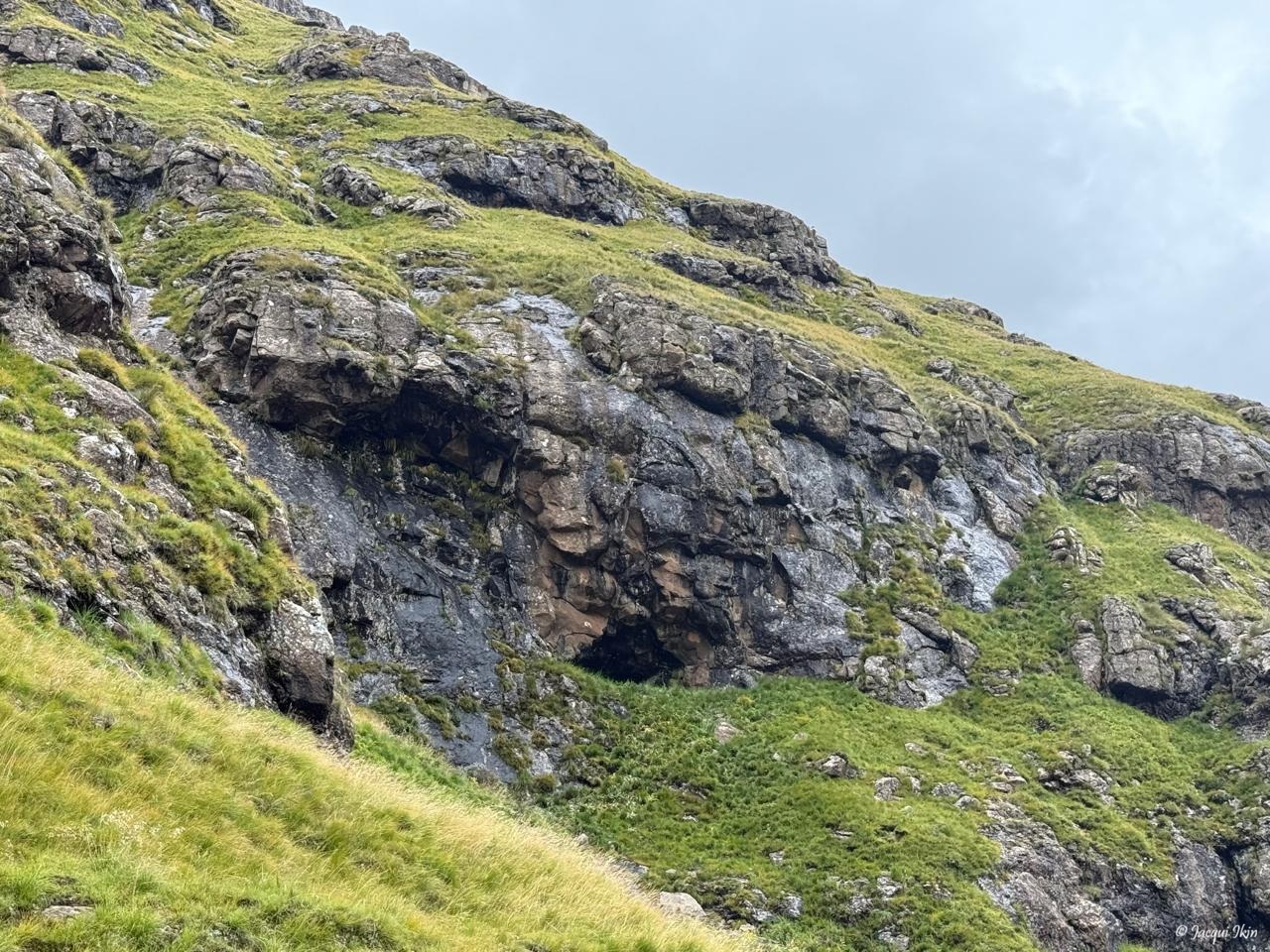
To make the most of the experience, choose a day free of heavy mist, which can quickly obscure the panoramic views that make the pass so famous. Rather than rushing, allow yourself time to savour the journey. I would not recommend packing a picnic, as Lesotho’s border regulations can be surprisingly strict regarding food and agricultural products crossing the frontier.
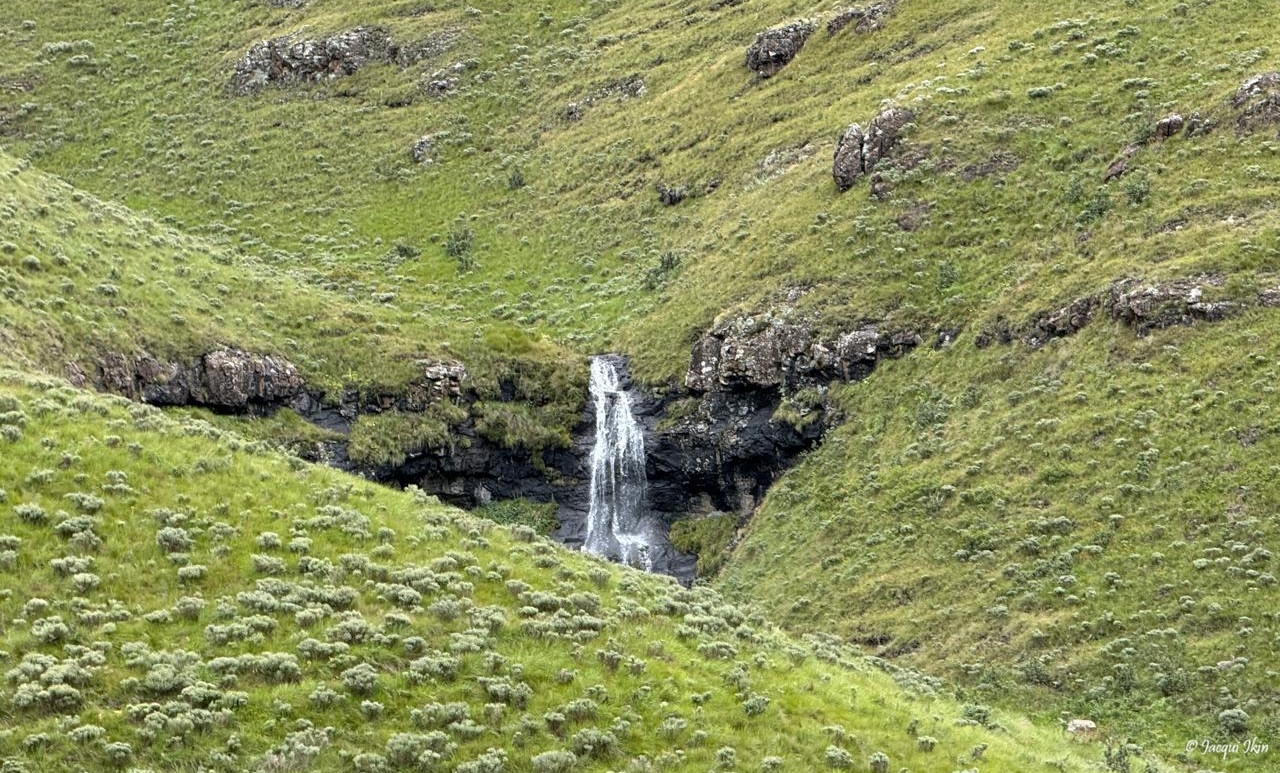
While we were not searched and inspections appear relatively uncommon, border procedures can vary and it is best not to take unnecessary chances. We set off early in the morning, enjoyed a leisurely ascent and descent, and were back in time to enjoy a late lunch in the charming town of Himeville – the perfect conclusion to an unforgettable mountain adventure…
Jacqui Ikin & The Cross Country Team