
Life through a Lens – Behind Closed Doors
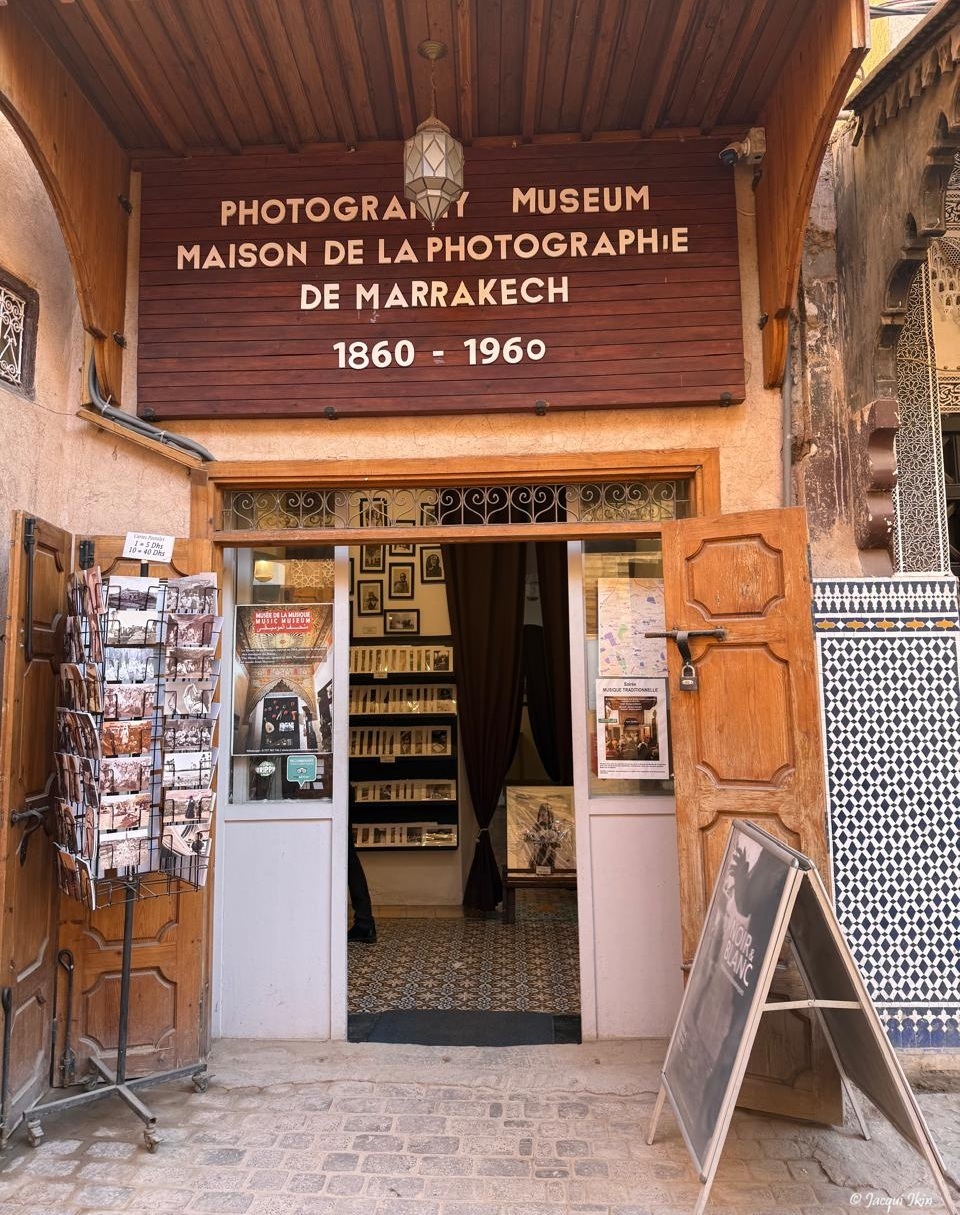
Anything truly special in Marrakesh seems to exist behind closed doors, like a secret waiting to be discovered. I found it quite delightful – somewhere between opening a Christmas calendar and stepping into a fairytale. In South Africa we are used to space and openness. In Marrakesh, space is scarce – especially within the old city – and much of its beauty remains hidden from the street.
This sense of secrecy comes from a blend of architecture, culture, and the structure of the old city. Traditional Islamic design places great importance on privacy, so homes are built with plain exterior walls that reveal little to the outside world. Instead, life turns inward. Houses – especially traditional courtyard homes known as a Riad – open into peaceful interior courtyards filled with light, plants, fountains, and intricate tilework.
Cultural values reinforce this approach. Family life is considered private, so the exterior façade remains modest while the interior becomes the place of beauty and comfort. Historical security concerns also shaped the city. Within the old walled district – the Medina of Marrakesh – buildings traditionally presented solid walls to the street while daily life unfolded safely inside.
The physical layout of the Medina adds to the mystery. Covering roughly 700 hectares, it is a dense maze of narrow alleyways, many barely wide enough for pedestrians. The area is largely car-free, so movement happens on foot through tight passages shared with bicycles, motorbikes, and small carts. Within this labyrinth, unassuming doors often open into serene riads, restaurants, gardens, and guesthouses. Together these elements create the feeling that in Marrakech the real magic lies behind closed doors – where ordinary street walls conceal extraordinary spaces within.
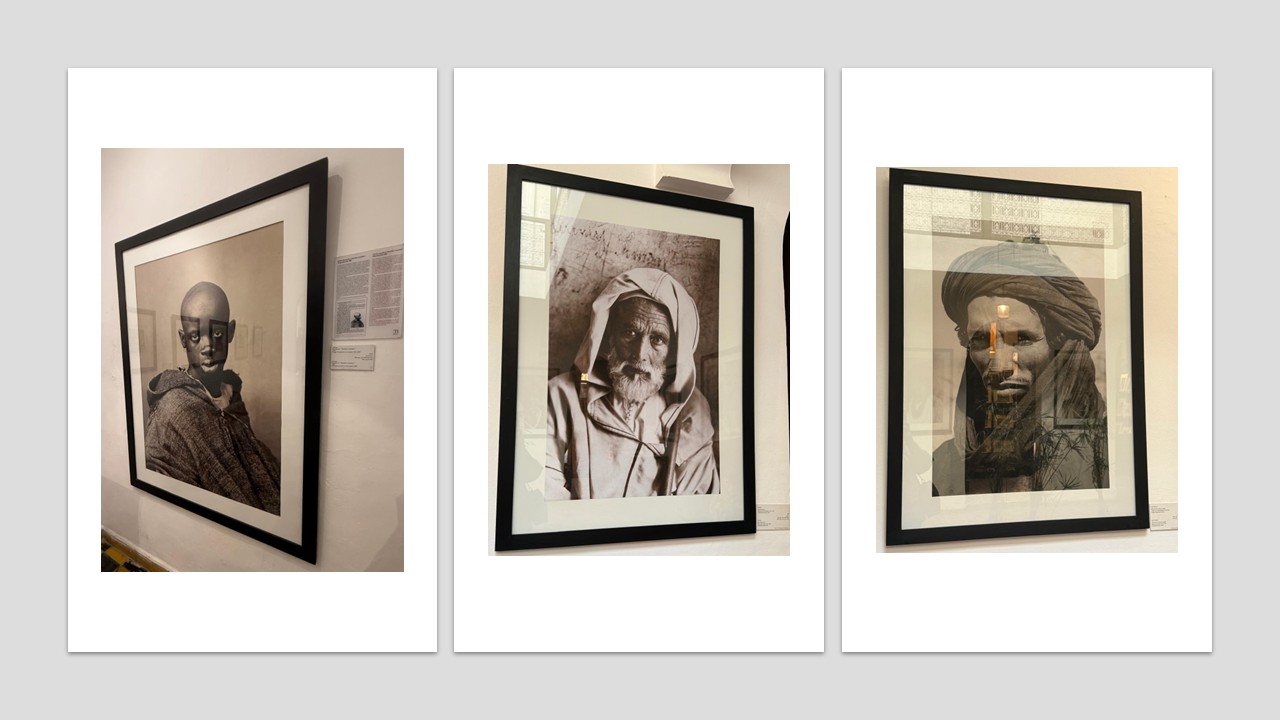
In the labyrinthine streets of Marrakech, the senses are constantly alive. Motorbikes weave through narrow alleys, merchants call from shaded doorways, and the aromas of spices, leather, and charcoal drift through the air. The medina is exhilarating but often intense, which makes stepping into the Maison de la Photographie de Marrakech feel like entering a hidden sanctuary.
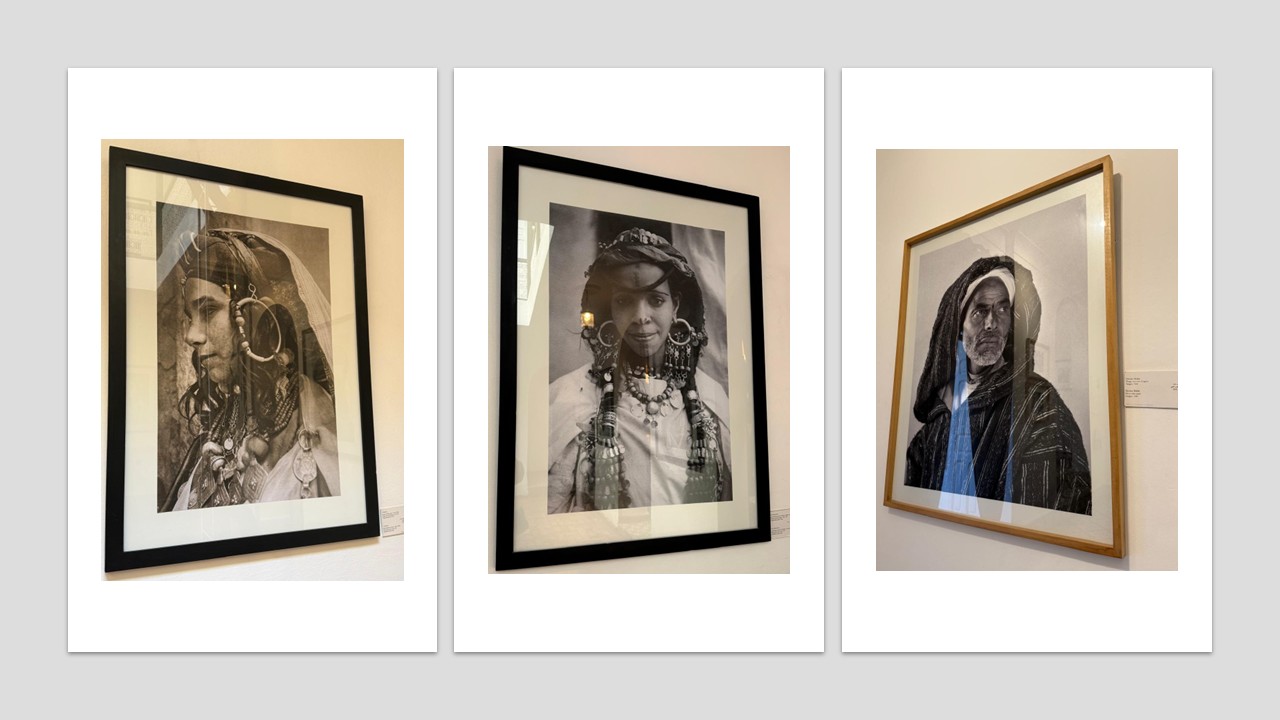
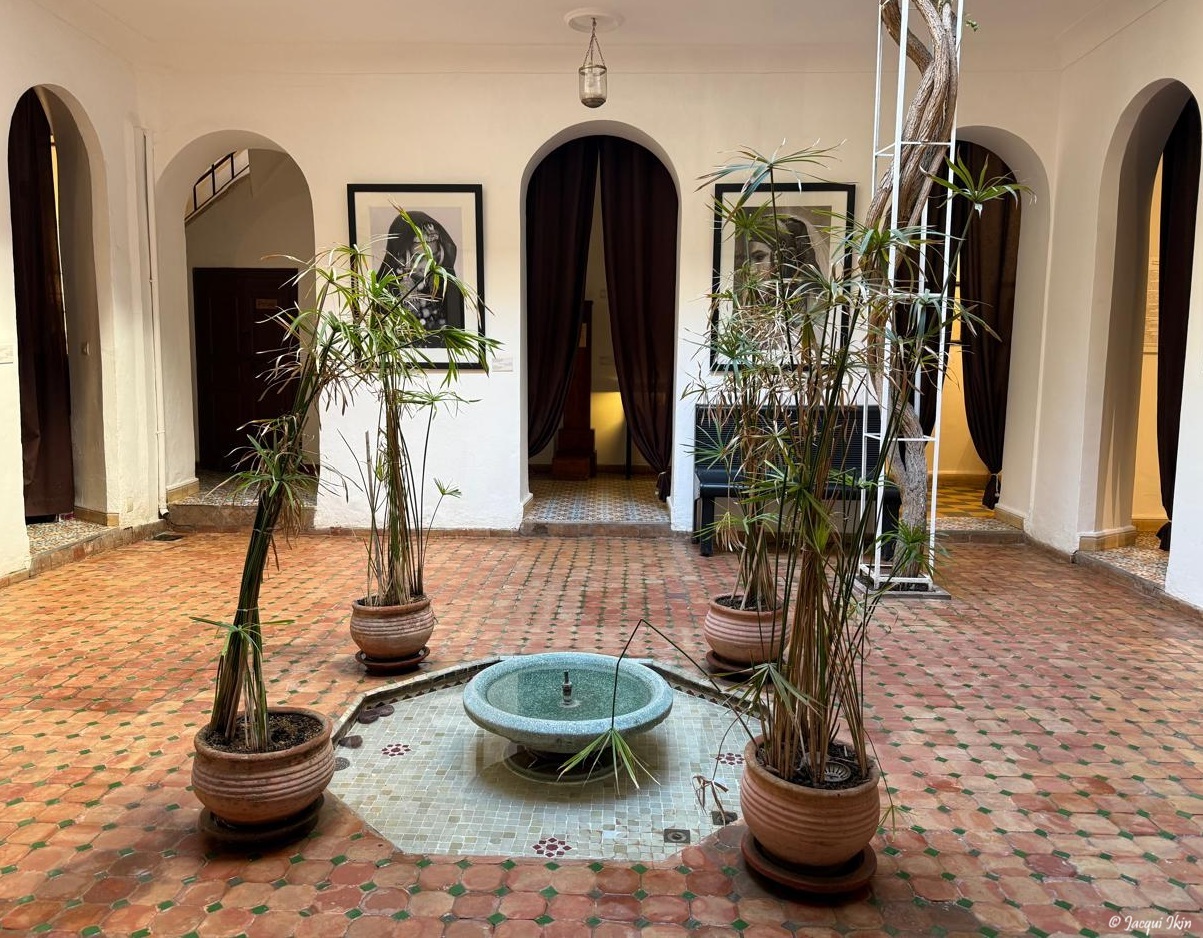
The change is immediate. The noise of the streets fades behind thick walls, replaced by a gentle stillness. Soft light spills into the courtyard, and the quiet trickle of water from a small fountain in the foyer becomes the only sound. The atmosphere invites visitors to slow down, preparing them for a reflective journey through Morocco’s visual past.
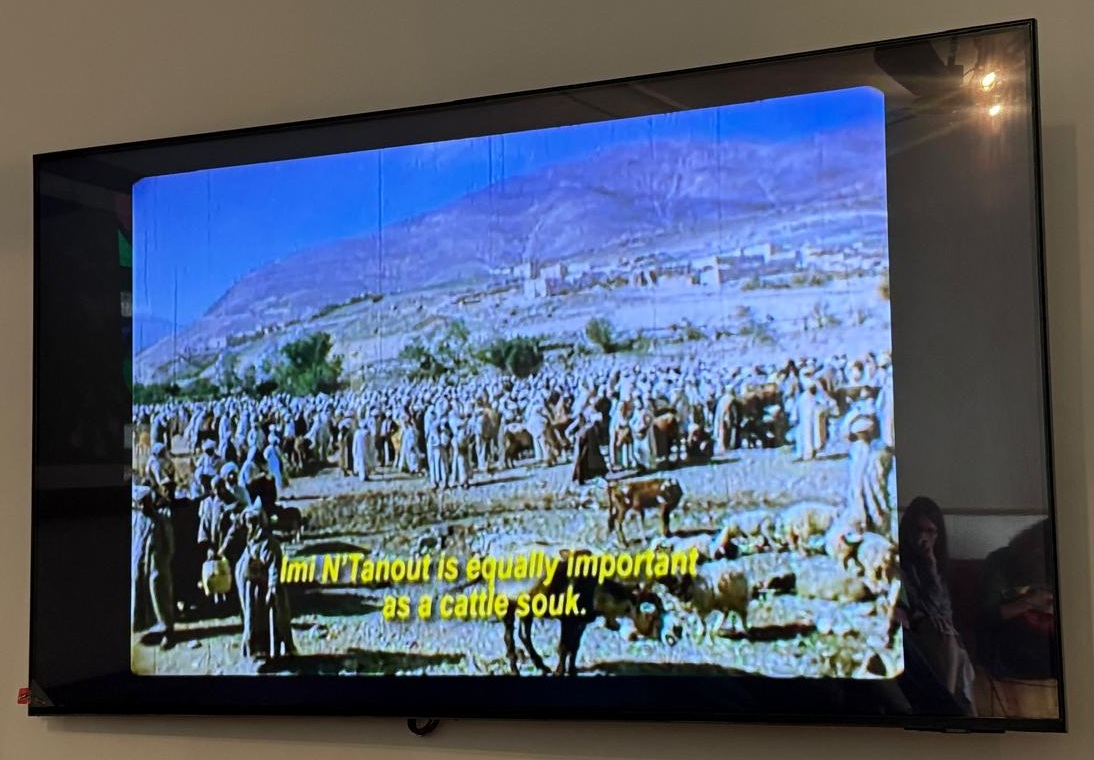
Founded in 2009 by Hamid Mergani and Patrick Manach, the museum occupies a beautifully restored traditional funduq – an inn that once hosted merchants and travellers in the medina. Today it serves as both a museum and an archive dedicated to preserving Morocco’s photographic heritage.
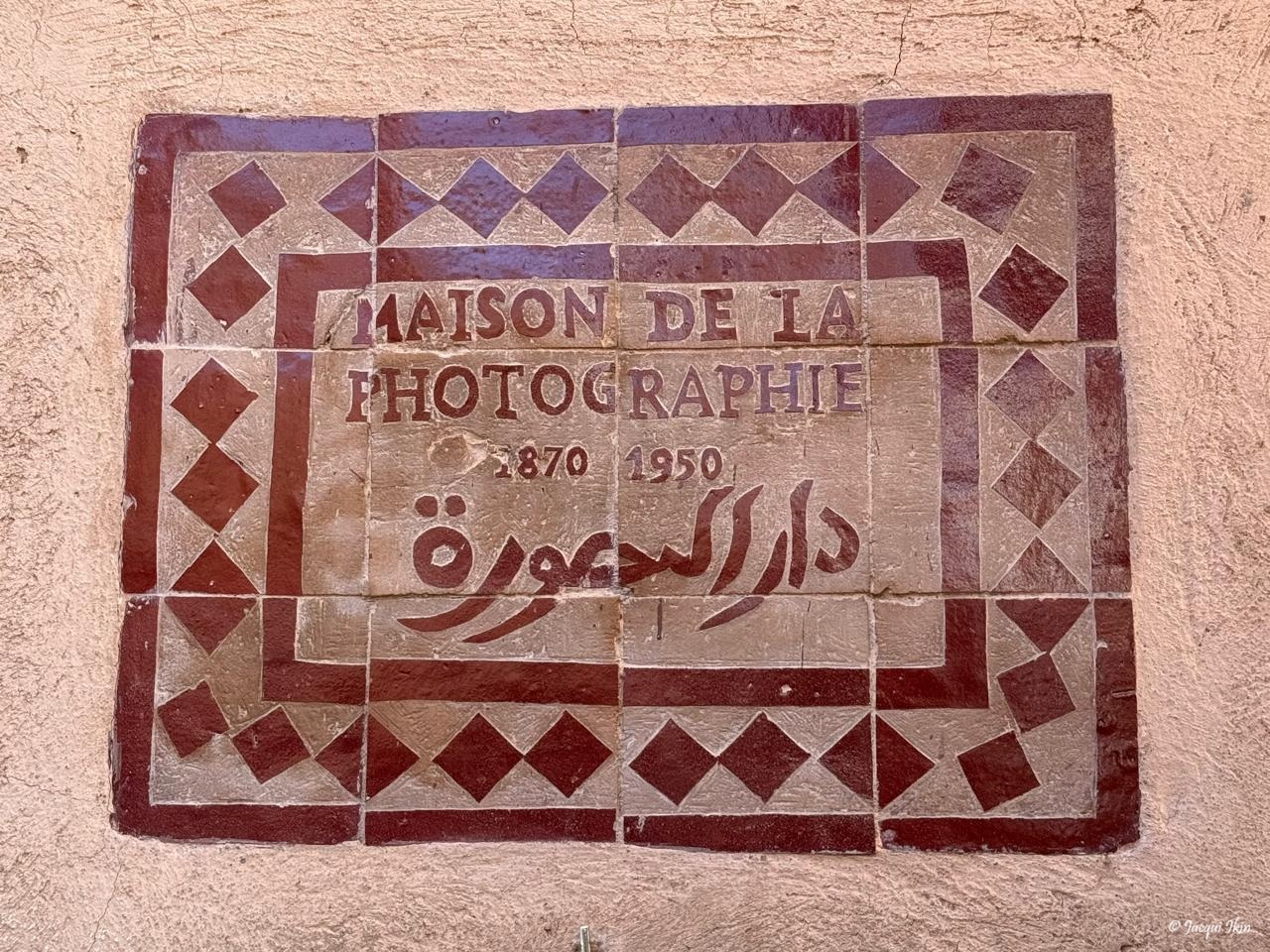
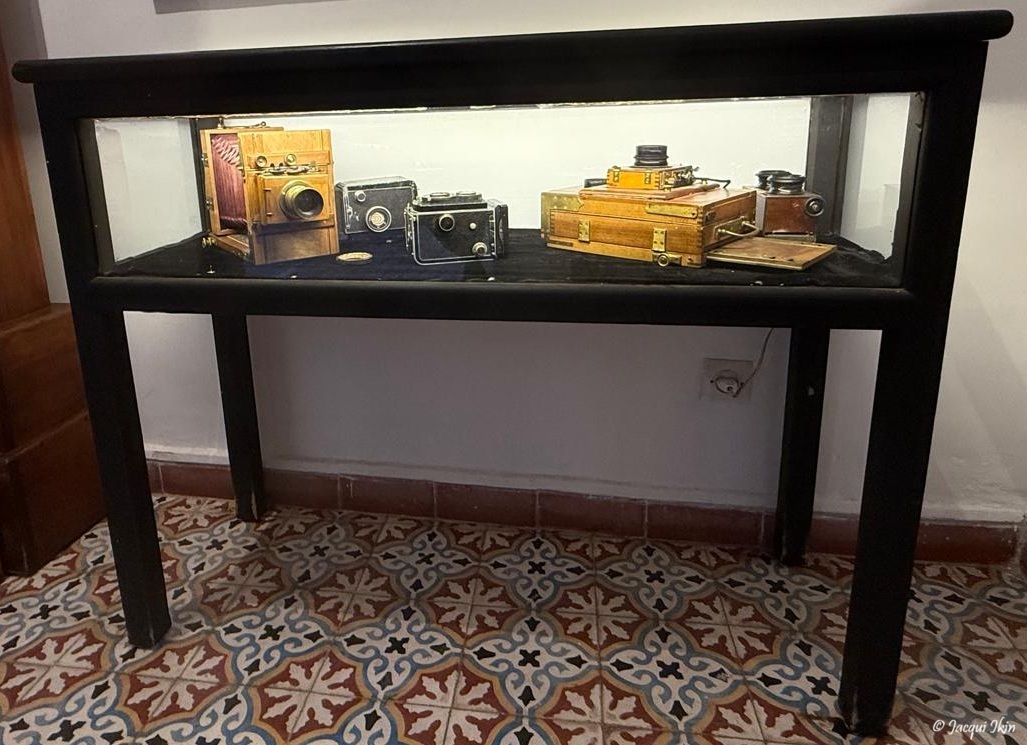
Its collection contains around 10,000 images dating from roughly 1870 to 1960, capturing landscapes, communities, and everyday life across Morocco. Black-and-white portraits of Berber villagers, scenes of rural life, and sweeping views of the Atlas Mountains provide rare glimpses into the country’s past. The archive also includes glass negatives, postcards, maps, journals, prints, and documentary films. Donations from collectors such as Daniel Chicault, Ana Muller, and Jean‑Pierre Evrard have further enriched the collection, which even features one of the earliest colour documentaries of the High Atlas Mountains, filmed in 1957.
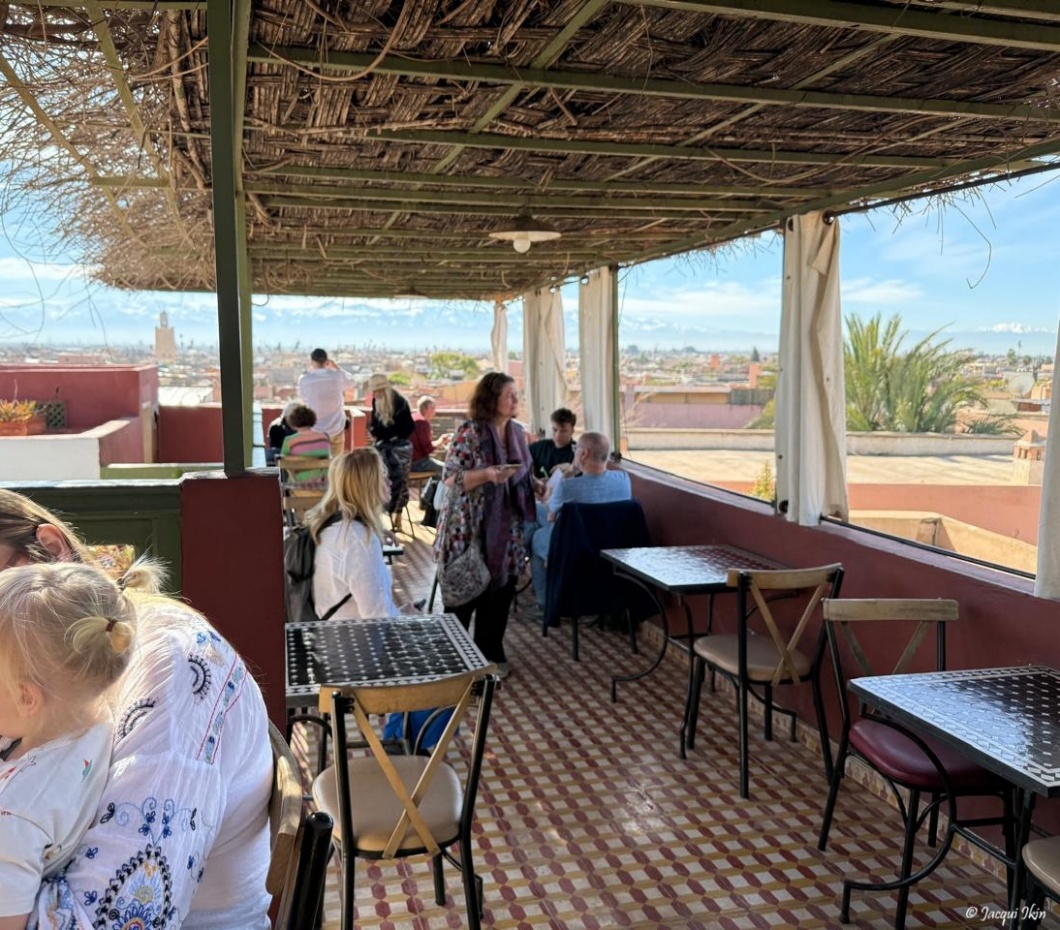
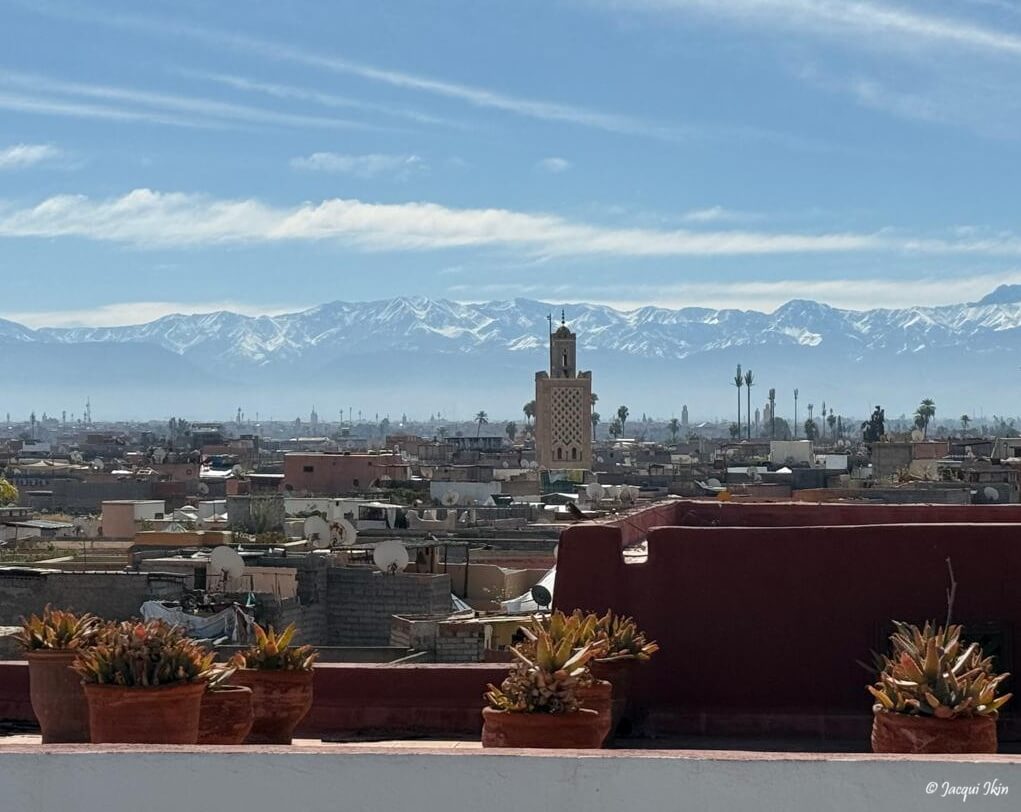
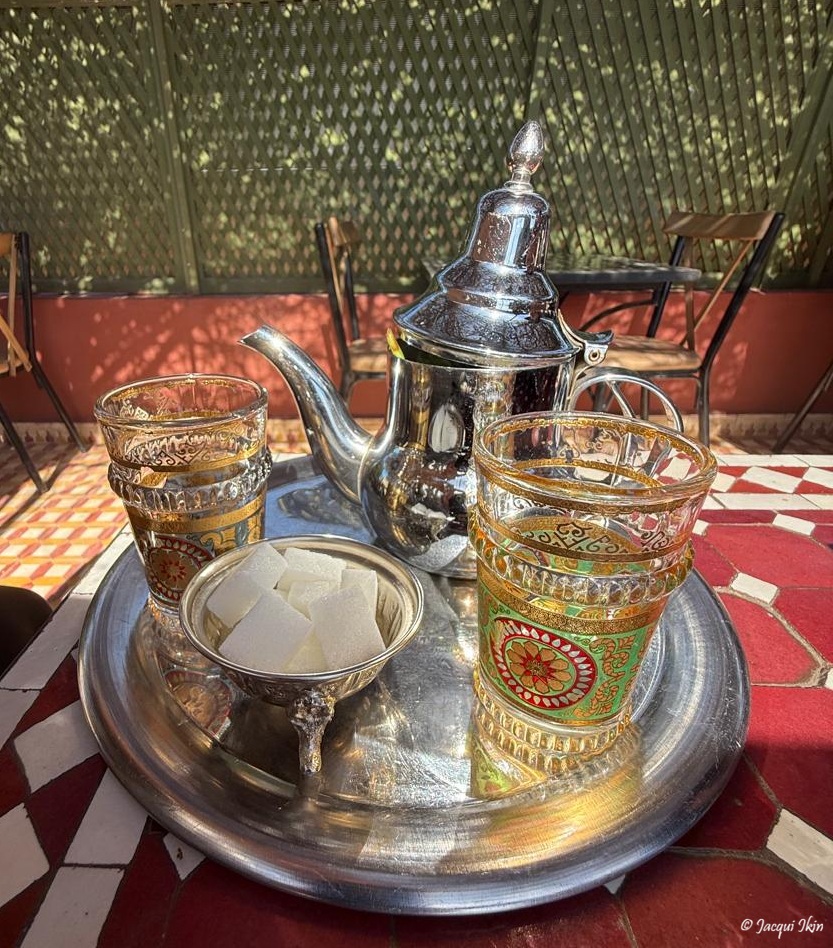
Many visits end on the rooftop terrace café. From here, the ochre rooftops of the medina stretch toward the distant mountains, offering a quiet vantage point over the city. With a glass of mint tea in hand, it becomes clear that the museum offers more than photographs – it provides a moment of reflection amid the energy of Marrakech, and a deeper glimpse into Morocco’s past.
I am not particularly proficient at capturing these images without reflections, but what I loved most about this exhibition was the way the photographers captured emotion – the quiet reality of everyday life and the stories of people’s lives reflected in their eyes. This building and the experience it offers truly stood out as one of our top attractions in Marrakesh.
Jacqui Ikin & The Cross Country Team