Snake Antivenom Shortage
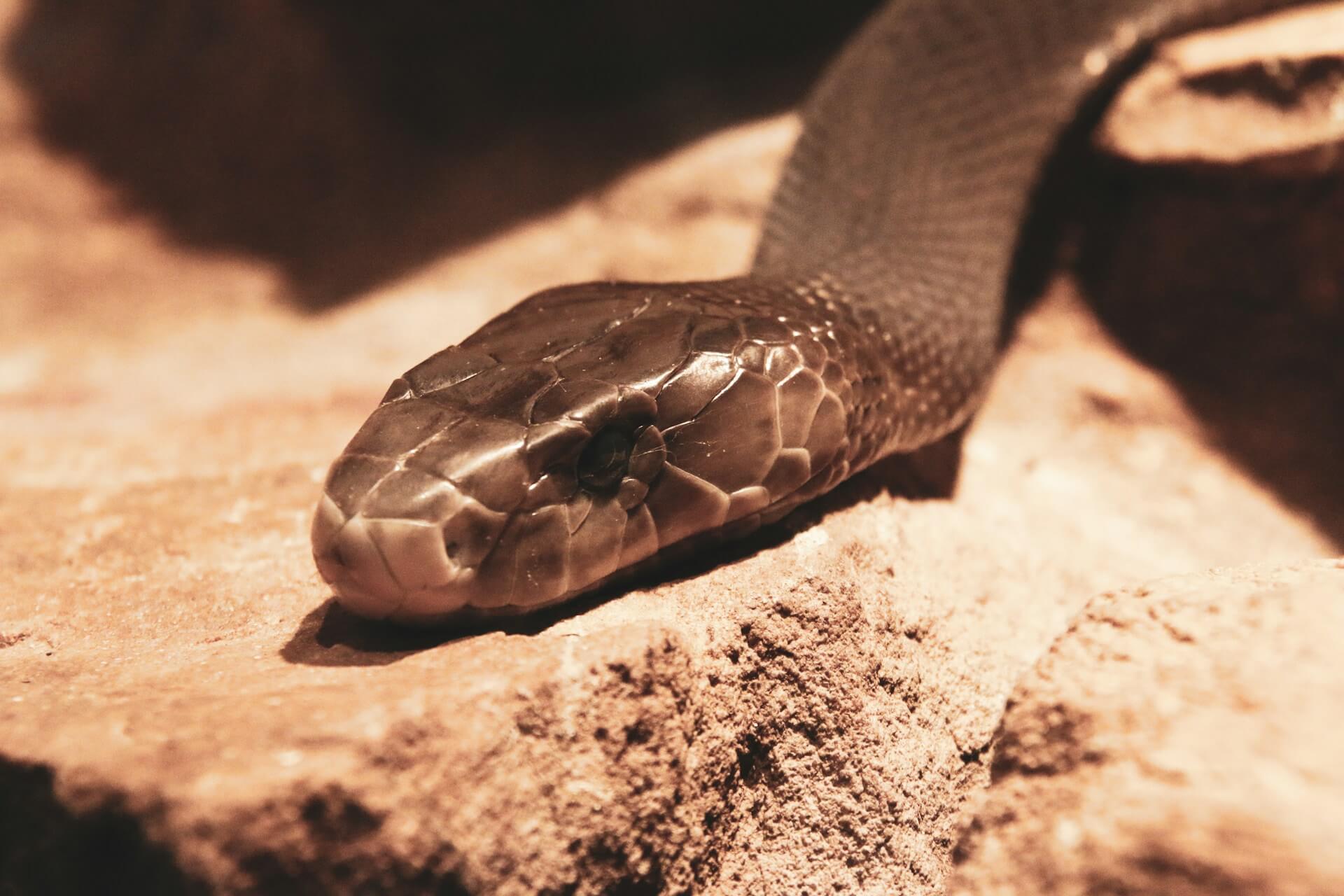
The most feared of snakes – the black mamba.
Right off the bat, you will notice that this article has only one image of a snake. That is deliberate. Why, you may ask? My reasoning is as follows: it doesn’t matter what kind of snake it is – LEAVE IT ALONE!! Many people have been injured by picking up what they thought was a harmless snake. This has always been good advice – and it is especially so now that there is effectively no antivenom available. Where does this leave us? Well, actually, in a bit of a pickle. But, like so many other current issues, it is what it is and within that framework, what can we do? Well, as a starting point… Stay away from snakes!
This is not, as a rule, that difficult to do. As a rule, a snake would rather avoid you than enter a confrontational situation. Fortunately, snakes don’t hunt humans as food. As with most creatures, it’s a simple equation. Venom takes energy to manufacture, and it won’t be wasted unnecessarily. Snakes are typically not aggressive and will try to escape if someone is approaching. The best ways to avoid snake bites is to watch where you step or reach, and to keep your distance if you see one. Most victims are bitten in the early hours of the evening, largely in summer between November and April and when accidentally standing on them. That is manageable. Use a torch and stick to clear pathways.
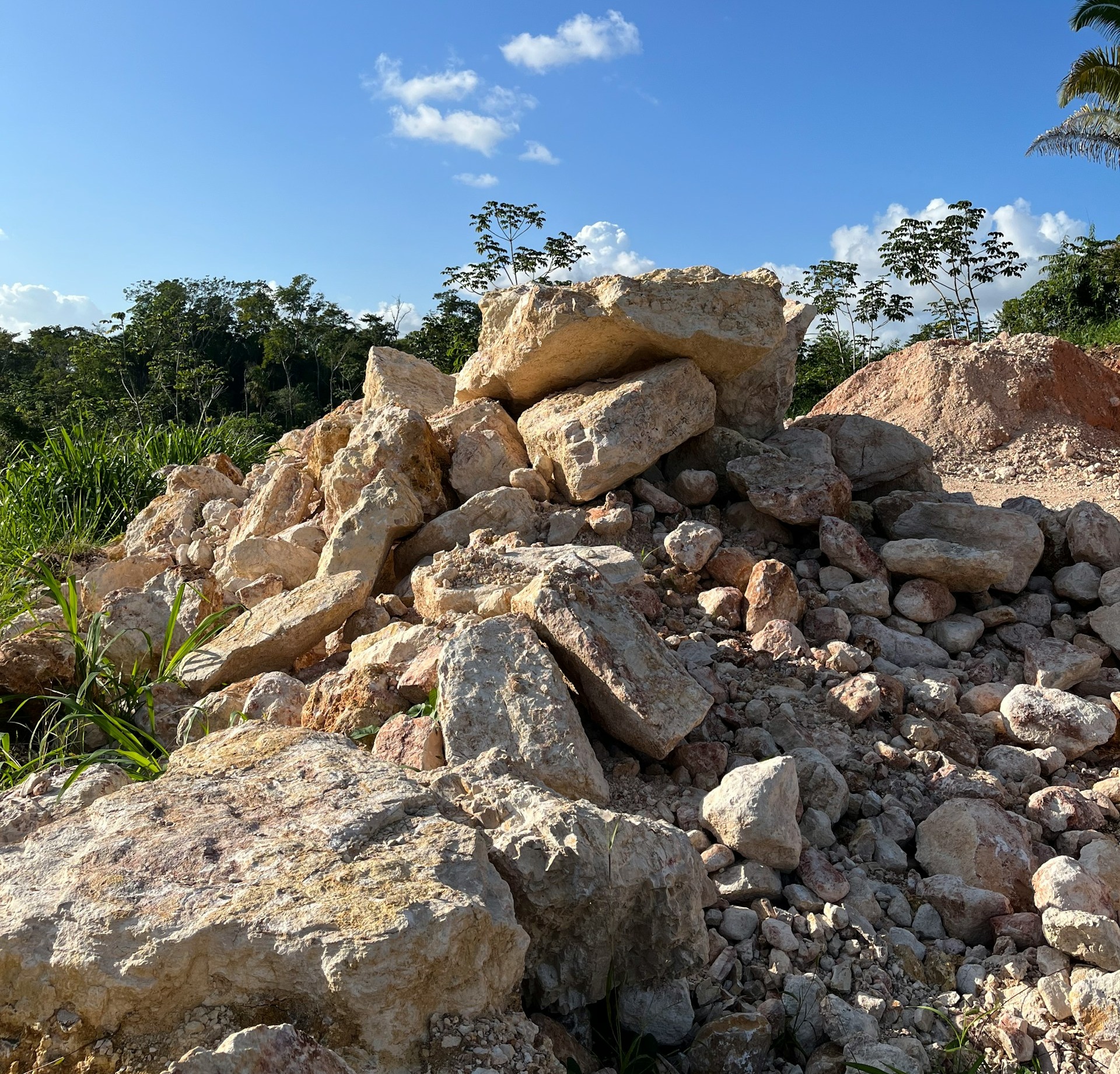
Snakes love the holes between rocks.
Like most living creatures, snakes are generally on the lookout for two things – food and shelter. If these two resources are unavailable, you are less likely to find snakes. Many snakes eat rodents, and so one of the obvious actions is to ensure that the rodent population is under control – whether in your home or in a bush camp. The simplest way to do this is to make sure there are no food sources for rodents to access (rubbish, wasted bird food etc.). If you are able to limit their water sources as well, that would be another reason for the rats and mice to move on.
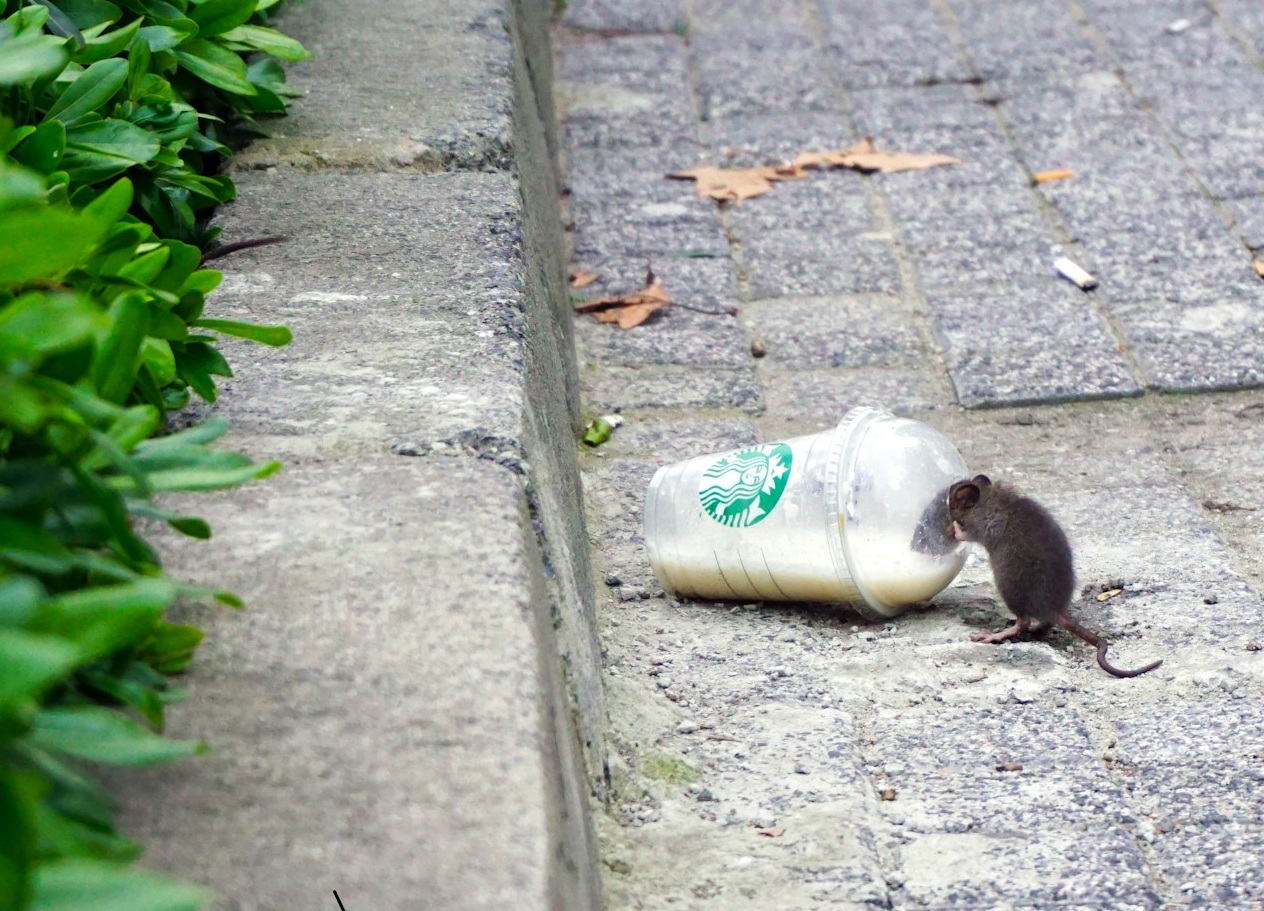
Don’t leave rubbish out which would encourage mice and rats.
It is obviously simpler to avoid snakes in suburbia. They will look for places around your home to hide so they can breed and rest. We live in Africa, and many of us have indigenous gardens, so this advice needs to be tailored for your particular situation. Fill in any holes and burrows left by moles etc with dirt or gravel to stop snakes using them as shelter. Also seal any cracks in foundations or paving. Piles of rocks are perfect for snakes, as are piles of wood. Remove the rocks and store firewood in boxes. Keep your grass short and your yard cleared of dense bush. Note that gardening, pulling weeds, and moving debris are the most likely scenarios for an accidental snake bite. Ideally be able to see where you step and where you reach. Remove sheets of asbestos or corrugated iron – they are a favourite hiding spot. Note that snake repellents do not work.
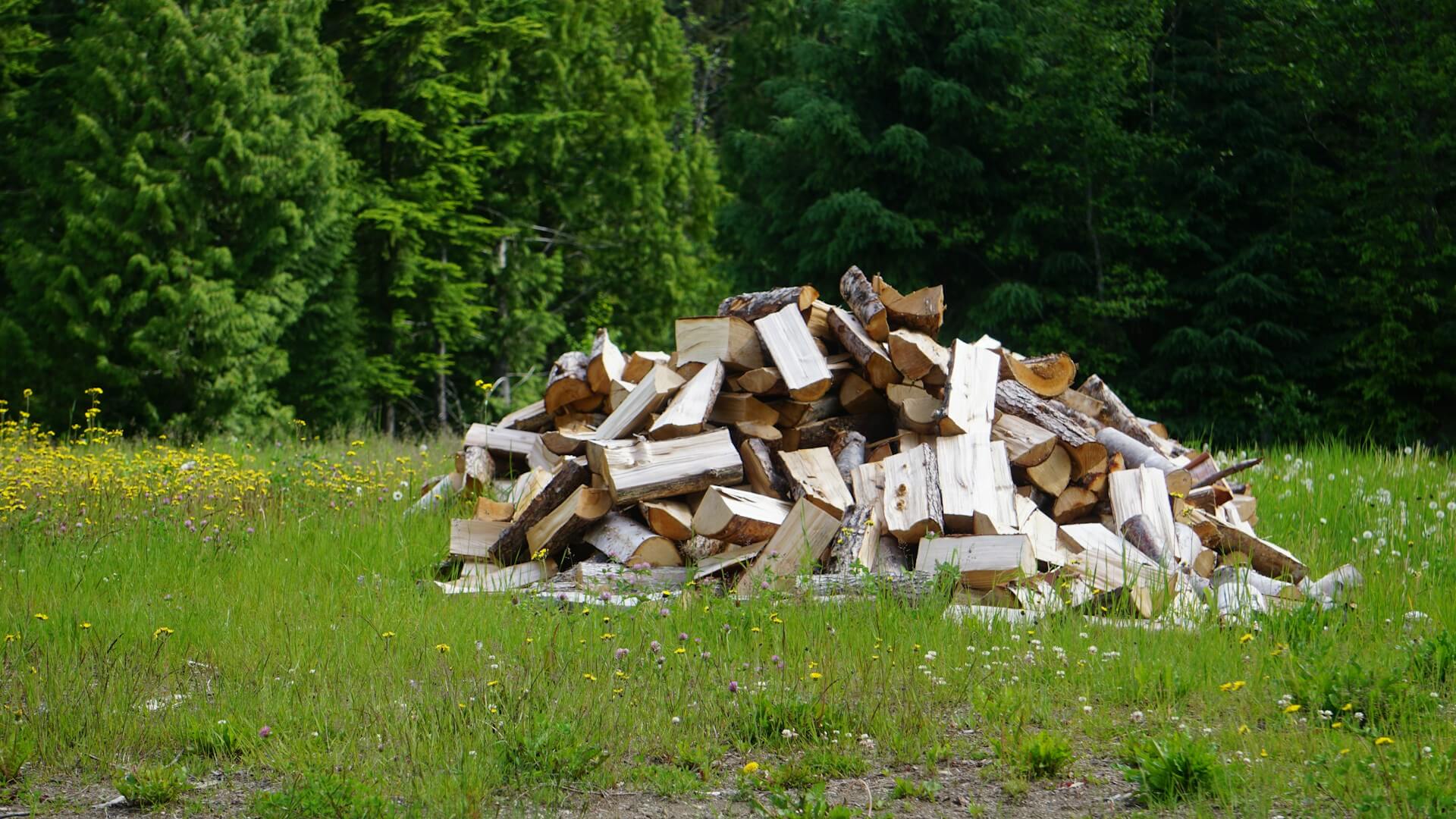
Prime snake real estate!
If you find a snake in suburbia, call a professional snake catcher. There are over 800 snake removers throughout South Africa that are listed on the African Snakebite Institute’s app which is free – see the link in the info box.
Avoiding snakes in the bush is a little more complicated – but not impossible. Never step over fallen logs where you cannot see what is on the other side. Rather step on the obstacle and make sure the opposite side is clear of danger before stepping off. Most bites are on feet, and below the knee – so wear thick boots and long trousers as these will provide some protection. Be aware that snakes such as the Rinkhals play dead – never pick them up! The bottom line is “be aware of your surroundings” and “don’t mess with snakes”. It really is that simple.
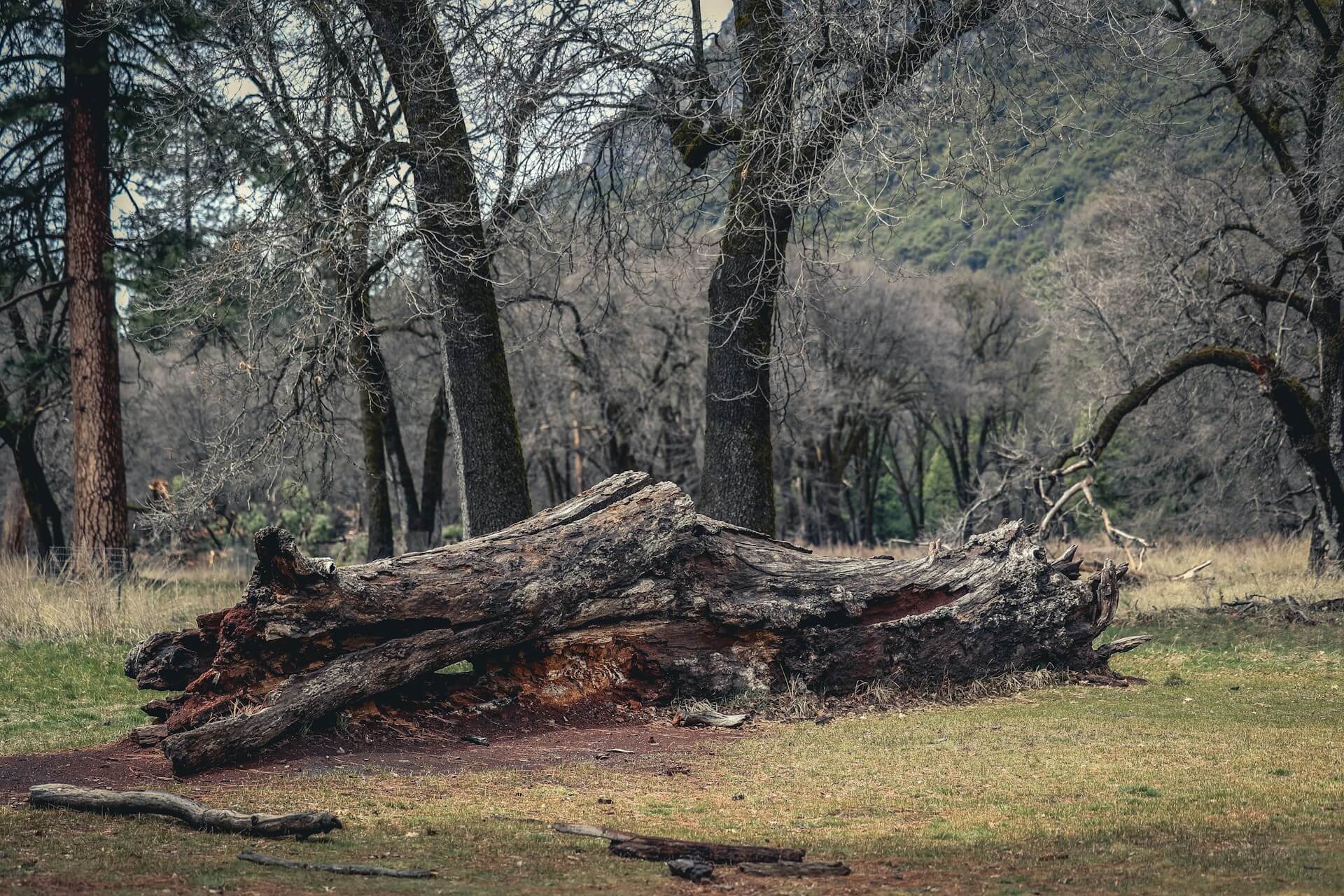
Step onto the log first, and once you’re sure it’s clear, only then step down.
Let’s look at some facts. In South Africa we have around 4 000 snakebites a year with less than 1 000 of those requiring hospitalization. 10% will require antivenom and fatalities sit between 10 and 12 people annually. Puff adders cause the most deaths, whilst the black mamba is the most feared. Besides being a medical issue, a snake bite can potentially be really expensive – requiring hospitalization, antivenom (when available) and even surgery. If you are bitten by one of the medically significant snakes, it is said that your bill can be anywhere between R 100 000 and R 1 000 000 to treat in proper facilities.
I’m not going to go into how to treat a snake bite – that is medical advice which I don’t do. There is, however, one point worth making. Even if it was available, more than 40% of people go into anaphylactic shock when antivenom is administered – and as a rule you need to be in a medical facility to deal with that. So, think twice before accepting antivenom (likely out of date and incorrectly stored) from a fellow-overlander – it will kill you quicker than any snakebite. Snakebite courses are given by the African Snakebite Institute.
Jacqui Ikin & The Cross Country Team
INFO BLOCK:
The incidence of snakebite in South Africa (a fascinating article for stats!):
https://academic.oup.com/trstmh/advance-article/doi/10.1093/trstmh/trae109/7931504
African Snakebite Institute App (free):
https://www.africansnakebiteinstitute.com/app/