Winter is coming… And it ain’t gonna be frosted!

Being a writer is an extremely interesting career. You just never know what bright, shiny, new topic is going to catch your eye. I’ll be browsing through social media, and I’ll literally say to myself “Ooh – that will interest my readers!” So, this week, we segue into the fascinating world of diamonds. We’ll continue with the Plett/Knysna trip just after Christmas…
This heading comes from a diamond campaign in the movie “How to lose a guy in 10 days”. There are many, many other phrases relating to marketing campaigns for diamonds – originally the ultimate in precious stones. Diamonds are a girl’s best friend. Diamonds are forever. And many, many more. But have you ever stopped to consider the true story of diamonds? It’s almost Christmas – and millions are spent on getting you to buy the perfect diamond for your love. At this time of giving, let’s explore a couple of home truths…

Humans first discovered natural diamonds in caves in India nearly 4000 years ago. The earliest of these deposits were formed 900 million years before that. Some historians estimate that India was trading in diamonds as early as the fourth century BC. Gradually, Indian diamonds found their way overseas. Most of these early stones were transported along the network of trade routes that connected India and China, commonly known as the Silk Road. The camel caravans also travelled to Venice’s medieval markets, and by the 1400s, diamonds were becoming fashionable accessories for Europe’s elite.

India’s diamond supplies began to decline in the early 1700s, just as Brazil emerged as an important source. Diamonds were found in the pans of gold miners as they sifted through the gravels of local rivers, and Brazil eventually came to dominate the diamond market for more than 150 years. By the late 1700s, the old ruling classes (the largest consumers of diamonds) were in decline, what with political upheavals like the French Revolution. However, the 1800s brought increasing affluence to western Europe and the United States – just in time for South Africa’s great diamond finds…
South Africa’s first diamond discoveries were alluvial (meaning they were found as deposits along a riverbed). In 1867, a 15-year-old boy named Erasmus Jacobs found a small transparent rock along the banks of the Orange River, near his farm where he lived with his family. The modern diamond market really began here. Entrepreneur Cecil Rhodes established the De Beers Consolidated Mines Limited 21 years later, in 1888. By 1900, De Beers, mainly through its mines in South Africa, controlled about 90 percent of the world’s production of rough diamonds. They carefully released just enough rough diamonds to satisfy the current demand, thus creating a false “rarity”. In 1999, the De Beers London stockpile was valued at $5.2 billion. In 2000, they were forced to agree to stop stockpiling diamonds.
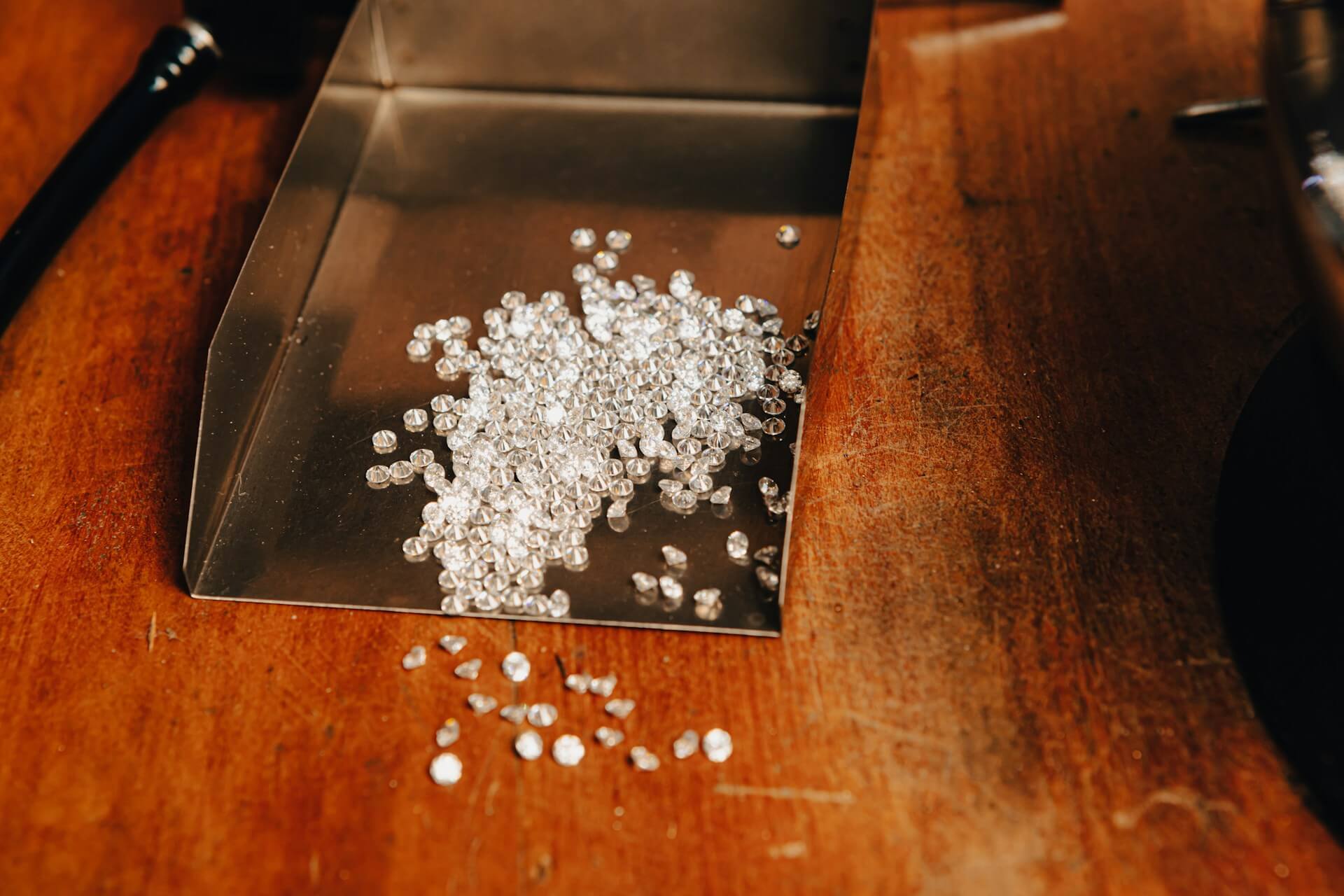
Part of the De Beers endeavours to rule the Diamond World included Botswana. Debswana (a collaboration between De Beers and Botswana established in 1969) operates four diamond mines: Jwaneng, Orapa, Letlhakane and Damtshaa, and has a Corporate Centre in Gaborone providing strategic support to the business. This company recovered a total of 24.7 million carats in 2023. Orapa was the first diamond mine to start production in Botswana in 1972. While the Letlhakane mine came into production in 1977, the Jwaneng mine began operations in 1982. By 1980 Botswana had established herself as one of the leading diamond producers.
The importance of diamond mining to Botswana is apparent by its facilitation of the country’s rapid development into the democratic well administered, stable country that it has become. The significance of diamond mining to Botswana cannot be overstated. Paved roads, healthcare facilities, schools and universities are funded largely through diamond revenues. This is the positive side of the industry. The long-term outlook for the industry in Botswana, or even the world, looks less than rosy. Synthetic, lab-grown diamonds are getting cheaper and better. It’s now hard to distinguish between natural and synthetic diamonds. Another issue is that many of the mines around the world are now getting to depths where it becomes phenomenally expensive to mine a single carat. Let’s explore the state of today’s diamond industry, shall we?

“Industrial diamonds” are diamonds that are valued for their extreme level of hardness. They either have many flaws or irregular shapes, lack clarity and are often coloured – and thus not considered aesthetically valuable. According to Wikipedia, over 90% of mined diamonds are industrial grade. Natural industrial diamonds, or even any natural diamond, carry a very high price tag, as well as a high environmental and social impact. It is said that between 200 and 250 tons of ore is mined and sorted to produce just one single-carat diamond. The negative social impacts of the diamond trade resulted in the Kimberley Process Certification Scheme, established in 2003 to regulate the diamond trade and to minimize these social impacts (mainly focused on “conflict/blood diamonds” – i.e. rough diamonds used by rebel movements or their allies to finance conflict aimed at undermining legitimate governments). Whilst this scheme is diligently policed, many find ways around this process.
So, what are “synthetic diamonds”? In the early 1950’s, a chemist named H. Tracey Hall was the first to successfully synthesize a diamond in laboratory conditions. Nearly 90% of synthetic diamonds are used for cutting, grinding, shaping and polishing (i.e. ‘industrial’ diamonds). Synthetic diamonds embody exactly the same characteristics as natural stones. To come to terms with the big picture, let’s take a very brief look at a very specific case study – bearing in mind that I am no expert on either diamonds or their impact on the world.
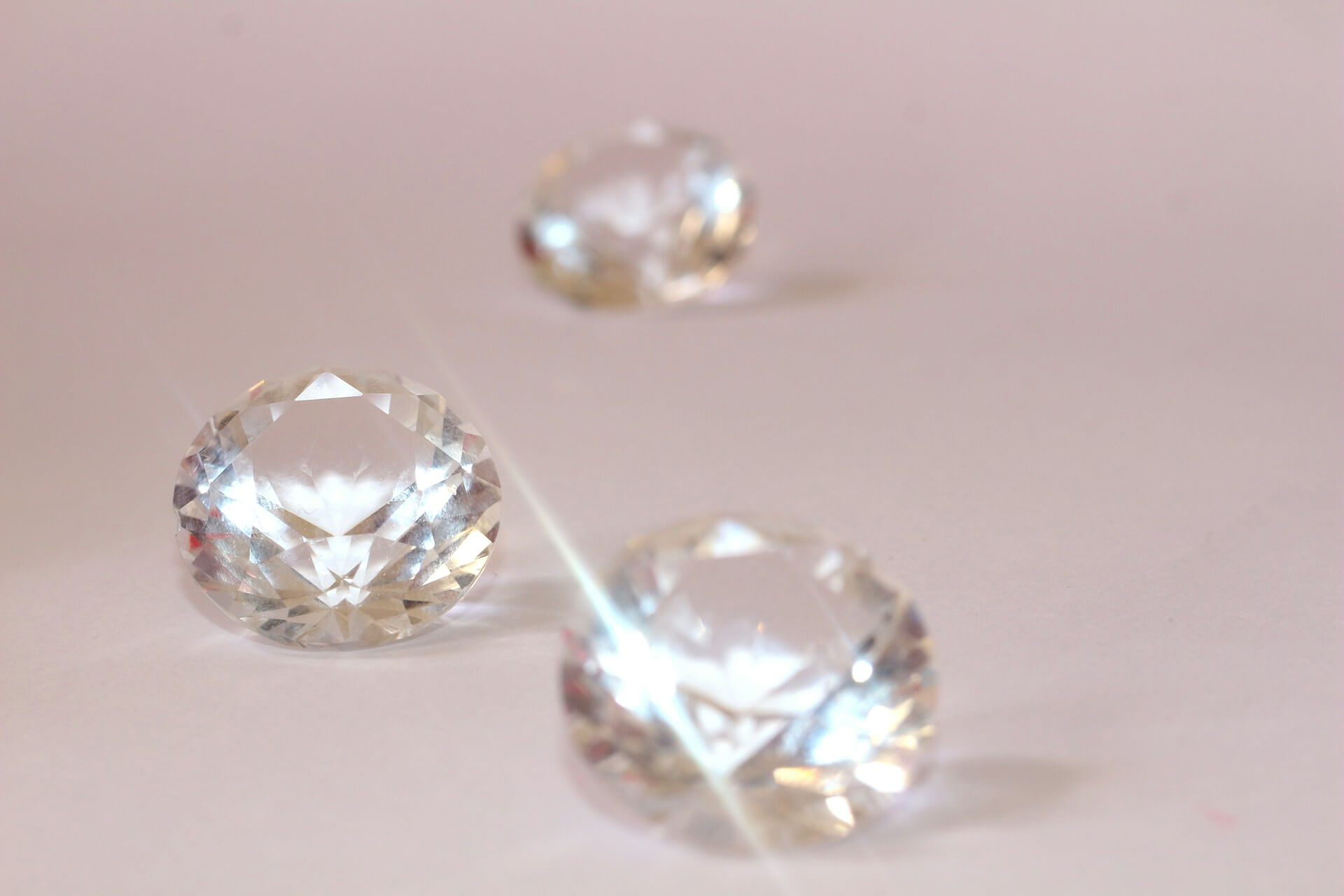
The Argyle Diamond Mine (located in the Kimberly region of Western Australia) was the source of over 90% of the world’s supply of pink diamonds. The last day of mining at Argyle was 3 November 2020. This marked the beginning of the transition to the lengthy and detailed closure process. The mine is 100% owned by Rio Tinto, who estimated “at least five years” to dismantle the operational infrastructure, reshape the land and undertake revegetation activities to enable the re-establishment of a natural ecosystem. Rio provisioned $578m in rehabilitation costs – it is understood that this provision is now approximately $850m. By no means a small endeavour and indicative of the type of money that flows in the mining industry. Why did the mine close? Skyrocketing operational costs and shifting market demands made profitability a challenge. Although Rio Tinto worked exceptionally hard at unearthing as many diamonds as possible, the demand has constantly outnumbered the supply. To reach additional diamonds via underground mining at 2000 meters below ground, a capital investment of over $2 billion would have been required. In an age where sustainability is front of mind, the mine’s ecological footprint had also become a glaring concern. Greenwashing is “the act of making false or misleading statements about the environmental benefits of a product or practice”. Today’s world abounds with this practice and the diamond industry is no different.
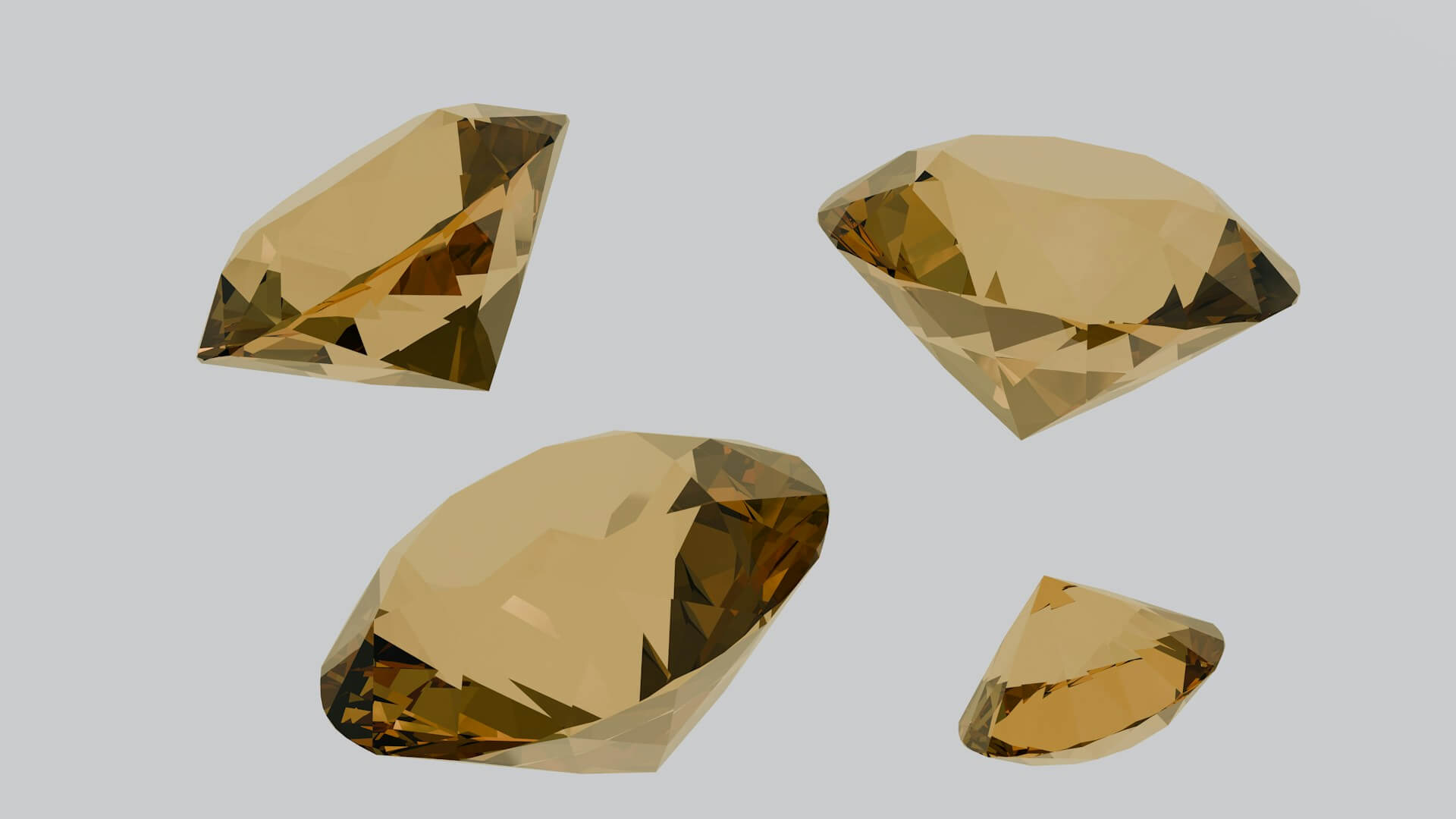
This Argyle mine in Australia produced one-third of the world’s supply of diamonds – it was the world’s largest single producer of diamonds. It was often used by diamond sellers as an example of ‘clean and ethical diamond mining’. “Argyle mine only uses 7.5 kWh of energy per carat of diamond mined”. This is, in fairness, actually a statement of fact. That said, 80% of the diamonds found in the Argyle mine were brown diamonds — which have nowhere near the value or size of white, blue or pink diamonds in jewellery. This means the actual energy cost of finding one carat of an intact gem-quality diamond is much higher. The point being made is that the equation is nowhere as simple as it seems. When reading this article and other articles and reports on the sustainability of mined diamonds vs lab diamonds, keep in mind that the numbers used for mined diamond ‘per carat’ measurements are most likely understated compared to gem-quality lab diamonds.

“As of 2021, the production of lab-grown diamonds using the high-pressure high temperature (HPHT) method had the largest range of energy consumption, with a lower range value of 28 kWh and an upper range of 245 kWh of energy consumed per carat produced. Conversely, mined diamond production (natural diamonds) had the narrowest range of energy consumed, ranging from a low of 96 kWh to a high of 150 kWh per carat produced.” Source: Statista – see reference in info block. So, synthetic diamonds use more electricity. That said, a very specific process is followed, and if a one carat diamond is required, that is what is grown – without all the damage to the earth. Also worthy of note is the source of the energy to obtain the one carat diamond. Energy used in mines is largely driven by fossil fuels, whereas synthetic labs have varying sources of power – often cited as being green.

With lab diamonds, all the diamonds produced can be gem-quality which are created as whole diamonds (not small fragments), which are much more valuable. So, comparing ‘per carat’ measurements between mined diamonds and lab diamonds is not an apple-to-apple comparison. Personally, I believe a more relevant question revolves around the source of the energy. Any energy savings are counter-balanced by the use of so-called “dirty” energy…
What is less open to debate is the physical scars that mining leaves on the landscape. Do yourself a favour – Google “Diamond Mines” – IMAGES. What follows is my own view on the subject (and these are personal opinions, in no way reflecting those of Cross Country Insurance Company): land is never completely rehabilitated to its previous condition – if at all. These ugly scars remain on the earth in perpetuity. And that’s just what you can see. Removal of vegetation and topsoil, the displacement of fauna and destroyed flora, the release of pollutants, the generation of noise, pollution of ground water and overuse of limited water resources. Diamond exploration and mining use two forms of energy: electricity and hydrocarbons. A by-product of both is the release of carbon emissions – considered to be a major factor in global warming and climate change. The list is endless. So, why do it? “Development” and profit!

Just when one decides that the diamond industry is in no way good for the long term (and this is the article that originally caught my eye): “The world’s first nuclear-diamond battery uses carbon-14, which has a half-life of 5,700 years, to power devices”. Scientists at the UK Atomic Energy Authority and Bristol University have created what they claim is the world’s first carbon-14 diamond battery, which has the potential to power devices for thousands of years. It apparently functions in a similar way to solar panels, which convert light into electricity. But instead of using light particles (photons), they capture fast-moving electrons from within the diamond structure. Small amounts of carbon-14 are safely encased in a MANUFACTURED diamond. These are perfect for use in hostile/difficult environments – such as space or in a pacemaker (where it is seriously invasive to the patient to replace a battery). These diamond batteries offer a safe, sustainable way to provide continuous microwatt levels of power. And so, once again, we see progress that has evolved from an industry hundreds of years old. Cutting edge science and the solution to many power issues – all from the not-so-humble diamond…

Jacqui Ikin & The Cross Country Team
INFO BLOCK:
Diamond production energy consumption:
https://www.statista.com/statistics/1427882/diamond-production-energy-consumption-worldwide-by-type/
Diamonds are forever? World-first carbon-14 diamond battery made:
https://www.youtube.com/watch?v=IgGVt4sUnnw
https://www.gov.uk/government/news/diamonds-are-forever-world-first-carbon-14-diamond-battery-made